

I remember the exact moment I looked in the mirror and realized my dental health was slipping away. A chipped tooth from years ago had become more than just a cosmetic issue—it was a symbol of neglect and uncertainty. Like many, I had always thought dental treatments were straightforward, but as technology advanced, I couldn’t ignore the buzz around robotic dental implants. Were they really worth the hefty price tag that came with them? That question haunted me until I decided to dig deeper, and I want to share my journey with you.
Why I Started Questioning the Cost of Robotic Implants
When I first heard about robotic dental implants, I was skeptical. The promise of faster healing and more precise placement sounded almost too good to be true. But as I delved into the details, I discovered that by 2026, these innovations were becoming more mainstream—and more expensive. Like many, I wondered if the premium price was justified or just a marketing stunt. Early in my research, I learned that cutting-edge technology can significantly improve outcomes, but it’s essential to understand whether these benefits outweigh the costs.
Is the Price Tag Justified or a Marketing Trick?
I’ll be honest—my initial mistake was assuming that all new dental tech is automatically better and worth the extra expense. I fell into the trap of believing that paying more meant guaranteed quality. Turns out, that’s far from true. I learned that some clinics charge premium prices for robotic implants without offering significantly better results than traditional methods. The key is to weigh the technology’s benefits against your personal needs and budget. Want to see real examples? You might find valuable insights in this ultimate guide to dental implants.
If you’re facing similar questions—whether robotic implants are truly worth the investment in 2026—you’re not alone. I’ve been there, and I understand how confusing it can be. That’s why I’ve committed to unraveling the facts and sharing honest, practical advice to help you make empowered decisions about your oral health. Up next, I’ll guide you through what you need to consider before opting for these high-tech solutions, so you can avoid costly mistakes and secure the best outcome for your smile.
Assess Your Needs with Precision
Start by evaluating your current dental health and aesthetic goals. I scheduled a consultation with my dentist, bringing photos of smiles I admired, which helped clarify what I wanted. Use resources like this guide to prepare questions and understand your options better.
Choose the Right Expert
Look for a dentist with specialized training in cosmetic and restorative dentistry. I visited several clinics before trusting my choice. When I finally found a clinic that showed before-and-after photos and explained procedures clearly, I knew I was on the right track. Remember, selecting a skilled professional is crucial for predictable results.
Explore Your Treatment Options
Veneers vs. Crowns
Decide between veneers and crowns based on your specific needs. I learned that veneers are less invasive, ideal for minor cosmetic changes, while crowns provide strength for severely damaged teeth. For comprehensive insights, see this comparison.
Understand Dental Implants
If missing teeth are part of your concern, explore implant options. I studied the implant process to grasp how they fuse with bone for durability. This step ensures your expectations align with reality and helps you prepare financially and emotionally.
Plan Financially and Practically
High-quality dental work involves investment, but there are ways to optimize costs. I discussed payment plans and insurance with my provider—sometimes, iterative treatments can be spaced out for affordability. Remember, choosing reputable clinics over cheaper alternatives often reduces long-term risks.
Prepare for the Procedure
Before treatment day, follow all pre-op instructions. I was advised to avoid certain foods and medications; this minimized complications. Document your questions and concerns; clear communication with your dentist prevents surprises.
Follow Through with Maintenance
Post-treatment care is vital. I established a daily oral hygiene routine—brushing, flossing, and using recommended mouthwash—and scheduled routine check-ups. These actions prolong your restorations’ lifespan and maintain health. For detailed post-care steps, check this resource.
Many people operate under misconceptions when it comes to veneer, dental implant, family, and cosmetic dentistry. While these procedures have revolutionized oral health and aesthetics, believing in myths can lead to costly mistakes or unfulfilled expectations.
Beyond the Surface: Why Appearances Can Be Deceiving
A widespread misconception is that veneers and implants are instant fixes for all dental issues. In reality, they require meticulous planning, proper maintenance, and realistic expectations. For instance, some assume veneers are stain-proof, but they can stain over time if not cared for properly. Similarly, implants are often thought to be invincible, yet poor oral hygiene or certain habits like teeth grinding can compromise their longevity.
The Hidden Nuance in Family Dentistry
Many believe family dentistry focuses solely on children or routine cleanings. However, top-tier family practices also prioritize preventive care, early detection of oral health issues, and personalized education for all ages. In fact, a comprehensive family dentist can significantly reduce the risk of complex issues down the line, saving you both time and money.
Are Cosmetic Enhancements Worth the Investment?
Everyone seems to agree that a beautiful smile boosts confidence, but some believe cosmetic procedures are purely superficial. That couldn’t be further from the truth. Advances in cosmetic dentistry aren’t just about aesthetics—they also improve functional aspects like bite and speech, and can even protect against future dental problems. Yet, it’s crucial to choose quality providers who understand the nuances of material selection and procedural techniques, as shortcuts can lead to early failures or unnatural results.
Why Age and Condition Matter in Decision-Making
A common mistake is to ignore how age and overall oral health affect procedure outcomes. For example, patients with bone loss or certain health conditions might think implants are off-limits, but recent innovations like bio-active implants or faster healing technologies have expanded options. Tailoring treatment plans to individual circumstances ensures longevity and satisfaction.
Engaging with a knowledgeable professional is key to avoiding these pitfalls. Remember, the most successful outcomes come from understanding the intricacies behind each procedure, rather than falling for oversimplified myths. Want to dig even deeper? Check out our comprehensive veneer transformation guide and see how expert care can transform your smile.
Have you ever fallen into this trap? Let me know in the comments.
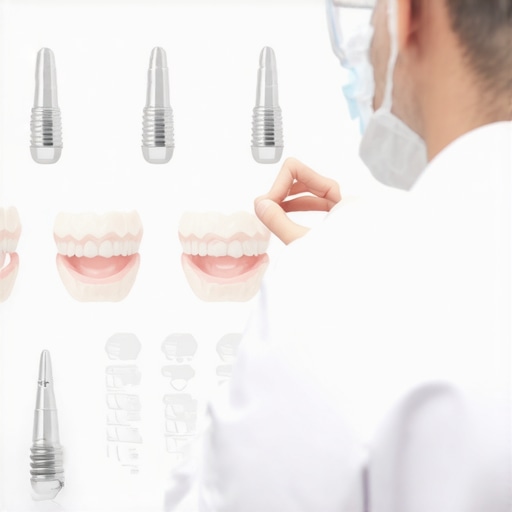
Investing in Quality Equipment for Longevity
Maintaining dental restorations like veneers or implants requires the right tools. I personally rely on a high-quality ultrasonic toothbrush, such as the Sonicare DiamondClean, which provides superior plaque removal and gentle cleaning, essential for preserving veneers and implants. Additionally, I use interdental brushes for precise flossing around implants, preventing buildup that could compromise long-term health. Regularly replacing your toothbrush head every three months and using dental floss specifically designed for implants, like Super Floss, ensures your tools support optimal oral hygiene.
Adopting Effective Cleaning Methods
Beyond tools, technique matters. I follow a meticulous routine: gentle brushing at a 45-degree angle, focusing on gum line and restoration margins, then flossing with a gentle sawing motion. Incorporating an antibacterial rinse like Listerine Total Care helps reduce bacteria that can lead to inflammation or decay around restorations. Consistency is key—daily care prevents issues before they arise, saving money and discomfort in the long run.
Utilizing Technology to Track and Improve
Smart dental devices are transforming maintenance routines. I use a Bluetooth-enabled toothbrush that connects to my smartphone, providing feedback on pressure, duration, and areas missed. Apps like Philips Sonicare’s Sonicare app or Colgate’s Smart Mouth give personalized recommendations, making daily routines more effective. These tools predict potential problem zones before symptoms appear, enabling proactive care rather than reactive fixes. Looking ahead, I see AI-powered monitoring systems becoming standard, offering even more tailored maintenance plans.
Planning Long-Term Results and Scaling Up
As my dental health progresses, I plan to incorporate professional fluoride treatments and periodic saliva tests to monitor oral microbiome health—important steps that can extend the lifespan of veneers and implants. Scaling maintenance routines as your needs evolve ensures your investment pays off over decades. For instance, scheduling bi-annual check-ups with your dentist allows early detection of issues like microleakage or stain accumulation, which can be addressed before they compromise the restoration.
How do I keep my restorations and implants in top shape over time?
The best way to ensure long-term success is through a blend of professional oversight and advanced home care tools. Regular visits to your dentist for cleanings and assessments, combined with the right equipment like ultrasonic brushes, specialized floss, and monitoring apps, create a robust defense. Remember, technology such as AI-driven saliva analysis and predictive modeling is poised to revolutionize how we approach dental maintenance by catching potential problems early. I highly recommend trying a Bluetooth-connected toothbrush coupled with a holistic oral health app—it’s an easy step toward smarter, more effective care. Want to learn more? Check out this detailed guide for strategies to keep your smile stunning for years to come.
Why I Realized the Power of Personalized Care Over Trends
Initially, I chased the newest technology and flashy procedures, believing they would guarantee perfect results. But my biggest lesson was that no two smiles are alike, and what works for one person might not suit another. Investing time in personalized consultations helped me understand my unique needs, which ultimately saved me from costly regrets. This experience taught me to prioritize expert judgment over marketing hype.
The Surprising Role of Patient Commitment in Long-Term Success
I learned that excellent results aren’t solely about procedures and equipment—they heavily depend on my daily habits. Regular maintenance, proper oral hygiene, and follow-up appointments became my secret weapons. No high-tech implant or veneer can last without consistent, mindful care. This insight made me appreciate that lasting confidence is a partnership between technology and my own commitment.
What I Wish I Knew Before Choosing a Cosmetic Dentist
Choosing a provider based solely on price or fancy certifications is a mistake I almost made. I discovered that the subtle nuances—like the quality of materials used, the artist’s attention to detail, and transparent communication—are what truly impact the outcome. Do your homework, ask questions, and look at before-and-after photos. An investment in a skilled professional pays dividends over time.
My Go-To Resources for Staying Informed and Empowered
Over the years, I’ve relied on trusted sources like this comprehensive veneer transformation guide and the ultimate implant guide. These resources have helped me make informed decisions, ensuring my smile remains healthy and radiant. Always seek credible information to complement your dental care journey.
Take Charge of Your Smile Today
Your journey toward a confident smile is unique, and the decisions you make now will shape your future. Embrace a proactive mindset, seek expert advice tailored to your needs, and prioritize long-term maintenance. Remember, a stunning smile isn’t just about appearances—it’s a reflection of your dedication to self-care. Are you ready to start your own transformation?
Reading through this post really resonated with me. I’ve been considering dental implants for a while, especially with the promising innovations like bio-active implants and faster healing technologies discussed here. What struck me most is how crucial it is to pick an experienced professional who understands the nuances of these procedures because, as the article points out, cheaper options might not always give the best long-term results. I’ve had my own experience with dental work, and I’ve learned that investing in quality pays off over time, especially when it comes to something as important as your smile.
I’m curious, has anyone here had personal experience with robotic implants or recent advancements in implantology? How did you find the process, and were the results worth the investment? I’d love to hear different perspectives or any tips on choosing the right clinic. Thanks for such an informative post—it really helps demystify the complex decisions involved in modern dental care.