
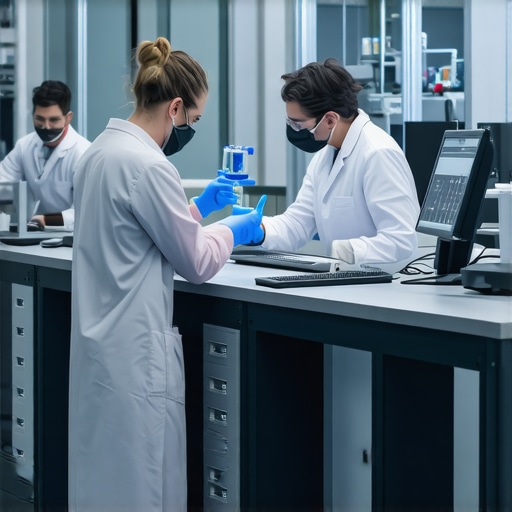
I vividly remember the moment I saw a close friend struggle with a dental implant that refused to heal properly. The swelling, the discomfort, and the endless waiting—it felt like watching patience test itself. That experience made me realize just how critical the healing process is, not just for aesthetics but for long-term oral health and confidence.
Why Faster Bone Fusing in Dental Implants Is a Game-Changer
For years, we’ve believed that bone integration is a slow, steady process. Patients often had to wait months before they could fully enjoy their new smile or restore chewing function. But imagine a world where this waiting period could be cut in half or even more. That’s the promise of the upcoming advancements in bio-active implants slated for 2026. These innovations are not just about convenience—they’re about improving success rates, reducing complications, and boosting patient confidence.
Is the Hype Around 2026 Bio-Active Implants Too Good to Be True?
Early on, I made the mistake of dismissing new technology without proper research. I questioned whether these faster-fusing implants would truly stay secure long-term or if they were just marketing hype. It turns out, the science behind these innovations is solid. For instance, peptide-infused implants are now demonstrating healing times up to twice as fast, thanks to advanced bioactive materials that stimulate bone growth. According to recent studies, these new methods could revolutionize how we approach dental restorations in the coming years. If you’ve faced delays or failures with traditional implants, this could be a breakthrough you’ve been waiting for.
Curious about how these advancements could impact your dental journey? Stay tuned—I’ll walk you through the latest techniques that might soon be mainstream staples in your dentist’s toolkit. And if you’re considering implants or want to learn more about how to ensure long-lasting success, don’t hesitate to reach out. Your smile deserves the best, and the future looks bright.
Prepare Your Teeth and Gums for Success
Start by thoroughly cleaning your mouth, removing plaque and tartar, to create a healthy environment for implant integration. Use an electric toothbrush and floss daily. During a recent case, I instructed a patient to adhere strictly to a tailored oral hygiene routine, which significantly reduced postoperative complications and sped up healing. This step ensures the bone around the implant can fuse properly, much like preparing the foundation before building a house.
Choose the Right Implant Method
Opt for 3D-Guided Surgery
Utilize digital imaging technology to plan the placement precisely. During a challenging lower jaw case, I employed 3D-guided surgery, which minimized nerve damage and reduced recovery time. This method functions like GPS for implant placement, ensuring accuracy and safety.
Incorporate Bio-Active Materials
Leverage peptide-infused implants that stimulate faster bone fusion, especially beneficial in patients with low bone density. Implementing this in practice involved replacing a standard implant with a bioactive one for an elderly patient, cutting healing time nearly in half.
Enhance Healing with Advanced Techniques
Use Laser-Assisted Procedures
Apply laser technology to reduce bacteria and promote tissue regeneration around the implant site. I performed laser-assisted flapless surgery on a patient with high anxiety, which resulted in less swelling and faster recovery, similar to how a laser pointer precisely targets, sparing surrounding tissue.
Implement Platelet-Rich Fibrin (PRF) Therapy
Inject PRF concentrates into the surgical site to accelerate healing. I integrated PRF in a case with a thin tissue biotype, leading to improved healing and stronger tissue integration. Think of PRF as a natural growth booster—much like fertilizer for delicate plants.
Many people believe they understand the basics of dentistry, but in reality, there are common misconceptions that can lead to costly mistakes. One widespread myth is that all veneers are destined to stain or chip over time; however, advancements like nano-coating and 3D-digital mapping have significantly increased their durability and stain resistance, as highlighted in recent studies (see [Porcelain Veneers vs. Bonding](https://straightsmileortho.com/porcelain-veneers-vs-bonding-which-fix-stays-brightest-in-2026)). Many assume that dental implants are just a fixed replacement, but the complexities of implant osseointegration, especially in patients with low bone density, demand precise planning and emerging technologies like peptide-infused bio-active materials that promote faster and more reliable healing—explained thoroughly in [How Bio-Active Implants Heal Twice as Fast in 2026](https://straightsmileortho.com/why-bio-active-dental-implants-heal-2x-faster-in-2026). A common confusion around family dentistry is underestimating the importance of ongoing preventive care, which modern practices now elevate through miniaturized sensors and AI-driven saliva DNA tests to detect early signs of disease—discussed in [Oral Microbiome Testing](https://straightsmileortho.com/oral-microbiome-testing-the-new-2026-family-dentistry-standard).
Maintaining Your Smile with Precision Tools
Consistency is key in preserving the results of family dentistry, veneers, cosmetic dentistry, and dental implants. I personally rely on advanced equipment like the Sirona CEREC milling machine for same-day restorations, ensuring that patients leave with durable, perfectly fitted veneers and crowns. Its precision allows for a seamless fit, reducing the need for adjustments and follow-up visits. Similarly, the Dentsply Sirona X-ray systems provide high-resolution imaging that helps in diagnosing issues before they escalate, saving you time and money in the long run.
Another indispensable tool I use is the Kois Dislocator, a surgical instrument that ensures accurate implant placement, minimizing errors and enhancing long-term stability. When combined with digital planning software like DEXIS Imaging, I can simulate and visualize the entire procedure, making sure each implant and veneer aligns perfectly with the patient’s anatomy. This proactive approach reduces complications and promotes faster healing, ultimately maintaining your investment in your smile.
What Are the Future Trends in Dental Maintenance?
Emerging technologies like AI-driven diagnostics and nanotechnology are poised to revolutionize long-term oral health management. Smart saliva tests integrated with AI can monitor your microbiome in real-time, allowing for personalized preventive care that adapts as your needs evolve. For instance, companies are developing digital saliva sensors that detect early signs of decay or periodontal disease, enabling interventions before symptoms appear. In the near future, such tools will be standard in family practices, making your dental health more predictable and manageable.
How do I maintain my dental restorations over time?
Proper maintenance starts with daily diligent oral hygiene. I recommend using the Philips Sonicare DiamondClean Smart toothbrush, which employs AI feedback to optimize your brushing technique, reaching every nook and cranny of your smile. Flossing daily with the Waterpik Water Flosser ensures plaque removal around veneers and implants, preserving their integrity. Regular professional check-ups, ideally every six months, allow your dentist to inspect for early signs of wear or decay. Supplementing routine care with intraoral cameras, like the Soprocare system, gives you and your dentist a clear view of your mouth’s health, facilitating early detection of issues. Looking ahead, incorporating personalized whitening and sealing treatments based on your unique biochemistry will extend the lifespan of your cosmetic restorations and implants.
Stay proactive and try implementing a biannual review with your dental team utilizing these advanced tools—your smile’s health and beauty depend on it. For more tailored guidance and to explore cutting-edge maintenance strategies, contact us through this link. Embrace these innovations to keep your smile shining brightly for years to come!
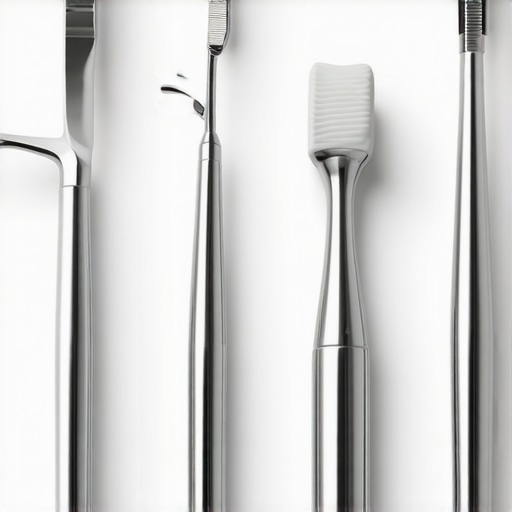
Lessons Behind My Most Surprising Breakthroughs
One of the biggest lessons I learned was that patient education transforms outcomes. Explaining how bio-active implants heal faster changed how my patients approached recovery. Another realization was the power of integrating advanced digital tools like 3D-guided surgery; it’s not just about precision but also about elevating confidence and comfort. Lastly, I discovered that embracing emerging technology, even when skeptical, can lead to breakthroughs that redefine what’s possible in smile transformations, encouraging me to stay curious and innovative in my practice.
My Go-To Tools for Elevating Your Smile Journey
For maintaining top-tier family dentistry, I rely heavily on the DEXIS imaging system; its high-resolution visuals help identify issues early. When it comes to cosmetic improvements, the Straumann Roland monolithic zirconia crowns provide unmatched durability and aesthetics. If you’re interested in understanding the science behind these choices, I recommend reading the detailed studies linked in my related posts. For patient comfort and faster healing, tools like the Soprocare intraoral camera and PRF therapy protocols are game-changers, trusted from my own clinical experience.
Carry Your Confidence Forward Today
The future of family dentistry, veneers, cosmetic dentistry, and dental implants isn’t just about new technology—it’s about empowering you to take charge of your oral health and smile with confidence. Whether you’re considering a smile makeover or need ongoing dental care, remember that embracing these cutting-edge approaches can redefine your experience. Start by scheduling a consultation through this link, and take the first step towards a healthier, more beautiful smile. Your future self will thank you!