I stood there, staring at a grainy black-and-white image of my own skull, feeling completely defeated. My dentist pointed to the thin sliver of bone above my upper molars—the very spot where I desperately needed an implant—and explained that there just wasn’t enough ‘room’ to anchor anything. I’d made the classic mistake of waiting years after losing a tooth to look into a replacement, and in that time, my bone had simply melted away. It’s a common pitfall in family dentistry that many of us don’t realize until it’s almost too late. But that ‘no’ wasn’t final; it was just the start of me learning how a sinus lift can literally rebuild the foundation of your mouth.
Your Upper Jaw Needs a Solid Foundation
When we talk about dental implants in 2025, we often focus on the porcelain crown, but the secret is in the soil—or in this case, the bone. In the upper back jaw, your sinuses are basically air-filled rooms that sit right above your teeth. If you’ve lost a tooth, that floor of the sinus can drop, leaving the bone too thin to hold a titanium post. This is exactly where I found myself. I was terrified of the word ‘surgery,’ but I soon realized that a sinus lift is just a way of gently nudging that sinus floor upward and tucking in some bone graft material to create a sturdy platform. Without it, you’re essentially trying to hang a heavy shelf on a sheet of drywall without a stud. I didn’t want to end up wondering why my dental implant feels loose a year down the line because I rushed the process.
Is this extra step actually worth the hype?
You might be wondering if it’s worth the added time and cost. I certainly did. But according to clinical data from the International Journal of Implant Dentistry, sinus floor elevations have a survival rate of over 90% over ten years, making them one of the most predictable procedures in modern cosmetic dentistry. It’s the difference between a quick fix that fails and a lifetime of confidence. By taking the time to do the prep work, you’re ensuring that your oral health is reshaped for the long haul. Have you ever been told you weren’t a candidate for implants because of ‘low bone density’ in your upper jaw? [placeholder-image]
The Step-by-Step Blueprint for Rebuilding Your Jaw
To get that sturdy foundation, the process starts long before a drill ever touches your mouth. It begins with high-resolution 3D imaging. I remember looking at my first scan; it was a CBCT (Cone Beam Computed Tomography) image that mapped my jaw in three dimensions. This isn’t just a standard X-ray. It’s a vital part of dental implants 2025 innovations that allow surgeons to see the exact thickness of your bone and the proximity of the sinus membrane. If you skip this, you’re basically flying blind. Once the map is ready, the goal is to create space where there is currently only air.
Map Out the Bone with 3D Imaging
The surgeon needs to see exactly where your maxillary sinus begins. In my case, the bone was so thin it looked like a piece of parchment paper. By using these scans, the dentist can determine if you need a ‘lateral window’ lift—where they access the sinus from the side—or a ‘crestal’ lift, which is done through the same hole where the implant will eventually go. Getting this right is how dental implants reshape your oral health by ensuring the metal post doesn’t end up poking into your sinus cavity.
Mastering the Lateral Window vs. the Internal Lift
The ‘meat’ of the procedure is the lift itself. During my surgery, the dentist performed a lateral window lift. Imagine your jaw is a room and the sinus is the attic. He created a tiny, temporary ‘skylight’ in the side wall of the bone. Through this opening, he gently pushed the attic floor (the sinus membrane) upward using specialized tools. Once the membrane was safely out of the way, he packed the new ‘floor’ with bone graft material. This material acts like a scaffold, encouraging your body to grow its own natural bone in that space. 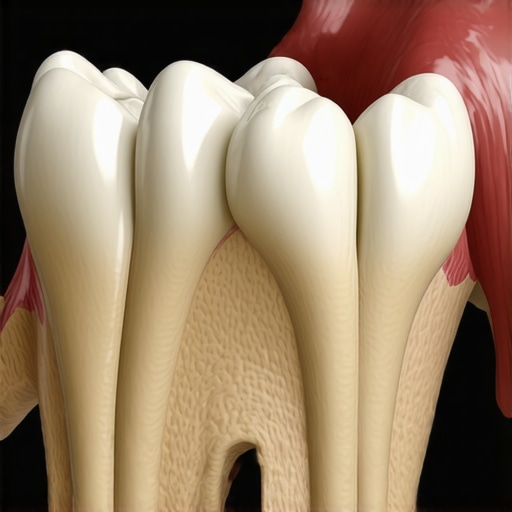 I’ll be honest: I was terrified of the ‘crunching’ sounds I’d heard about. When I actually went through it, the sensation was more like a dull pressure. The ‘messy’ part for me wasn’t the surgery itself, but the three days afterward where I felt like I had a mild sinus infection. I had to learn how to tell if your dental bone graft is healing as expected, looking for normal swelling versus signs of trouble.
Keep the Pressure Off During Recovery
The most critical rule I learned? Do not blow your nose. This sounds simple until you actually have a sneeze coming on. If you blow your nose, the pressure can shift the graft material or even tear the delicate sinus membrane. You have to sneeze with your mouth wide open—it looks ridiculous, but it’s non-negotiable. During this time, you might wonder why your dental implant site feels warm or if the pressure is normal. Most of the time, it’s just the increased blood flow working to integrate that new bone.
Wait for the Bone to Become You
You can’t rush biology. After the graft is placed, you usually have to wait four to nine months before the actual implant can be placed. This ‘waiting room’ phase is where the real magic happens: osseointegration. If you try to jump the gun, you might end up feeling why your dental implant feels heavy or unstable because the bone wasn’t dense enough to support it. While you wait, it’s a great time to discuss the final look, such as veneers vs crowns, so your entire smile is ready for the finish line.While we often focus on the ‘if’ of bone growth, the ‘how’ is where the real expertise lies. I used to think that as long as the surgeon got enough graft material in there, I was set. But there’s a contrarian truth in modern cosmetic dentistry: more bone isn’t always better. If the density isn’t right—meaning the bone didn’t mineralize into a hard, load-bearing structure—that implant is eventually going to fail. This is the ‘Oops’ factor many patients ignore: they prioritize the speed of ‘teeth in a day’ over the biological reality of their own body. According to research published in the Journal of Oral Implantology, the quality of the bone-to-implant contact (BIC) is a much higher predictor of long-term success than the sheer volume of the graft. If you rush the process, you’re essentially building a skyscraper on wet concrete. Another trap involves the ‘piano key’ effect. We’ve all seen it—someone gets a full set of teeth that are so blindingly white and uniform they look like a keyboard. This is often the mistake that makes porcelain veneers look like piano keys. Real teeth have natural gradients and subtle translucency at the edges. When you’re planning your transformation, you have to look beyond just the shade. You have to consider the ’emergence profile,’ which is the technical way of saying how the tooth looks as it pops out of the gum. 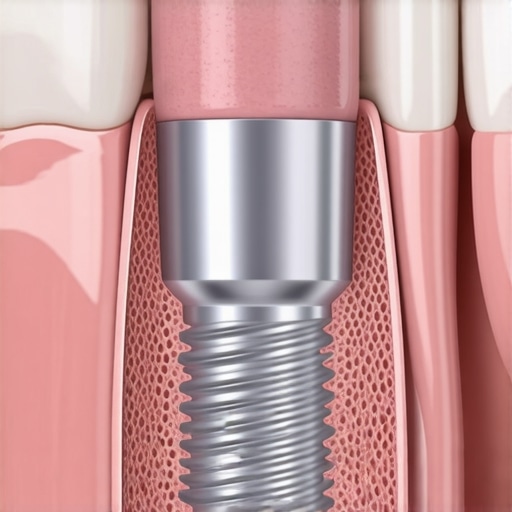 If the transition isn’t managed perfectly, you might notice why your dental implant is showing a tiny dark line at the base, which is often a sign that the gum tissue wasn’t thick enough or the abutment material was poorly chosen.
What Really Causes That Ugly Grey Shadow at the Gum Line?
Most people assume a grey line means the implant is failing or infected. In reality, it’s often a nuance of ‘biotype’—the thickness of your gum tissue. If your gums are naturally thin, the metal of the titanium post can shadow through, ruining the aesthetic. This is why cosmetic dentistry secrets to boost your confidence often involve using zirconia (white) abutments instead of titanium for front-tooth replacements. It’s an advanced detail that costs more but prevents that ‘robotic’ look. Whether you’re debating veneers vs crowns or a full arch replacement, the magic is in these tiny, invisible choices. How dental implants reshape your oral health depends entirely on your willingness to respect the slow, surgical art of the process. Have you ever fallen into the trap of wanting the fastest result possible? Let me know in the comments.Once you have navigated the surgery and the long healing wait, you enter the ‘forever phase.’ I used to think a titanium post meant I was invincible to oral health issues, but that is a dangerous myth. While the implant itself cannot decay, the tissue around it is actually more vulnerable than it is for a natural tooth. This is why I became obsessed with my daily ‘Smile Toolkit.’ My number one recommendation is a high-quality water flosser. Standard floss is great for tight gaps, but it often struggles to reach the unique contours of an implant-supported crown. I personally use the Waterpik Aquarius because of the specialized ‘Plaque Seeker’ tip—it is designed specifically for implants and bridges. I found that the benefit of using a water flosser extends far beyond just braces; it is the only way I feel I am getting a true deep clean around my sinus-lift site.
Tools That Actually Protect Your Investment
For the mechanical side of things, I swapped my manual brush for an ultrasonic one with a pressure sensor. This is non-negotiable. If you press too hard, you risk receding the gum line, which leads to why your dental implant is showing a tiny dark line. You have to learn how to safely clean around the prosthetic without being abrasive. I also keep a stash of interproximal brushes—those tiny little ‘pipe cleaners’ for your teeth. They are essential for getting into the nooks where the crown meets the gum, especially if you have a bridge or a larger restoration. 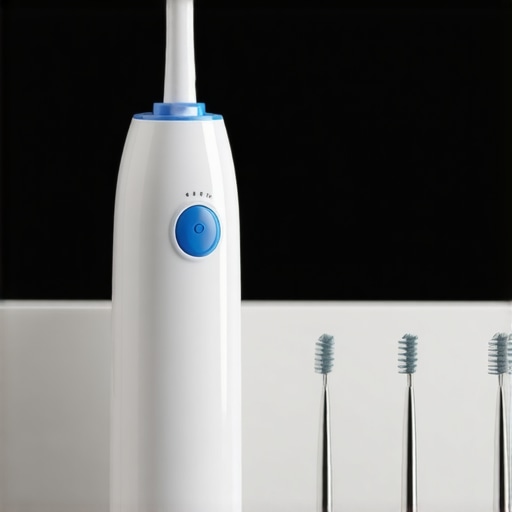
How do I make my new smile last for decades?
Maintenance isn’t just about what you do at home; it is about the long-term professional partnership. According to the American Academy of Implant Dentistry (AAID), the primary cause of implant failure post-integration is peri-implantitis, a form of gum disease. To avoid this, I schedule check-ups every six months religiously. This is where family dentistry tips for a lifetime of healthy smiles really come into play. Your dentist can use specialized plastic or titanium scales to clean your implant without scratching the surface of the post. I predict that the future of dental implants will soon involve smart-sensors built into the abutment that can detect changes in pH or bacterial load, alerting you to a problem before you ever feel pain.
Why Your Old Brushing Habit Could Be Your Worst Enemy
It is easy to get complacent once the pain is gone and the teeth look perfect. But remember, the ‘seal’ between your gums and an implant is weaker than the seal around a natural tooth. If you are aggressive with a stiff-bristled brush, you can break that seal, allowing bacteria to migrate down to the bone we worked so hard to build. Whether you chose veneers vs crowns for your final look, the rule is the same: gentle, consistent, and thorough. I highly recommend trying one advanced tip this week: switch to a non-abrasive, fluoride-rich gel instead of a gritty whitening toothpaste. This preserves the luster of your restoration and keeps the junction of your implant clean and smooth. How dental implants reshape your oral health depends entirely on these boring, daily habits.
The One Thing My Dentist Didn’t Mention About the Waiting Game
The journey from a thin sliver of bone to a rock-solid smile taught me that the waiting period isn’t just about healing; it is about biology doing its heavy lifting while you stay out of the way. One hard lesson I learned was that my lifestyle choices mattered more during the ‘quiet’ months than on the day of the surgery. For instance, understanding the impact of smoking on your dental implant success rate is non-negotiable, as nicotine constricts the very blood vessels needed to feed that new bone graft. I also discovered that while a bit of tenderness is normal, you have to be vigilant about the red flags that your dental implant is being rejected, such as a dull ache that intensifies rather than fades. Finally, don’t ignore the importance of bone quality; even the best surgeon can’t fight against a body that isn’t supported by proper nutrition and rest during osseointegration.
My Daily Arsenal for a Lifetime Smile
Keeping my new smile intact required a total overhaul of my medicine cabinet. I ditched the old-school manual scrubbing for a curated toolkit that protects my investment. First, an ultrasonic toothbrush became my best friend; it helps me master how to safely clean a dental implant without scratching the post, which is vital to prevent bacterial colonies from forming. Second, I swear by a high-pressure water flosser to reach the tricky junction where the crown meets the gum. Third, I keep a close relationship with my clinical team; if anything feels slightly ‘off’ during the bite, I use the contact us page immediately rather than waiting for my six-month checkup. This proactive approach is the only way to ensure how dental implants reshape your oral health remains a positive transformation for decades.
Take the First Step Toward Your Restored Self
It is easy to stay paralyzed by the fear of the unknown or the thought of a ‘sinus lift,’ but the reality is that these procedures are the bridge to a life without dental anxiety. You deserve to eat your favorite foods and laugh without covering your mouth. With the future of dental implants offering more precision than ever, the path to a full smile is clearer than it has ever been. Don’t let a lack of bone today stop you from the confidence you want tomorrow. Have you ever been told you weren’t a candidate for implants due to bone loss? Let me know your experience in the comments below.