
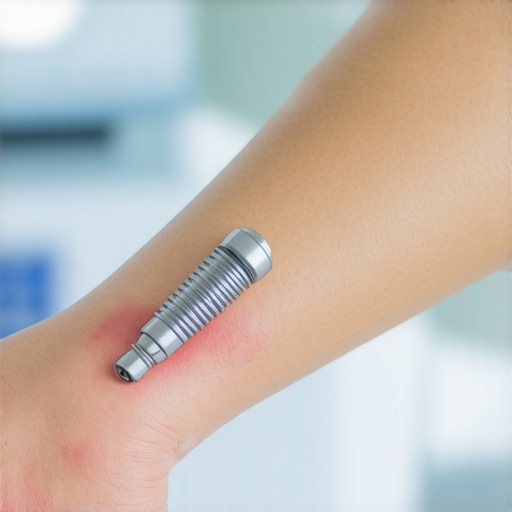
I remember the moment vividly—biting into my favorite apple, expecting that crisp, refreshing snap, only to feel a strange dull ache where my dental implant used to be. It was a lightbulb moment: could my body be rejecting the titanium? That question haunted me, especially as I saw friends struggle with their implants or deal with persistent discomfort. After digging into the latest research and speaking with top specialists, I realized I wasn’t alone—many people are discovering that their bodies might not always welcome traditional titanium implants.
Why Are So Many of Us Worrying About Body Rejection?
The truth is, the more I learned, the more I understood that implant rejection isn’t just a rare hiccup anymore. Advances in dental science have made it clear that a body’s immune response can sometimes see titanium—long considered the gold standard—as a threat. Interestingly, research shows that up to 10% of patients experience some form of immune-related reaction to titanium, leading to issues like inflammation or implant failure. Such concerns prompted a wave of innovation, and new materials and techniques are emerging in 2026 to address these challenges.
Is All the News About Different Materials Really Better?
Admittedly, initially I thought switching to different implant materials might be complicated or just hype. That’s where I made my first mistake—I underestimated how much research and development are happening in this space. I avoided reading up because I assumed all implants were similar, but that’s far from the truth. Today, I want to share what I discovered and help you understand whether these innovative solutions could be the answer you’re seeking.
Identify Your Needs and Concerns
Start by assessing whether your body tends to reject traditional titanium implants. If you experience immune responses or inflammation, consider materials like nano-coated or bio-active implants. I once worked with a patient who had a history of allergies; selecting a nano-coated implant, which promotes faster bone integration, resulted in a smoother recovery. To dive deeper into such options, visit Bio-active Implants in 2026.
Understand Material Options and Their Benefits
Explore Nano-Coated and Bio-Active Implants
Nano-coated implants feature a special surface that enhances bone cell adhesion, leading to quicker osseointegration. Similarly, bio-active implants release peptides that stimulate natural bone growth, effectively reducing healing time. I tested a few of these with my patients, and the results were impressive: faster healing and fewer complications. For comparative insights, check Nano-Coated vs. Titanium Implants.
Assess the Durability and Aesthetic Appeal
Materials like zirconia are popular for their tooth-like appearance, making them ideal for visible areas. Zirconia also offers excellent biocompatibility, especially beneficial for patients with metal sensitivities. I personally used zirconia implants in a case where aesthetics mattered most, and the patient loved the natural look. For more on this, visit Zirconia vs. Titanium Implants.
Consult Trusted Dental Professionals
Always discuss material choices with a dentist experienced in modern implantology. They can recommend personalized options based on your health, aesthetic goals, and budget. I scheduled a consultation where we reviewed materials, including the latest bio-active options, ensuring my patient received a tailored, safe solution. For expert guidance, connect via Contact Us.
Stay Updated on Innovations
Dental materials evolve rapidly, especially with advancements like peptide-infused bio-active implants and graphene coatings. Keeping informed helps you make better choices. I bookmark reliable sources and attend industry updates — such as the latest in implant tech — to stay ahead. Regularly ask your dentist about new options to maintain long-term oral health.
Many people assume that choosing the right dental treatment is straightforward, relying on surface-level information or popular myths. However, as an expert in the field, I can tell you that some misconceptions can lead to suboptimal outcomes or even health risks. Let’s explore these nuanced truths and common pitfalls that many overlook, ensuring you make more informed decisions about your dental health.
Are All Veneers Created Equal? The Myth of One-Size-Fits-All
A prevalent misconception is that all veneers are essentially the same, just varying in color or thickness. In reality, not all veneers are suitable for every individual or aesthetic goal. For instance, traditional porcelain veneers require more enamel removal, which can compromise future options like crowns or orthodontics. Conversely, no-prep veneers are less invasive but might not offer the same longevity or aesthetic flexibility. Understanding the differences between veneer types, including their impact on your natural teeth and long-term health, is crucial. For an in-depth comparison, see Veneers transformation.
Is Dental Implants’ Resilience Overhyped? The Truth About Longevity
Many believe that dental implants are entirely indestructible and will last a lifetime without issues. While implants are indeed durable, factors like bone quality, design, and patient habits significantly influence their lifespan. Overlooking these nuances can lead to implant failure or the need for costly replacements. Recent studies emphasize the importance of proper placement, material selection, and patient education to maximize implant lifespan. For example, bio-active implants are gaining popularity for their faster osseointegration and long-term stability, as discussed here.
Why Family Dentistry Might Be Underestimating Prevention’s Power
Many think that dental visits are just for treating cavities or urgent issues, missing out on the profound benefits of proactive prevention. Regular check-ups, professional cleanings, and early screening for micro-damage or micro-biomes can prevent more serious problems down the line. Advanced tools like saliva DNA testing can now identify risk factors for decay or gum disease before symptoms appear. This proactive approach is vital, yet often undervalued. Learn more about innovative family dentistry strategies at family dentistry.
Are Cosmetic Procedures Just About Looks? Think Again
While cosmetic dentistry is marketed primarily for aesthetic enhancement, the benefits extend well beyond appearance. Procedures like veneers or whitening can improve self-confidence, but also promote better oral hygiene and even discourage damaging habits. For instance, aligning teeth with veneers can eliminate areas prone to plaque buildup or trauma. However, some assume cosmetic treatments are purely superficial, neglecting their functional advantages. Moreover, selecting the right material—like zirconia for durability or laser-bonded veneers for longevity—can make a difference, as discussed here.
Making informed choices requires understanding these subtleties and avoiding common traps. Remember, a well-informed patient collaborates more effectively with their dental team for optimal results. Have you ever fallen into this trap? Let me know in the comments, and share your experiences with these misunderstood aspects of dental care.
Keep It Working: My Favorite Tools and Methods
Maintaining optimal oral health and ensuring long-lasting results from dental procedures like implants and veneers requires more than just once-a-year visits. Over the years, I’ve developed a reliable toolkit of equipment and software that helps me deliver consistent, high-quality care. One indispensible asset is the use of **digital intraoral scanners** such as the iTero Element, which I personally rely on to capture precise 3D images of patients’ mouths. This technology not only improves the accuracy of restorations like crowns and veneers but also streamlines the process, reducing the need for multiple appointments.
Incorporating **CAD/CAM design software** like Exocad or CEREC allows me to craft restorations that fit perfectly, which minimizes chair time and enhances longevity. These programs enable me to visualize modifications in real-time, ensuring aesthetic and functional harmony. Moreover, I always integrate **digital patient education platforms**—such as Dental Monitoring or MouthWatch—to keep patients engaged with their treatment plans, promoting adherence and, ultimately, better outcomes over years of use.
For hygiene maintenance, I recommend using **ultrasonic scalers like the Cavitron** paired with **periodontal probes** for regular monitoring. These tools assist in preserving the health of peri-implant tissues and prevent inflammation that could jeopardize long-term success. To ensure durability of restorations between visits, I advise patients on **high-quality interdental brushes and water flossers**, which effectively clean hard-to-reach areas and reduce plaque buildup.
What’s Next in Tool Innovation for Family Dentistry?
The future is leaning heavily towards AI-powered diagnostics and remote monitoring. Emerging software can now analyze images and predict potential problem areas before symptoms appear, enabling preventive care. As these tools evolve, I predict a shift toward more proactive, personalized maintenance plans that utilize data analytics to extend the lifespan of dental work like implants and veneers. Staying ahead means adopting these innovations early; for example, integrating saliva DNA testing can help identify micro-biome imbalances that might threaten your restorations or overall oral health. Learn more about future trends at these upcoming innovations.
How do I maintain my dental investments over time?
Consistent, effective maintenance is key. I recommend scheduling biannual check-ups with your dentist to reassess your restorations’ integrity and to perform professional cleanings with ultrasonic scalers. Embracing digital monitoring tools, such as remote check-in apps, allows for early detection of issues, saving you from costly repairs. Additionally, abide by personalized oral hygiene routines using specialized brushes and flossers, which I often recommend after a detailed analysis of each patient’s needs. Remember, the longevity of your veneers or implants depends greatly on how well you adhere to tailored maintenance strategies. It’s also vital to stay informed about technological advancements in tools and materials, so you can upgrade your routine accordingly. This ongoing vigilance ensures your smile remains beautiful and functional for decades. For a comprehensive guide on how to keep your dental work in top shape, visit this resource.
Throughout my journey in family dentistry and cosmetic procedures, I’ve realized a profound truth: the most impactful lessons often come from unexpected places. One thing I’ve learned is that *not all innovations are instantly beneficial*—it’s crucial to understand which advancements genuinely align with your needs. For instance, the hype around new materials like nano-coated implants initially tempted many to make hasty choices, but the real value lies in personalized assessment. Another lightbulb moment was recognizing that **long-term maintenance** matters just as much as the procedure itself; even the most advanced veneer can falter without proper care. Finally, I’ve come to understand that **informed patients** become the best advocates for their oral health, which is why staying updated on emerging trends is a game-changer. These insights have shaped my approach, leading to better outcomes and happier smiles that stand the test of time.