Picture this. It is 7:14 PM on a crisp Saturday evening. You are sitting on the sofa, minding your own business, enjoying a bowl of artisanal, slightly-too-hard popcorn. Suddenly, there is a distinct, sickening clink against your glass. You freeze. Your tongue darts to the front of your mouth, only to find a jagged, empty canyon where your smooth central incisor used to be. Panic instantly washes over you. Your favorite dentist is closed until Monday morning, and you have a massive presentation at work first thing next week. I know exactly how that sudden wave of dread feels because I made the ultimate rookie mistake during my own weekend dental emergency: I panicked, scrubbed the area frantically with a harsh toothbrush, and threw the broken fragment into a dry paper towel, completely ruining any chance of my dentist bonding it back together.
Take a Deep Breath and Save the Fragment
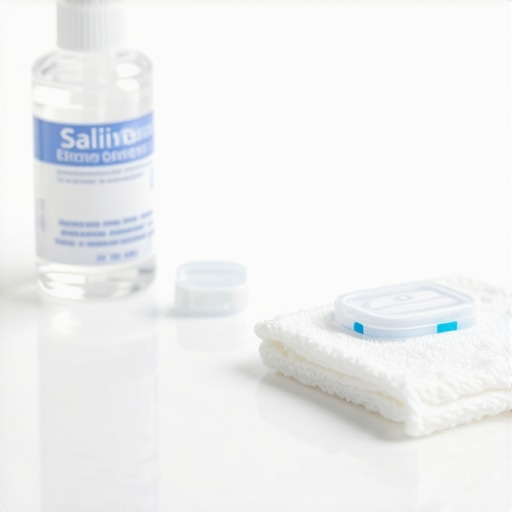
When my own tooth chipped on a weekend, I did not realize that the clock was ticking. If you manage to find the broken piece of your tooth, do not scrub it or wash it with harsh soaps. Instead, gently rinse it with a little water or saline and store it immediately in a small container of milk or even saliva to keep it alive. This is one of those crucial family dentistry tips for a lifetime of healthy smiles that everyone should memorize. While you are waiting to speak with a professional, you can protect your tongue from sharp edges by placing a small piece of dental wax or sugarless chewing gum over the rough spot. If you find yourself in intense pain, over-the-counter pain relievers can help bridge the gap until Monday.
Is a Weekend Emergency Appointment Actually Worth the Hype?
You might be wondering if you truly need to hunt down an on-call emergency dentist on a Sunday morning or if you can just wait it out. The answer depends heavily on whether you are experiencing severe pain or if the root is exposed. According to the American Association of Endodontists, dental pulp can quickly become infected if left exposed to the elements for more than 24 to 48 hours, which often leads to a root canal. If you are only dealing with a minor cosmetic chip, you can likely wait until Monday. However, if there is persistent bleeding or a dark spot visible in the center of the break, you need to seek immediate emergency care. For long-term restoration, modern cosmetic dentistry secrets to boost your confidence offer incredible solutions, ranging from quick composite bonding to beautiful, permanent porcelain restorations. Have you ever had a tooth break at the absolute worst possible moment? Let me know in the comments below! Next, we will dive into the exact step-by-step process of how to safely manage the pain and assess your treatment options, whether you end up choosing simple dental bonding, custom porcelain crowns, or starting a journey toward a brand new look with premium veneers.
Actionable Steps to Take in the First Sixty Minutes
When a dental emergency strikes, time behaves like a thief. You do not have the luxury of sitting around and debating your options. You must act with the precision of a surgeon. First, immediately clean the affected area by gently rinsing your mouth with warm salt water. This simple step clears out loose debris and acts as a natural disinfectant. If you are dealing with a knocked-out tooth, you must understand the best way to store a tooth that has been knocked out to keep the root cells viable. During my own emergency, I made the mistake of leaving the tooth dry on the counter for twenty minutes while searching for a container. By the time I arrived at the clinic, the delicate fibers on the root had dried out, making re-implantation impossible. Do not let that happen to you. Keep the tooth moist in a glass of milk or tucked safely inside your cheek, saturated in your own saliva.
Control Bleeding and Manage the Throbbing Pain
If you are bleeding, apply firm, continuous pressure to the wound using a clean piece of damp gauze or a moistened black tea bag. The natural tannins in black tea act as a vasoconstrictor, helping to shrink blood vessels and stop the bleeding much faster than cotton alone. Once the bleeding subsides, address the pain. Do not place an aspirin directly against your gums, as this will cause a chemical burn on your delicate oral tissues. Instead, swallow an over-the-counter anti-inflammatory medication like ibuprofen to keep the swelling down. If you have recently had major work done, such as a bridge, you might also need to learn how to handle a loose dental bridge at home until your appointment to prevent further structural damage to your underlying teeth.
How to Evaluate Your Long-Term Reconstruction Options
Once you survive the weekend and stabilize the initial trauma, your focus must shift from basic survival to high-quality reconstruction. Think of your tooth like a historic brick building that has suffered structural damage; you do not just want a quick patch, you want to restore its architectural integrity. Depending on the severity of the fracture, you have three primary paths forward: bonding, crowns, or implants. For minor to moderate breaks, composite bonding acts as a fast-curing dental putty that mimics your natural enamel. However, if the break extends deep into the tooth, you will face a classic decision between veneers vs crowns choosing the best option for your smile to rebuild the chewing surface safely.
When a Complete Replacement is the Only Safe Option
If the crack extends below your gumline, the tooth cannot be saved by traditional bonding or crowns. In this scenario, extracting the damaged root and replacing it is the healthiest option for your entire mouth. Fortunately, modern advancements have completely revolutionized this process. If you want a solution that fuses directly to your jawbone and prevents bone loss over time, explore the incredible benefits of the future of dental implants cutting edge techniques in cosmetic dentistry. Unlike older prosthetics, today’s implants offer unparalleled strength, allowing you to eat, speak, and smile without ever worrying about a loose fit or a hollow, fake appearance.
When it comes to high-end dental reconstruction, most of the information floating around is wrapped in glossy, unrealistic marketing. The common industry narrative is that you can simply walk into a clinic, pay your money, and walk out with a permanent, maintenance-free set of Hollywood teeth. But as someone who has navigated the stressful realities of restorative care, I can tell you that this is a major oversimplification. In my experience, treating cosmetic and restorative procedures like a “one-and-done” purchase is the quickest way to end up back in the dental chair with a failing restoration and a lighter wallet. Let’s dig deeper into the actual physics of dental work and the hidden nuances that rarely make it into the glossy brochures.
The Great Lifetime Durability Myth
Everyone says that modern porcelain restorations last forever, but the reality is far more complex. While the materials themselves—like medical-grade zirconia or lithium disilicate—are incredibly tough, the bond holding them to your natural tooth structure is subject to constant biological stress. In fact, a study published in the Journal of Dentistry highlights that the long-term success of dental bonding depends heavily on the health of the surrounding gum tissue and the patient’s daily habits, rather than just the strength of the ceramic material. If you clench your teeth at night or have a slightly uneven bite, you are constantly micro-flexing those expensive restorations. This mechanical stress can cause tiny micro-fractures in the dental cement, eventually letting bacteria seep underneath.
Why Do Your Brand New Veneers Feel So Strange in the Morning?
If you have ever woken up with a tight, aching sensation in your jaw after getting cosmetic work, you are not alone. Many patients are surprised to learn why your veneers feel tight when you wake up in the morning, often blaming the dentist for a poor fit. In reality, this tightness is usually caused by nocturnal bruxism—subconscious grinding that places immense lateral pressure on your new teeth. When you undergo a major cosmetic upgrade, your brain’s proprioceptors (the sensors that tell your brain where your teeth are) have to recalibrate to the new tooth shapes. If you don’t wear a custom nightguard to protect this investment, you run a massive risk of debonding the porcelain or chipping the edges of your brand-new smile.
The Trap of Over-preparing Natural Teeth
The biggest “oops” factor in modern cosmetic dentistry is the aggressive removal of healthy tooth enamel. Some practitioners still practice older, highly invasive techniques that grind healthy teeth down into tiny pegs to place crowns. This is an irreversible trap. Once your enamel is gone, it is gone forever, and you are locked into a lifetime of replacing those crowns every ten to fifteen years. This is why understanding the delicate differences in veneers vs crowns which is right for your smile is so critical. Whenever possible, you should advocate for conservative, minimally invasive preparations that preserve your natural enamel. Enamel is the strongest substance in the human body, and protecting it is the single best thing you can do for the longevity of your mouth.
The same caution applies to tooth replacements. While exploring the future of dental implants cutting edge techniques in cosmetic dentistry is incredibly exciting, implants are not self-cleaning marvels. They require even more meticulous flossing and hygiene than natural teeth to prevent peri-implantitis, a form of gum disease that can cause the implant to fail entirely. Have you ever fallen into this trap of assuming dental work is indestructible? Let me know in the comments below, and let’s keep the conversation going so we can all make smarter decisions for our oral health!
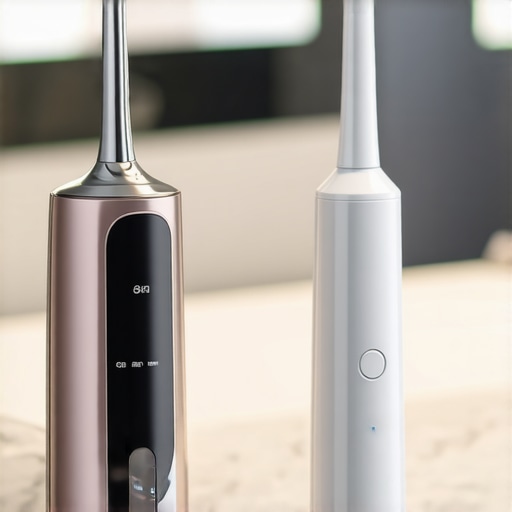
When you invest in high-end restorative dentistry, your daily routine has to evolve beyond cheap store-bought plastic toothbrushes and generic paste. The actual maintenance of premium restorations is where most people fail, assuming their new porcelain can survive the same neglect that ruined their natural enamel. To protect these complex dental structures, I personally transitioned to using an ultra-sonic brush operating at exactly 42,000 vibrations per minute coupled with a non-abrasive, low-RDA (Relative Dentin Abrasivity) gel. High-abrasion whitening toothpastes act like liquid sandpaper, micro-scratching the polished glaze of your porcelain and making it highly susceptible to future staining. If you want to keep your smile looking pristine, you must treat the margins where the porcelain meets your gumline with absolute reverence.
How do I maintain custom dental restorations over time?
To preserve the pristine structural integrity of your restoration, you must clean beneath the gumline without causing mechanical wear. Standard dental floss often shreds or snags when forced around tight prosthetic margins. To combat this, I highly recommend adopting the trick to flossing around a bulky dental bridge or implant using specialized stiff-ended threaders or specialized spongy floss. Additionally, you should integrate an oral irrigator on a medium-pressure setting. This tool flushes out microscopic food particles from the tight gingival sulcus that manual brushing simply cannot reach, preventing localized inflammation from turning into bone loss. This meticulous regimen is essential whether you are caring for advanced crowns or maintaining a delicate veneers transformation unlocking your best smile yet.
The Future of Smart Oral Longevity
As we look toward the future of restorative care, the technology keeping our smiles intact is becoming incredibly sophisticated. I predict that within the next five years, we will see the widespread integration of smart, bio-interactive nightguards embedded with micro-sensors. These future devices will actively track nocturnal bruxism forces in real-time, syncing directly to an app on your smartphone to warn you when clenching levels are high enough to threaten your physical restorations. Furthermore, researchers at the International Association for Dental Research are already developing bioactive smart cements that slowly release calcium and phosphate ions over time. This breakthrough will actively remineralize microscopic gaps at the restoration margins, virtually eliminating the risk of secondary decay under your dental work.
For those managing complex modern replacements, keeping a close eye on structural stability is paramount. If you ever feel the slightest movement, you should immediately read about why your dental implant crown feels like it is wiggling to diagnose whether it is a simple loose screw or a deeper structural issue. My advice? Start today by upgrading your daily toolkit. Swap out your abrasive toothpaste for a low-RDA alternative and commit to using a specialized threader or oral irrigator tonight to safeguard your beautiful investment.
When you undergo a major dental reconstruction, you are doing more than just fixing a broken tooth; you are investing in your self-esteem, your systemic health, and your daily confidence. However, keeping that investment intact requires transitioning from emergency survival mode to long-term proactive stewardship.
The Critical Lessons I Learned the Hard Way After My Dental Crisis
Reflecting on my own journey through sudden dental trauma and the subsequent reconstruction process, several key realizations changed how I approach my oral health forever:
- Your natural tooth structure is finite. Once a dentist drills away your healthy enamel, you cannot get it back. Always opt for the most conservative preparation possible to preserve the natural foundation.
- Restorations require active protection. Thinking that porcelain is indestructible is a major mistake. If you grind your teeth at night, you must wear a custom nightguard to prevent micro-fracturing your expensive new crown or veneer.
- Daily maintenance must be non-abrasive. High-abrasion whitening toothpastes can ruin the delicate glaze on your prosthetic work, making it look dull and collect stains faster.
The Custom Maintenance Gear I Personally Rely On
To preserve my restored smile, I completely overhauled my daily oral hygiene routine. These are the specific, high-performance tools I recommend to protect your physical investment:
- Ultra-Sonic Toothbrush: A high-quality electric brush operating with gentle sonic vibrations cleans thoroughly along the restoration margins without aggressive mechanical scrubbing.
- Low-RDA Gel: Using a highly-rated, low-abrasivity toothpaste protects the polished surface of your porcelain from micro-scratching.
- Specialized Spongy Floss: Standard floss can easily shred or snag against tight prosthetic margins. Utilizing a spongy option, or learning the trick to flossing around a bulky dental bridge or implant, protects the delicate gums surrounding your dental work.
- Targeted Oral Irrigator: Using a water flosser on a medium-pressure setting flushes away microscopic debris from areas your manual brush cannot reach.
Step Confidently into Your Smile Transformation
Do not let the fear of maintaining your dental work hold you back from achieving the look you deserve. Modern procedures, from a subtle veneers transformation unlocking your best smile yet to advanced permanent replacements, are designed to seamlessly integrate with your lifestyle. By treating your mouth with the proper care and making informed decisions alongside your dental professional, you can enjoy a radiant, functional, and deeply satisfying smile for decades to come.
Have you ever struggled with protecting your teeth from nighttime grinding after a major cosmetic procedure? Let me know your thoughts and questions in the comments below!