I remember leaning in to whisper a joke to my wife during a quiet movie night a few years back, and I watched her subtly—but undeniably—wince and lean away. My heart sank. I had literally just brushed my teeth five minutes before we sat down. It wasn’t just a hint of garlic; it was that heavy, unmistakable rotten-egg smell that makes you want to crawl into a hole and never speak again. I felt like a failure despite my obsessive hygiene routine. If you have ever felt that sinking feeling when someone takes a half-step back while you are talking, you know exactly the nightmare I am describing. We often think that if we just scrub harder or buy a more expensive tube of paste, the problem will vanish. I made that exact mistake early on, brushing so aggressively that I nearly wore down my enamel, only to realize that [why your breath smells bad even after using expensive mouthwash](https://straightsmileortho.com/why-your-breath-smells-bad-even-after-using-expensive-mouthwash) is often a sign of something much deeper than just surface-level cleanliness. Today, I am going to show you why that sulfur scent persists and how to actually reclaim your confidence.
The Frustrating Reality of Persistent Sulfur Breath
The truth is that sulfur breath isn’t usually about the food you ate for lunch. According to research published by the American Dental Association, the primary culprits are Volatile Sulfur Compounds (VSCs) produced by anaerobic bacteria hiding in the oxygen-deprived corners of your mouth. These little guys thrive in the back of your throat, under the gumline, and deep in the grooves of your tongue. I used to focus entirely on my teeth, but I was completely ignoring the real breeding grounds. It was a total lightbulb moment for me when I realized that even if my teeth were sparkling, my tongue was a carpet for bacteria. If you are struggling with this, you might also want to look at how to [get rid of the white film on your tongue naturally](https://straightsmileortho.com/how-to-get-rid-of-the-white-film-on-your-tongue-naturally) because that film is essentially a sulfur factory. When these bacteria break down proteins, they release gases like hydrogen sulfide, which—you guessed it—smells exactly like rotten eggs. It is a biological process that your standard toothbrushing routine might be skipping entirely.
Is All This Extra Brushing Actually Making It Worse?
It sounds counterintuitive, but I found out the hard way that over-brushing or using harsh, alcohol-based rinses can backfire. When you dry out your mouth, you remove the saliva that is supposed to naturally wash away these stinky compounds. I spent months wondering why my mouth felt like a desert, not realizing that I was creating the perfect dry environment for sulfur-producing bacteria to throw a party. You have to check [how to tell if your gums are healthy based on their color](https://straightsmileortho.com/how-to-tell-if-your-gums-are-healthy-based-on-their-color) because inflammation can also trap these gases. Have you noticed your breath getting worse the more products you try? If so, you are likely stuck in the same cycle I was. We need to stop masking the smell and start changing the environment of the mouth itself.
Scrape Away the Source of the Stench
Imagine your tongue as a thick, shaggy rug. If you spill milk on it, you cannot just run a vacuum over the top; the liquid seeps into the fibers. That is exactly what happens with bacteria and proteins in your mouth. I used to think my toothbrush was enough, but a brush really just moves the bacteria around without lifting them off. When I finally started using a dedicated stainless steel tongue scraper, I was horrified—and then relieved—at the amount of debris I removed. It was a visual confirmation of why my breath had been so bad for so long.
Treat Your Tongue Like a Deep-Pile Carpet
To do this correctly, you need to reach much further back than you think. Start at the very back of the tongue where the surface looks bumpier. Use firm but gentle pressure and pull the scraper forward. You are looking for a clear surface, not a white or yellowish coating. If you see that coating, you are looking at a colony of sulfur producers. If you are struggling with a sensitive reflex while doing this, you should learn the best way to brush your teeth if you have a sensitive gag reflex so you do not skip the back of the mouth where most VSCs live. Doing this twice a day changed my morning breath from a biohazard to something actually manageable. 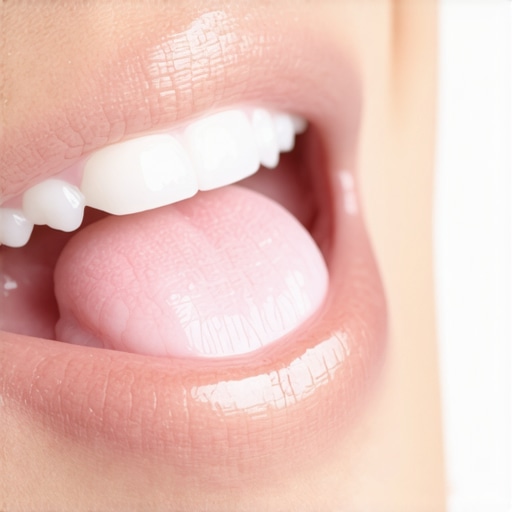
Flood the Desert to Kill the VSCs
Saliva is your mouth’s natural detergent; it is packed with enzymes and minerals that break down sulfur compounds on contact. You can drink a gallon of water, but if your mouth still feels like it is coated in glue, you are likely dealing with a lack of high-quality saliva. If you have wondered why your mouth feels sticky even after drinking plenty of water, you might need to look at mouthwashes that actually promote salivary flow rather than just drying it out with alcohol. I swapped my burning, alcohol-heavy rinse for a pH-neutral, oxygenating wash, and the ‘sticky’ feeling vanished within forty-eight hours.
Stop Your Oral Appliances from Harboring Smells
If you wear any hardware, like a retainer or a night guard, you are basically giving bacteria a portable home. I used to pop my night guard in every evening without a second thought, but then I started noticing that even my morning breath felt sharper. It turns out that porous plastic absorbs those sulfur compounds just like your tongue does. You have to learn how to remove the smell from your plastic night guard at home or you are just re-infecting your mouth every single night. I eventually realized that even the best way to clean your retainers so they dont smell involves more than just a quick rinse under the tap.
Check for Hidden Bacteria Traps
Sometimes, the sulfur is trapped behind aging dental work. Old crowns or loose bridges can create micro-pockets where food particles rot out of reach of your brush. I have talked to many people who found incredible relief by exploring cosmetic dentistry secrets to boost your confidence which often involves replacing those bacteria-trapping relics with modern, flush-fitting alternatives. If your gum line looks dark or if you feel a weird pressure around an old restoration, that is your signal to check the seal. Ensuring your dental work is airtight prevents the anaerobic environment that sulfur-producing bacteria love.I remember leaning in to whisper a joke to my wife during a quiet movie night a few years back, and I watched her subtly—but undeniably—wince and lean away. My heart sank. I had literally just brushed my teeth five minutes before we sat down. It wasn’t just a hint of garlic; it was that heavy, unmistakable rotten-egg smell that makes you want to crawl into a hole and never speak again. I felt like a failure despite my obsessive hygiene routine. If you have ever felt that sinking feeling when someone takes a half-step back while you are talking, you know exactly the nightmare I am describing. We often think that if we just scrub harder or buy a more expensive tube of paste, the problem will vanish. I made that exact mistake early on, brushing so aggressively that I nearly wore down my enamel, only to realize that why your breath smells bad even after using expensive mouthwash is often a sign of something much deeper than just surface-level cleanliness. Today, I am going to show you why that sulfur scent persists and how to actually reclaim your confidence.
The Frustrating Reality of Persistent Sulfur Breath
The truth is that sulfur breath isn’t usually about the food you ate for lunch. According to research published by the American Dental Association, the primary culprits are Volatile Sulfur Compounds (VSCs) produced by anaerobic bacteria hiding in the oxygen-deprived corners of your mouth. These little guys thrive in the back of your throat, under the gumline, and deep in the grooves of your tongue. I used to focus entirely on my teeth, but I was completely ignoring the real breeding grounds. It was a total lightbulb moment for me when I realized that even if my teeth were sparkling, my tongue was a carpet for bacteria. If you are struggling with this, you might also want to look at how to get rid of the white film on your tongue naturally because that film is essentially a sulfur factory. When these bacteria break down proteins, they release gases like hydrogen sulfide, which—you guessed it—smells exactly like rotten eggs. It is a biological process that your standard toothbrushing routine might be skipping entirely.
Is All This Extra Brushing Actually Making It Worse?
It sounds counterintuitive, but I found out the hard way that over-brushing or using harsh, alcohol-based rinses can backfire. When you dry out your mouth, you remove the saliva that is supposed to naturally wash away these stinky compounds. I spent months wondering why my mouth felt like a desert, not realizing that I was creating the perfect dry environment for sulfur-producing bacteria to throw a party. You have to check how to tell if your gums are healthy based on their color because inflammation can also trap these gases. Have you noticed your breath getting worse the more products you try? If so, you are likely stuck in the same cycle I was. We need to stop masking the smell and start changing the environment of the mouth itself.
Scrape Away the Source of the Stench
Imagine your tongue as a thick, shaggy rug. If you spill milk on it, you cannot just run a vacuum over the top; the liquid seeps into the fibers. That is exactly what happens with bacteria and proteins in your mouth. I used to think my toothbrush was enough, but a brush really just moves the bacteria around without lifting them off. When I finally started using a dedicated stainless steel tongue scraper, I was horrified—and then relieved—at the amount of debris I removed. It was a visual confirmation of why my breath had been so bad for so long.
Treat Your Tongue Like a Deep-Pile Carpet
To do this correctly, you need to reach much further back than you think. Start at the very back of the tongue where the surface looks bumpier. Use firm but gentle pressure and pull the scraper forward. You are looking for a clear surface, not a white or yellowish coating. If you see that coating, you are looking at a colony of sulfur producers. If you are struggling with a sensitive reflex while doing this, you should learn the best way to brush your teeth if you have a sensitive gag reflex so you do not skip the back of the mouth where most VSCs live. Doing this twice a day changed my morning breath from a biohazard to something actually manageable.
Flood the Desert to Kill the VSCs
Saliva is your mouth’s natural detergent; it is packed with enzymes and minerals that break down sulfur compounds on contact. You can drink a gallon of water, but if your mouth still feels like it is coated in glue, you are likely dealing with a lack of high-quality saliva. If you have wondered why your mouth feels sticky even after drinking plenty of water, you might need to look at mouthwashes that actually promote salivary flow rather than just drying it out with alcohol. I swapped my burning, alcohol-heavy rinse for a pH-neutral, oxygenating wash, and the ‘sticky’ feeling vanished within forty-eight hours.
Stop Your Oral Appliances from Harboring Smells
If you wear any hardware, like a retainer or a night guard, you are basically giving bacteria a portable home. I used to pop my night guard in every evening without a second thought, but then I started noticing that even my morning breath felt sharper. It turns out that porous plastic absorbs those sulfur compounds just like your tongue does. You have to learn how to remove the smell from your plastic night guard at home or you are just re-infecting your mouth every single night. I eventually realized that even the best way to clean your retainers so they dont smell involves more than just a quick rinse under the tap.
Check for Hidden Bacteria Traps
Sometimes, the sulfur is trapped behind aging dental work. Old crowns or loose bridges can create micro-pockets where food particles rot out of reach of your brush. I have talked to many people who found incredible relief by exploring cosmetic dentistry secrets to boost your confidence which often involves replacing those bacteria-trapping relics with modern, flush-fitting alternatives. If your gum line looks dark or if you feel a weird pressure around an old restoration, that is your signal to check the seal. Ensuring your dental work is airtight prevents the anaerobic environment that sulfur-producing bacteria love.
Why Your High-End Veneers Might Actually Be Trapping Odors
Many people assume that once they get a smile makeover, their breath issues will vanish. However, I’ve seen a common contrarian reality: poorly fitted cosmetic work can actually create more problems than it solves. If your dentist focuses only on the white part of the tooth and ignores the pink part of the gums, you’re headed for trouble. I often see people complain about why your new veneers feel bulky against your lips, and that bulk isn’t just uncomfortable—it is a biological shelf. This ledge traps plaque and VSCs that no amount of flossing can reach. Real cosmetic excellence means a seamless transition that allows your brush to actually sweep away the debris.
Can You Really Treat Dental Implants as ‘Set and Forget’ Hardware?
There is a dangerous myth in family dentistry tips for a lifetime of healthy smiles that implants are indestructible because they cannot decay. While it is true they are titanium, they lack the natural periodontal ligament shield of a real tooth. A study by the International Journal of Oral & Maxillofacial Implants points out that the tissue around an implant is less vascularized, meaning it is actually easier for bacteria to cause deep-seated infections like peri-implantitis if your hygiene isn’t surgical-grade. If the reason your dental implant crown feels tighter than the others is due to gum inflammation rather than fit, you might be smelling the early stages of bone loss. 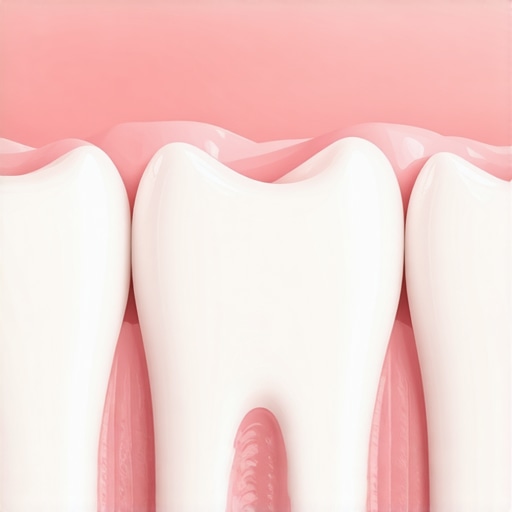
Avoid the Piano Key Trap and Save Your Gums
The Oops factor I see most often is the rush for perfection over functionality. We’ve all seen it: teeth that look like a row of perfectly identical, opaque white blocks. This is the mistake that makes porcelain veneers look like piano keys, and it often stems from over-preparing the tooth or using materials that are too thick for your specific jaw structure. This thickness irritates the biological width—the natural space the gum needs to stay healthy. When this space is invaded, the gums often turn dark or purple. If you have wondered why your gums look black or purple near an old crown, it is usually because the margin is leaking or the metal underneath is oxidizing. Understanding how dental implants reshape your oral health in 2025 means realizing that modern dentistry should be invisible, healthy, and odorless. Have you ever fallen into this trap? Let me know in the comments.Once you have invested in your appearance, the real work begins—but it is not the grueling scrubbing work you might expect. It is about precision. I remember the first time I saw a professional use Guided Biofilm Therapy (GBT). Instead of the old-school scraping that felt like someone was excavating my jaw, they used a warm, fine stream of erythritol powder. It changed my entire perspective on maintenance. You see, when you are following transform your smile with veneers expert tips for perfect results, you realize that the porcelain is tough, but the bond at the gumline is delicate. I now use a high-end water flosser every single night because it flushes out the VSCs from the biological shelf we talked about earlier without the risk of snagging a margin with traditional string.
Stop Shredding Floss and Start High-Pressure Rinsing
I used to think that the tighter the floss snapped, the better it was working. Wrong. If you have an implant, that snapping motion can actually traumatize the soft tissue seal. A landmark study in the Journal of Clinical Periodontology highlights that Glycine-based air polishing is the gold standard for maintaining the integrity of the titanium oxide layer while obliterating bacterial colonies. At home, I simulate this by using a pH-balanced antimicrobial rinse in my water flosser reservoir. This isn’t just about cleaning; it is about chemically disrupting the sulfur-producers before they can colonize. If you are worried about the mechanical side of things, make sure you know how to safely clean a dental implant without scratching the post, as even tiny micro-scratches can become hotels for future bacteria. 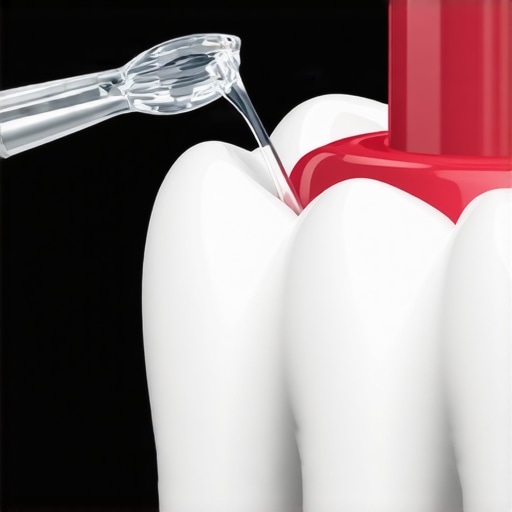
How do I maintain my dental restoration over time?
Longevity comes down to three specific habits: non-abrasive pastes, nightly irrigation, and neutralizing acidity. I ditched whitening toothpastes years ago because the silica in them acts like sandpaper on porcelain and composite. Instead, I look for hydroxyapatite-based pastes that actually help rematerialize the natural tooth structure around the restoration. I predict that in the very near future, we are going to see smart veneers and crowns. Imagine a restoration that changes color slightly or sends a notification to your phone when the surrounding pH drops into the decay zone. This shift toward dental implants 2025 innovations that redefine comfort and durability suggests we are moving away from passive hardware and toward active biological monitoring.
Restorations That Talk Back to Your Phone
We are already seeing the beginning of this with AI-integrated intraoral cameras that patients can use at home to sync with their dentist’s office. This kind of the future of dental implants cutting edge techniques in cosmetic dentistry is what will separate the people who keep their smiles for forty years from those who need a redo in five. If you want to take your oral health to the next level right now, I challenge you to swap your alcohol-based mouthwash for a concentrated molecular oxygen rinse for one week. The difference in how your mouth feels—and smells—when you wake up will be all the proof you need. It is about creating an environment where the bad guys simply cannot breathe.
Lessons My Dental Journey Taught Me the Hard Way
Looking back at my struggle with persistent bad breath, the biggest lightbulb moment was realizing that hygiene isn’t about ‘scrubbing harder,’ it’s about shifting the chemistry. I spent years attacking my enamel when I should have been nourishing my microbiome. Another hard-learned truth is that cosmetic work requires more vigilance, not less; if you are deciding between veneers vs crowns choosing the best option for your smile depends heavily on your commitment to maintenance. Lastly, I realized that the color of my tissues told a story my teeth couldn’t—you really need to know how to tell if your gums are healthy based on their color to catch sulfur-producing inflammation early.
What I Keep in My Medicine Cabinet Now
To keep my mouth from feeling like a desert, I’ve curated a specific toolkit that works. First, I never skip my stainless steel tongue scraper; it is the single most effective tool for physically removing VSC-producing colonies. Second, I rely on a high-quality water flosser. It’s the only way to effectively clean the tricky margins where how dental implants reshape your oral health in 2025 involves much tighter, more complex connections than natural teeth. Finally, I only use pH-neutral, oxygenating rinses. These don’t just kill bacteria; they change the environment so the anaerobic bugs that cause the ‘rotten egg’ smell simply cannot survive. #IMAGE_PLACEHOLDER_E#
Take Your Confidence Back One Breath at a Time
You don’t have to live in fear of a close-up conversation or a whispered joke. By understanding the biological mechanics of your mouth and leveraging cosmetic dentistry secrets to boost your confidence, you can move from masking odors to preventing them entirely. Persistent sulfur breath is a signal, not a life sentence. Start by treating your tongue and gumline with the respect they deserve, and watch how quickly your social anxiety evaporates. Have you ever noticed a sudden change in your breath after getting a new crown or veneer? Let me know your experience in the comments below!