I’ll never forget the time I spent nearly three hours in the dental chair for a complex restoration. By the time I walked out to the parking lot, I couldn’t even open my mouth wide enough to sip a latte. I felt like my jaw was stuck in a permanent, painful grimace. It’s a specific kind of exhaustion—a dull, throbbing heaviness that makes you wonder if you’ll ever chew normally again. We usually go into these appointments focusing on the results, whether it is getting [family dentistry tips for a lifetime of healthy smiles](https://straightsmileortho.com/family-dentistry-tips-for-a-lifetime-of-healthy-smiles) or a major procedure, but we often forget the physical toll on our hinges. If you’re sitting there right now with a cold compress pressed to your face, don’t worry. I’ve been in that exact spot, and today we’re going to figure out why this happens and how you can bounce back faster. [IMAGE_PLACEHOLDER]
Why Your Mouth Feels Like It Just Ran a Marathon
The reality is that your jaw isn’t designed to stay open at a wide angle for sixty or ninety minutes straight. It’s a finely tuned machine of ligaments and muscles. When I first started getting more extensive work done, I made the huge mistake of trying to be a hero. I thought that by staying as perfectly still as possible and never asking for a break, I was helping the dentist. In reality, I was just overextending my masseter muscles until they were on the verge of a full-blown spasm. My dentist later told me that staying tense like that actually makes their job harder. Have you ever noticed your jaw feeling tight even before the appointment starts? If you are someone who needs to learn [how to stop clenching your jaw during the workday](https://straightsmileortho.com/how-to-stop-clenching-your-jaw-during-the-workday), you’re already walking into that chair with a pre-fatigued joint. Add a long procedure to the mix, and you’ve got a recipe for significant discomfort. Have you ever felt like your jaw was going to lock during a routine cleaning? Let me know in the comments, because knowing you’re not alone is the first step to a more comfortable recovery.
Is my jaw actually damaged or just tired?
It’s the question that keeps us up at night after a long day at the clinic. Most of the time, it’s just lactic acid buildup and muscle strain, similar to how your legs feel after a long hike. However, it is important to know [how to tell if your jaw clicking is a sign of TMJ](https://straightsmileortho.com/how-to-tell-if-your-jaw-clicking-is-a-sign-of-tmj) rather than just a temporary ache. According to the American Academy of Orofacial Pain, prolonged mouth opening is one of the most common physical triggers for temporary TMJ flare-ups, though it rarely causes permanent structural damage. When I was deciding between [veneers vs crowns](https://straightsmileortho.com/veneers-vs-crowns-choosing-the-best-option-for-your-smile) for a restoration, I didn’t realize that the prep time for each would impact my jaw recovery differently. I’ve since learned that it’s okay to ask for a bite block to rest your teeth on, a simple trick I wish someone had told me years ago.
Switch Between Ice and Heat to Stop the Throbbing
The first 24 hours after a marathon appointment are all about inflammation control. Think of your jaw like a sprained ankle; you wouldn’t try to run on it immediately. I use a bag of frozen peas wrapped in a thin towel for 20 minutes on, then 20 minutes off. This helps numb the area and constrict blood flow to reduce swelling. After that first day, I switch to moist heat. A warm washcloth or a heating pad set to low helps increase blood circulation, which flushes out the lactic acid that built up while you were holding your mouth open. If the discomfort feels deeper or more localized, you might need to learn how to manage the intense pain of a dry socket at home tonight, especially if you’ve had an extraction. I remember one time I skipped the ice and went straight to a hot shower—my face felt twice as heavy by the time I got out. Stick to the cold-first rule to keep the initial inflammation from peaking.
Reset Your Muscles with a Targeted Massage
Once the initial sharp ache dulls, your masseter muscles—the ones that do the heavy lifting for chewing—need to be manually released. You can find these by clenching your teeth and feeling for the hard lump near your jaw joint. Use your knuckles or two fingers to apply firm, circular pressure to these spots. I usually do this for three minutes while watching TV. It feels slightly tender at first, but the relief is almost immediate. If you find that why your jaw pops only on the left side when you chew becomes a recurring issue after your massage, it’s a sign that one side is carrying more tension than the other. I once over-massaged my left side after a long cleaning and ended up with a temporary lopsided ache because I was being too aggressive. The key is gentle, consistent pressure, not trying to force the muscle to submit in one go. 
Why Your New Bite Might Feel Off for a Few Days
It’s incredibly common to leave the office feeling like your teeth don’t fit together anymore. This is often just the muscle fatigue talking, but if you’ve had cosmetic work, there’s an adjustment period. For example, knowing why your porcelain veneers might feel bulky at first can save you a lot of anxiety; your brain needs time to map the new shape of your teeth. The same applies to orthodontics; many patients look for ways how to manage gum pain after getting your braces tightened because the entire structure of the mouth is under new pressure. If you have a removable appliance, you should also check how to treat a sore spot caused by your new dentures if the plastic is rubbing against those tired tissues. During my last restoration, my bite felt totally ‘wrong’ for 48 hours. I was convinced the crown was too high, but once the muscle swelling subsided, everything clicked into place perfectly. Avoid the urge to grind or ‘test’ your bite constantly, as this only reinjures the joint. Stick to soft foods like yogurt, mashed potatoes, or protein shakes to give your hinges a full day of rest.One of the biggest myths I see is the idea that “perfect” means “as white as possible.” Many patients walk into a clinic asking for the brightest shade available, but that is often [the mistake that makes your teeth look too white and fake](https://straightsmileortho.com/the-mistake-that-makes-your-teeth-look-too-white-and-fake). Real expertise in [cosmetic dentistry secrets to boost your confidence](https://straightsmileortho.com/cosmetic-dentistry-secrets-to-boost-your-confidence) involves matching the translucency and shade to your natural skin tone. If you go too bright, you lose the depth and life of the tooth, which is [why your porcelain veneers look opaque and not natural](https://straightsmileortho.com/why-your-porcelain-veneers-look-opaque-and-not-natural). I have seen people regret their “Hollywood” smile because it ended up looking like a flat, white strip in photos. Have you ever fallen into this trap? Let me know in the comments.
How to know if you are a candidate for immediate load implants?
While the marketing for “teeth in a day” is enticing, the hidden nuance is initial bone stability. A study published in the International Journal of Implant Dentistry highlights that primary stability—the mechanical lock between the bone and the implant—is the most critical factor for immediate loading success. If your jawbone is naturally thin or compromised, you cannot skip the foundational work. This is [the reason your dental implant surgery requires a bone graft](https://straightsmileortho.com/the-reason-your-dental-implant-surgery-requires-a-bone-graft) even if you are in a hurry for results. You must understand [the truth about getting dental implants if you have existing bone loss](https://straightsmileortho.com/the-truth-about-getting-dental-implants-if-you-have-existing-bone-loss) before signing up for a fast-tracked procedure. 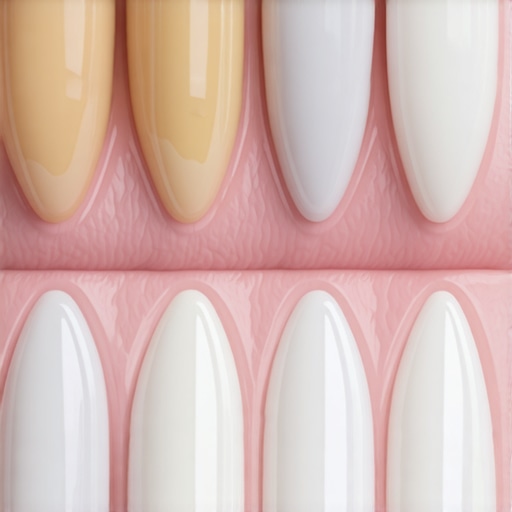
Don’t let your gums ruin a beautiful restoration
Another sophisticated trap is focusing entirely on the “screen” (the teeth) while ignoring the “frame” (the gums). If you have underlying recession or inflammation, even the most expensive veneers will look out of place or fail prematurely. It is vital to address [why your gums are receding only on your bottom teeth](https://straightsmileortho.com/why-your-gums-are-receding-only-on-your-bottom-teeth) before layering porcelain over the problem. I have encountered situations where patients get incredible restorations, only to find [the reason your gums are swollen around a new crown](https://straightsmileortho.com/the-reason-your-gums-are-swollen-around-a-new-crown) is a sign of poor periodontal health that should have been treated first. Always ensure your dentist prioritizes your gum health as much as the aesthetics. If you want to discuss a comprehensive plan that covers both health and beauty, you can [contact us](https://straightsmileortho.com/contact-us) to get started.
Invest in the Right Tools or Watch Your Investment Fail
Once you’ve achieved that perfect look, the real work starts. I learned the hard way that you can’t treat a high-end smile with a generic drugstore toothbrush. I personally use an ultrasonic brush with a pressure sensor—specifically, I look for a model that vibrates at 31,000 strokes per minute—to ensure I am not scrubbing away at the gum line. This is absolutely essential if you want to transform your smile with veneers using expert tips for perfect results. If you are too aggressive with your technique, you risk gum recession that eventually exposes the dark edge of the porcelain. I also recommend a water flosser set to a medium-low setting, specifically around 4 on most standard dials. Setting it too high can actually damage the delicate sulcus seal around a prosthetic, while setting it too low won’t effectively clear the sticky biofilm that leads to inflammation. If you use a night guard to protect your teeth from grinding, you must know how to clean your night guard without damaging the material. I use non-abrasive soaking crystals because regular toothpaste can scratch the acrylic, creating microscopic pores where bacteria thrive. Speaking of bacteria, the Journal of Oral Implantology notes that peri-implantitis is often the direct result of improper mechanical cleaning at the prosthetic-tissue interface. It is not just about brushing anymore; it is about precision. 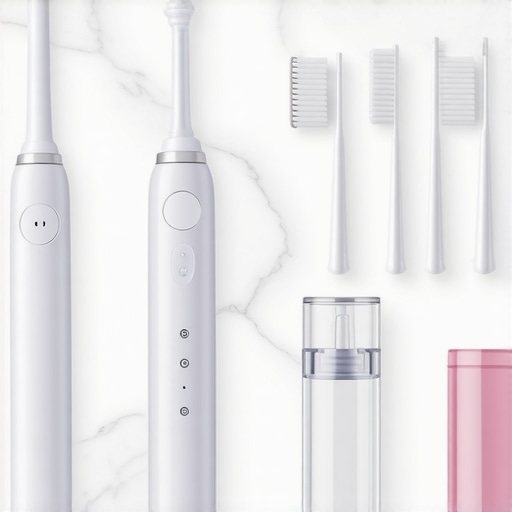
How do I maintain my dental restorations over the long haul?
The answer lies in professional maintenance that matches the quality of your home care. For implants, I always ensure my hygienist uses carbon fiber or plastic scalers rather than traditional metal ones. Metal tools can scratch the titanium post, creating a permanent breeding ground for plaque that you can’t reach. You should ask your provider about dental implants 2025 innovations that redefine comfort and durability to see if newer, smoother abutment surfaces are an option for your case. If you notice any pink in the sink when you brush, you need to learn how to stop your gums from bleeding during a professional cleaning before the inflammation begins to compromise the underlying bone. Looking ahead, I predict we will see a massive industry shift toward bio-interactive materials. We are already seeing the future of dental implants and cutting-edge techniques in cosmetic dentistry moving toward surfaces that actually encourage bone cells to knit faster and more securely. The goal is no longer just a static tooth replacement, but a living, integrated part of your jaw. Even with these futuristic advances, the truth about the lifespan of a dental implant remains the same: it only lasts as long as the bone and gum tissue supporting it. My advanced tip for you today is to buy a pack of interproximal brushes—those tiny, tapered brushes that look like miniature Christmas trees. Dip one in a non-alcohol antiseptic and ‘sweep’ under your bridges and around implant collars once a week. It reaches areas where traditional floss simply cannot. Try this for seven days straight and watch your gum inflammation completely disappear!
Hard Lessons from My Own Dental Reconstruction Journey
Through my own experiences with extensive dental work, I have realized that the most important part of the process happens after the anesthesia wears off. One massive realization was that I should never judge the final aesthetic result in the first 48 hours; inflammation is a master of disguise. I once panicked because I thought my midline was off, but it was simply a localized swell from the injection. It is also helpful to realize that the reason your smile looks lopsided in your recent photos immediately following a procedure is almost always temporary muscle fatigue and not a permanent structural issue. Another lightbulb moment for me was realizing that ‘soft foods’ shouldn’t just be about texture, but about temperature; extreme cold can trigger a tired nerve even if the tooth is now covered by porcelain. Finally, I learned that why your teeth look yellow despite using whitening toothpaste often has more to do with the thinning of your natural enamel underneath rather than the restoration itself. Patience and a gentle approach to your new bite will save you weeks of anxiety. [IMAGE_PLACEHOLDER]
Tools I Actually Use to Protect My Smile Investment
I have curated a specific toolkit that has kept my restorations looking brand new for years. First, I never use a standard manual brush anymore; the 31,000 vibrations of a high-quality sonic brush are necessary to keep the margins of my veneers clean without applying too much physical pressure. Second, I recommend the ‘Waterpik Aquarius’ for anyone with bridges or implants, but I keep it strictly on the fourth setting to avoid irritating the gum seal. Third, if you are curious about how dental implants reshape your oral health in 2025, stay updated on bio-interactive cleaners that specifically target the titanium-tissue interface. I also trust pH-balanced mouthwashes that contain xylitol, as they create a slippery surface that prevents plaque from sticking to ceramic surfaces. This proactive approach ensures that your high-end dental work remains a one-time investment rather than a recurring expense.
Take the First Step Toward Your Permanent Smile Transformation
Your journey to a healthier, more confident mouth doesn’t end when you leave the clinic; it is a lifestyle shift that pays dividends in self-esteem and physical comfort. Whether you are currently navigating a veneers transformation for your best smile yet or you are just starting to research your options, remember that you are in control of the healing process. Don’t be afraid to ask your provider for a customized recovery plan that fits your specific jaw needs. If you have questions about which procedure is right for your unique anatomy, you can contact us 2 to speak with a specialist who can guide you through the latest restorative options. Have you ever experienced that weird ‘off’ feeling with your bite right after a dental appointment? Let me know in the comments below!