I remember sitting at my kitchen table three years ago, staring at a plate of mild chicken curry like it was a bowl of molten lava. It wasn’t the heat of the spices; it was the fact that for weeks, every single meal felt like I was dragging a lit match across my tongue. I panicked, thinking I’d developed some mysterious allergy or, worse, that my taste buds were dying. I even made the rookie mistake of scrubbing my tongue with a stiff toothbrush, thinking I just needed to ‘clean’ the sensation away. Instead, I woke up the next morning feeling like I’d swallowed a sunbeam. If you are currently dealing with that prickling, searing, or metallic sensation that just won’t quit after you put your fork down, I want you to take a deep breath. You aren’t going crazy, and you definitely aren’t alone. Today, I am going to walk you through exactly why this is happening and how we can finally put out the fire.
That Persistent Sizzle Is More Common Than You Think
It is incredibly frustrating when you can’t enjoy a simple meal without feeling like your mouth is a disaster zone. When I first started researching this, I realized I was ignoring some major red flags. Often, this ‘burning’ is actually a condition called Burning Mouth Syndrome (BMS), or it could be a reaction to specific ingredients that have nothing to do with spice. For instance, I found out the hard way that my favorite whitening strips were actually stripping my enamel and irritating my nerves. If you’ve noticed your teeth are sensitive too, you might want to check the truth about whitening strips and sensitive enamel to see if that is your hidden culprit. Sometimes, the burn is a signal from your body that your oral environment is out of whack. Have you ever finished a meal only to find that your mouth feels parched or even like you have a strange salty taste lingering? These are all pieces of the same puzzle.
Is This Burning Sensation Actually Worth the Worry?
Many of my neighbors and friends ask me if they should just ‘tough it out.’ My answer? Absolutely not. While it might just be a temporary reaction to acidic foods, it can also stem from nutritional deficiencies or even nerve damage. According to the Mayo Clinic, Burning Mouth Syndrome can often be linked to a lack of B vitamins or zinc, which are essential for nerve health. I wasted months trying to ignore the pain when a simple change in my routine could have fixed it. If you also notice a white spot on your tongue that won’t go away, or if you feel a strange dryness when you wake up, it’s time to stop guessing. Have you ever had a meal that felt like it was literally attacking your mouth? Let me know in the comments, because identifying the ‘trigger’ meal is usually the first step to a cure.
Identify Your Personal Trigger List
The first thing you have to do is play detective. It is not just about avoiding the obvious spices; it is about tracking the invisible irritants. I remember one Tuesday I had a simple salad with a heavy balsamic vinaigrette and my mouth felt like it was on fire for hours. It turns out the acidity was the culprit. If you have ever wondered about the reason your teeth hurt when you eat citrus fruits, you know that acid is a major player in oral discomfort. Start a log for one week. Note what you eat, the level of burn, and how long it lasts. Often, why your tongue feels like its burning after eating spicy food is obvious, but the slow burn from a mid-day coffee or a late-night glass of wine can be the real secret enemy.
Rethink Your Daily Oral Routine
Think of Sodium Lauryl Sulfate (SLS) like a harsh dish soap for your mouth. It is the ingredient that makes toothpaste foam up, but for people with sensitive oral tissues, it is like pouring gasoline on a campfire. When I made the switch to a non-foaming, SLS-free paste, my daily stinging sensation dropped significantly within three days. This is a core part of family dentistry tips for a lifetime of healthy smiles—minimizing unnecessary irritants. If your current routine includes harsh chemicals or you have discovered why your teeth feel sensitive after using whitening strips, you might be accidentally prolonging your own misery. 
Fix the Structural Issues That Cause Irritation
Sometimes the burn isn’t a chemical reaction; it is mechanical. A rough edge on a tooth or an old filling can constantly scrape your tongue, leading to a localized burning sensation that spreads. I once had a patient who was convinced they had a chronic disease, but the issue was simply a jagged molar edge. In these cases, cosmetic dentistry secrets to boost your confidence aren’t just about the mirror; they are about physical comfort. Whether it’s smoothing a chip or considering veneers vs crowns choosing the best option for your smile to protect sensitive areas, your structural integrity matters. If you have found a reason your porcelain veneer feels rough to your tongue, that constant friction is a direct path to chronic burning.
Hydrate Your Mouth Like a Desert Oasis
Saliva is your mouth’s natural fire extinguisher. It buffers acids and coats your nerves with a protective layer. If you suffer from dry mouth, those nerves are exposed like raw electrical wires. Check if you have why your mouth feels sticky and dry when you wake up. I carried a water bottle with me everywhere for a month, and the difference in my tongue’s sensitivity was night and day. Use a xylitol-based mouth spray to keep the moisture high. It is a simple fix that people often overlook because it seems too easy.
Address Nerve Sensitivity at the Source
If you have been aggressive with whitening or have natural wear, you have likely thinned your enamel. We previously discussed the truth about whitening strips and sensitive enamel, but the execution of the fix involves desensitizing agents. Think of your enamel like the insulation on a house; once it is thin, the outside temperature gets inside much faster. Using a professional-grade potassium nitrate gel can help plug the microscopic holes in your teeth. This reduces the overall noise your oral nerves are sending to your brain, allowing the burning sensation to finally subside. For those with missing teeth, understanding how dental implants reshape your oral health in 2025 can also prevent the shifting that leads to new, irritating bite patterns.While we’ve covered the surface level of why your mouth might feel like a furnace, let’s look at the sophisticated mistakes I see even my most health-conscious patients make. Most people assume that once they invest in restorative work, the ‘problem’ is solved forever. This is a dangerous myth. In fact, many of the burning sensations I treat are a result of what I call the ‘maintenance gap.’ Let’s dig deeper into the nuances that separate a temporary fix from a lifetime of comfort.
Stop Chasing the Hollywood White
One of the most common mistakes in cosmetic dentistry secrets to boost your confidence is the obsession with a shade of white that doesn’t exist in nature. When patients push for overly aggressive bleaching or opaque restorations, they often end up with the mistake that makes your teeth look too white and fake. Beyond the aesthetics, the chemical process of reaching those ‘toilet-bowl white’ shades can permanently alter the permeability of your enamel, leading to chronic, low-level nerve irritation. If your goal is a transformation, prioritize translucency. When veneers lack that natural light-play, you might find why your porcelain veneers look opaque and not natural is actually the least of your worries; the lack of proper fit at the margin can trap bacteria and cause localized gum burning.
The Silent Risk of the ‘Set and Forget’ Mentality
Everyone says dental implants are the ultimate solution for missing teeth, but in my experience, the ‘set and forget’ mentality is where the trouble begins. A study published in the Journal of Periodontology notes that while titanium doesn’t decay, the surrounding bone and soft tissue remain highly susceptible to inflammatory diseases like peri-implantitis if not monitored strictly. You might be surprised to learn that the truth about the lifespan of a dental implant depends entirely on how you treat the surrounding ‘living’ environment. 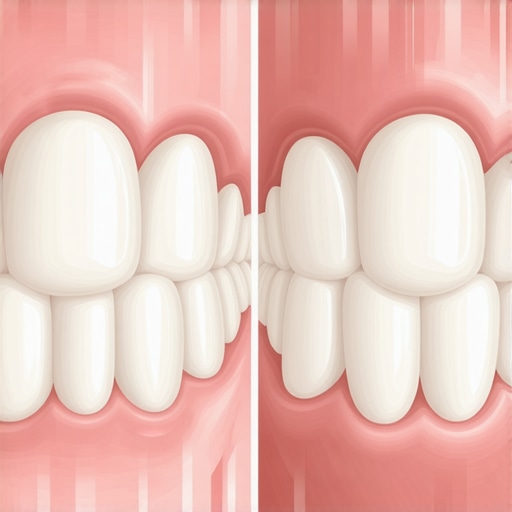
Why does my dental implant feel sensitive to heat but not cold?
This is an advanced question that often baffles patients. Since the implant doesn’t have a nerve, you shouldn’t feel anything, right? Wrong. The metal post can conduct thermal energy directly to the bone or the surrounding soft tissue. If you are experiencing this, it might indicate that the bone density around the site is thinner than ideal, or you are dealing with why your dental implant is sensitive to heat but not cold due to local inflammation. It is a subtle nuance that requires a professional scan to diagnose correctly.
The Vibration Trap You Might Be Ignoring
If you’ve noticed that why your dental implant feels like it is vibrating when you chew or talk, do not just ‘wait and see.’ This sensation is often the first warning sign of a loose abutment screw. In family dentistry tips for a lifetime of healthy smiles, we emphasize that early detection of mechanical failure prevents the catastrophic loss of the entire implant. Ignoring that tiny ‘buzz’ in your jaw can lead to the implant fracturing the very bone that supports it. Have you ever fallen into the trap of thinking a small change in your dental work was ‘just part of getting older’? Let me know in the comments. We need to stop normalizing oral discomfort and start addressing these mechanical nuances before they become surgical emergencies. If you are worried about your current restorations, contact us to get a professional evaluation before the burn becomes a blaze.
Why Your Standard Floss Might Be Failing Your Implants
If you are still wrestling with traditional string floss around your dental work, you might be doing more harm than good. I personally made the switch to a high-quality water flosser with a specialized plaque-seeking tip. Why? Because string floss can occasionally shred on the margins of restorations, and those tiny fibers can actually lead to localized inflammation. A report in the Journal of Oral Implantology highlights that water flossing is significantly more effective at managing biofilm around prosthetic posts than manual flossing. When you are looking for family dentistry tips for a lifetime of healthy smiles, upgrading your toolkit is the first step. This isn’t just about convenience; it is about the physics of fluid dynamics removing bacteria that a string simply cannot reach.
Keeping Your Smile on Track Year After Year
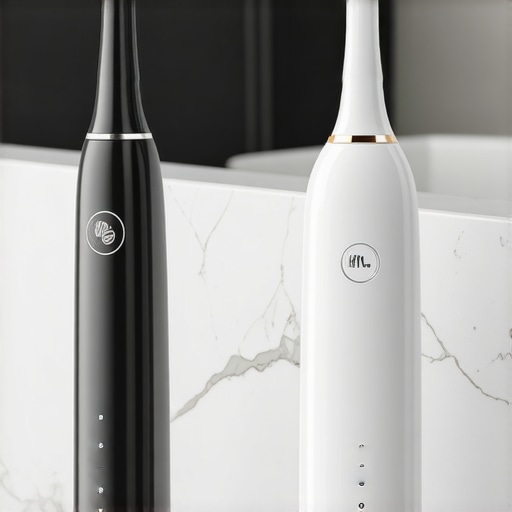
Maintenance isn’t just a biannual event; it is a daily commitment to the structural integrity of your investment. One question I hear constantly is: How do I maintain my dental work over time? The answer lies in minimizing friction. If you have veneers, you need to be cautious about abrasive toothpastes. I recommend using a low-RDA (Relative Dentin Abrasivity) paste to ensure you aren’t microscopically scratching that beautiful glaze. If you notice the reason your porcelain veneer feels rough to your tongue, it might be because of aggressive brushing with the wrong tools. For a veneers transformation unlocking your best smile yet, you must treat the porcelain with the same care as fine jewelry. This means soft-bristled electric brushes only, preferably those with a pressure sensor that stops you from pushing too hard.
Stop the Grind Before It Cracks Your Porcelain
If you wake up with a tight jaw or a dull headache, you are likely undoing all the progress we’ve made. Bruxism, or teeth grinding, is the silent killer of cosmetic dentistry secrets to boost your confidence. No matter how strong the material, constant nocturnal pressure will eventually lead to chips or delamination. I use a custom-fitted occlusal guard every single night. Not a generic version from the drugstore, which can actually shift your bite, but a laboratory-processed guard designed for my unique anatomy. Protecting the truth about the lifespan of a dental implant often comes down to this one simple habit. It absorbs the shock so your bone and porcelain don’t have to take the hit.
Looking Toward a Future of Smart Teeth
As we look forward to how dental implants reshape your oral health in 2025, I predict we will soon see smart sensors integrated into the implant abutment itself. Imagine getting a notification on your phone that says the pH levels around your implant are dipping, signaling the start of an infection before you ever feel pain. This level of proactive care will redefine longevity. For now, the most advanced thing you can do is stay consistent with your physical tools. I challenge you to try the ‘Two-Minute Rule’ with a pressure-sensing brush for the next seven days. If you find your current restorations are feeling a bit aged or you have concerns about stability, contact us today to secure the future of your smile.
What I Learned While Reclaiming My Smile from the Fire
Reflecting on my own journey through the searing frustration of oral discomfort, I have realized that the solution is rarely found in a single magic pill. Instead, it is a combination of proactive awareness and the right structural support. I spent months assuming my sensitivity was a personal failing or just ‘part of aging,’ but that is a myth we need to debunk right now. One of the biggest lightbulb moments for me was realizing that mechanical issues, like a bite that is slightly off-kilter, can manifest as a chronic burn. If you have ever wondered why your dental implant feels like it is vibrating when you chew, you are actually feeling a warning siren from your nerves. Don’t ignore those tiny signals; they are the key to preventing long-term damage.
Another lesson that hit home was the impact of the ‘chemical cocktail’ we use daily. I was trying to whiten my teeth while my mouth was actively inflamed, which is like trying to paint a house while it’s on fire. True comfort comes from stabilizing your oral environment first. Whether you are looking for cosmetic dentistry secrets to boost your confidence or simply want to eat a piece of fruit without pain, the foundation must be a calm, hydrated, and structurally sound mouth.
The Daily Arsenal for a Calmer Mouth
To move from survival mode to thriving, I recommend three specific pillars for your home care routine. First, ditch the high-abrasion pastes for a low-RDA option that protects your natural enamel and any porcelain work. Second, integrate a water flosser. As noted in the Journal of Oral Implantology, the precision of water flossing is vital for those who have invested in their smiles and want to avoid the inflammation that leads to burning. Finally, if you suspect you are a ‘night grinder,’ a custom-processed occlusal guard is non-negotiable. It is the single most effective way to protect the truth about the lifespan of a dental implant and keep your natural teeth from fracturing under pressure.
Your Smile Deserves a Life Without Discomfort
The sensation of a ‘burning mouth’ does not have to be your permanent reality. By staying curious about your triggers and being disciplined with your maintenance, you can reach a point where you forget the fire ever existed. As we look at how dental implants reshape your oral health in 2025, it is clear that the future of dentistry is focused on this intersection of technology and biological comfort. You have the tools and the knowledge to take control. Use these family dentistry tips for a lifetime of healthy smiles to build a routine that serves you. If you are ready to stop guessing and start healing, contact us today to create a personalized plan for your oral health. Have you ever felt a ‘vibration’ or a strange burn after a specific meal that you just couldn’t explain? Let me know in the comments below!