I was halfway through a second glass of water when I realized I wasn’t tasting the mineral-rich tap—I was tasting a handful of old pennies. It was humiliating. I had just brushed, flossed, and used that expensive mouthwash that promises 24-hour freshness. Yet, there it was. That sharp, tinny, metallic odor that seemed to be radiating from the back of my throat. I felt like a walking science experiment. For months, I stayed a few extra feet away from colleagues, terrified that my [family dentistry](https://straightsmileortho.com/family-dentistry-tips-for-a-lifetime-of-healthy-smiles) habits weren’t enough. I made the classic mistake of over-scrubbing my gums until they bled, thinking more friction was the answer. Spoiler alert: it wasn’t. If you are tired of the constant ‘copper mouth’ despite your best efforts, I’m here to tell you that you aren’t crazy, and it probably isn’t your toothbrush’s fault. Have you ever caught a whiff of metal while talking to a friend and wondered if they noticed too? We are going to get to the bottom of this today.
Stop Blaming Your Toothbrush for That Copper Taste
It is easy to panic when your breath starts smelling like a hardware store. You start wondering [why your breath still smells bad after brushing and flossing](https://straightsmileortho.com/why-your-breath-still-smells-bad-after-brushing-and-flossing), and you might even double down on the mints. But here is the reality: metallic breath, or parageusia, is often a chemical signal, not a hygiene failure. According to the Cleveland Clinic, a metallic taste can be a side effect of medications, sinus infections, or even early-stage gum issues that haven’t quite become visible yet. In my case, I was actually dealing with a slight vitamin imbalance and a reaction to a new supplement. I spent weeks worrying I needed [dental implants](https://straightsmileortho.com/dental-implants-2025-innovations-that-redefine-comfort-and-durability) or something drastic, when the solution was far simpler.
Is This Just a Temporary Glitch in Your System?
It’s natural to feel skeptical. You might think, ‘I drink plenty of water and my teeth are white, so why does this keep happening?’ I used to think [the real reason your breath smells like metallic pennies](https://straightsmileortho.com/the-real-reason-your-breath-smells-like-metallic-pennies) was always just dehydration. I was wrong. Sometimes, it is about how your mouth interacts with the air you breathe or the medications you take. Have you ever noticed this weird metallic sensation right after you finish a workout or when you’re feeling particularly stressed? It is a visceral, annoying experience that makes you want to hide your smile. We need to look past the surface to understand what your body is actually trying to tell you. Sometimes, even [cosmetic dentistry](https://straightsmileortho.com/cosmetic-dentistry-secrets-to-boost-your-confidence) can’t mask an internal chemical shift. If you have been frantically searching for an answer, take a breath. We’re going to walk through the most likely reasons—from sinus drainage to the ‘keto breath’ phenomenon—so you can stop carrying a pack of gum everywhere you go.
Track Down the Source of the Copper Smell
To fix the ‘penny mouth’ sensation, you have to treat your mouth like a crime scene and look for the literal fingerprints left behind by your habits and health. Most people assume they just need to scrub harder, but that often leads to more issues. I remember a specific Tuesday when I brushed so hard my gums were screaming, yet that metallic tang remained. It was a classic case of misdiagnosis. Instead of reaching for the toothbrush again, start by checking your hydration and your internal chemistry.
Rule Out a Sinus Invasion
You might be surprised to learn that your nose and mouth are essentially coworkers in the same office. When you have a cold or allergies, the mucus that drains down the back of your throat can carry a sharp, metallic odor. This is often confused with dental decay. If you are also feeling pressure behind your eyes, you might need to learn how to tell if your tooth pain is a cavity or just a sinus infection before you book an emergency appointment. Clearing your sinuses with a saline rinse can sometimes make that copper taste vanish within hours.
Audit Your Daily Supplements
Your body is a finely tuned machine, and when you flood it with certain minerals, the excess often shows up in your saliva. I once started a high-potency multivitamin that left me feeling like I had a mouthful of loose change for three days straight. Zinc, iron, and even certain prenatal vitamins are notorious for this. It isn’t that the vitamins are bad; it’s that your saliva is literally reacting to the metallic content as it is processed. If you’ve recently changed your health routine, this might be the real reason your breath smells like metallic pennies rather than a lack of flossing.
Inspect Your Dental Hardware for Wear and Tear
Sometimes the ‘copper mouth’ isn’t a chemical reaction to a pill, but a physical reaction to your dental work. If you have older bridges or crowns, they can sometimes trap food particles or begin to degrade, creating a localized metallic sensation. 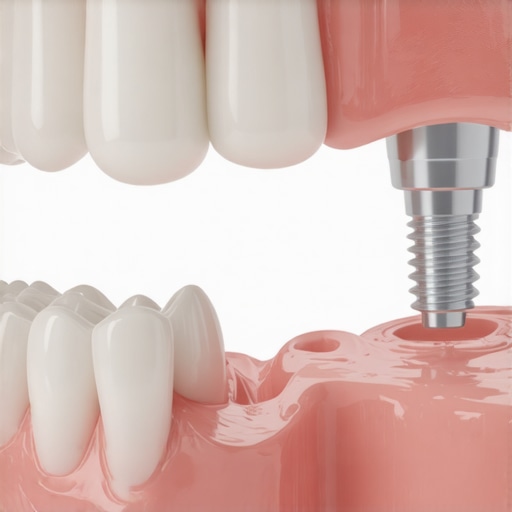
Check for Signs of Hardware Fatigue
Think of your dental work like the tires on a car; eventually, they wear down and need a rotation or replacement. If you have a restoration that is starting to fail, you might notice why your dental implant crown feels slightly wiggly when you bite, which can be a sign that bacteria are gathering in places they shouldn’t. This bacterial buildup often mimics a metallic taste. Similarly, if you notice the reason your gums are swollen around a new crown, it could be that the area is retaining debris that changes the pH of your mouth, leading to that tinny sensation.
Assess for Hidden Gum Irritation
We often overlook the fact that blood has a high iron content. If your gums are even slightly inflamed, you might be tasting microscopic amounts of blood throughout the day. This isn’t always obvious like a cut; it can be subtle. If you are struggling with tight gaps between teeth, using the secret to flossing comfortably with a permanent retainer or other orthodontic appliances can prevent the irritation that leads to this metallic byproduct. Keeping the gums calm is the fastest way to keep the copper taste at bay. Even if you aren’t currently seeing a professional, staying on top of family dentistry tips for a lifetime of healthy smiles ensures you aren’t missing these tiny physical triggers.Most people assume that once they invest in high-end restorative work, their oral health is on autopilot. This is a dangerous trap. Everyone says that modern materials are invincible, but in my experience, the ‘copper mouth’ sensation often stems from something called oral galvanism. This happens when two different metals in your mouth—like an old amalgam filling and a newer gold crown—create a tiny electrical current in your saliva. It sounds like science fiction, but that literal battery effect is a major nuance that even some seasoned professionals overlook. If you feel a strange sensation, you might wonder why your dental implant feels like it is vibrating when you chew, which is often your body reacting to these microscopic electrical shifts rather than a mechanical failure.
Can Your High-End Cosmetic Upgrades Actually Trigger a Metallic Reaction?
The short answer is yes, especially if the focus was solely on aesthetics. A common mistake is choosing porcelain-fused-to-metal (PFM) crowns for their strength without considering how the base metal interacts with your unique oral chemistry. Over time, as the gingival line recedes, that metal can leach a tinny taste into your mouth. This is why many are moving toward all-ceramic options to avoid why your gums look dark around a porcelain-fused-to-metal crown. According to the American Dental Association (ADA), persistent dysgeusia (taste distortion) should never be ignored, as it can be the first sign of material degradation or an underlying systemic shift. 
Avoid the Set-It-And-Forget-It Mentality
The biggest ‘oops’ factor in modern dentistry is believing that implants or veneers require less care than natural teeth. In reality, they require more specific maintenance. If you’ve been told your new smile is ‘permanent,’ you’ve been sold a half-truth. While the materials don’t decay, the surrounding tissue is still vulnerable. You need to understand the truth about the lifespan of a dental implant; it is heavily dependent on preventing peri-implantitis, a condition that often starts with—you guessed it—a metallic taste from localized inflammation. Also, don’t let a quest for perfection lead to the mistake that makes your teeth look too white and fake. A natural look involves translucency, and ironically, some opaque whitening treatments can trap bacteria in ways that contribute to chronic bad breath. Have you ever fallen into this trap? Let me know in the comments. To ensure your long-term success, always revisit the fundamentals of family dentistry tips for a lifetime of healthy smiles to keep the biological foundation of your cosmetic work secure. Just because it’s a ‘fake’ tooth doesn’t mean it doesn’t need a very real, very disciplined cleaning routine.To keep your smile from ever tasting like a penny again, you have to upgrade your toolkit. I personally threw away my traditional string floss for a high-end water flosser because it is the only way to effectively flush out the gingival sulcus around a titanium post. If you’ve been wondering how to tell if your dental bridge is trapped with food, the water flosser provides immediate feedback; if the water coming out isn’t clear, you haven’t finished the job. I also swear by interdental brushes coated in a non-abrasive gel. Unlike regular brushes, these tiny tools can navigate the tight spaces between your gums and your veneers without scratching the delicate porcelain surface. 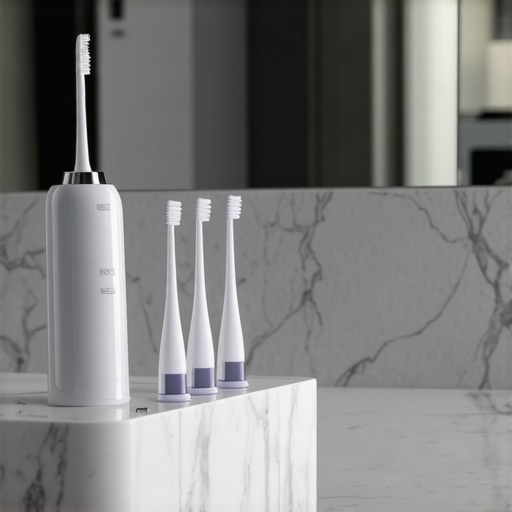
How do I maintain my dental restorations over the long haul?
Maintenance isn’t just about scrubbing; it’s about managing the chemistry of your mouth. I recommend using a pH-balancing mouth rinse rather than the alcohol-heavy stuff that dries you out. A dry mouth is a breeding ground for the anaerobic bacteria that cause that metallic odor. When you look at the future of dental implants, we are seeing a shift toward ‘smart’ materials that can actually detect early signs of infection before you even feel a sensation. According to technical guidelines from the Journal of Oral Implantology, the stability of the soft tissue cuff is the single most important factor in preventing long-term hardware failure. If you feel like why your porcelain veneers might feel bulky at first, it might actually be slight inflammation that a better cleaning routine could resolve. Looking ahead, I predict we will soon see implants with built-in sensors that sync to your phone, alerting you to pH changes in real-time. This is already a part of how dental implants reshape your oral health in 2025. For now, focus on the physical sensation; the reason your dental implant feels different than a natural tooth is that it lacks a periodontal ligament, meaning it can’t ‘feel’ pressure the same way. You have to be its advocate. My advanced tip for you this week: swap your morning acidic coffee for a low-acid cold brew to lower the chemical load on your restorations and see if that metallic tang disappears. Give it a try for three days and let me know if it shifts your baseline.
The Hard Lessons That Finally Cleared My Copper Breath
Reflecting on my own journey, I realized that I often treated my dental health as a static checklist. In reality, it is a dynamic ecosystem. Here are the lightbulb moments that changed everything for me: Restorations aren’t invincible. Even though materials like titanium or porcelain don’t decay, the surrounding tissue is incredibly sensitive. If you don’t monitor the area, you might miss the truth about the lifespan of a dental implant. Furthermore, pH is more important than scrubbing. I used to think the more I brushed, the cleaner I was. But stripping away natural saliva protections actually made the metallic taste worse. Finally, remember that metals talk to each other. The ‘battery effect’ from oral galvanism is a real phenomenon that many people overlook until they feel that distinct copper tang.
My Non-Negotiable Kit for a Fresh Smile
If you want to maintain your results after transforming your smile with veneers, you need to move beyond a basic toothbrush. I personally trust these three specific tools to keep my mouth feeling balanced: A High-Quality Water Flosser is essential for anyone with bridges or implants because it flushes out debris that standard floss simply cannot reach. I also recommend pH-Neutral Oral Rinses; avoid the alcohol-heavy brands that cause dry mouth, as a lack of saliva is a leading cause of breath distortion. Lastly, try switching to Low-Acid Cold Brew if you are a coffee lover. It significantly reduces the chemical stress on your enamel and restorations, helping to prevent that lingering metallic aftertaste. #IMAGE_PLACEHOLDER_E#
Step Into a More Confident Version of You
You do not have to live with the constant anxiety of a ‘penny mouth.’ By paying attention to the subtle signals your body sends and staying consistent with family dentistry tips for a lifetime of healthy smiles, you can ensure your breath is as fresh as your smile looks. Finding the real reason your breath smells like metallic pennies is more than just a dental fix—it is about reclaiming your social confidence and your health. Have you ever noticed a sudden metallic taste after starting a new vitamin or a high-intensity workout routine? Let me know your experience in the comments below!