I’ll never forget the morning I caught a glimpse of my reflection in the harsh bathroom light and realized my canines looked more like fangs. I wasn’t becoming a vampire; my gums were retreating like they were scared of my toothbrush. For years, I approached oral hygiene like I was scrubbing a dirty garage floor. I figured if my gums weren’t a little sore, I hadn’t done the job right. Little did I know, I was literally sawing away at my own smile.
It’s a bitter pill to swallow when you realize that your commitment to health is actually what’s causing the damage. We’re told from childhood to brush, brush, brush, but nobody really teaches us the physics of it. If you’ve noticed your teeth looking longer or feeling more sensitive to your morning coffee, you might be dealing with toothbrush abrasion. This isn’t the same as gum disease, though both lead to the same scary place: potential tooth loss or needing to explore dental implants in 2025. Today, I’m going to help you figure out if your technique is the culprit and how to save what’s left of your gum line.
[image_placeholder_1]
You Might Be Your Gums’ Worst Enemy
The first time I noticed my gums were shrinking, I spiraled. I started researching cosmetic dentistry secrets and wondered if I’d need surgery. But then, I noticed my toothbrush. It looked like it had been through a war zone—the bristles were splayed out and flattened after only two weeks of use. That was my first real clue. When you brush too hard, you aren’t just removing plaque; you’re wearing down the gingival tissue and the enamel. I had been making the classic mistake of buying “firm” bristles, thinking they were more effective. In reality, I was stripping away the very foundation of my smile. If you’ve ever wondered why your gums are receding even though you brush twice a day, your own strength might be the answer.
Is it too late to save my smile without a massive bill?
This is the fear that keeps most of us up at night. We worry that once the gum is gone, the only solution is a costly graft or expert veneer tips to cover the exposed roots. While gum tissue doesn’t grow back like a scraped knee, you can absolutely stop the progression. The key is distinguishing between an infection and mechanical wear. According to research published in the Journal of Periodontology, toothbrushing frequency and technique are significantly associated with the development of recession in healthy mouths. Have you ever caught yourself “scrubbing” so hard that your hand actually gets tired? If so, you’re likely dealing with abrasion rather than disease. We’re going to look at the specific signs—like the “notching” near the gum line—that tell the real story of what’s happening in your mouth.
Hold Your Toothbrush Like a Violin Bow
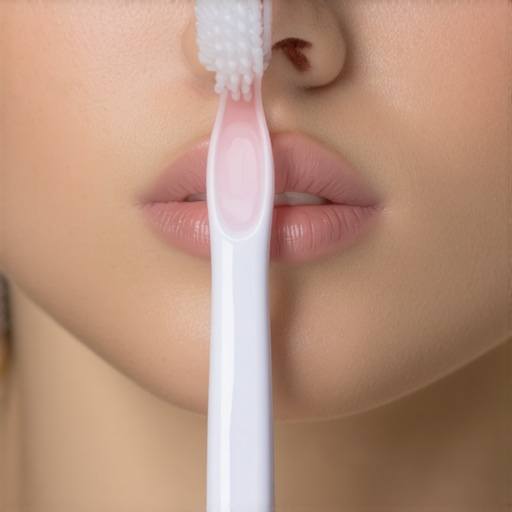
The biggest shift I made wasn’t in how long I brushed, but how I held the tool. I used to grip my toothbrush like a hammer, white-knuckling it as if I were scrubbing grout. My dentist finally told me to hold it with just my fingertips, like a delicate violin bow. This simple change in leverage makes it physically impossible to apply the 10-plus pounds of pressure some of us exert. When you lighten your grip, you transition from scrubbing to sweeping. This is one of the most underrated family dentistry tips for a lifetime of healthy smiles. If you can’t master the manual light touch, an electric toothbrush with a built-in pressure sensor is your best friend; it will literally flash red or stop vibrating if you get too aggressive.
Ditch the Firm Bristles for Good
I always thought firm or medium bristles meant a deeper clean. I was wrong. Think of your gums like silk and your enamel like fine china. You wouldn’t use a wire brush on silk, would you? Transitioning to an extra-soft toothbrush is non-negotiable if you want to know how to tell if your gum recession is caused by brushing too hard. Soft bristles are actually better at bending to reach under the gumline where the real bacteria hide. When I finally made the switch, that itchy and raw feeling in my mouth disappeared within a week. If the damage is already visible as a yellow-ish notch at the root, you might need to look into how to fix a cracked front tooth with cosmetic bonding or similar restorative treatments to shield that exposed, sensitive area.
Check Your Reflection for the Wedge Effect
Take a close look at where your tooth meets the gum. Do you see a small, V-shaped indentation? That is not a cavity; it is an abfraction or a wear-notch. Once that notch appears, the tooth structure is structurally compromised. In my case, the notches were so deep that my morning tea felt like an electric shock. This is the point where you have to decide between preventative maintenance and cosmetic repair. Sometimes, the debate of veneers vs crowns becomes a necessary conversation to protect the integrity of the tooth. Learning cosmetic dentistry secrets isn’t just about vanity; it is about rebuilding what you accidentally scrubbed away. If you notice your teeth look translucent at the edges, it is a sign your enamel is thinning globally, likely from a combination of force and acidity. I remember the frustration of realizing my aggressive habits were aging my face, but once I mastered the 45-degree angle sweep, the recession finally stopped in its tracks.
Most of us are taught that more hygiene is always better, but in the world of advanced dentistry, we see a ‘bell curve’ of health. On one side, you have neglect; on the other, you have ‘over-hygiene’ that is just as destructive. I’ve seen patients who have zero cavities but have worn their enamel so thin that their teeth look translucent at the edges. The contrarian truth is that your toothbrush isn’t a scraper; it’s a brush. Plaque is soft, like yogurt. You don’t need the force of a power sander to remove it. If you apply too much pressure, you are essentially performing a slow-motion extraction on yourself.
How Can I Tell if My Receding Gums Are Genetic or Mechanical?
If your recession is localized to the ‘corners’ of your mouth—specifically the canines and premolars—it’s almost certainly mechanical abrasion. This is because we naturally apply more pressure as our arm moves around those curves. A study published in the Journal of Clinical Periodontology found that individuals with high-frequency brushing habits and high manual dexterity often show more significant non-carious cervical lesions than those with more relaxed routines. If the damage is already there, you’re likely choosing between veneers vs crowns: which is right for your smile to restore that lost barrier and protect the tooth’s nerve. 
The Post-Breakfast Brushing Trap You Need to Avoid
Here is the ‘oops’ factor that most people miss: timing. If you brush immediately after a bowl of fruit, a smoothie, or a cup of coffee, you are effectively using your toothbrush to drive acid into your softened enamel. This is one of those crucial family dentistry tips for a lifetime of healthy smiles that is rarely emphasized. You should wait at least 30 minutes for your saliva to neutralize the pH of your mouth. Brushing too early is like sanding a hardwood floor while the finish is still wet. If you’ve already caused significant thinning, you might find that the truth about whitening strips and sensitive enamel is that they only make the pain worse. In extreme cases where the tooth is structurally compromised or lost, looking into the future of dental implants: cutting-edge techniques in cosmetic dentistry might be necessary, but prevention through proper timing is much simpler. Have you ever fallen into this trap? Let me know in the comments.Once I realized I was my own worst enemy with a manual toothbrush, I went on a mission to find the gear that would protect my investment. I didn’t want to end up needing a full mouth of implants because I was too stubborn to change my habits. I eventually upgraded to the Oral-B iO Series 9, and honestly, it changed everything. I use it because it has a literal ‘smart’ pressure sensor that glows green when I’m in the sweet spot and turns a violent shade of red the second I press too hard. For someone like me who has a history of aggressive scrubbing, this feedback loop was the only thing that actually broke the habit. If you are already looking into dental implants 2025 innovations that redefine comfort and durability, you know that keeping the surrounding tissue healthy is the only way to make that work last. 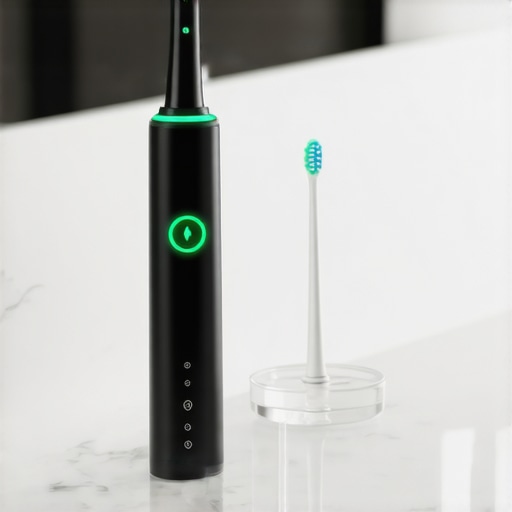
Stop Using Sandpaper as Toothpaste
We focus so much on the brush, but the paste is just as critical. I learned the hard way that many ‘extra whitening’ pastes are essentially liquid sandpaper. According to the American Dental Association (ADA) and their Relative Dentin Abrasivity (RDA) scale, any toothpaste with an RDA score over 100 is potentially too abrasive for daily use on sensitive gum lines. I switched to a gel-based formula with an RDA under 70. This is the real secret to keeping your smile white without giving up your morning tea while protecting the edges of your teeth from thinning further. If you’ve already undergone a veneers transformation, high-abrasion paste is a fast track to dulling that beautiful porcelain finish and causing micro-scratches where stains can hide.
How do I keep my dental work looking like new for decades?
The answer isn’t just brushing; it is about moisture and protection. I started using a water flosser daily—specifically the Waterpik Aquarius—because it cleans deep into the sulcus (the pocket between the tooth and gum) without the sawing motion of traditional floss that can irritate my recession-prone areas. Maintenance is also about preventing nighttime damage. I wear a custom-fitted night guard every single night. Even if you don’t think you grind your teeth, the micro-movements during sleep can cause ‘abfractions,’ those little notches at the gum line we talked about. This is one of the most vital family dentistry tips for a lifetime of healthy smiles. If you skip this, you’re risking more than just discomfort; you’re risking habits that cause your porcelain veneers to pop off unexpectedly.
The Future of Home Dental Care
I predict that within the next five years, we won’t just be guessing at our technique. We are moving toward AI-integrated mirrors that will highlight plaque in real-time and alert us to early signs of inflammation before we even feel a twinge. This kind of tech will significantly extend the truth about the lifespan of a dental implant, making them truly permanent solutions rather than twenty-year patches. Until then, we have to be our own advocates. I urge you to do one thing today: look up the RDA score of your current toothpaste. If it’s over 100, toss it and buy a low-abrasion alternative. Your gums will thank you in ten years.
The Hardest Lesson I Learned About Brushing Pressure
Reflecting on my own journey, the most significant lightbulb moment came when I finally stopped equating cleanliness with friction. I used to think that a ‘deep clean’ meant feeling a tingle or slight rawness in my gums, but I was actually just triggering chronic inflammation and wear. One of the most vital family dentistry tips for a lifetime of healthy smiles is to treat your gums as delicate living tissue rather than a hard surface to be scoured. I also learned that how to tell if your gum recession is caused by brushing too hard often comes down to the location of the wear; if the notches are only on the outer surfaces where your brush hits first, your technique is the culprit. Finally, I discovered that enamel and gum tissue do not regenerate, which means every stroke counts toward your long-term dental health.
The Gear That Actually Saved My Smile
I no longer leave my oral hygiene to guesswork or manual strength. My daily toolkit now starts with the Oral-B iO Series, which acts as a real-time coach, ensuring I never cross that line into abrasive territory. I also rely on high-quality water flossers to clean deep into the sulcus without the ‘sawing’ motion that can exacerbate existing gum loss. If you are already researching the future of dental implants: cutting-edge techniques in cosmetic dentistry, you will find that maintaining the health of your existing bone and gum tissue is the best way to ensure any future work lasts a lifetime. I also recommend looking into cosmetic dentistry secrets to learn how modern bonding can seal those sensitive yellow notches before they turn into major structural issues.
#IMAGE_PLACEHOLDER_E#
Give Your Gums the Break They Deserve
It is never too late to pivot and start protecting the smile you have left. Whether you have already noticed some minor recession or you are just looking to prevent it, a lighter touch today means a much stronger foundation for your future self. By embracing these changes and slowing down your routine, you can significantly extend the truth about the lifespan of a dental implant or your natural teeth by years. Don’t let your dedication to hygiene be the very thing that wears you down. Have you ever noticed your toothbrush bristles splaying out or flattening after just a few weeks of use? Let me know in the comments below!