I remember sitting in the back of my cousin’s wedding photos, tilting my head at a bizarre angle just to hide the gap where my molar used to be. I was exhausted from the ‘wait and see’ approach. I wanted my smile back, and I wanted it yesterday. I’d seen the ads for ‘teeth in a day’ and thought, surely, that’s just marketing fluff, right? I went into my first consultation thinking I could just demand it. I was wrong. I hadn’t done my homework, and my jawbone just wasn’t ready for the load. It was a crushing realization, but it taught me everything about what actually makes someone a prime candidate for immediate load implants. Today, I’m going to break down the gritty details of who actually qualifies for this fast-tracked process so you don’t make the same mistakes I did.
The Real Reason You Can’t Always Skip the Wait
Look, I’ll be the first to admit I’m impatient. When I decided to fix my smile, I wanted the shortcut. But immediate load implants—where the crown is placed almost immediately after the screw—aren’t a ‘one size fits all’ solution. I learned the truth about the lifespan of a dental implant the hard way: it all comes down to the foundation. If your jawbone is more like Swiss cheese than a solid oak plank, the implant won’t have the ‘primary stability’ it needs to survive the pressure of chewing. My mistake was assuming my bone was fine just because I felt fine. It turns out, years of missing a tooth had caused my bone to thin out. While dental implants 2025 innovations that redefine comfort and durability have made the process smoother than ever, your biology still gets the final vote. Have you ever been told your jawbone wasn’t quite thick enough for a procedure, or are you just starting this journey?
Is ‘Teeth in a Day’ actually worth the hype?
It sounds like a miracle, doesn’t it? Walking in with a gap and walking out with a tooth. For the right person, it absolutely is worth the hype. However, the American Academy of Implant Dentistry notes that for immediate loading to be successful, the implant must be placed with a specific amount of torque—usually at least 35 Ncm—to ensure it doesn’t wiggle while the bone heals. If that stability isn’t there, you risk the whole thing failing. It’s normal to wonder why your dental implant area feels heavy for the first week, but that weight should be the feeling of a solid new beginning, not a loose screw. To be a candidate, you generally need healthy gums, a dense jawbone, and a commitment to not smoking, as nicotine is the absolute enemy of bone healing. We’re going to look at the specific health markers next to see if you can skip the months of waiting.
Get a 3D Blueprint of Your Jawbone First
Think of your jawbone as the foundation of a skyscraper. You wouldn’t build a hundred-story tower on sand. Before a dentist even considers immediate loading, they need to see exactly what they are working with. This is where a standard 2D X-ray fails because it doesn’t show the thickness or the quality of the bone. You need to understand what your Culpeper dentist sees on a CBCT scan that a standard x-ray misses. This 3D imaging allows the surgeon to measure the bone’s width and height to the millimeter. When I went in, my scan showed a thin ridge where I had lost bone over time. I learned that without enough ‘real estate,’ the implant can’t grip the bone. If the scan shows enough volume, the dentist can plan the exact angle to hit the densest part of your bone, maximizing the chances that the screw stays put from day one.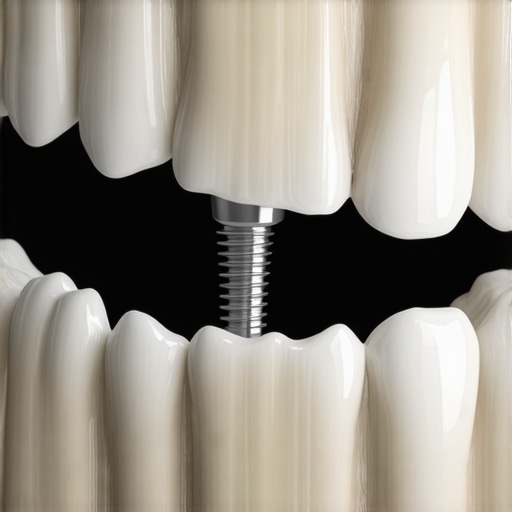
The Magic Number for Instant Stability
The biggest secret to ‘teeth in a day’ is something called primary stability. This isn’t a vague feeling; it’s a measurable mechanical lock. Imagine trying to hang a heavy mirror. If you put a screw into a wall stud, it’s rock solid immediately. If you put it into thin drywall without an anchor, it wiggles. For an immediate load, the dentist uses a torque wrench to measure the force required to seat the implant. If that number hits at least 35 to 45 Ncm, you are usually cleared for a temporary crown. If it’s lower, they have to bury the implant under the gum to heal, or you risk failure. It is vital to know how to tell if your dental implant is rejecting or just healing during these first few weeks, as that mechanical lock eventually transitions into a biological bond.
Why Your Diet Becomes Your Best Friend
Even if you walk out with a beautiful new tooth, you aren’t in the clear. That new crown is purely for aesthetics; it is not for eating steak. I learned this the hard way when I tried to nibble on a piece of crusty sourdough just three days after my procedure. The sensation was terrifying—a strange resonance that made me think I’d ruined everything. I spent the next hour researching the reason your dental implant feels like its vibrating and realized that any micro-movement during the first six weeks can prevent the bone from growing into the implant’s threads. You have to commit to a soft-food diet—mashed potatoes, protein shakes, and smoothies—to ensure the implant stays completely still. Even the reality of getting dental implants after age seventy involves this same strict adherence to a ‘no-chew’ zone while the biology catches up to the technology. If you can’t commit to six weeks of soft foods, you aren’t a candidate for immediate loading.
Stop Chasing the Brightest White Shade
Most people think the biggest challenge in cosmetic dentistry is getting that perfect, Hollywood-white color. In reality, that is the easy part. The real expertise lies in managing the ‘pink’—the gum tissue that surrounds your new tooth. If a dentist places an immediate load implant without considering your ‘gingival biotype’ (basically, how thick or thin your gums are), you might end up with a gray shadow showing through the tissue months later. This is a common nuance many patients overlook. I’ve seen so many people focus on cosmetic dentistry secrets to boost your confidence while ignoring the biological reality of their gum health. According to a study in the Journal of Oral Implantology, patients with a ‘thin’ biotype have a significantly higher risk of gum recession around implants, regardless of how well the screw was placed. If you want results that look real, you have to prioritize the foundation over the finish.
What happens if your body tries to fight the titanium?
A common myth is that dental implants are ‘set it and forget it’ once they are in. While titanium is biocompatible, your body doesn’t just accept it like a natural part of your skeleton without a fight. If you feel a strange sensation, you need to know the truth about why your dental implant feels loose or why it might feel different. It isn’t just about the screw; it’s about ‘perimucositis,’ which is like gingivitis but for implants. If caught early, it’s reversible. If ignored, it leads to bone loss. This is the ‘oops’ factor many patients fall into: they stop their rigorous cleaning routine because the tooth ‘isn’t real’ and therefore can’t get a cavity. While the tooth can’t decay, the bone supporting it certainly can. Have you ever fallen into this trap of thinking a dental procedure was ‘set it and forget it’? Let me know in the comments.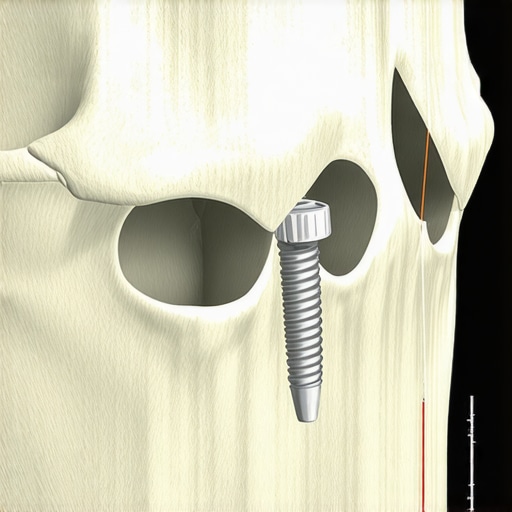
The Trap of the Permanent Temporary Bridge
One of the most dangerous misunderstandings in ‘teeth in a day’ is the nature of the bridge you walk out with. Many patients assume that because it looks great, it’s their final set of teeth. It isn’t. It is usually a high-grade acrylic or composite bridge designed to act as a splint. If you treat this temporary like a final porcelain restoration, you risk fracturing the material or, worse, putting uneven pressure on the healing implants. If you’ve wondered why your porcelain veneers look opaque and not natural or why your temporary bridge feels ‘thick,’ it’s because these materials are built for durability during the healing phase, not for ultimate aesthetics. You must follow the transition plan to your final Zirconia or porcelain teeth. We often talk about 3 secrets to making your porcelain veneers last twenty years, and the same logic applies here: the way you handle the ‘loading’ phase determines the next two decades of your smile. If things feel off, knowing how to save a dental implant that feels slightly mobile starts with immediate professional intervention, not ‘waiting to see.’ Your long-term success depends on understanding that how dental implants reshape your oral health in 2025 is a partnership between technology and your own biological recovery.
Stop Scrubbing Your Gums Away
I used to think that the harder I brushed, the cleaner my teeth were. I was wrong. In fact, that aggressive ‘sawing’ motion is exactly how I ended up with gum recession before my first implant was even a thought. When you have veneers or implants, you have to shift your mindset from ‘scrubbing’ to ‘massaging.’ I personally switched to an electric toothbrush with a built-in pressure sensor—the kind that flashes red when you press too hard. You really need to learn how to pick a toothbrush that wont destroy your enamel because once that tissue is gone, it doesn’t just grow back like a fingernail. If you are gentle, you protect the ‘seal’ where the implant meets the gum, which is your primary defense against infection.
Why I Swapped My String Floss for a Water Jet
If you have a bridge or multiple implants, traditional string floss can feel like trying to thread a needle in a dark room. I got so frustrated that I almost stopped flossing entirely, which is a recipe for disaster. I eventually invested in a high-quality water flosser. According to a study published in the Journal of Clinical Periodontology, water flossing is significantly more effective at removing biofilm around dental implants than manual flossing alone. It flushes out the bacteria that hide in the ‘pockets’ you can’t see or reach. Learning how to clean under a dental bridge without shredding your floss changed my entire routine. It’s not just about convenience; it’s about ensuring that expensive titanium screw doesn’t become a victim of ‘peri-implantitis.’ 
How do I maintain my dental implants over time?
Long-term success isn’t about luck; it’s about the tools you use every single night. Beyond the water flosser, I recommend using a non-abrasive gel instead of a gritty whitening toothpaste. Gritty pastes can create microscopic scratches on your porcelain, which eventually pick up stains. If you’ve followed the 3 secrets to making your porcelain veneers last twenty years, you know that physical protection is the other half of the battle. I wear a custom-fitted night guard every single night. Even if you don’t think you grind your teeth, the stress of modern life usually manifests in your jaw while you sleep. One night of heavy clenching can put thousands of pounds of pressure on your new teeth, risking a fracture that no amount of brushing can fix.
The Future of Your 2035 Smile
I truly believe we are moving toward ‘smart’ implants. We are already seeing how dental implants reshape your oral health in 2025 through better materials, but the next decade will likely introduce sensors embedded in the crown that can alert your phone if it detects early signs of bone loss or infection. Until that tech hits your local clinic, you are the sensor. Pay attention to the ‘heaviness’ or any ‘vibration’ you feel. If you want to keep your results for the next thirty years, my challenge for you is this: buy a water flosser today and use it every single night for the next two weeks. You will be shocked at what your ‘regular’ toothbrush was leaving behind.
What Nobody Tells You About the 24-Hour Smile
After going through the process myself, I realized that the “fast” part of fast-tracked implants is purely mechanical. While your new tooth looks ready for the world, your body is still running a marathon behind the scenes. One lightbulb moment for me was realizing that the implant doesn’t feel like a natural tooth because it lacks the periodontal ligament—that tiny cushion that lets you feel pressure. It’s a rigid connection, which means you have to be its protector. I also learned that the future of dental implants cutting edge techniques in cosmetic dentistry is making the healing phase faster, but you still can’t cheat the six-week integration rule. Finally, don’t judge your final look by the temporary; it’s a structural placeholder, not the artistic masterpiece you’ll eventually receive.
The Gear That Keeps My Smile Intact
Maintenance is where the real work begins. To keep everything pristine, I’ve curated a small toolkit that I swear by. First, a high-quality water flosser is non-negotiable for cleaning the hard-to-reach areas where the implant meets the gum. Second, you must learn how to pick a toothbrush that wont destroy your enamel or irritate your healing tissue—I use an ultra-soft electric head with a pressure sensor. #IMAGE_PLACEHOLDER_E# I also highly recommend looking into family dentistry tips for a lifetime of healthy smiles to ensure your oral microbiome stays balanced. Finally, never underestimate a custom night guard; it’s the cheapest insurance policy you’ll ever buy for a multi-thousand-dollar investment.
Your Path to a Permanent New Chapter
Stepping into the world of immediate load implants can feel like a leap of faith, but when technology meets a prepared patient, the results are life-changing. You aren’t just buying a tooth; you’re buying back the ability to laugh without covering your mouth and eat without hesitation. Whether you are looking for cosmetic dentistry secrets to boost your confidence or simply trying to restore function, remember that your biology is the boss. Take it slow, follow the soft-food rules, and you’ll be reaping the rewards for decades. Have you ever felt like your smile was holding you back from a major life event, or are you just starting to research your options? Let me know your story in the comments below!