I will never forget the morning I leaned in toward the bathroom mirror and noticed a tiny, yellowish ledge at the base of my front tooth. My heart sank. I have always been a stickler for oral hygiene—flossing every night, never skipping a checkup—so seeing my gums literally backing away felt like a betrayal. I figured I just needed to brush harder to fix it. Big mistake. It turns out, my deep cleaning habit was actually the very thing driving my gums into retreat.
Your Gums Are Retreating Because You Are Too Aggressive
Dealing with gum recession is a slow-burn kind of stress. You do not wake up one day with a brand-new smile; instead, you notice why your gums are receding even though you brush twice a day and start wondering if you are doing something wrong. If you have noticed that your teeth look longer or you feel a sharp zing when you drink cold water, you might be a victim of your own enthusiasm. I used to buy the firm bristles because, in my head, soft brushes were for kids. I was wrong. The American Dental Association actually notes that soft-bristled toothbrushes are much more effective at cleaning without causing trauma to the soft tissue. When you scrub like you are cleaning grout in the shower, you are not just removing plaque; you are literally wearing away the delicate seal between your tooth and your jaw.
Is an electric toothbrush actually making things worse?
It is the question I get asked most by my neighbors when they see me obsessing over dental tech. It is not the tool; it is the hand behind it. Many people switch to electric and still push down with all their might, which is a recipe for disaster. If you have been struggling with this, have you ever noticed your bristles splaying out like an old broom after just a few weeks? That is the first red flag. You need to learn how to pick a toothbrush that wont destroy your enamel before you do permanent damage. We are going to walk through exactly how to tell the difference between gum disease and toothbrush trauma today, because knowing the cause is the only way to save your smile. It is part of the essential family dentistry tips for a lifetime of healthy smiles that often gets overlooked. Have you noticed a little notch near your gum line lately? Let me know in the comments if you think you might be brushing too hard!
Ditch the Death Grip for a Pencil Hold
You probably hold your toothbrush like a hammer, clenching your fist around the handle as if you are preparing for a DIY home renovation. That is the first habit we need to break. Instead, try holding your brush with just your fingertips, similar to how you would hold a pencil. This simple shift in ergonomics makes it physically impossible to apply the kind of crushing force that strips away your enamel. I remember the first time I tried the ‘two-finger’ hold; I felt completely out of control. I ended up with toothpaste splattered all over the bathroom mirror and half-down my shirt because I had not mastered the balance yet. It felt like I was barely touching my teeth, and my brain kept screaming that I was not actually getting the plaque off. But after three weeks of this ‘wimpy’ brushing, my dental hygienist asked what I had changed because my gingival margins looked less angry and red. If you have recently made the switch to tech, you might wonder why your gums are bleeding after you switched to an electric toothbrush, and the answer is almost always that pencil-grip pressure is even more vital when the motor is doing the work for you. 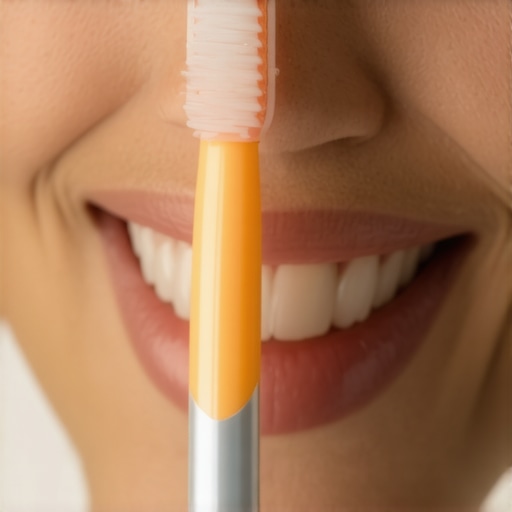
Angle Your Way to Healthier Gums
Most people scrub horizontally, back and forth, like they are sawing a log. This is a one-way ticket to notch-shaped wear on your tooth roots. The proper technique, often called the Modified Bass Method, is to tilt the bristles at a 45-degree angle toward the gum line. This allows the very tips of the bristles to slide just slightly beneath the gum margin where the real bacteria hide. Instead of a saw-like motion, use tiny, circular vibrations. It should feel more like a gum massage than a heavy cleaning. If you have already worn down your teeth to the point where they look translucent or yellow, you might be looking into cosmetic dentistry secrets to boost your confidence. This technique requires patience; you are focusing on two teeth at a time, spending about ten seconds on each section before moving the brush.
How to Repair Your Receding Line
When recession gets serious, the root of the tooth is exposed. Unlike the crown, the root does not have a thick layer of enamel, making it incredibly sensitive to temperature and prone to decay. In my case, once the damage was done, I had to look at restoration options because the ‘zing’ from my morning coffee became unbearable. For some, learning the 3 secrets to making your porcelain veneers last twenty years can be the key to covering those sensitive notches while also improving the aesthetic of a ‘long-toothed’ smile. If the wear is so severe that a tooth is lost, understanding how to tell if your dental implant is rejecting or just healing becomes part of the journey. But before we get to surgery or porcelain, the goal is always preservation. You have to treat your gums like silk, not denim. If you treat them like denim, they will fray and disappear, leaving you with a much more expensive repair bill. If you are torn between treatments, you should research veneers vs crowns which is right for your smile to see which provides the best protection for your specific level of wear. Remember, once gum tissue is gone, it does not just grow back like a fingernail; you have to protect what you have left with every single brush stroke.Let’s dig deeper into what happens when you try to fix that recession or tooth wear with porcelain. Most people assume that if they spend thousands on a restoration, their smile will be indestructible. I used to think that too, until I realized that ‘perfect’ is actually the enemy of ‘natural.’ One of the biggest mistakes patients make is demanding a shade of white that simply does not exist in nature. If you go too bright, you end up with what we call ‘socially visible’ teeth—and not in a good way. You want to avoid the common trap where your veneers look like white chiclets because they lack surface anatomy. Real teeth have micro-ridges and tiny pits that catch and refract light; without them, the porcelain looks like flat plastic. 
Why do your veneers look different in sunlight versus indoor lighting?
This is an advanced phenomenon called metamerism. A shade that looks great under the fluorescent lights of a dental office can look strangely gray or purple at a sunset dinner or in a brightly lit kitchen. This occurs because the porcelain material’s optical properties do not perfectly match the light-scattering behavior of your natural enamel. To combat this, expert clinicians use layered ceramics with varying degrees of translucency. If you aren’t careful during the selection process, you will likely discover why your veneers look too opaque and lack that ‘inner glow’ that real teeth possess. It is one of the most vital expert tips for perfect results: always check your shade guide in natural light before the final bonding.
Stop Chasing the Indestructible Myth
Everyone tells you that dental implants are the gold standard—and they are—but the ‘oops’ factor is thinking they are maintenance-free. A common contrarian truth in modern dentistry is that implants actually require more precision in cleaning than natural teeth because they lack the biological ‘warning system’ of nerves. Research published by the American Academy of Periodontology indicates that peri-implantitis can develop silently and much faster than traditional gum disease. If you ever feel a slight wobble, you need to understand the truth about why your dental implant feels loose immediately. It is rarely the metal failing; it is usually the bone and tissue reacting to hidden bacteria or improper bite alignment. Whether you are choosing veneers vs crowns which is right for your smile, remember that the restoration is only as good as the foundation you maintain. Have you ever had a cosmetic procedure that didn’t look quite right once you got home? Let me know in the comments!
The Gear That Keeps My Smile From Cracking
I used to think a standard manual brush was fine until I realized I was paying for it in gum grafts and composite repairs. Now, I do not settle for anything less than a brush with a visible pressure sensor—the kind that flashes red the moment you get too aggressive. This is not just a gadget; it is an essential part of family dentistry tips for a lifetime of healthy smiles. Beyond the brush, I have become an advocate for the water flosser, specifically because it can reach the tight spaces where a standard thread might snag on a restoration. If you have ever wondered how to clean under a dental bridge without shredding your floss, you know the frustration. I also swear by a high-quality night guard. I realized too late that why your teeth look shorter after years of nighttime grinding is usually a result of stress manifesting as bruxism. One week of skipping that guard is a massive risk. I have seen friends deal with habits that cause your porcelain veneers to pop off unexpectedly, and usually, it starts with a lack of protective gear at night.
How do I maintain my dental work over time?
Consistency is the boring truth, but the tools you use make that consistency easier. Maintenance for veneers or implants is not a ‘set it and forget it’ situation. I make sure to get a professional polish every six months because composite bonding stains faster than porcelain veneers, and even porcelain can lose its luster if you are using abrasive charcoal toothpastes. According to a study published in the Journal of Oral Rehabilitation, the longevity of ceramic restorations is significantly higher in patients who utilize occlusal guards and non-abrasive cleaning agents. If you start to feel a change in your bite, do not wait. Knowing why your dental implant crown feels loose after years of use early can save you from a complete replacement. 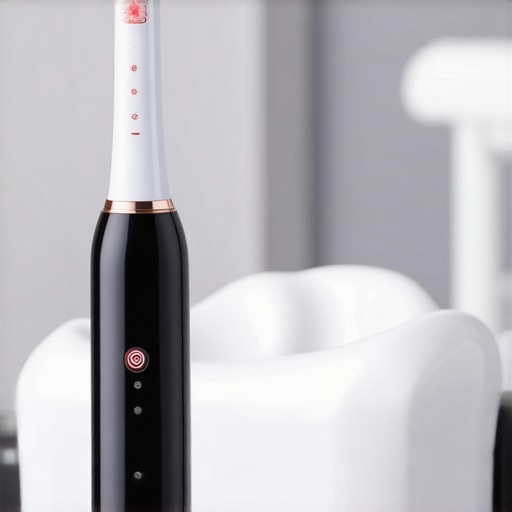
What the Next Decade of Dentistry Looks Like
We are entering an era where biological ‘hacking’ is meeting cosmetic dentistry. I predict that within the next few years, we will see smart-implants that can detect early-stage bone loss via bio-sensors and alert your phone before you ever feel a throb. We are already seeing the future of dental implants shifting toward 3D-printed scaffolds that encourage your own bone to grow faster and stronger. If you are currently in the chair, ask about advanced imaging. I was blown away by what your dentist sees on a CBCT scan compared to those old-school flat X-rays; it is like the difference between a map and a 3D GPS. This technology is how we ensure that your veneers were bonded correctly to the enamel from day one. My best advice? Switch your toothbrush to ‘sensitive mode’ today and see if your gum redness fades—it is the easiest high-performance tweak you can make right now.
Lessons from the Bathroom Mirror I Wish I Knew at Twenty
I spent years thinking my teeth were like stone, something I could scrub and polish without consequence. The reality is that gum tissue is more like fine silk; once it is frayed, you cannot simply sew it back on. One of my biggest lightbulb moments was realizing that perfection is often a distraction. When you are looking for a veneers transformation unlocking your best smile yet, the most stunning results are the ones that mimic the subtle, natural imperfections of real enamel rather than looking like a row of identical tiles.
Another hard-earned truth is that technology is a partner, not a replacement for technique. I have learned that how dental implants reshape your oral health in 2025 depends entirely on your daily commitment to gentle hygiene, not just the skill of the surgeon who placed them. Your mouth is a living environment, and the way you treat it at 7:00 AM every morning matters just as much as the big procedures.
The Daily Toolkit for a Resilient Smile
My first recommendation is a high-quality electric toothbrush with a visible pressure sensor. It is the only way to objectively measure if you are being too rough on those delicate margins. Secondly, I never go a night without my custom-fitted guard. Understanding the risk of skipping your night guard for just one week changed how I prioritize my sleep routine; I have seen too many friends crack expensive porcelain because they thought a few days off would not matter. Lastly, I advocate for a water flosser to keep the spaces around restorations pristine without the aggressive sawing motion of traditional floss.
Take the First Step Toward a Gentler Routine
You do not need a total overhaul of your bathroom cabinet to see results. Just by switching to a pencil-style grip tonight, you are already ahead of the curve in preserving your natural tissue. Your journey with cosmetic dentistry should be about more than just a quick aesthetic fix; it is about building a foundation of health that lasts for decades. Have you ever felt that sharp, cold ‘zing’ and wondered if your brushing technique was the silent culprit? Let me know in the comments below!