I’ll never forget the drive home after my big reveal. I was beaming, catching my reflection in every shop window I passed. But then, it hit me. A weird, pressurized sensation began to creep across my upper jaw. It wasn’t “pain,” exactly, but it felt like my teeth were suddenly three sizes too big for my mouth. I panicked. I thought my dentist had literally glued my jaw shut. This is the reality of a veneers transformation that many people don’t talk about: that initial “squeezing” feeling. If you’re currently sitting there wondering if your teeth are about to pop out of your gums, take a deep breath. I’ve been there, and I’ve learned exactly why this happens and when you actually need to call the office.
That Sensation of Your Teeth Being in a Tiny Straightjacket
When you first jump into the world of cosmetic dentistry, you expect a bit of sensitivity. You don’t necessarily expect the pressure. My biggest mistake was assuming that “tight” meant “wrong.” I spent three days obsessing over whether the lab had made them too wide. In reality, your teeth are adjusting to a foreign object bonded to the enamel. Think about the last time you wore a ring that was just a hair too snug—eventually, you forget it’s there. According to the American Academy of Cosmetic Dentistry (AACD), the bonding resin used can undergo a microscopic amount of shrinkage as it cures, which creates that localized tension. You aren’t crazy; you’re feeling physics in action. It’s also vital to tell if your veneers were bonded correctly because while some pressure is normal, a “heavy” bite might need a quick adjustment.
Is this squeezing sensation actually normal or did someone mess up?
It is the number one question I get asked. Is it worth the hype if it feels like your teeth are under siege? For most of us, this tightness lasts about a week. Your ligaments need time to realize they aren’t actually moving. I remember trying to floss for the first time and thinking I’d break the porcelain—don’t do that! Just let the area settle. If you’re feeling this right now, I want to hear from you: how many days has it been since your procedure, and does the pressure change when you drink something cold? Drop a comment or reach out. We’re going to get into the specific signs that it’s time to head back to the chair versus when you just need to wait it out.
Triage your discomfort in the first 48 hours
The first rule of post-veneer survival: stop poking your gums with your tongue. I know, it’s like trying not to think about a pink elephant. When I got my set, I spent the first night convinced my front teeth were overlapping. They weren’t. What I was feeling was the “flash”—that tiny bit of excess bonding resin that your dentist cleans up, but sometimes leaves a microscopic ledge your tongue interprets as a mountain. To manage this, stick to a “soft food” protocol. We aren’t just protecting the porcelain; we’re letting the periodontal ligaments—the shock absorbers for your teeth—recover from the trauma of the procedure. If you’re a parent, this is a great time to model family dentistry tips for a lifetime of healthy smiles by showing your kids that dental care is about patience, not just brushing.
Don’t mistake pressure for a high bite
There is a massive difference between your teeth feeling “tight” and your teeth hitting together incorrectly. Think of veneers like a new pair of leather boots. They should feel snug, but they shouldn’t give you a blister every time you take a step. If you find that one specific tooth is hitting before the others when you close your mouth, that’s a “high spot.” I ignored a high spot on my left canine for a week, thinking it would “settle.” It didn’t; it just made my jaw ache. A quick trip back for a microscopic shave-down fixed it instantly. This is why it is critical to tell if your veneers were bonded correctly. If the pressure is constant, it’s likely the resin; if it’s sharp or localized when you chew, it’s the alignment.
How to test your new smile without breaking it
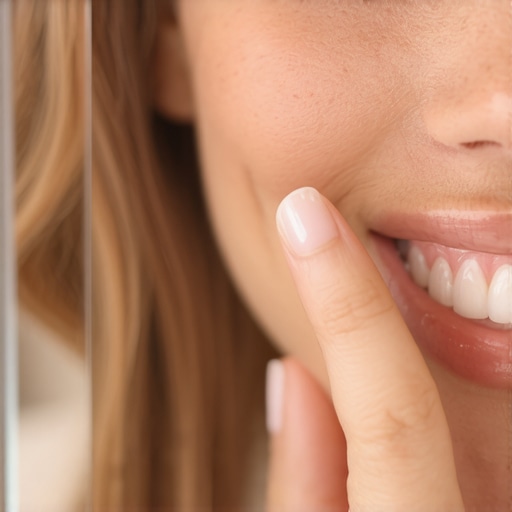
Once the initial 72-hour fog clears, you need to put your smile to work, but gently. Start with the “S” and “T” test. Stand in front of a mirror and recite the alphabet. If you’re whistling or catching your lip, your brain is still mapping out the new dimensions of your teeth. Some people worry their veneers look like white chiclets during this phase because they feel so prominent, but usually, it’s just minor inflammation of the lip. If the lisp persists, it might be the length of the incisal edge. You also need to be wary of habits that cause your porcelain veneers to pop off, like biting your nails or using your teeth to open packages. I once tried to tear a bag of chips open two weeks in and felt a “ping” that nearly gave me a heart attack. Use scissors; your porcelain isn’t a multitool.
The golden rule for long-term comfort
While we focus on the aesthetics of cosmetic dentistry, the longevity of that “tight” feeling depends on your night habits. If the squeezing sensation feels worse in the morning, you’re likely grinding. Your brain recognizes a new object in the mouth and tries to “grind it flat” while you sleep. A night guard is non-negotiable. It’s the difference between your investment lasting five years or following the 3 secrets to making your porcelain veneers last twenty years. Even advanced dental implants benefit from this kind of protection, so don’t skimp on the guard if you want to wake up without that localized tension.
Why your expensive veneers fail without this one step
Most people think a high-end smile is just about the porcelain. It’s a common myth that once the bonding is done, the tooth underneath is “sealed” forever. In my experience, the porcelain is actually the easiest part; the real challenge is managing the biological width. If the edge of your veneer or crown sits too close to the bone, your body will literally try to push the restoration away, leading to permanent redness. It’s a nuance that separates a standard office from true expertise in cosmetic dentistry. If you’ve noticed your gums look angry even though you’re flossing, you might be dealing with this “oops” factor. This isn’t just about a bad cleaning; it’s a structural conflict. Another trap is choosing veneers when you actually need a different solution. There is a common debate between veneers vs crowns, and getting it wrong can compromise your tooth structure. I’ve seen people insist on veneers for heavily decayed teeth just because they sound “less invasive,” only to have them fail within a year because the structural integrity wasn’t there. You have to be honest about the foundation before you worry about the facade.
How do you know if that “tight” feeling is becoming a permanent bite issue?
The Journal of Prosthetic Dentistry highlights that even a 20-micron discrepancy—about the width of a human hair—can trigger bruxism (grinding). This is why your bite shouldn’t just feel “okay”; it needs to be perfect. If you wake up with a headache or jaw fatigue, it’s not just the stress of a new smile; your brain is likely trying to “grind down” the interference. This is especially true for how dental implants reshape your oral health, as implants don’t have the same “give” as natural teeth. Unlike natural teeth that have a periodontal ligament to act as a shock absorber, implants are fused to the bone, making bite alignment even more critical. 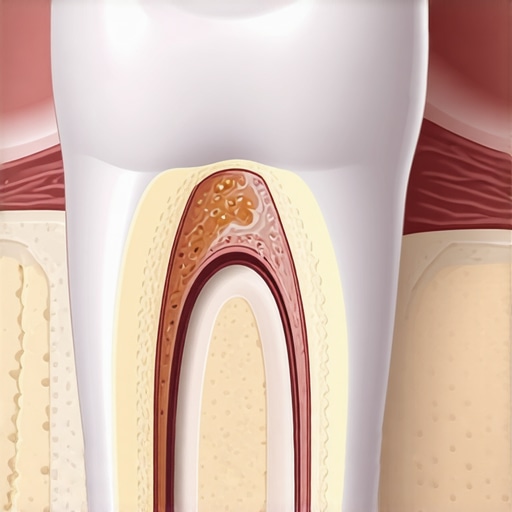
Stop the biological width trap from ruining your gums
Avoid the mistake of thinking you can “fix” the look later. If you feel like your new crowns look like chiclets, it’s usually because the technician didn’t factor in the gum-to-tooth ratio or the emergence profile. This isn’t just about vanity; it’s about how the restoration interacts with your soft tissue. If a gap forms, you need to know how to fix the gap that appeared between your gums and your new bridge or veneer before decay sets in. I’ve encountered patients who thought their gums were receding due to age, when in reality, it was a poorly fitted margin causing the tissue to pull back in self-defense. Expertise in family dentistry tips for a lifetime of healthy smiles means looking beyond the first year. It’s about the ten-year mark. If your dentist isn’t using a CBCT scan or high-magnification loupes during prep, they might miss these microscopic nuances. Have you ever fallen into this trap where a “small” adjustment felt like a major ordeal? Let me know in the comments if you’ve ever had to go back for more than two adjustments to get your bite right.
Keep your porcelain bright without scratching the surface
I’m obsessive about my dental kit now, and for good reason. I’ve realized that the tools I used for my natural teeth are far too aggressive for my new smile. I strictly use a Philips Sonicare with a sensitive head because the built-in pressure sensor is the only thing standing between me and receding gums. When you undergo a veneers transformation, the margin—that microscopic line where the porcelain meets your real tooth—becomes the most critical area of your oral health. If you use a hard-bristled brush, you aren’t just cleaning; you’re excavating. You have to pick a toothbrush that won’t destroy your enamel or the delicate resin bond holding everything together.
The specific toothpaste matters more than the brand name. According to the ISO 11609 standard, which measures Relative Dentin Abrasivity (RDA), most whitening pastes sit at a score of 100 to 150. That is essentially liquid sandpaper for a restoration. For my veneers, I never use anything with an RDA over 70. This prevents the microscopic scratching that eventually makes your teeth look dull or forces you to figure out how to polish a scratched veneer at home. If you can’t find the RDA score on the box, call the manufacturer. It is that important to the longevity of your cosmetic investment.
Why I threw away my manual floss for a water flosser
Traditional flossing is great, but it is easy to get snagged on the edges of cosmetic work. I switched to a high-powered water flosser because it flushes out the sulcus—the space between the tooth and gum—without the mechanical friction that can loosen a bond over time. This is especially vital if you are trying to clean the underside of a dental bridge without shredding your floss. It is also a game-changer for parents implementing family dentistry tips for a lifetime of healthy smiles; kids find the water jet much more fun than manual string, which builds better habits early on. I have found that this one tool has done more to keep my gingival margins pink and healthy than any other habit.
How do I maintain my dental investment over the next decade?
The secret isn’t just cleaning; it is protecting against brute force. I predict that within the next five years, we will see 3D-printed smart night guards that sync with our phones to track grinding intensity in real-time. For now, I stick to a custom-fit lab guard every single night. This is one of the 3 secrets to making your porcelain veneers last twenty years. Even the most advanced cutting-edge techniques in cosmetic dentistry cannot save a tooth from the 200 pounds of pressure per square inch that a human jaw can generate during a stress-dream. If you are not wearing a guard, you are basically gambling with your investment every night. Start by auditing your bathroom cabinet today. Go check your toothpaste’s RDA score; if it is high-abrasion, swap it for a gel-based, low-RDA alternative immediately to protect that gorgeous bond.
What the glossy brochures won’t tell you about living with porcelain
The hardest lesson I learned during my veneers transformation was that the mental adjustment is just as significant as the physical one. You will spend the first week convinced that everyone is staring at your teeth because they look “too white” or “too big,” even when they are perfect. This hyper-awareness is what actually drives most of that perceived tension in your jaw. My personal lightbulb moment came when I realized that my brain was treating my new teeth like a splinter it needed to remove, rather than the upgrade it was. If you can push through that first 14-day “identity crisis,” the results are life-changing. I also learned that cosmetic dentistry secrets to boost your confidence aren’t just about the porcelain; they are about how you carry yourself once that initial pressure fades.
The exact toolkit that keeps my smile looking brand new
I don’t leave my dental health to chance anymore. After thousands of dollars invested, I’ve curated a specific regimen that I trust implicitly. First, I strictly use a Philips Sonicare with a G3 Premium Gum Care head; it’s gentle enough for the margins but effective enough to prevent plaque. I also rely on the American Academy of Cosmetic Dentistry (AACD) website for finding vetted providers whenever I travel. For those of you just starting, I highly recommend reading through expert tips for perfect results before your first follow-up. My most trusted tool, however, is my custom-fitted lab night guard. It is the single most important factor in following the 3 secrets to making your porcelain veneers last twenty years. Without it, the pressure of nighttime grinding would have cracked my investment years ago.
Your new smile deserves this level of care
Getting a new smile is a marathon, not a sprint. Whether you are dealing with a temporary lisp or that strange “squeezing” sensation, remember that your body is incredibly adaptive. This investment in cosmetic dentistry is about more than just a selfie; it’s about the health of your entire mouth. By staying proactive and implementing family dentistry tips for a lifetime of healthy smiles, you ensure that your result stays as stunning as the day it was bonded. Don’t be afraid to reach out to your provider if something feels off—they would much rather do a two-minute adjustment now than a full replacement later. You’ve done the hard part; now it’s just about maintenance. Have you felt that strange squeezing sensation after your procedure, or did your adjustment go perfectly smooth? Let me know your experience in the comments below!