I’ll never forget the time I spent an entire wedding reception subtly trying to use my tongue to dislodge what felt like a microscopic piece of sourdough from beneath my dental bridge. It was maddening. I’d just had some cosmetic dentistry work done, and I thought I was being meticulous. But that’s the thing about bridges—they are masterfully designed to look like real teeth, but they also create tiny, invisible caverns where food loves to hide. If you’ve ever felt that weird, itchy sensation or a faint “fullness” in your gums that you can’t quite pinpoint, you aren’t crazy. You’re likely dealing with trapped debris that’s currently playing hide-and-seek with your oral health.
Your Bridge is a Stealthy Magnet for Debris
I made a huge mistake early on by assuming that if I couldn’t see anything in the mirror, my bridge was clean. I was wrong. The gap between your gums and the pontic (the fake tooth) is a prime real estate for “micro-trapping.” This isn’t just about bad breath; it’s about preventing a total failure of the prosthetic. I learned the hard way that ignoring that subtle “throb” can lead to needing to treat the throbbing pain under a three-year-old dental bridge. When food stays tucked away, it ferments. It sounds gross because it is. According to the Journal of Clinical Periodontology, food debris trapped under fixed prostheses can increase localized bacteria counts by up to 300% in just a few days, leading to rapid tissue inflammation. This is why you might notice your gums are puffy around your dental work or even notice a weird taste in your mouth. I remember thinking my bridge was just “settling,” but in reality, I was letting a tiny piece of spinach stage a coup against my gum line. Have you ever felt that annoying pressure and wondered if you’re just imagining things?
Is all this extra maintenance actually worth the hype?
Absolutely. If you don’t stay on top of it, you might find yourself looking into the future of dental implants sooner than you planned because the anchor teeth under your bridge have decayed. My goal today is to help you identify those invisible signs before they turn into a dental emergency. We’re going to talk about the sensory cues your body gives you and how to clean under a dental bridge without shredding your floss every single time. It’s about balance, not perfection. You don’t need to be a dental surgeon, but you do need to know how to listen to what your mouth is telling you.To get that trapped sourdough or stubborn piece of steak out, you need to stop thinking like a brusher and start thinking like a precision engineer. If you’ve noticed that your bridge feels loose every time you eat sticky bread, it might not be the cement failing; it’s often the suction created by debris or a minor inflammatory response. Start by mapping the area with your tongue to find the exact pressure point. If a specific spot feels heavy or itchy, that is your target for the following steps.
Trust Your Senses Before the Pain Starts
Wait for the physical cues like a ‘zing’ or a localized pressure. If you feel a dull ache that wasn’t there yesterday, food has likely set up camp and started to ferment. I’ve found that using a water flosser on a medium setting is the best way to scout the area. If the water hits a certain spot and you feel sudden relief or a foul taste, you’ve found the culprit. This is one of the essential family dentistry tips for a lifetime of healthy smiles: don’t wait for a mirror to show you a problem; feel for it first. 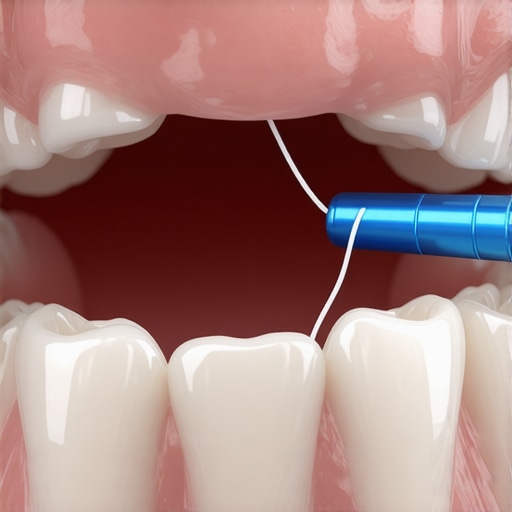
Tools That Actually Reach the Hidden Gaps
Standard floss is often your enemy here because it is too thick and usually snaps when you try to force it into tight prosthetic margins. I remember a Tuesday night where I got a piece of fiber trapped and tried to use a traditional wooden toothpick out of desperation. It was a disaster; I felt a sharp pinch and immediately saw blood. I wasn’t cleaning; I was traumatizing my gum tissue and risking the seal of the bridge. Instead, you need a bridge-specific threader or specialized super floss. These tools have a stiffened plastic end that acts like a needle, allowing you to guide the thicker, fuzzy cleaning section directly through the ‘tunnel’ under the fake tooth without struggle.
Master the Horizontal Glide
The trick to effective cleaning is to move horizontally, not vertically. Once the threader is through the gap, pull it back and forth like you’re polishing a shoe. This friction dislodges the biofilm and sticky debris that a water flosser might miss. If you notice a persistent space forming where food traps more often, you might need to learn how to fix the gap that appeared between your gums and your new bridge, as gum recession can expand these caverns over time. By staying consistent with this mechanical removal, you are applying the same logic found in the 3 secrets to making your porcelain veneers last twenty years: gentle, regular removal of plaque is the only way to prevent structural failure of any cosmetic work.
Listen for the Silence of the Snap
When you finally clear the debris, the ‘full’ feeling should vanish instantly. If the pressure remains, or if you still notice a lingering sensation of copper, you should investigate how to handle the constant metallic taste after getting a new bridge as it could be a sign of a deeper issue. Precision flossing is not just about comfort; it is the fundamental maintenance required to ensure your investment remains intact and your breath stays fresh.Most people assume that more hygiene is always better, but I’ve seen patients literally scrub their way into a dental emergency. It’s a common myth in cosmetic dentistry that aggressive brushing keeps your prosthetics ‘sterile.’ In reality, excessive mechanical force is the fastest way to trigger gum recession, which actually expands those tiny caverns under your bridge. If you’re noticing that your gums are receding even though you brush twice a day, you might be overdoing it. Precision, not power, is the goal. I learned this the hard way when I tried to ‘deep clean’ my own bridge margins and ended up with a localized inflammation that made my gums look angry and translucent.
Why More Brushing Can Sometimes Make Things Worse
It sounds counterintuitive, but the ‘more is better’ philosophy often leads to the destruction of the biological width—the specific distance of tissue between the surface of the tooth and the bone. When you use stiff bristles or abrasive charcoal pastes, you aren’t just removing debris; you are micro-shredding the delicate attachment fibers that hold your gums to the anchor teeth. This can lead to the formation of those frustrating gaps we call ‘black triangles.’ If you’re already seeing these, you might need to explore 3 ways to fix the black triangles between your teeth after braces or dental work. A study published in the Journal of Prosthetic Dentistry highlights that the primary cause of bridge failure isn’t the material itself, but the ‘biological failure’ of the supporting structures due to improper mechanical trauma and subsequent plaque accumulation.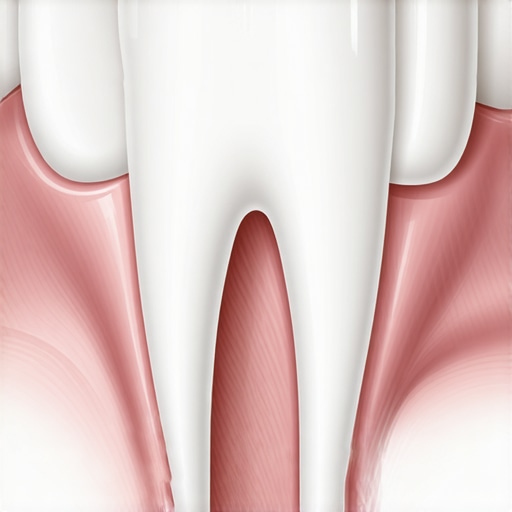
Why do some bridges fail despite perfect hygiene?
The hidden nuance that many experts don’t discuss is the chemistry of your saliva and the abrasivity of your toothpaste. If you are using a high-RDA (Relative Dentin Abrasivity) whitening toothpaste on porcelain, you aren’t whitening it—porcelain doesn’t change color like natural enamel. Instead, you are microscopic-scratching the glaze. These scratches become magnets for biofilm. This is a common ‘oops’ factor; patients think they are maintaining a veneers transformation or a new bridge, but they are actually stripping away the protective finish that keeps the restoration stain-resistant. This can lead to a situation where your porcelain veneers don’t match your natural teeth because the scratched surface has picked up extrinsic stains from coffee or wine.
The Trap of Chemical Over-Cleaning
Another mistake is the over-reliance on harsh whitening gels or charcoal powders near the bridge margins. These can irritate the sulcus and lead to a ‘zing’ sensation that mimics a cavity. If you’ve wondered whether charcoal powder is actually ruining your enamel, the answer is often a resounding yes for those with bridges, as the particles can get lodged under the pontic and cause chronic irritation. If the bridge ever starts to feel compromised beyond a simple cleaning, it’s worth looking into dental implants 2025 innovations that redefine comfort and durability as a more permanent, easier-to-clean alternative. Have you ever fallen into this trap of over-cleaning and ended up with sensitive gums? Let me know in the comments. To ensure everything was done correctly from the start, check how to tell if your veneers were bonded correctly to the enamel to rule out structural issues versus hygiene errors.
Upgrade Your Toolkit for Precision Cleaning
If you’re serious about your investment, you need to stop using those generic grocery store picks. I personally shifted to using a dedicated interproximal brush with a plastic-coated wire—specifically the TePe brand—because the metal core on cheaper versions can actually scratch the abutment of an implant or the ceramic of a bridge. According to the late Dr. Carl Misch, a pioneer in modern implantology and author of Contemporary Implant Dentistry, even microscopic scratches on the surface of dental restorations can accelerate plaque colonization and lead to structural failure. That’s why choosing the right size is non-negotiable. If the brush is too small, it won’t sweep away the debris; if it’s too large, you’re traumatizing the gums. You want a brush that glides in with just a hint of resistance. This is one of the most practical family dentistry tips for a lifetime of healthy smiles I’ve ever implemented in my own routine.
How do I maintain my cosmetic dental work over the long haul?
Maintenance is less about the hours spent and more about the frequency of low-impact care. Think of it like maintaining a high-performance car. You don’t wait for the engine to smoke before checking the oil. For my bridge, I use a water flosser on the lowest pressure setting twice a week to flush the ‘pontic’ area, but I rely on mechanical flossing for daily biofilm removal. This dual approach is one of the 3 secrets to making your porcelain veneers last twenty years or longer. If you’re only using water, you’re missing the sticky film that eventually hardens into tartar. 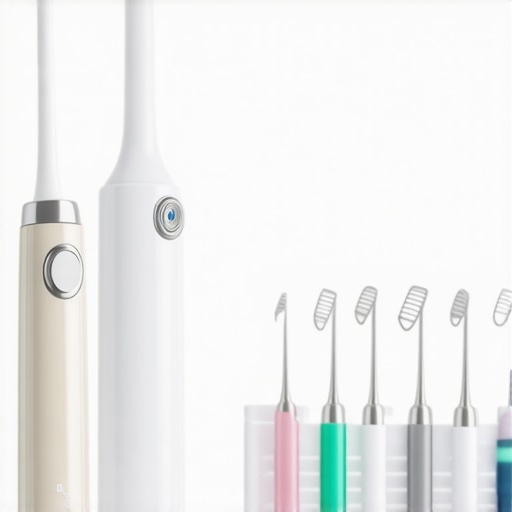
The Era of Smart Dental Monitoring
Looking ahead, I’m genuinely excited about how the future of dental implants and bridges is shifting toward biological integration. We are already seeing dental implants 2025 innovations that redefine comfort and durability, such as smart sensors embedded in prosthetics that can detect early-stage inflammation before you even feel a ‘zinger.’ Within the next decade, your bridge might even sync with your phone to tell you exactly where food is trapped. This proactive technology will completely change how dental implants reshape your oral health in 2025 and beyond, moving us away from reactive ‘drilling and filling.’ For now, your best defense is still a specialized threader and a gentle hand. I strongly recommend trying a specialized bridge threader tonight—specifically focusing on the ‘horizontal glide’ I mentioned earlier—to see if that lingering sensation of pressure finally vanishes.
Hard Truths I Learned About Keeping a Bridge Clean
Reflecting on my own journey, I realized that a dental bridge is a commitment, not just a one-time procedure. One of my biggest lightbulb moments was realizing that the anchor teeth—the ones holding the bridge in place—are actually more vulnerable to decay than they were before the bridge was placed. This is why staying ahead of plaque is non-negotiable. I also learned that the cosmetic dentistry secrets to boost your confidence aren’t hidden in the dental office, but in your bathroom cabinet. Consistency beats intensity every single time. Finally, I discovered that if you feel even a tiny bit of discomfort, it is much easier to fix the gap that appeared between your gums and your new bridge early on rather than waiting for the entire restoration to fail.
My Minimalist Toolkit for Bridge Care
I have narrowed my daily routine down to four essential items that provide the most value without taking up an hour of my morning. First, I use a high-quality water flosser on a low setting; it’s the best way to flush out loose debris. Second, I swear by TePe interdental brushes for that mechanical ‘scrub’ that water alone can’t provide. Third, I always keep a pack of Super Floss nearby for on-the-go cleaning after meals. I also regularly revisit family dentistry tips for a lifetime of healthy smiles to make sure I’m keeping my natural teeth just as healthy as my cosmetic work. These tools are the foundation of the 3 secrets to making your porcelain veneers last twenty years, and they apply perfectly to bridges as well.
Your Smile Deserves This Level of Protection
Ultimately, the time you invest in cleaning under your bridge is an investment in your future self. You want to be the person who still has a rock-solid, beautiful smile a decade from now, rather than someone researching the future of dental implants because of a preventable infection. By mastering the horizontal glide and staying curious about your oral health, you are taking full control of your cosmetic dentistry outcome. Your comfort is worth the extra two minutes at the sink. What is the biggest challenge you face when trying to keep your dental work clean? Let me know in the comments below!