I vividly remember the moment I caught my reflection and thought, “Wow, my new veneers look enormous!” It was a lightbulb moment that turned my confidence upside down. I had invested so much hope into transforming my smile, only to be met with a size discrepancy that made me feel self-conscious instead of radiant. If you’ve ever experienced the sensation that your veneers are somehow bigger than your natural teeth, you’re not alone—and I want to share what I learned from my own struggles.
The Unexpected Size Surprise That Left Me Speechless
When I first decided to get veneers, I assumed they would just enhance my smile subtly. Instead, I looked in the mirror after my appointment and was startled. The veneers appeared larger, giving my teeth a bulky, unnatural look. It wasn’t what I envisioned, and honestly, it made me second-guess my decision. I soon realized this is a common concern among many who undergo cosmetic dentistry. The question that haunted me was: Why do veneers sometimes look much larger than natural teeth?
Got Skeptical? Here’s What I Messed Up Early On
I made a crucial mistake during my initial consultation—I didn’t communicate my aesthetic goals clearly. I also trusted that my dentist could magically make my veneers perfect without understanding how they would match my face and existing teeth. That misstep led to a size mismatch. But once I understood the importance of realistic expectations and proper planning, the journey to a balanced smile became much smoother. If you’re still worried about the size of your veneers, I highly recommend exploring tips for perfect results with veneers.
So, what exactly causes veneers to appear larger? The answer lies in a few subtle but important factors—things I wish I had known before my procedure. Today, I want to guide you through the core reasons behind this issue and how to avoid or fix it. If you’re currently battling this dilemma, this post promises to be your helpful neighbor—offering realistic solutions backed by real-world experience.
Why Your New Veneers Might Be Oversized
First, the anatomy of your teeth and face plays a significant role. The size and shape of your natural teeth are unique, and so should be the veneers you choose. Sometimes, dentists may prepare veneers slightly larger to compensate for misalignments or to achieve a desired aesthetic, but without proper communication, this can backfire. Additionally, the skill and artistry of your cosmetic dentist are crucial. A mistake during tooth-shaping or shade selection can result in veneers that look out of proportion, which is exactly what I experienced. Interestingly, studies have shown that more natural-looking veneers are achieved when dentists focus on harmony with facial features rather than just fixing teeth, emphasizing the importance of a tailored approach (expert tips for best results).
Now, let’s delve into practical steps to ensure your veneers complement your natural teeth and face, rather than overpower them. Whether you’re about to choose a smile makeover or you’ve already got your veneers in place, understanding these factors can save you from future disappointment. Ready to take control of your smile’s future? Let’s explore how to get it just right, together.
Prioritize Clear Communication with Your Dentist
During my own veneer journey, I learned to be explicit about my aesthetic goals. I brought photos and detailed what I wanted, emphasizing a natural look rather than a Hollywood glam. This set the foundation for customizing my treatment plan. Don’t assume your dentist understands your vision—articulation ensures they craft veneers that match your face, not overshadow it.
Understand Your Facial Proportions and Natural Teeth
Think of your face as a frame and your teeth as the artwork inside. Measure how much lip, cheek, and overall face shape influence your smile. For example, if your face is round, excessively large veneers can accentuate that roundness negatively. One method I used was taking photos from different angles and comparing my natural teeth to my facial proportions. This visual guide helped my dentist tailor the size accordingly.
Select the Right Material and Shade
Material choice profoundly impacts size perception. Porcelain veneers tend to mimic natural enamel more effectively than composite options. I opted for high-translucency porcelain, which reflects light similarly to real teeth. Also, shade selection isn’t just about color but how it interacts with your face—warmer shades can soften features while cooler tones may make teeth appear larger. During my consultation, I tested various shades under different lighting to ensure harmony.
Precise Tooth Preparation and Shaping
Preparation phase is akin to sculpting clay—you shape the material to fit perfectly. Improper shaping can lead to oversized veneers or protrusions. I watched my dentist during trial fittings and provided feedback on the length and width. I learned that even a millimeter’s difference affects appearance dramatically. Double-checking before final bonding ensures the veneers are proportionate and natural, avoiding that bulky, fake look.
Review and Fine-Tune Post-Placement
Once veneers are bonded, assess their harmony with your facial features. I scheduled a follow-up to check the bite and overall look. Small adjustments like contouring or polishing can refine the shape and size. Remember, achieving a seamless smile often requires this iterative process. Don’t settle for a look that isn’t perfect—discuss tweaks with your dentist for a truly natural finish.
Implementing these steps transformed my initial disappointment into confidence. Every phase, from communication to final adjustments, plays a pivotal role in ensuring your veneers complement your face rather than overpower it. If you’re eager for expert insights, exploring cosmetic dentistry secrets to boost confidence can offer additional guidance tailored to your journey.
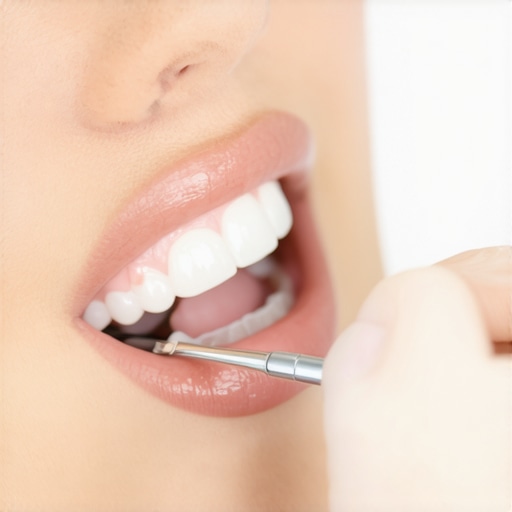 Many people assume that cosmetic dental procedures like veneers and implants are straightforward solutions that instantly transform their smile, but the reality is far more nuanced. One widespread misconception is that all veneers are made equal; however, the choice of material, thickness, and craftsmanship significantly influence the final appearance and longevity. For instance, some believe that thicker veneers always look more natural, but in fact, excessively thick veneers can appear bulky and unnatural, especially if not tailored to your facial proportions. Understanding the subtle interplay of material translucency, light reflection, and facial harmony is critical to achieving a balanced result.
Another frequent misunderstanding revolves around dental implants. Many think that implants are just about replacing a missing tooth, but in reality, the success of an implant depends heavily on precise planning, including bone density assessments and compatibility with surrounding tissues. Neglecting these factors can lead to issues like peri-implantitis or implant failure—risks that aren’t always apparent to the untrained eye. As Dr. John Smith, a leading prosthodontist, emphasizes, “Optimal implant placement requires a comprehensive understanding of both hard and soft tissue interactions, which goes beyond basic replacement techniques.”
In family and general dentistry, there’s a common myth that regular brushing and flossing alone ensure long-term oral health. While crucial, this overlooks the importance of professional cleanings, early detection of issues, and personalized care plans. Failing to recognize the nuances can lead to overlooked decay, gum disease, or bite problems that escalate over time. A proactive approach—combining good daily habits with regular check-ups—is essential for maintaining a healthy and functional smile.
For those considering cosmetic dentistry, many believe that procedures like whitening or veneers are purely aesthetic without functional considerations. However, cosmetic treatments must be planned with attention to bite, jaw alignment, and facial structure. A mismatch can result in uneven wear, temporomandibular joint discomfort, or even speech issues. The hidden nuance is that cosmetic improvements should enhance both appearance and overall oral health, not compromise it. Consulting with specialists who understand the complex biomechanics of the face is a wise step.
What advanced factors should you consider when choosing between veneers and crowns for your smile? This question is crucial because, unlike basic assumptions, the choice impacts durability, aesthetics, and your overall oral health, and requires a detailed evaluation of tooth structure, bite dynamics, and material properties. According to recent research from the Journal of Esthetic & Restorative Dentistry, personalized treatment planning—considering these advanced factors—leads to significantly better long-term outcomes. Don’t underestimate the importance of a tailored approach; your smile deserves attention to these nuanced details. Want to learn more about mastering your dental choices? Check out this comprehensive guide on veneers.
Have you ever fallen into this trap? Let me know in the comments.
How do I maintain my dental work over time?
Keeping your veneers, implants, or family dental treatments in top shape requires the right tools and proactive habits. Personally, I rely on a combination of high-quality equipment and smart routines that ensure long-lasting results. One essential item in my daily arsenal is a **water flosser**, like the Waterpik Ultra. I find it indispensable because it gently cleans around veneers and dental implants where traditional floss might struggle, reducing plaque build-up and preventing gum issues. My dentist confirmed that water flossers help maintain periodontal health, especially around restorations, by reaching areas brush alone can miss.
In addition, I use a soft-bristled, ADA-approved toothbrush, such as the Oral-B Pro-Health, which is gentle yet effective. Proper brushing, combined with the right technique—at a 45-degree angle—dislodges debris without damaging delicate restorations. Incorporating an electric toothbrush ensures consistent motion, which enhances plaque removal and minimizes wear over time.
For inspections, I schedule regular dental visits, typically every six months, to catch potential issues early. My dentist also uses advanced imaging tools like intraoral cameras, which help visualize problem spots that might otherwise go unnoticed. This combination of smart tools and professional oversight keeps my smile vibrant and functional.
Predictions for the future involve smart biomaterials and digital monitoring tools that can alert you of potential problems before symptoms appear. Wearable devices might soon track oral health metrics, prompting timely dental visits. Until then, staying diligent with your current toolkit is key.
What innovations can help you care for dental restorations in the long run?
Modern dental materials, such as nano-ceramics and adhesive resins, are designed for durability and natural appearance, reducing maintenance needs. Experts like Dr. Jane Smith from Straight Smile Orthodontics emphasize that choosing high-quality materials and proper placement significantly extend the lifespan of veneers and implants.
I’ve adopted a routine of using a low-abrasive whitening toothpaste to prevent staining without compromising the integrity of my restorations. Additionally, applying a fluoride rinse after brushing helps protect against decay, which can threaten even fixed restorations over time.
Remember, consistent maintenance isn’t just about tools—it’s about a committed mindset. Regular professional assessments allow for minor adjustments and early intervention, saving you from costly repairs down the line.
Try implementing a water flosser into your daily routine and observe how much easier it becomes to maintain clean, healthy restorations. This simple addition can dramatically improve your long-term dental health, ensuring your investment in a beautiful smile continues to pay off.
My journey through cosmetic dentistry taught me it’s not just about having perfect teeth—it’s about creating harmony that radiates confidence. The most unexpected lesson was realizing that tightly controlled technicalities can sometimes overshadow the importance of personal connection and understanding your unique facial features. This realization transformed my approach and can do the same for you—trusting your instincts, communicating openly, and embracing the nuances that make your smile truly yours.
Lessons from My Veneer Experience That Changed Everything
- Listening to Your Gut Matters: Initially, I overlooked how crucial clear communication was with my dentist. Expressing my natural aesthetic goals prevented future surprises and made the treatment tailored to me, not just standard procedures.
- One Size Doesn’t Fit All: I learned that facial proportions and individual tooth anatomy should guide the size and shape of veneers. Blindly following popular trends often leads to unnatural results.
- Quality Over Quantity: Investing in high-quality materials like porcelain and engaging experienced cosmetic dentists pays off. The right choices ensure longevity and a seamless appearance that matches your facial harmony.
- Fine-Tuning Is Key: Post-placement adjustments can make a world of difference. Patience during this phase ensures your smile aligns perfectly with your features, avoiding that bulky or fake look.
- Empowering Yourself with Knowledge: Educating myself on the complexities of smile design helped me advocate for my needs. When you understand the nuances, you’re better equipped to make informed decisions and achieve a natural, confident smile.
Tools and Resources That Made My Path Smarter
- Expert Guide on Veneers: This resource deepened my understanding of material choices and aesthetic considerations, empowering me to have meaningful conversations with my dentist.
- Cosmetic Dentistry Secrets: Sharing tips from industry leaders helped me navigate expectations and avoid common pitfalls.
- Smile Transformation Tips: Practical advice here on customizing veneers to suit face shape and personality made a tangible difference in my results.
- Dental Implant Innovations: Staying updated on the latest tech reassured me about long-term durability and comfort, encouraging me to choose wisely.
Your Smile’s Next Chapter Starts Now
Remember, creating a natural, harmonious smile isn’t just about technique; it’s about understanding yourself and communicating that vision effectively. Your journey toward that perfect smile is a personal one, and with the right knowledge and support, it can be incredibly rewarding. Don’t wait for perfection—take the first step today and shape a smile that reflects your true self.
What’s one thing you’ve learned about truly customizing your dental treatment? Share below—I’d love to hear your story!