Have you ever looked in the mirror and noticed that around a dental crown, your gums have taken on a strange, dark red hue? It’s unsettling, isn’t it? I remember the day I first saw it on myself. That sharp, almost alarming change in color made me panic a little. Was it infection? Could I be losing my implant? Or worse—something sinister lurking beneath the surface? That moment of worry is painfully familiar to many, especially when we’ve already invested so much into perfecting our smile.
What’s Really Going On When Your Gums Turn Dark Red
This unexpected change in gum color isn’t just a cosmetic issue; it’s a signal from your body that something might be amiss. The dark red around your dental crown could be due to various factors—gingival inflammation, irritation from the crown material, or even the growth of bacteria at the gum line. Early on, I fell into the trap of ignoring these signs, thinking they’d resolve on their own or that it was just a temporary reaction. But as I learned the hard way, neglecting this can lead to more serious issues like peri-implantitis, which jeopardizes the entire implant or crown. According to the American Academy of Periodontology, persistent gum inflammation around a dental implant can result in implant failure if not addressed timely. That’s when I realized—the redness was not just a color change; it was a warning call.
Does It Really Matter If My Gums Are Red?
Absolutely. Ignoring gum discoloration can lead to rapid deterioration of the supporting bone and tissue, ultimately risking the health of your entire smile. Early intervention can prevent complex surgeries or implants replacement later. Trust me, I’ve been there, making the same mistakes everyone does by brushing off the warning signs. It’s vital to understand that what seems like a minor cosmetic issue can quickly evolve into a serious health concern if left untreated. If you’ve noticed similar symptoms, don’t wait—your smile’s health depends on catching and addressing these signs early.
So, today, we’re going to explore why this happens and, most importantly, what you can do about it. From simple care routines to seeking professional help, I’ll guide you through the steps to restore your gums and protect your investment in that beautiful smile. Want to learn how to identify the real cause and fix it before it gets worse? Keep reading.
}#}#}#}#}#}#}#}#}#}#}#}#}#}#}#}#}#}#}#}#}#}#}#}#}#}#}#}#}#}#}#}#}#}#}#}#}#}#}#}#}#}#}#}#}#}#}#}#}#}#}#}#}#}#}#}#}#}#}#}#}#}#}#}#}#}#}#}#}#}#}#}#}#}#}#}#}#}#}#}#}#}#}#}#}#}#}#}#}#}#}#}#}#}#}#}#}#}#}#}#}#}#}#}#}#}#}#}#}#}#}#}#}#}#}#}#}#}#}#}#}#}#}#}#}#}#}#}#}#}#}#}#}#}#}#}#}#}#}#}#}#}#}#}#}#}#}#}#}#}#}#}#}#}#}#}#}#}#}#}#}#}#}#}#}#}#}#}#}#}#}#}#}#}#}#}#}#}#}#}#}#}#}#}#}#}#}#}#}#}#}#}#}#}#}#}#}#}#}#}#}#}#}#}#}#}#}#}#}#}#}#}#}#}#}#}#}#}#}#}#}#}#}#}#}#}#}#}#}#}#}#}#}#}#}#}#}#}#}#}#}#}#}#}#}#}#}#}#}#}#}#}#}#}#}#}#}#}#}#}#}#}#}#}#}#}#}#}#}#}#}#}#}#}#}#}#}#}#}#}#}#}#}#}#}#}#}#}#}#}#}#}#}#}#}#}#}#}#}#}#}#}#}#}#}#}#}#}#}#}#}#}#}#}#}#}#}#}#}#}#}#}#}#}#}#}#}#}#}#}#}#}#}#}#}#}#}#}#}#}#}#}#}#}#}#}#}#}#}#}#}#}#}#}#}#}#}#}#}#}#}#}#}#}#}#}#}#}#}#}#}#}#}#}#}#}#}#}#}#}#}#}#}#}#}#}#}#}#}#}#}#}#}#}#}#}#}#}#}#}#}#}#}#}#}#}#}#}#}#}#}#}#}#}#}#}#}#}#}#}#}#}#}#}#}#}#}#}#}#}#}#}#}#}#}#}#}#}#}#}#}#}#}#}#}#}#}#}#}#}#}#}#}#}#}#}#}#}#}#}#}#}#}#}#}#}#}#}#}#}#}#}#}#}#}#}#}#}#}#}#}#}#}#}#}#}#}#}#}#}#}#}#}#}#}#}#}#}#}#}#}#}#}#}#}#}#}#}#}#}#}#}#}#}#}#}#}#}#}#}#}#}#}#}#}#}#}#}#}#}#}#}#}#}#}#}#}#}#}#}#}#}#}#}#}#}#}#}#}#}#}#}#}#}#}#}#}#}#}#}#}#}#}#}#}#}#}#}#}#}#}#}#}#}#}#}#}#}#}#}#}#}#}#}#}#}#}#}#}#}#}#}#}#}#}#}#}#}#}#}#}#}#}#}#}#}#}#}#}#}#}#}#}#}#}#}#}#}#}#}#}#}#}#}#}#}#}#}#}#}#}#}#}#}#}#}#}#}#}#}#}#}#}#}#}#}#}#}#}#}#}#}#}#}#}#}#}#}#}#}#}#}#}#}#}#}#}#}#}#}#}#}#}#}#}#}#}#}#}#}#}#}#}#}#}#}#}#}#}#}#}#}#}#}#}#}#}#}#}#}#}#}#}#}#}#}#}#}#}#}#}#}#}#}#}#}#}#}#}#}#}#}#}#}#}#}#}#}#}#}#}#}#}#}#}#}#}#}#}#}#}#}#}#}#}#}#}#}#}#}#}#}#}#}#}#}#}#}#}#}#}#}#}#}#}#}#}#}#}#}#}#}#}#}#}#}#}#}#}#}#}#}#}#}#}#}#}#}#}#}#}#}#}#}#}#}#}#}#}#}#}#}#}#}#}#}#}#}#}#}#}#}#}#}#}#}#}#}#}#}#}#}#}#}#}#}#}#}#}#}#}#}#}#}#}#}#}#}#}#}#}#}#}#}#}#}#}#}#}#}#}#}#}#}#}#}#}#}#}#}#}#}#}#}#}#}#}#}#}#}#}#}#}#}#}#}#}#}#}#}#}#}#}#}#}#}#}#}#}#}#}#}#}#}#}#}#}#}#}#}#}#}#}#}#}#}#}#}#}#}#}#}#}#}#}#}#}#}#}#}#}#}#}#}#}#}#}#}#}#}#}#}#}#}#}#}#}#}#}#}#}#}#}#}#}#}#}#}#}#}#}#}#}#}#}#}#}#}#}#}#}#}#}#}#}#}#}#}#}#}#}#}#}#}#}#}#}#}#}#}#}#}#}#}#}#}#}#}#}#}#}#}#}#}#}#}#}#}#}#}#}#}#}#}#}#}#}#}#}#}#}#}#}#}#}#}#}#}#}#}#}#}#}#}#}#}#}#}#}#}#}#}#}#}#}#}#}#}#}#}#}#}#}#}#}#}#}#}#}#}#}#}#}#}#}#}#}#}#}#}#}#}#}#}#}#}#}#}#}#}#}#}#}#}#}#}#}#}#}#}#}#}#}#}#}#}#}#}#}#}#}#}#}#}#}#}#}#}#}#}#}#}#}#}#}#}#}#}#}#}#}#}#}#}#}#}#}#}#}#}#}#}#}#}#}#}#}#}#}#}#}#}#}#}#}#}#}#}#}#}#}#}#}#}#}#}#}#}#}#}#}#}#}#}#}#}#}#}#}#}#}#}#}#}#}#}#}#}#}#}#}#}#}#}#}#}#}#}#}#}#}#}#}#}#}#}#}#}#}#}#}#}#}#}#}#}#}#}#}#}#}#}#}#}#}#}#}#}#}#}#}#}#}#}#}#}#}#}#}#}#}#}#}#}#}#}#}#}#}#}#}#}#}#}#}#}#}#}#}#}#}#}#}#}#}#}#}#}#}#}#}#}#}#}#}#}#}#}#}#}#}#}#}#}#}#}#}#}#}#}#}#}#}#}#}#}#}#}#}#}#}#}#}#}#}#}#}#}#}#}#}#}#}#}#}#}#}#}#}#}#}#}#}#}#}#}#}#}#}#}#}#}#}#}#}#}#}#}#}#}#}#}#}#}#}#}#}#}#}#}#}#}#}#}#}#}#}#}#}#}#}#}#}#}#}#}#}#}#}#}#}#}#}#}#}#}#}#}#}#}#}#}#}#}#}#}#}#}#}#}#}#}#}#}#}#}#}#}#}#}#}#}#}#}#}#}#}#}#}#}#}#}#}#}#}#}#}#}#}#}#}#}#}#}#}#}#}#}#}#}#}#}#}#}#}#}#}#}#}#}#}#}#}#}#}#}#}#}#}#}#}#}#}#}#}#}#}#}#}#}#}#}#}#}#}#}#}#}#}#}#}#}#}#}#}#}#}#}#}#}#}#}#}#}#}#}#}#}#}#}#}#}#}#}#}#}#}#}#}#}#}#}#}#}#}#}#}#}#}#}#}#}#}#}#}#}#}#}#}#}#}#}#}#}#}#}#}#}#}#}#}#}#}#}#}#}#}#}#}#}#}#}#}#}#}#}#}#}#}#}#}#}#}#}#}#}#}#}#}#}#}#}#}#}#}#}#}#}#}#}#}#}#}#}#}#}#}#}#}#}#}#}#}#}#}#}#}#}#}#}#}#}#}#}#}#}#}#}#}#}#}#}#}#}#}#}#}#}#}#}#}#}#}#}#}#}#}#}#}#}#}#}#}#}#}#}#}#}#}#}#}#}#}#}#}#}#}#}#}#}#}#}#}#}#}#}#}#}#}#}#}#}#}#}#}#}#}#}#}#}#}#}#}#}#}#}#}#}#}#}#}#}#}#}#}#}#}#}#}#}#}#}#}#}#}#}#}#}#}#}#}#}#}#}#}#}#}#}#}#}#}#}#}#}#}#}#}#}#}#}#}#}#}#}#}#}#}#}#}#}#}#}#}#}#}#}#}#}#}#}#}#}#}#}#}#}#}#}#}#}#}#}#}#}#}#}#}#}#}#}#}#}#}#}#}#}#}#}#}#}#}#}#}#}#}#}#}#}#}#}#}#}#}#}#}#}#}#}#}#}#}#}#}#}#}#}#}#}#}#}#}#}#}#}#}#}#}#}#}#}#}#}#}#}#}#}#}#}#}#}#}#}#}#}#}#}#}#}#}#}#}#}#}#}#}#}#}#}#}#}#}#}#}#}#}#}#}#}#}#}#}#}#}#}#}#}#}#}#}#}#}#}#}#}#}#}#}#}#}#}#}#}#}#}#}#}#}#}#}#}#}#}#}#}#}#}#}#}#}#}#}#}#}#}#}#}#}#}#}#}#}#}#}#}#}#}#}#}#}#}#}#}#}#}#}#}#}#}#}#}#}#}#}#}#}#}#}#}#}#}#}#}#}#}#}#}#}#}#}#}#}#}#}#}#}#}#}#}#}#}#}#}#}#}#}#}#}#}#}#}#}#}#}#}#}#}#}#}#}#}#}#}#}#}#}#}#}#}#}#}#}#}#}#}#}#}#}#}#}#}#}#}#}#}#}#}#}#}#}#}#}#}#}#}#}#}#}#}#}#}#}#}#}#}#}#}#}#}#}#}#}#}#}#}#}#}#}#}#}#}#}#}#}#}#}#}#}#}#}#}#}#}#}#}#}#}#}#}#}#}#}#}#}#}#}#}#}#}#}#}#}#}#}#}#}#}#}#}#}#}#}#}#}#}#}#}#}#}#}#}#}#}#}#}#}#}#}#}#}#}#}#}#}#}#}#}#}#}#}#}#}#}#}#}#}#}#}#}#}#}#}#}#}#}#}#}#}#}#}#}#}#}#}#}#}#}#}#}#}#}#}#}#}#}#}#}#}#}#}#}#}#}#}#}#}#}#}#}#}#}#}#}#}#}#}#}#}#}#}#}#}#}#}#}#}#}#}#}#}#}#}#}#}#}#}#}#}#}#}#}#}#}#}#}#}#}#}#}#}#}#}#}#}#}#}#}#}#}#}#}#}#}#}#}#}#}#}#}#}#}#}#}#}#}#}#}#}#}#}#}#}#}#}#}#}#}#}#}#}#}#}#}#}#}#}#}#}#}#}#}#}#}#}#}#}#}#}#}#}#}#}#}#}#}#}#}#}#}#}#}#}#}#}#}#}#}#}#}#}#}#}#}#}#}#}#}#}#}#}#}#}#}#}#}#}#}#}#}#}#}#}#}#}#}#}#}#}#}#}#}#}#}#}#}#}#}#}#}#}#}#}#}#}#}#}#}#}#}#}#}#}#}#}#}#}#}#}#}#}#}#}#}#}#}#}#}#}#}#}#}#}#}#}#}#}#}#}#}#}#}#}#}#}#}#}#}#}#}#}#}#}#}#}#}#}#}#}#}#}#}#}#}#}#}#}#}#}#}#}#}#}#}#}#}#}#}#}#}#}#}#}#}#}#}#}#}#}#}#}#}#}#}#}#}#}#}#}#}#}#}#}#}#}#}#}#}#}#}#}#}#}#}#}#}#}#}#}#}#}#}#}#}#}#}#}#}#}#}#}#}#}#}#}#}#}#}#}#}#}#}#}#}#}#}#}#}#}#}#}#}#}#}#}#}#}#}#}#}#}#}#}#}#}#}#}#}#}#}#}#}#}#}#}#}#}#}#}#}#}#}#}#}#}#}#}#}#}#}#}#}#}#}#}#}#}#}#}#}#}#}#}#}#}#}#}#}#}#}#}#}#}#}#}#}#}#}#}#}#}#}#}#}#}#}#}#}#}#}#}#}#}#}#}#}#}#}#}#}#}#}#}#}#}#}#}#}#}#}#}#}#}#}#}#}#}#}#}#}#}#}#}#}#}#}#}#}#}#}#}#}#}#}#}#}#}#}#}#}#}#}#}#}#}#}#}#}#}#}#}#}#}#}#}#}#}#}#}#}#}#}#}#}#}#}#}#}#}#}#}#}#}#}#}#}#}#}#}#}#}#}#}#}#}#}#}#}#}#}#}#}#}#}#}#}#}#}#}#}#}#}#}#}#}#}#}#}#}#}#}#}#}#}#}#}#}#}#}#}#}#}#}#}#}#}#}#}#}#}#}#}#}#}#}#}#}#}#}#}#}#}#}#}#}#}#}#}#}#}#}#}#}#}#}#}#}#}#}#}#}#}#}#}#}#}#}#}#}#}#}#}#}#}#}#}#}#}#}#}#}#}#}#}#}#}#}#}#}#}#}#}#}#}#}#}#}#}#}#}#}#}#}#}#}#}#}#}#}#}#}#}#}#}#}#}#}#}#}#}#}#}#}#}#}#}#}#}#}#}#}#}#}#}#}#}#}#}#}#}#}#}#}#}#}#}#}#}#}#}#}#}#}#}#}#}#}#}#}#}#}#}#}#}#}#}#}#}#}#}#}#}#}#}#}#}#}#}#}#}#}#}#}#}#}#}#}#}#}#}#}#}#}#}#}#}#}#}#}#}#}#}#}#}#}#}#}#}#}#}#}#}#}#}#}#}#}#}#}#}#}#}#}#}#}#}#}#}#}#}#}#}#}#}#}#}#}#}#}#}#}#}#}#}#}#}#}#}#}#}#}#}#}#}#}#}#}#}#}
Start with Proper Oral Hygiene
Begin by gently brushing your gums twice a day with a soft-bristled toothbrush. Use fluoride toothpaste and focus on the gum line to remove plaque buildup that can contribute to inflammation. Incorporating interdental brushes or water flossers can help clean hard-to-reach areas beneath the crown, reducing bacteria that cause redness. Once, I started using a water flosser, and it visibly improved my gum health within days, showing less redness and bleeding.
Assess Your Diet and Habits
Limit sugary and acidic foods which can irritate your gums and promote bacterial growth. Avoid smoking and alcohol, as they impair healing and exacerbate inflammation. I once cut back on sugary snacks after noticing my gums became less red and tender, which made me realize how lifestyle plays a crucial role. Maintaining a balanced diet rich in vitamins C and D also boosts gum tissue regeneration.
Monitor for Irritants
Check if any oral products or the crown material itself is causing irritation. Sometimes, certain dental materials can provoke allergic reactions or sensitivities, leading to discoloration and redness. It’s wise to review your dental products and avoid alcohol-based mouthwashes if they cause discomfort. When I suspected my mouthwash, I switched to a natural option, which significantly reduced gum inflammation.
Use Anti-Inflammatory Measures
Apply a warm saltwater gargle twice daily. Dissolve half a teaspoon of salt in a cup of warm water and swish for 30 seconds. This natural remedy helps reduce bacteria and soothe gum tissue. I used to do this after noticing minor redness and found it calmed my gums quickly. Over-the-counter gels containing aloe vera or hydrocortisone can also decrease inflammation, but consult your dentist before use.
Seek Professional Guidance Promptly
If you notice persistent dark red coloration or bleeding, schedule an appointment with your dentist without delay. They can evaluate whether there’s an underlying infection, irritation from the crown, or early signs of peri-implantitis. During my visit, my dentist cleaned the area thoroughly and adjusted the crown slightly to prevent ongoing irritation. Sometimes, replacing the crown with a biocompatible material may be necessary—consider exploring options like veneers if you’re contemplating future cosmetic enhancements (learn more about veneers vs crowns).
Adopt Long-Term Maintenance
Establish regular dental checkups, ideally every six months. Professional cleanings remove tartar and plaque, maintaining healthy gums. Additionally, discuss with your dentist about laser therapy or other advanced treatments if inflammation persists. Consistency in care has been key for me—sticking to professional advice prevents minor issues from escalating.
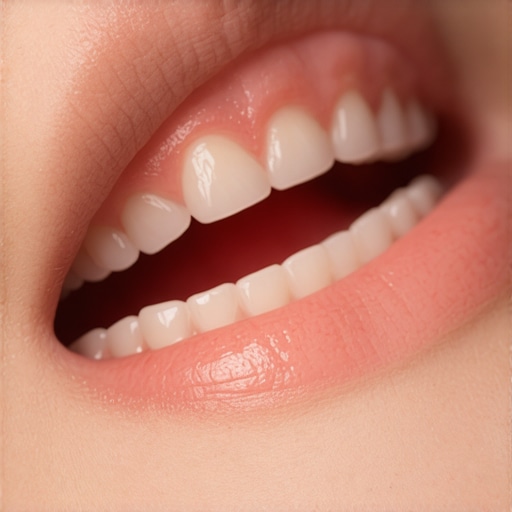
Why Most Patients Overlook the Nuances of Dental Restorations
While many believe that choosing between veneers or crowns is simply about aesthetics, the reality is far more complex. A common misconception is that all dental implants or cosmetic procedures are interchangeable or universally suitable. In my experience, understanding the subtle differences—such as the material properties, processes involved, and longevity—is crucial for making informed decisions. For instance, porcelain veneers work beautifully to correct minor imperfections, but they aren’t the best choice for severe misalignment or structural issues, which might require crowns or even orthodontic treatment. For a comprehensive comparison, see this detailed guide on veneers versus crowns.
Common Pitfall: Underestimating Long-Term Maintenance of Dental Implants
Many patients get excited about the immediate benefits but forget that implants demand ongoing care. A frequent mistake is believing that implants are maintenance-free, leading to neglect that can cause peri-implant disease. Even with the latest technology, such as advancements discussed in 2025 innovations in dental implants, proper hygiene and regular checkups are non-negotiable. Ignoring this can lead to bone loss and implant failure, which ironically could have been preventable. Real-world wisdom suggests embracing long-term maintenance routines, including professional cleanings and diligent at-home care, to safeguard your investment.
How Does Bone Density Affect Veneer and Implant Success? (A question for advanced readers)
Bone density significantly influences the success rates of both veneers and implants. Patients with compromised bone quality—often due to osteoporosis or long-term periodontal disease—face higher risks of complications. For implants, inadequate bone can impair osseointegration, making the procedure less predictable. Similarly, poor bone support can lead to veneer failure if the underlying structure isn’t sufficient to anchor the restorations. Emerging research underscores the importance of preoperative bone assessments using CBCT scans, which can predict the success probability more accurately and guide adjunctive procedures like bone grafting. To explore this further, consult this article on jawbone health and cosmetic outcomes.
In essence, understanding these nuanced factors can transform your approach to dental treatments from reactive to proactive. Never settle for a superficial solution when deeply personalized care can make all the difference. Remember, investing time in comprehensive planning and maintenance isn’t just for aesthetics—it’s about preserving your oral health long-term. Have you ever fallen into this trap? Let me know in the comments. For personalized guidance, consider consulting your dentist or specialists who focus on advanced restorative options.
Maintaining your dental work’s longevity requires more than routine brushing and flossing; it involves investing in the right tools and adopting proven methods that ensure your smile stays healthy and beautiful for years to come. One of my personal favorites is the use of a high-quality water flosser, such as the Oral-B Water Flosser. I chose this because it effectively removes plaque along the gum line and around implants, reducing inflammation and bleeding. Its pulsating jet reaches areas that traditional brushing often misses, making it an indispensable part of my daily routine. Incorporating such tools has been pivotal in preventing gum disease and preserving my restorations, including veneers and crowns.
Technology continues to advance, and I keep an eye on innovations like laser periodontal therapy devices, which can treat peri-implantitis with minimal invasiveness. According to recent developments in 2025 dental implant research, laser treatments promise quicker recovery and better long-term prognosis for implant patients. It’s exciting to think that in the near future, such minimally invasive procedures will become routine, vastly improving outcomes and patient comfort.
How do I maintain my dental work over time?
Regularly scheduled professional cleanings are essential. I schedule mine every six months and include specific check-ups for implants and veneers to catch issues early. Using an ultrasonic scaler during these visits helps remove tartar buildup without damaging delicate restorations. Complementing professional care, I employ a soft-bristled toothbrush paired with an electric toothbrush like the Philips Sonicare, which provides consistent, gentle cleaning and alerts me when I need to replace the brush head. This combination ensures my hygiene routine stays effective—an approach I highly recommend for anyone serious about preserving their dental investments.
Looking ahead, the trend points toward smarter dental tools integrated with AI technology. Imagine toothbrushes that analyze your gum health or detect early signs of decay and alert your dentist via app. Staying proactive is key; for instance, adopting a nightly fluoride rinse tailored to your specific needs can fortify your enamel against acid attacks. I personally try a fluoride mouth rinse with added xylitol, which has shown promising anti-cavity effects according to some latest dental studies.
If you’re wondering how to keep your dental work functioning smoothly, I advise you to try one advanced tip: incorporate a systematic cleaning routine with a water flosser and an electric toothbrush, then complement it with at-home fluoride treatments. This trio creates a powerful defense against plaque, bacterial infiltration, and decay, significantly extending the lifespan of your restorations. Don’t leave your smile’s future to chance—invest in the best equipment and routines today for a healthier, longer-lasting outcome.
What I Wish I Knew Before Choosing My Smile Makeover
One of the most valuable lessons I learned was that not all dental restorations are created equal. I used to believe that veneers, crowns, and implants were interchangeable, but understanding their nuanced differences significantly impacted my long-term dental health. For example, selecting a material that matches my bite strength and gum sensitivity prevented future mishaps. It’s a reminder that personalized treatment plans—tailored to your unique anatomy—are essential for lasting results. Dive into this guide on veneers versus crowns to explore how proper choices safeguard your investment.
My Unexpected Revelation About Maintaining Dental Success
I discovered that investing in advanced tools like electric toothbrushes and water flossers transformed my oral care routine. Traditional brushing isn’t enough when it comes to preserving delicate restorations like veneers or implants. Using a device such as the Philips Sonicare helped me reach areas I previously missed, reducing plaque and preventing discoloration. This small shift dramatically improved my gum health and longevity of my dental work. For comprehensive recommendations, visit expert tips on perfecting your smile transformation.
Why Overlooking Small Signs Can Cost You Big
Ignoring issues like gum redness or sensitivity might seem minor, but these are often warning signs of deeper problems. I learned that early intervention—whether through professional cleaning, adjustments, or material verification—can prevent complex procedures down the line. For example, a simple checkup caught early gum recession around my implant, saving me from potential failure. Regular dental visits are your best defense against unforeseen complications. Discover more about maintaining that fresh, healthy smile by exploring these preventive strategies.
Start Today: Your Authentic Smile Awaits
Your journey toward a resilient, beautiful smile begins with informed decisions and consistent care. Embrace new tools, heed early warning signs, and never shy away from professional advice. Remember, your smile isn’t just about aesthetics—it’s a reflection of your confidence and health. Take proactive steps now, and you’ll thank yourself later. Curious about how to elevate your dental routine? Visit this resource for insider secrets that make a real difference.