It was a morning like any other, but as I looked in the mirror, I noticed something unsettling—the gum around my dental implant looked darker than the rest. That lightbulb moment struck hard. For months, I had dismissed it as normal or maybe just a shadow, but deep down, I knew I needed to understand what was going on.
Deciphering the Mystery of Dark Gums Around Dental Implants
Dealing with dental issues is stressful enough, but when it comes to implants, the concern intensifies. I found myself asking, “Is this something I should ignore or urgent enough to see my dentist right away?” This question should be on the minds of anyone noticing changes around their implants. The reality is, darkening gums can be a sign of various underlying issues—some minor, others more serious—that deserve careful attention. Today, I want to share what I’ve learned, hoping to guide you through this confusing territory.
Could This Be Just a Normal Change or Something More Serious?
Early in my experience, I made a crucial mistake: I thought discoloration was just a cosmetic quirk. Turns out, ignoring it could lead to complications like infections or tissue damage. According to dental research, a darkening around implants can sometimes indicate peri-implantitis, an inflammatory process that affects the tissues surrounding the implant. The good news? Many issues are treatable if caught early. That’s why, in my journey, I learned it’s essential to differentiate between harmless changes and signs of trouble. If you’re facing similar concerns, don’t hesitate to schedule an appointment with your dentist. They can evaluate whether the darkness is a natural variation or a symptom of something more pressing. For more insight on the latest innovations in implant technology, check out the advancements described in [the future of dental implants](https://straightsmileortho.com/the-future-of-dental-implants-cutting-edge-techniques-in-cosmetic-dentistry).
Now, let’s explore how to identify when that dark hue needs professional attention—and what you can do now to protect your smile before things get worse.
,
Assess the Severity Early
When I first noticed the darkening around my implant, I didn’t jump to conclusions. I gently examined the area, checking for swelling, bleeding, or pus—clear signs of infection. Use a clean mirror and good lighting to perform a visual check. If you observe any of these signs, it’s crucial to act swiftly. Take a photo for documentation—it helps your dentist compare changes over time and provides accurate information during your consultation.
Prioritize Professional Consultation
Scheduling a dentist appointment was my next immediate step. Don’t delay—early intervention can prevent minor issues from escalating. Visit this page to find a trusted professional in your area. During your appointment, expect your dentist to perform a thorough examination, possibly including X-rays to assess bone health and implant stability. Be honest about your observations and concerns to facilitate accurate diagnosis.
Prepare for Diagnostic Procedures
My dentist recommended some diagnostic tests—X-rays and periapical imaging—to identify underlying causes such as peri-implantitis or tissue necrosis. These tools are like detailed maps revealing the unseen tissue or bone issues. Ensure you follow pre-procedure instructions—such as avoiding eating beforehand if needed—to get the clearest images. Accurate diagnostics are essential before any treatment plan can be formulated.
Follow Targeted Treatment Plans
Based on the diagnosis, treatment could range from professional cleaning to antibiotics or even minor surgical procedures. For early peri-implantitis, my dentist suggested non-surgical scaling and root planing, similar to deep cleaning but directly around the implant. Remember, adherence to prescribed medication and oral hygiene instructions significantly improves outcomes. I kept a detailed schedule of treatments to ensure consistency. If advanced intervention is necessary, be prepared to discuss options like laser therapy or regenerative procedures—more info on these innovations can be found here.
Implement Preventive Care
Post-treatment, I adopted stricter oral hygiene routines—brushing twice daily with soft-bristled brushes, flossing carefully around the implant, and using antiseptic mouthwash. Regular check-ups were scheduled every six months—more frequent if advised by my dentist. Just as maintaining a family’s health requires consistent effort, caring for your implant tissue is ongoing. Avoid irritants like smoking or overly acidic foods, which can aggravate healing or cause discoloration.
Stay Informed and Proactive
Educating myself about implant health helped me catch early warning signs. I regularly read trusted resources like veneers tips and advancements in cosmetic dentistry. Staying proactive means scheduling routine evaluations and discussing any anomalies with your dentist promptly. Remember, addressing issues early preserves both your implant and your smile’s aesthetic appeal.
When to Consider Advanced Cosmetic Steps
If discoloration persists despite good oral hygiene and professional care, consult about cosmetic options—such as veneers or crowns—that can mask or correct gum issues. These procedures are akin to renovating a worn-out facade—restoring confidence and appearance. For guidance on selecting the right approach, review veneers vs. crowns. Ensuring your smile remains healthy and attractive involves both addressing underlying problems and considering cosmetic enhancements when suitable.
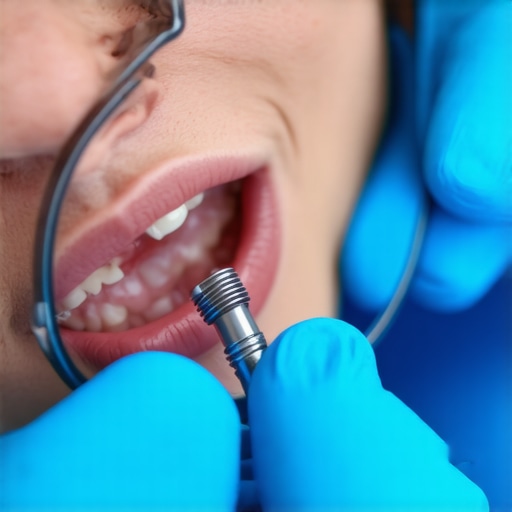 Many people assume that cosmetic dentistry treatments like veneers or dental implants are straightforward paths to a perfect smile, but the truth is far more nuanced. One common misconception is that all veneers are created equal, leading many to choose the cheapest option without understanding the differences in material quality and long-term durability. For instance, porcelain veneers are often touted as the gold standard, but some practitioners cut corners with composite alternatives that may stain or chip more easily, compromising your investment. This oversight can result in additional costly repairs down the line, highlighting the importance of consulting experienced professionals—see how they can help at contact us. Another widespread myth is that dental implants are an instant fix for missing teeth, when in reality, the implant process involves precise osteointegration, healing time, and careful planning to avoid complications like peri-implantitis, which, if neglected, can lead to implant failure. Advanced techniques, such as those discussed here, are transforming implant success rates and patient comfort. Additionally, many overlook the significance of family dentistry’s role in preventing these complex issues through regular check-ups and early intervention. Recognizing the subtle signs of gum recession or decay can make a huge difference in preserving oral health—more info is available at family dentistry tips. The greatest danger lies in underestimating the complexity behind seemingly simple treatments; each procedure involves risks and nuances that can impact your health and wallet. For example, selecting a provider based solely on price without verifying their credentials might expose you to subpar work or unnecessary procedures. It’s essential to research and choose clinics with proven expertise in the specialty you need. To go beyond surface-level understanding, consider the advanced procedures that can improve long-term outcomes—see innovations here. Remember, your smile is a complex biological system that deserves informed decisions. Have you ever fallen into this trap? Let me know in the comments.
Maintaining a radiant smile requires more than just visiting your dentist; it involves every day care, strategic tool use, and understanding the evolving technology in cosmetic dentistry and family dental practices. One of my personal favorites is investing in a high-quality ultrasonic toothbrush, such as the Phillips Sonicare DiamondClean. Its sonic technology effectively disrupts plaque and reaches deep into crevices, which manual brushes often miss. I personally prefer models with multiple brush head options, allowing customization for sensitive gums or targeted cleaning—especially around veneers or implants. These devices not only enhance oral hygiene but also extend the lifespan of dental work, preserving your investment over many years.
How do I maintain my dental work over time?
Consistent maintenance starts with smart tools—though technology alone isn’t enough. I incorporate an electric water flosser like the Waterpik Ultra to clean those hard-to-reach areas, particularly around dental implants and beneath bridges. It significantly reduces debris accumulation, helping prevent peri-implantitis, which experts warn can threaten long-term implant stability (source). For my routine check-ups, I rely on digital oral scanners, which provide detailed three-dimensional images of my mouth. This technology allows my dentist to monitor subtle changes over time, catching potential problems early before they escalate.
Staying ahead in dentistry means embracing emerging innovations. For instance, 3D-printed custom night guards are now precision-fitted to prevent bruxism damage—a common concern that can weaken veneers and crowns. Implementing these personalized solutions has significantly improved my long-term results by reducing wear and tear. I recommend my readers to discuss such advancements with their dental professional, as they are transforming how we preserve oral health and implant integrity.
What tools would I recommend for scaling your practice or home care?
If you’re a practicing dentist or a passionate DIY enthusiast, consider tools like ultrasonic scalers for biofilm removal during professional cleanings. These devices, used properly, can revolutionize maintenance routines by making plaque removal faster and less invasive. For home use, invest in an oral irrigator, which complements daily brushing and flossing, especially for those with dental crowns, veneers, or implants. Regularly updating your toolkit with the latest in dental technology is essential, as research and device capabilities continually improve, ensuring your patients or yourself enjoy the best results over decades.
Looking ahead, I predict an increasing integration of AI diagnostic tools and smart oral hygiene devices. These will empower users with real-time feedback and tailored care routines, further extending the longevity of restorative work. By adopting these tools now, you set yourself or your practice apart in delivering exceptional, long-lasting results. For a hands-on example, try using a micro-oscillating power toothbrush combined with daily interdental cleaning—small steps that yield significant benefits.
Don’t forget, routine checkups are pivotal. Schedule yours regularly at our contact page to ensure your dental innovations keep your smile in optimal condition for years to come. Embrace the evolving landscape of dental technology today, and your future self will thank you.
The Surprising Truth About Oral Care You Won’t Find Elsewhere
One of the most profound realizations I had was that the aesthetics of a smile are intricately linked to health, not just appearance. I once believed that whitening my veneers was enough to keep my smile vibrant, but I learned that foundational health issues—like gum recession or early signs of peri-implantitis—can undermine even the most dazzling cosmetic work. This taught me the importance of prioritizing ongoing maintenance over quick fixes, a lesson I now share with my friends and family to help them avoid costly repairs and discomfort down the line.
Curated Gems: Tools and Resources That Elevate Your Dental Journey
My toolkit has evolved to include key resources that truly make a difference. The Philips Sonicare DiamondClean toothbrush, with its superior plaque removal capabilities, reinforces my daily routine. For professional insights, the "Transform Your Smile with Veneers: Expert Tips for Perfect Results" guide provided me with practical advice tailored to real-world scenarios. Additionally, I regularly consult with specialists connected through this contact page to stay updated on cutting-edge techniques. Trust in these resources comes from their proven track record in enhancing comfort and longevity in cosmetic dentistry and implant procedures.
Seize Your Smiles: Making Bold Moves Today
Your smile is more than just a facial feature; it’s a gateway to confidence and opportunities. Understanding the nuances of caring for dental implants, veneers, and family dentistry empowers you to make informed decisions that last a lifetime. Don’t wait for small issues to become big problems—take control now. Explore the innovative treatments and strategies shared here to ensure your smile remains radiant and healthy for years ahead, because your journey to optimal oral health begins with a single proactive step.
What’s the one lesson about cosmetic dentistry or dental implants that changed your approach to oral health? Drop your thoughts below—your story could inspire someone else to take action!