It was just another morning, the first sip of water I took, and suddenly, my gums screamed in protest. I hadn’t changed my toothpaste or diet, so why did cold water become my enemy overnight? That light bulb moment made me realize I wasn’t alone—many people experience this unsettling sensitivity without understanding the root cause. If you’ve ever felt that strange twinge of discomfort whenever you brush your teeth or sip something chilled, you’re probably asking yourself, “Why now?” and “Is this normal?” Well, let me assure you—you’re not imagining things, and there are real reasons behind this sudden change.
Why Your Gums Are Reacting to Cold Water All of a Sudden
Gum sensitivity can catch you off guard. You might think it’s just a temporary thing, but often, it’s your body’s way of signaling that something’s amiss. Factors like gum recession, enamel erosion, or even early signs of gum disease can make your gums less protective and more reactive to triggers like cold water. As someone who initially ignored mild discomforts, I learned the hard way that overlooking these signs can lead to more significant problems—so don’t make my mistake! Early intervention can save you from uncomfortable surprises later on. For instance, if your gums are receding or your enamel has thinned, your teeth’s nerve endings become exposed, making cold stimuli painfully perceptible. Interestingly, a 2022 study showed that gum recession affects nearly 50% of adults over 30, often going unnoticed until sensitivity strikes.
Is This Sensitivity Actually Worth the Hype?
I used to brush off minor discomforts as just part of aging or a busy schedule. My early mistake? Forgetting that the mouth isn’t exempt from the body’s warnings. Ignoring subtle signs like cold water sensitivity can lead to more severe issues such as increased risk of cavities or root infections. If you’ve been brushing too hard or neglecting regular dental checkups, those habits could be contributing factors. Trust me, the earlier you address gum sensitivity, the better chance you have at reversing or halting the progression. Sometimes, simple adjustments like switching to a softer toothbrush or using fluoride rinse can do wonders—more on that soon. Want to learn how to protect those vulnerable gums? Stay tuned as we dive into practical steps to regain comfort and confidence in your smile.
Prioritize Gentle Oral Hygiene Routines
Begin by switching to a soft-bristled toothbrush and a gentle toothpaste formulated for sensitive teeth. I remember one morning I switched to a softer brush and started using a toothpaste with fluoride, which immediately reduced my discomfort. Regular, gentle brushing minimizes gum irritation without sacrificing cleanliness. Remember, aggressive brushing can worsen recession and sensitivity; treat your gums like delicate fabric—handle with care.
Use Proper Brushing Techniques
Hold your toothbrush at a 45-degree angle towards your gums and use small, circular motions. Avoid back-and-forth scrubbing which can damage enamel and gum tissue. I once caught myself brushing too hard during a rushed morning and noticed increased soreness the next day. Slowing down and adopting proper technique made a significant difference, preserving my gum tissue and reducing sensitivity.
Adopt Targeted Dental Products
Incorporate fluoride rinses or gels to strengthen enamel and reduce exposure of nerve endings. For additional protection, consider desensitizing treatments like those discussed in our latest dental innovations. A personal tip: I applied a desensitizing gel directly before bed, which gradually lessened my cold sensitivity over a week. Consistent use of medicated products creates a barrier against triggers, promoting healthier gums and teeth.
Manage Receding Gums Effectively
If gum recession is a factor, consider professional options like deep cleanings or regenerative procedures. For minor cases, daily use of antimicrobial mouthwash can slow progression. I once struggled with receding gums that exposed nerve endings, causing sharp pains with cold water. A visit to my dentist revealed early recession; after a deep cleaning and careful maintenance routine, the sensitivity diminished. Addressing gum recession early is vital, as it can lead to more severe issues like dental implant complications or veneer damage if neglected.
Adjust Lifestyle Habits for Better Results
Limit acidic foods and drinks that erode enamel, and avoid habits like teeth grinding. Implementing these changes can prevent further gum and enamel damage. I found that reducing my coffee intake and using a mouthguard at night significantly decreased my sensitivity episodes. Remember, lifestyle adjustments complement your daily oral care, reinforcing the health of your gums and teeth.
Seek Professional Assessment Regularly
Schedule routine dental checkups to identify underlying issues early. Dentists can apply advanced treatments such as veneers or implants if needed, as explained in our comprehensive guide on veneers. When I noticed persistent discomfort, a dental visit uncovered mild gum disease. Prompt professional intervention halted progression and alleviated my sensitivity, reaffirming the importance of regular dental evaluations.
By combining gentle techniques, targeted products, lifestyle changes, and professional care, you can effectively manage gum sensitivity and protect your smile. Remember, proactive steps today prevent more invasive procedures tomorrow, maintaining your oral health and confidence for years to come.
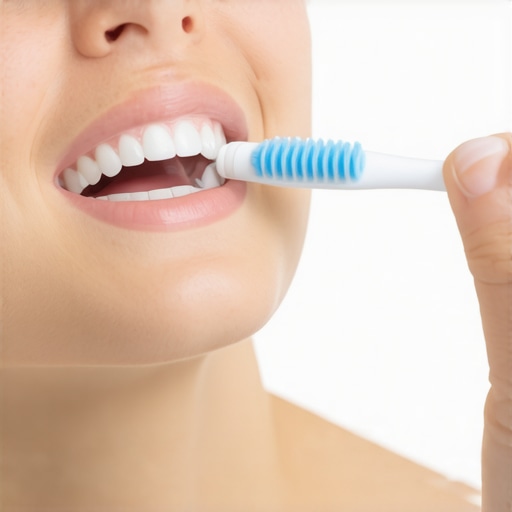 When it comes to transformative dental procedures like implants and veneers, many individuals carry misconceptions that can impact their decisions and expectations. Let’s dig deeper into the nuances and common pitfalls that even educated patients often overlook. A recurring myth is that dental implants are just about replacing missing teeth, but in reality, they significantly influence your oral health and longevity, especially with innovations in implant technology discussed in our latest implant advancements. Many assume that veneers are purely aesthetic, yet advanced veneer techniques can also restore structural integrity—if you choose the right material and approach, which is covered in expert veneer insights. One common oversight is ignoring the importance of comprehensive family dentistry, where neglecting regular checkups can undermine even the most stunning smile enhancements. People often focus solely on the cosmetic aspect without understanding that routine family care ensures long-term success of these procedures—more on this at family dental tips. A critical, often misunderstood point is the durability of cosmetic works; many believe veneers or crowns are permanent without considering future maintenance or material limitations, which can lead to premature replacements. For those seeking a deeper understanding, questioning how advancements like cutting-edge dental implant techniques shape longevity and aesthetics is essential. The trap here is assuming that all cosmetic options are alike—what works for one patient might not suit another, as detailed in veneers versus crowns. Making decisions based solely on cost or appearance without understanding the nuanced differences can lead to regret, especially considering the future health implications discussed in tips for perfect veneer results. Another trap patients often fall into is ignoring the importance of advanced diagnostics; for example, a seemingly simple whitening may mask underlying issues like enamel erosion or cracks that need addressing first. If you’re thinking about any aesthetic improvement, consider a comprehensive evaluation that includes imaging technologies to prevent complications. Are you aware that poorly executed cosmetic procedures can compromise your natural bite or lead to uneven wear? This is where consulting specialists becomes crucial. Do you find yourself wondering about the long-term effects of popular treatments? Exploring expert literature reveals that routine maintenance, awareness of material upgrades, and realistic expectations are keys to lasting satisfaction. So, next time you’re contemplating changing your smile, remember that shortcuts or misconceptions can cost more in the long run. Always seek tailored advice from qualified professionals who stay abreast of the latest innovations—like those detailed in our comprehensive insights. Have you ever fallen into this trap? Let me know in the comments.Maintaining your dental implants, veneers, or other cosmetic procedures requires the right combination of tools and consistent routines. Over the years, I’ve found that investing in quality equipment and adopting targeted techniques not only prolongs the lifespan of restorations but also enhances overall oral health. One essential device I personally swear by is a high-frequency ultrasonic scaler. Unlike traditional wire brushes, this tool effectively removes plaque and tartar around implants and veneers without damaging delicate surfaces, thanks to its gentle pulsating vibrations. Additionally, I use a tongue cleaner with silicone bristles, which improves overall hygiene and prevents bacterial buildup that could compromise your investment. For daily cleaning, nothing replaces a reliable electric toothbrush equipped with a timer and pressure sensor—these features ensure that I brush for the optimal duration and avoid excessive force, which can lead to gum recession or damage to veneers.
The Hidden Pitfalls of Popular Dental Treatments
One of the biggest lessons I discovered is that even the most advanced cosmetic procedures require ongoing maintenance and understanding. For instance, many assume veneers are permanent without considering future replacements or potential discoloration, which emphasizes the importance of choosing experienced professionals for your veneers. Similarly, dental implants are often viewed as a quick fix, but innovations in implant technology show that their longevity depends heavily on proper placement and aftercare. My lightbulb moment was realizing that cosmetic dentistry isn’t just about aesthetics but also about long-term oral health. Neglecting regular checkups or skipping essential maintenance can inadvertently undermine the results of these treatments, leading to unnecessary costs and discomfort. So, my advice? Always treat cosmetic enhancements as investments that need dedicated care, not just short-term fixes.