Last week, I reached for a fresh, minty mouthwash I had just bought, expecting that clean, refreshed feeling. Instead, I ended up with sore, peeling gums that made me realize I’d fallen into a common trap. It was a lightbulb moment—something I hadn’t seen coming with a product I thought was supposed to improve my oral health. If you’ve ever experienced a weird burning sensation or noticed your gums peeling after trying a new mouthwash, you’re not alone. And trust me, it’s not just a minor annoyance; it’s a sign your mouth might be trying to tell you something important.
Understanding the Roots of Peeling Gums After Mouthwash Use
When I first encountered this problem, I thought maybe I was brushing too hard or perhaps reacting to some new toothpaste. But then I realized that the culprit could be the ingredients in the mouthwash itself. Many over-the-counter mouthwashes contain alcohol, strong flavoring agents, or preservatives that can irritate sensitive gums, especially if they’re not used to such products. These chemicals can strip away the protective layers of your mucosa, causing peeling and discomfort. According to dental research, ingredients like alcohol are known to contribute to mucosal dryness and irritation, particularly in people with sensitive oral tissues (source: Straight Smile Orthodontics).
So, why does this happen now, especially if you’ve previously used mouthwashes without issues? Sometimes, a change in product formulation, increased sensitivity, or even dry mouth conditions can make your gums more reactive. If your oral environment is compromised — say, after recent dental work or illness — even new products can trigger peeling. The key is recognizing these signs early and understanding that this peeling is a protective response by your tissues, not something to ignore.
Have You Faced This Specific Problem?
If you’ve experienced similar burning, peeling, or soreness after switching mouthwashes, then you’re probably wondering if it’s safe to keep using the product or if you should stop altogether. I found that making some simple adjustments allowed me to get back to healthy, comfortable gums without sacrificing fresh breath. But before diving into solutions, let’s explore whether this reaction is common and what mistakes I initially made that could have worsened the situation.
One mistake I made early on was ignoring the warning signs and continuing use without considering the ingredients. Sometimes, we overlook the fine print or assume a product is safe because it’s popular or product labels claim to be natural. That could lead to prolonged exposure to irritants and more damage. To truly protect your oral health, understanding the ingredients and their effects is vital. If you want to learn how to choose gentler oral care products, check out expert tips for a perfect smile that include safe mouthwash options.
Now that we’ve addressed the causes, let’s look at practical steps you can take to soothe your gums and prevent this from happening again.
Choose Softer Oral Care Products
Switch to alcohol-free, hypoallergenic mouthwashes with gentle ingredients. I once replaced my regular rinse with an alcohol-free version, and within days, my gums felt less irritated. Look for labels that specify gentle or sensitive formulas. Avoid harsh flavoring agents and preservatives that can exacerbate irritation.
Implement Proper Oral Hygiene Techniques
Use a soft-bristled toothbrush and gentle strokes when brushing. I learned that hard scrubbing damages gums more than helps. Think of your gums like delicate flower petals—treat them gently to prevent further peeling. Regularly replace your toothbrush to maintain softness and effectiveness.
Address Dry Mouth Effectively
Stay hydrated, chew sugar-free gum, or use saliva substitutes. Dry mouth can worsen gum sensitivity, making peeling more likely. During my own experience, increasing water intake and using a moisturizing rinse significantly improved my comfort.
Minimize Chemical Exposure in Oral Care
Check ingredient lists for unnecessary additives. I avoided products with artificial colors and fragrances, opting for natural or organic options. This reduces chemical irritants that can inflame sensitive gums and cause peeling.
Limit Use of Mouthwash Temporarily
Stop using mouthwash for a few days to let gums recover. During this period, rinse with warm salt water twice daily—it’s a natural antiseptic that calms inflamed tissues. I found that this simple step prevented my gums from peeling further while promoting healing.
Consult Dental Professionals When Needed
If irritation persists, visit your dentist for personalized advice. They can evaluate if ingredients or underlying conditions are causing reactions. I scheduled a check-up after trying these steps, and my dentist recommended a special sensitive rinse, which further soothed my gums.
Remember, protecting your gums from irritation involves a combination of gentle techniques and informed choices. Transitioning to milder products and adopting softer practices can make a notable difference in your oral comfort and long-term health.
 Many patients enter the world of dentistry with a set of beliefs shaped by advertisements, social media, or anecdotal advice, but some of these perceptions can be misleading. For instance, the idea that veneers are always the best cosmetic solution oversimplifies a nuanced decision-making process. As an expert, I want to shed light on these misconceptions so you can make more informed choices about your oral health.
One pervasive myth is that dental implants are an instant fix for lost teeth. In reality, the process involves careful planning, advanced surgical techniques, and a healing period that can span several months. Cutting-edge innovations, such as those discussed in latest dental implant tech, emphasize that understanding the entire timeline is essential for realistic expectations.
A common error many make is assuming that all veneers are created equal. Different materials and fabrication methods significantly impact durability and appearance. For example, traditional porcelain veneers are different from composite veneers not just in cost but also in lifespan and stain resistance. To determine the best option, it’s crucial to consider your specific needs and consult a specialist, such as outlined in comparing veneers and crowns.
Another misconception revolves around family dentistry. Many believe that routine check-ups are solely about cleaning and cavity prevention. However, family dentistry encompasses a broader scope, including managing orthodontic needs and early intervention for dental anomalies. Optimal care involves an integrated approach; for example, early orthodontic consultation can prevent complex issues later, as explained in family dentistry strategies.
When discussing dental implants, a more advanced nuance involves understanding the importance of assessing jawbone quality. Bone density directly influences implant success, and new techniques like 3D imaging enhance planning accuracy. Additionally, innovations in biomaterials are improving implant integration and longevity, which is crucial information often overlooked by the average patient. For a deeper dive, see recent advancements in implant technology.
It’s also critical to recognize that choosing aesthetic procedures like veneers or implants shouldn’t be driven solely by aesthetics. Functional health, esthetic harmony, and long-term maintenance are equally vital. Rushing into cosmetic fixes without understanding these nuances can lead to costly revisions and dissatisfaction.
Have you ever fallen into this trap? Let me know in the comments. Remember, patience and education lead to better, more satisfying dental results—so always seek comprehensive advice before undergoing any procedure.
Achieving a beautiful, healthy smile isn’t just about the flashy procedures; it requires consistent maintenance, the right tools, and a proactive approach. Over the years, I’ve honed my personal toolkit to ensure long-term durability and aesthetic excellence in cosmetic and family dentistry. Let me share some insights into the equipment and methods I trust daily, which can help you preserve your investment and avoid costly upgrades down the line.
Invest in a High-Quality Electric Toothbrush
My go-to has become a sonic electric toothbrush, like the Oral-B Genius X. The oscillating-rotating brush head provides a more thorough clean compared to manual brushing, especially around veneers and implants where plaque tends to accumulate. I appreciate its built-in timers and pressure sensors that prevent over-brushing—something that can damage delicate tissues if unchecked. Regularly replacing the brush head ensures optimal performance and protects your gums against recession or irritation.
Use a Water Flosser with Precision Nozzles
For long-term results, I recommend a water flosser such as the Waterpik Aquarius. Its adjustable pressure settings and specialized tips allow for targeted cleaning around crowns, bridges, and implants. Proper interdental cleaning is crucial; even with the best restorations, plaque buildup can threaten their longevity. Personally, I find daily use with a water flosser reduces the risk of peri-implantitis and keeps tissues healthy over time.
Furthermore, advanced versions now include microburst technology that creates a more effective cleaning pattern, which is supported by dental research demonstrating its efficacy in plaque removal (source: Strait Smile Orthodontics).
Choose the Right Oral Care Software
Digital records and reminders help me stay on top of routine maintenance. Apps like mySmileText or Dental Monitoring offer personalized check-in alerts, appointment scheduling, and even symptom tracking. For patients, utilizing these platforms ensures you don’t overlook vital check-ups that can catch issues early—saving you time and money in the future.
As technology evolves, I predict we’ll see even more integration of AI-driven diagnostics and at-home monitoring devices. These innovations will make maintenance more precise and less invasive, fostering a proactive mindset in oral health.
How do I maintain my dental tools over time?
Regular cleaning and replacement are essential. For instance, replacing your electric toothbrush head every three months prevents bacteria buildup, while descaling your water flosser monthly ensures optimal water flow and prevents mineral deposits. Always store devices in a dry, clean environment and follow manufacturer instructions for sterilization. Incorporating these habits prolongs the lifespan of your tools and maintains their effectiveness.
To truly optimize your dental routine, consider incorporating an ultrasonic scaler for professional cleanings periodically. These gadgets use high-frequency vibrations to remove tartar and biofilm beyond what manual tools can achieve, dramatically improving the health of your gums and supporting your restorations. For more insights on advanced cleaning methods, check out latest innovations in dental implant care.
My advice? Start with upgrading your daily brushing with a sonic electric toothbrush and pair it with a quality water flosser. These simple but powerful tools can dramatically extend the appearance and function of your veneers, implants, and other restorations. Remember, consistency is key—these investments pay off in the form of fewer visits, stronger restorations, and a smile that lasts a lifetime.
Try incorporating one of these advanced tools into your routine today and witness how your oral health transforms over the next several months. Your future self will thank you!
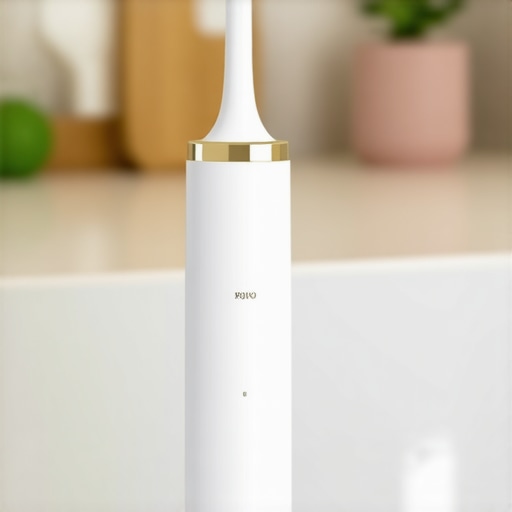
High-tech dental maintenance tools, such as an ultrasonic scaler and water flosser, arranged on a clean bathroom counter, highlighting their role in long-term oral care.
Reflecting on my path through cosmetic and family dentistry, a few unexpected lessons stand out that reshaped how I approach oral health. First, I learned that patient education is a two-way street—sharing knowledge empowers patients to make informed choices, but listening deeply reveals their true concerns, leading to better outcomes. Second, overlooking the emotional aspect of dental care can undermine even the most advanced treatments; creating a comfortable, trusting environment accelerates healing and satisfaction. Lastly, staying adaptable to new innovations—like cutting-edge dental implant techniques—ensures I offer solutions that are not only effective but also safer and longer-lasting. These lessons remind me that at the heart of dentistry is a genuine connection, and embracing continuous learning transforms both my practice and my patients’ smiles.” ,