I remember the day I first noticed my dental implant crown felt wobbly, even though I was certain the screw was tight. It was one of those moments that made me panic—I mean, Icouldn’t just ignore the feeling. The sensation was unsettling; it was as if my mouth was trying to tell me something was wrong, but I couldn’t put my finger on it. Later, I learned that this is a surprisingly common concern among dental implant patients, and it can also be quite confusing.
Decoding the Mystery of the Loose-Feeling Crown
The truth is, having a loose dental implant crown despite a tight screw is more common than you might think. It often leads to worries about implant failure or further oral health issues. But here’s the thing: understanding why this happens can put your mind at ease and help you take the right steps to address it. Today, I promise we’ll explore the real reasons behind this phenomenon and, more importantly, what you can do about it. If you’re like me, you’ve probably googled endlessly or talked to friends and family, but navigating this safely requires some expert insight.
The Big Skepticism: Is a Loose Crown Dangerous or Just Annoying?
One mistake I made early on was assuming that if the screw was tight, everything was fine. As I discovered, that’s not always true. The stability of an implant crown depends on multiple factors, not just the screw itself. Sometimes, the crown can become loose over time because of underlying issues like bone loss, wear, or a compromised fit. Knowing this saved me from unnecessary panic and helped me seek the right professional help. According to a recent study, approximately 20% of dental implants experience complications like loosening, which highlights the importance of regular check-ups and proper maintenance (source).
Stay tuned, because next, we’ll delve into the specific reasons why your crown might be feeling loose and what practical steps you can take to fix or prevent it from happening again. Basically, you’re not alone in this, and with a little guidance, you’ll be back to confident smiling in no time.
Assess the Cause Before Acting
Start by gently applying pressure around the crown to see if the wobbly feeling is caused by an uneven fit or a loose screw. I remember a time when I noticed my crown shifting slightly when I ate, and I didn’t rush to the dentist—until it started to bother me more. Recognizing whether it’s just a minor wobble or a sign of deeper issues is crucial. Use a mirror to check for visible gaps, but avoid pulling or prying at the crown.
Consult Your Dental Professional Promptly
Even if the crown seems stable at first glance, schedule a visit with your dentist. They will examine the implant, check the screw’s tightness, and assess surrounding tissues. Think of it like inspecting the foundation of a house—you want a professional’s eye to identify subtle problems early on. If you notice swelling, discomfort, or a foul taste, don’t delay, as these could indicate infection.
Tighten or Replace the Screws Carefully
If your dentist finds that the screw is loose, they may need to tighten it using specialized tools. For this, they often use torque drills calibrated precisely for dental work, much like tightening a bicycle bolt but on a tiny scale. In some cases, the screw might be stripped or damaged, requiring replacement. Never attempt to fix this yourself, as over-tightening can cause damage to the implant or the crown.
Evaluate the Crown’s Fit and Seal
Ensure the crown seats correctly onto the abutment. Your dentist might use dental putty or a fit checker to determine if the crown is properly aligned. A poor fit can lead to micro-movements, which over time cause loosening. If the crown is misaligned, they may need to re-bond or replace it. This process is akin to fitting a puzzle piece precisely—you need everything to align perfectly.
Address Underlying Bone or Tissue Issues
If the cause stems from bone loss or tissue recession, additional procedures like bone grafts or tissue grafts might be necessary. These are more advanced steps but are essential for long-term stability. Remember, implant success depends on supporting structures; think of it like building a sturdy foundation for a skyscraper.
Implement Proper Maintenance Habits
Once fixed, maintaining your implant is key. Regular brushing, flossing, and dental check-ups prevent debris accumulation that can loosen components. Just as family dentistry tips suggest, a consistent routine keeps your oral environment healthy and reduces complications. Avoid chewing overly hard foods that might stress the implant—think of it as avoiding potholes in a road to prevent damage.
Stay Alert to Future Changes
Monitor the crown’s stability over the next few weeks. If wobbly sensations or other symptoms recur, return to your dentist promptly. Remember, early intervention saves time and expense. Similar to how cosmetic dentistry can restore your confidence, prompt care ensures your implant functions and looks great for years.
Many patients believe they understand dental treatments, but in reality, several misconceptions can compromise their oral health journey. A prevalent myth is that veneers always require removal of healthy tooth enamel, yet modern techniques often allow for minimal-prep or no-prep options, which are less invasive and preserve your natural tooth structure (learn more here). Additionally, people frequently assume that family dentistry is only about basic cleanings and cavities; in fact, it encompasses preventive strategies tailored for each life stage, ensuring lasting oral health.
Can Cosmetic Procedures Actually Harm Your Natural Teeth?
One advanced mistake many overlook is overusing whitening treatments or opting for overly aggressive cosmetic procedures without professional guidance. Excessive bleaching can weaken enamel, increasing sensitivity and susceptibility to decay. Experts advise consulting a cosmetic specialist to determine the safest and most effective approach for enhancing your smile. In fact, a study from the Journal of Esthetic & Restorative Dentistry shows that over-bleaching can lead to irreversible enamel damage (read more here).
Furthermore, a common trap is focusing solely on aesthetic improvements while neglecting underlying oral health issues. For instance, opting for veneers without addressing bite problems or gum health can result in premature failure or added discomfort. This highlights the importance of comprehensive evaluation before any cosmetic intervention.
Have you ever fallen into this trap? Let me know in the comments.
Another nuance involves the misconception that all dental implants are identical. While many assume that once placed, implants are maintenance-free, the reality is that proper hygiene and regular check-ups are essential to prevent peri-implantitis—a leading cause of implant failure. According to implantology research, up to 20% of implants may face complications due to neglect (discover more about implant care here).
Finally, understanding that not all family dentistry practices follow the same standards is vital. Some may overlook advanced prevention techniques or emerging technologies, which could impact long-term health. Ensuring your provider is up-to-date with the latest advancements can make a significant difference in your treatment outcomes.
By peeling back these misconceptions and paying attention to the finer details, you can make more informed decisions about your dental care. Remember, a well-informed patient is the best partner in achieving and maintaining a healthy, beautiful smile.
Maintaining dental restorations, whether implants, veneers, or crowns, requires more than just good brushing habits. Having the right tools ensures that your smile stays healthy and functional for years to come. As someone who has navigated the complexities of cosmetic dentistry and family oral health, I highly recommend investing in specific equipment that makes daily maintenance both effective and efficient.
Your Personalized Dental Maintenance Arsenal
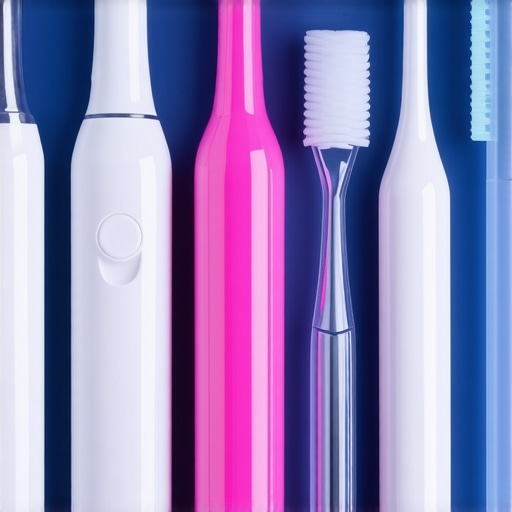
First on my list is an electric toothbrush equipped with a interdental cleaning mode—such as the Oral-B Genius X. This device provides superior plaque removal compared to manual brushes, especially around crowns and veneers, where missed spots can foster decay or stain buildup. I personally prefer models with pressure sensors because they prevent overbrushing, which can wear down enamel or irritate gums. Additionally, using a toothbrush with oscillating-rotating motion enhances debris removal, safeguarding your investment in aesthetic and functional restorations.
Next, I include water flossers like the Waterpik Ultra. Traditional floss can be difficult to maneuver around tight spaces or crowns, but water flossers effortlessly clean along the gumline and around implant abutments, reducing plaque accumulation significantly. I’ve found that daily use of a water flosser not only contributes to better oral health but also helps prevent peri-implantitis—an inflammation that can jeopardize dental implants. Complement this with interdental brushes coated with anti-bacterial gels, especially if you have veneers or fixed orthodontics, as they target hard-to-reach areas that regular brushes miss.
Smart Software for Long-Term Results
Modern technology extends beyond hardware. Utilizing digital apps like Dentify allows me to track my brushing and flossing habits, receive reminders, and log any issues such as sensitivity or discomfort. These insights help in early detection of potential problems—be it minor plaque buildup or early signs of tissue recession—before they escalate. Research shows that patients who actively monitor their oral health tend to have improved outcomes, especially when maintaining implants and veneers (source).
Where Do Trends Go From Here?
The future of maintaining dental restorations revolves around integration. Wearable sensors embedded in everyday dental hygiene devices could provide real-time feedback to both patients and dentists, facilitating proactive care. Plus, AI-powered apps might soon recommend personalized cleaning routines based on your specific oral health status, bacteria levels, and even saliva composition. These innovations promise to simplify long-term maintenance and extend the lifespan of your restorations.
How do I keep my dental work functioning smoothly over time?
Schedule regular check-ups even if your restorations feel fine—these visits allow your dentist to identify subtle issues like microfractures or tissue changes early on. Incorporate advanced tools like ultrasonic scalers during cleanings to remove tartar beneath the gumline and around implants. Additionally, periodically replacing your toothbrush head or water flosser tips ensures optimal cleaning efficiency. For optimal results, I suggest trying a sonic toothbrush with slow pulse technology, which I found effective in reducing plaque around delicate restorations. Maintaining your tools and staying vigilant is key to preserving your smile’s health and beauty.
Remember, proper maintenance isn’t just about frequency but also about using the right equipment. By investing in quality tools and leveraging emerging technologies, you can significantly increase the longevity of your dental investments. For more tips on how to keep your veneers or crowns looking their best, explore our detailed guide or speak with your dental professional today.