I remember the exact moment I noticed it. My child’s once perfectly symmetrical smile started showing signs of imbalance as her adult teeth began emerging. What was once a cute, uneven gap had transformed into a crooked, lopsided grin that made me worry — was this normal? Would it straighten out on its own? That realization hit me hard, and I knew I wasn’t alone in feeling this way.
Understanding the Fix for That Lopsided Smile
Dealing with a child’s changing smile can be nerve-wracking, especially when it looks uneven or off-center. The good news is, this is often a natural part of dental development. However, knowing when and how to intervene can make all the difference in both their confidence and long-term dental health. Today, we’ll explore practical solutions to ensure your child’s smile develops healthily and beautifully, easing your worries along the way.
Is Early Treatment Really Worth the Hype?
Early intervention can seem intrusive or unnecessary, especially for anxious parents. I remember making the mistake early on of dismissing minor misalignments, thinking they’d resolve themselves. But I learned that timely action can prevent more complex problems later, saving your child discomfort and costly procedures. Want to see how early dental treatments, like specific orthodontics or behavioral guidance, can benefit your little one? Check out this insightful article to understand the importance of early planning.
What’s more, addressing misalignments early can influence how their adult teeth come in, potentially reducing the need for more invasive cosmetic procedures down the line. The goal is to support natural growth while gently guiding the development of a symmetric, healthy smile.
But before jumping into treatments, it’s crucial to identify if the crookedness is temporary or something that needs professional attention. That’s where the next steps come in. Already, you might be asking, ‘Is my child’s uneven smile just a passing phase?’ Well, let’s find out together.
In the next sections, we’ll cover signs to watch for, common misconceptions, and the best options available — including innovative solutions in cosmetic and family dentistry like modern orthodontics and dental veneers. Because every child deserves a dazzling, balanced smile that boosts their confidence for years to come.
Assessing the Severity of the Crooked Smile
Start by observing your child’s smile closely. Look for signs like misaligned teeth, gaps, overbites, or underbites. Remember, temporary misalignments often resolve naturally, but persistent issues may need professional attention. I recall noticing my child’s uneven smile during a routine brushing session; the misalignment was subtle but consistent. Document these signs with photos to track changes over time.
Schedule a Professional Dental Evaluation
Booking an appointment with a family dentist or orthodontist is essential. They can perform a thorough assessment, including x-rays, to determine if early intervention is necessary. During my visit, the dentist used 3D imaging to evaluate my child’s developing teeth, which clarified the best course of action.
Explore Treatment Options
Non-Invasive Approaches
For minor misalignments, orthodontic appliances like clear aligners or braces can gently guide teeth into proper position. These are like training wheels for teeth, offering a controlled, comfortable way to correct alignment without invasive procedures. I remember my child’s first aligner fitting—explaining that these braces are almost invisible helped ease their anxiety.
Early Orthodontic Interventions
In cases where jaw size or bite issues contribute to crookedness, appliances like palate expanders or space maintainers might be recommended. These tools act as scaffolding, supporting the natural growth process and preventing complex corrections later. I learned that prompt use of these devices can significantly improve outcomes.
Implement Daily Dental Care Routines
Consistent brushing and flossing help maintain the health of newly aligned teeth. Use a soft-bristled toothbrush and age-appropriate toothpaste. Making oral hygiene engaging—like turning brushing into a game—can motivate your child to keep up with routines that preserve orthodontic results. I found that supervised brushing after meals reduces plaque buildup around braces, ensuring lasting effects.
Maintain Regular Follow-Ups
Frequent check-ups ensure that the treatment progresses smoothly. Adjustments to braces or aligners might be necessary, and early detection of issues can prevent setbacks. During my child’s orthodontic journey, consistent visits helped us stay on track and empowered us with advice on maintaining their new smile.
Consider Future Cosmetic Enhancements
Post-orthodontic treatments like veneers can perfect the smile’s appearance. Veneers are thin shells bonded to teeth, providing an immediate aesthetic boost, much like a custom suit for your teeth. For guidance on choosing between veneers and crowns, check out this comparison. Remember, combining orthodontics with cosmetic dentistry can maximize the attractiveness and confidence your child enjoys.
By following these concrete steps, you create a clear pathway to a healthier, more balanced smile for your child—embracing both functional development and beautiful aesthetics.
Many patients believe they understand the basics of cosmetic and family dentistry, but in reality, there are nuanced misconceptions that can lead to suboptimal results. For instance, a prevalent myth is that dental implants are an instant fix for missing teeth, when in fact, their long-term success depends heavily on proper placement, osseointegration, and patient health factors. According to a recent study published in the Journal of Dental Research, meticulous surgical technique and post-operative care dramatically impact implant longevity, highlighting that these are not just straightforward procedures but complex treatments requiring expert execution.
Why do many get confused about veneers versus crowns?
A common mistake is assuming veneers are interchangeable with crowns. While both are cosmetic options, they serve different purposes. Veneers are thin shells bonded to the front surface of teeth, ideal for improving appearance without altering much tooth structure, whereas crowns encase the entire tooth, offering strength and protection. To make the right choice, patients should understand these differences deeply; for detailed comparisons, visit this comprehensive guide.
Another frequently overlooked nuance is the importance of family dentistry’s role in early prevention. Many think that regular check-ups are only necessary when a problem arises, but timely cleaning, sealants, and fluoride treatments during childhood can prevent costly procedures later. Skipping these routine visits can lead to unnoticed decay or bonding issues that become complex over time.
What advanced mistake do most people make about cosmetic dentistry?
One critical oversight is neglecting the importance of texture and translucency in porcelain veneers. A veneer that looks perfect from a distance but feels unnatural under contact signals a lack of attention to surface texture, which often results from choosing overly opaque shades or improper layering techniques. Professionals use precise shading and surface finishing, as detailed in specialized cosmetic procedures to ensure that veneers mimic natural teeth perfectly. Falling for cheap, one-size-fits-all solutions can lead to a fake appearance and deterioration over time.
Beware of common pitfalls like opting for quick fixes without understanding the complexities involved. For example, choosing veneers solely based on cost without considering ceramic quality or technician skill often results in veneers cracking or discoloring prematurely. Also, in the realm of implants, many underestimate the importance of 3D imaging technology—this advancement allows for precise placement, reducing the risk of nerve damage or poorly fitting prosthetics. For a glimpse into cutting-edge techniques, check out this article.
In essence, optimizing dental treatments requires recognizing these hidden nuances and avoiding the traps of misconceptions. Have you ever fallen into this trap? Let me know in the comments. Your awareness can make all the difference in achieving the smile you desire with longevity and confidence.
Maintaining the results of dental procedures like veneers, implants, or cosmetic treatments requires more than just good oral hygiene; it hinges on the right tools and meticulous care routines. As a practitioner with years of experience, I emphasize the importance of using precision equipment and advanced methods to ensure your smile stays stunning over the long haul.
Invest in the Right Instruments for Daily Care
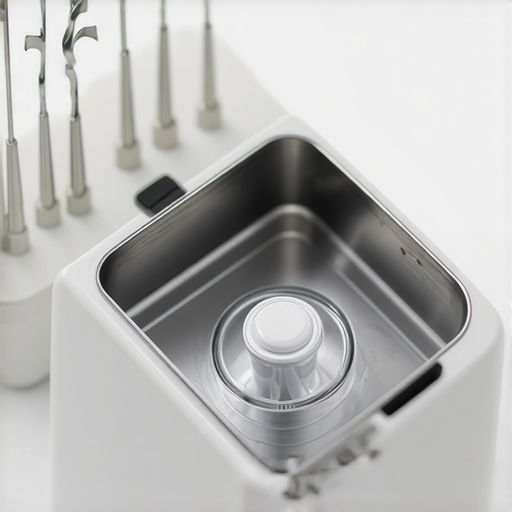
One of my top recommendations is the use of an ultrasonic plaque remover for daily cleaning. Unlike traditional brushes, ultrasonic devices vibrate at frequencies that dislodge plaque and bacteria effectively, reducing the risk of staining or decay around veneers and implants. My personal choice is the *Philips Sonicare FlexCare Platinum*, which combines sonic technology with sleek design for comfort and efficacy. Ensuring your tools are of high quality helps prevent issues like surface staining or marginal deterioration, extending the lifespan of your restorations.
Embrace Advanced Techniques for Deep Cleaning
Beyond toothbrushes, incorporating interdental brushes like the *GUM Soft Picks* allows for gentle yet thorough cleaning between teeth and around crowns or implants. Regular use prevents tartar buildup that can compromise cement seals and lead to peri-implantitis. I advise scheduling professional cleanings that incorporate air polishing technology—this method uses a fine glycine powder to remove stubborn plaque without damaging delicate surfaces, maintaining your smile’s integrity. It’s a step I always recommend for patients invested in long-term results.
Leverage Technology for Monitoring and Adjustments
Monitoring your dental health over time is crucial. I often recommend patients use digital intraoral scanners at home to track changes or detect early signs of issues. Tools like the *CEREC Omnicam* facilitate rapid imaging, allowing for precise adjustments or repairs without invasive procedures. Additionally, keeping detailed digital records enables your dental professional to recommend personalized maintenance plans and catch problems before they escalate, saving you future costs and discomfort.
Prediction: Future Trends in Dental Maintenance
Looking ahead, I foresee a rise in AI-powered diagnostics and smart toothbrushes that communicate directly with your dentist. Innovations like the *Colgate Smart Electronic Toothbrush* analyze brushing habits in real-time, offering tailored advice. These advancements will empower patients to take control of their oral health more effectively, ensuring longevity of dental restorations and overall oral wellness.
How do I keep my cosmetic investments pristine over time?
The key lies in consistent, informed maintenance. Regular visits for professional evaluations, coupling high-tech cleaning tools with effective daily routines, will extend the life of veneers, implants, and other cosmetic investments. For personalized advice on integrating these tools into your routine, I invite you to reach out for expert guidance.
Don’t forget, even the best tools are only as good as your commitment to their consistent use. Choose quality, stay vigilant, and stay ahead of potential issues to enjoy a beautiful, healthy smile for years to come.
The Hardest Lesson I Learned About Caring for Growing Smiles
One of the most profound realizations I encountered was understanding that not all crooked smiles are a cause for immediate concern. While early misalignments often resolve naturally, I learned that vigilance and professional guidance prevent small issues from becoming complex problems later. Trusting your instincts combined with expert assessments is key to nurturing a healthy, beautiful smile for your child.
Tools That Transformed My Approach to Smile Maintenance
I discovered that investing in quality dental tools like ultrasonic plaque removers and advanced interdental brushes makes a tangible difference. These instruments empower families to maintain their child’s smile healthily at home, reducing the risk of staining or decay that can undermine even the best cosmetic efforts. For ongoing monitoring, AI-driven apps and digital scans can provide real-time insights, making regular check-ups more effective and less daunting.
Embrace Your Role in Shaping Confidence and Health
Taking charge of your child’s dental journey goes beyond routine visits. It’s about creating an environment where confidence grows alongside health—celebrating the moment when a crooked tooth transforms into a radiant smile. Remember, your proactive steps today lay the foundation for a lifetime of self-assurance, making the investment in early care truly priceless. Ready to make a positive impact? Think about how your daily habits reinforce this journey and consider exploring further at this contact page.