It hit me one morning as I caught my reflection—my smile, once sleek and natural-looking, now resembled a row of shiny, plastic chiclets. I could feel my cheeks flush with embarrassment. Was I imagining it? Or had my veneers lost their charm? That lightbulb moment revealed a frustrating truth many people face: veneers can sometimes look unnaturally shiny and textured, making your smile seem more artificial than fabulous.
Understanding the Texture of Your Veneers and Why It Matters
If you’ve ever wondered why your veneers don’t look as authentic as you’d hoped, you’re not alone. The issue isn’t just about aesthetics; it can also affect your confidence and how you feel about smiling in photos or social situations. Veneers are thin shells of porcelain or composite resin bonded to the front of your teeth. While they can transform your smile, their appearance hinges on a few key factors—texture, color, and how they reflect light.
In my early days of exploring cosmetic dentistry, I made the mistake of thinking that a bright, white veneer was the ultimate goal. I didn’t realize that overly smooth, shiny veneers with a plastic-like texture could look unnatural and clash against my real teeth and gums. Interestingly, according to a study published in the Journal of Prosthetic Dentistry, improper polishing or bonding techniques can lead to veneers that look overly glossy, playing a part in that chiclet effect. Recognizing this detail was a game-changer for me—and for my smile.
Now, if your veneers look like artificial store-bought candies, don’t fret. There are ways to fix their texture and get a more natural, life-like appearance. But first, you need to understand what might be causing that shiny, grainy feel and how to address it safely. We’ve got this covered, step by step. Besides, if you’re curious about more cosmetic dentistry secrets to boost your confidence, I recommend checking out this resource.
Is your veneer surface really as perfect as it seems? Or is it time for a closer look?
One mistake I made early on was assuming that I could fix the issue myself by using abrasive toothbrushes or cheap whitening products. Big mistake! Overly aggressive cleaning can damage the veneer’s surface, making it look dull or uneven. Trust me, professional advice and proper polishing are your best bets for restoring that natural luster and texture. Want to learn the proper steps? Keep reading, and I’ll guide you through practical solutions that have worked for me—and countless others.
Assess Your Veneer Surface Carefully
Begin by inspecting your veneers in good lighting, ideally natural sunlight, to see if their surface appears overly smooth or shiny. I remember a time when I noticed my veneers reflected too much light, making them look artificial. Using a small mirror and a bright light, examine every side of your smile—look for areas that appear glossy or grainy. This initial assessment helps determine whether professional polishing can resolve the issue or if more advanced interventions are needed.
Schedule a Professional Evaluation
Next, book an appointment with your dentist—don’t attempt DIY fixes, as improper handling can cause irreparable damage. During your visit, request a thorough examination of your veneers, focusing on their texture and bond integrity. A qualified dentist can identify surface irregularities, microscopic scratches, or polishing defects. This step is crucial because attempting to correct the surface yourself with abrasive materials can worsen the problem, much like trying to sand a delicate ceramic without expertise.
Opt for Professional Polishing and Texture Refinement
Once assessed, your dentist may recommend polishing your veneers using ultra-fine polishing discs and tools designed for porcelain. Think of this process as a barber buffing a guitar’s finish—gentle, precise, and aimed at restoring a natural shine. During my experience, I watched my dentist meticulously polish my veneers, which resulted in a satin-like finish that mimicked natural enamel. This not only reduced the excessive shine but also improved the tactile feel—less like plastic, more like real teeth.
Consider Glazing for Long-Term Results
If polishing alone isn’t enough, ask about applying a glaze. A glaze acts as a protective, light-reflective coating that mimics the natural translucency of enamel. Think of it as giving your veneers a fresh coat of high-quality paint that enhances texture and appearance. This step can make a significant difference, transforming artificial-looking shine into a beautiful, natural glow.
Maintain Proper Oral Hygiene
After refinishing, adhere to gentle cleaning routines. Use non-abrasive toothpaste and a soft toothbrush to maintain surface integrity. Avoid harsh whitening products, which can alter the texture or color over time. In my journey, switching to a mild toothpaste preserved the newly refined surface, preventing dullness or scratches from dirt buildup. Remember, proper maintenance extends the lifespan of your aesthetic improvements.
Be Mindful of Habits That Damage Veneers
We all have habits that can harm our dental work—clenching, grinding, biting on hard objects, or using teeth as tools. These actions can quickly undo your efforts. I learned this the hard way after cracking a veneer during a snack, highlighting the importance of conscious biting and perhaps investing in a custom night guard for protection. Regular check-ups with your dentist help catch issues early before they escalate.
Seeking expert help and understanding the nuances of veneer maintenance can dramatically improve their appearance. If you’re curious about more cosmetic dentistry secrets to boost your confidence, I recommend visiting this resource.
Explore More About Veneer Possibilities
For a comprehensive understanding, explore options like veneers versus crowns to decide which best suits your needs at this detailed guide. Remember, achieving a natural smile isn’t merely about masking imperfections; it’s about refining every surface to blend seamlessly with your existing teeth.
Many assume that cosmetic dentistry is purely about aesthetics, but the truth runs deeper. A common misconception is that veneers or implants are permanent fixes requiring no further maintenance, which isn’t entirely accurate. In reality, advanced nuances, like the importance of texture matching and proper bonding, play significant roles in the longevity and natural appearance of treatments. For example, some practitioners underestimate how subtle surface irregularities can give away artificiality, leading to uncomfortable or unnatural-looking smiles. Moreover, there’s a myth that dental implants can fully prevent bone loss; however, without proper osseointegration and routine care, implants can become loose or cause complications, as highlighted in a recent study published by the Journal of Dental Research. One essential detail often overlooked is the impact of advanced techniques like tissue preservation and bone grafting, which ensure long-term success and harmonious results. If you’re considering these procedures, understanding these hidden factors can save you from costly mistakes and repeated fixes. Don’t fall into the trap of oversimplification—your smile is worth investing in with a nuanced approach. For more insights into achieving natural-looking results, check out this guide. Have you ever fallen into this trap? Let me know in the comments.
Once you’ve invested in a beautiful smile with veneers, implants, or other cosmetic procedures, maintaining their pristine appearance becomes a priority. The right tools and routine practices can significantly extend the lifespan of your dental work, ensuring that your confident smile lasts for years to come. As someone who has navigated this journey personally, I can attest that systematic maintenance isn’t just about good habits—it’s about leveraging the best equipment tailored for your unique needs.
Invest in a High-Quality Electric Toothbrush
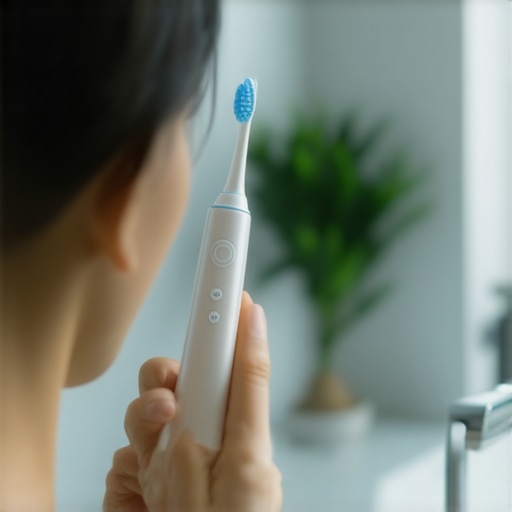
After experimenting with various brushes, I settled on a sonic electric toothbrush with pressure sensors and multiple cleaning modes. Brands like the Philips Sonicare DiamondClean have transformed my daily routine. The sonic vibrations help remove plaque thoroughly without exerting excessive force, which can compromise veneers or bondings. The pressure sensors alert me if I’m brushing too hard, protecting my investment and preventing gum recession. Regular use of such devices ensures that your restorations stay shiny and clean, while also safeguarding your natural teeth.
Utilize Specialized Whitening and Polishing Products
To maintain that fresh, natural look, I use non-abrasive whitening pastes designed for dental restorations. These products gently buff the surface, reducing dullness over time. Additionally, dental polishing kits tailored for home use can help smooth out tiny surface irregularities that accumulate from daily wear. Be cautious to choose supplies approved by dental professionals, and always follow your dentist’s advice. These tools, applied regularly, keep your veneers and crowns gleaming with minimal risk of damage.
Adopt a Smart Flossing Strategy
Flossing remains essential, but I’ve improved my routine by switching to ultra-lightweight, shred-resistant floss and designing a personalized flossing schedule. Interdental brushes specifically crafted for bridges and implants help reach tricky spots that standard floss may miss. Regular removal of debris prevents staining and plaque buildup, which can dull the surface of your dental work. For optimal results, integrate flossing into your daily hygiene regimen and consult with your dentist about the best tools tailored for your restorations.
Rely on Professional Check-Ups and Polishing
Scheduling routine visits—at least twice a year—is non-negotiable. During these appointments, your dentist can perform professional polishing treatments, addressing surface imperfections that DIY methods can’t handle. Personally, I’ve found that professional cleanings not only restore sparkle but also help identify potential issues early, such as micro-fractures or surface wear. Utilizing techniques like diamond polishing discs, dentists refine the texture of veneers and implants, ensuring a natural appearance and long-term durability.
Embrace Future Trends in Maintenance Technology
The future is promising, with innovations like AI-driven toothbrushes and wear sensors becoming more commonplace. These devices will analyze your brushing patterns and alert you to areas needing extra attention, offering a personalized approach to maintenance. According to a recent study by the National Institute of Dental and Craniofacial Research, integrating smart technology into routine care could revolutionize long-term oral health management.
Question: How do I maintain my dental work over time?
Developing a consistent routine that combines the right tools with professional care is the cornerstone of longevity for veneers, implants, and other restorations. Regularly inspect your smile in mirror checks, pay attention to any changes in texture or color, and don’t hesitate to seek professional evaluations if you notice irregularities. Remember, proper maintenance is an ongoing investment—think of it as nurturing your smile to remain as radiant as the day you first saw it.
Try implementing a high-quality sonic toothbrush and professional polishing at your next dental visit. These steps can dramatically improve the lifespan and natural look of your dental enhancements. For tailored advice on the best tools fitting your specific dental work, contact us here.
Lessons Only Experience Can Teach About Veneers and Confidence
- One of my biggest lightbulb moments was realizing that a natural-looking smile isn’t just about whiteness—it’s about how light interacts with the surface texture. Overly shiny veneers caught my eye in photos, making me appear artificial, which was not what I wanted. Now I appreciate the importance of matching the texture of veneers to natural enamel, a detail I had overlooked for too long.
- Seeking professional help early on saved me from costly fixes and potential damage. I used to think I could polish or fix minor issues at home, but I learned that only trained dentists possess the right tools and skills to refine veneer surfaces without causing harm. This realization has transformed my approach and deepened my trust in expert care.
- Understanding the role of glazing changed my perspective entirely. A well-placed glaze can mimic the translucency and softness of natural enamel, providing that elusive authentic glow. It’s a small detail with a big impact—one I wish I knew before my first veneer appointment.
- Consistency in maintenance, including using the right tools like non-abrasive toothpaste and gentle brushing techniques, makes all the difference. I found out that neglecting gentle care leads to dullness and even damage, negating all the aesthetic work done during the veneer procedure. Regular check-ups and professional polishing are investments in preserving your smile’s vitality.
- Habits matter more than you think. Clenching, grinding, or biting hard objects can quickly undo your efforts. A personalized night guard and mindful habits have been game-changers for me, reaffirming that the longevity of cosmetic work depends heavily on day-to-day choices.
Tools and Resources That Elevated My Smile Journey
- Sonic Electric Toothbrushes like the Philips Sonicare DiamondClean transformed my daily routine, ensuring gentle yet thorough cleaning without harming my veneers or natural teeth. I trust its pressure sensors to guard against over-brushing, which can be a hidden threat to dental restorations.
- Non-Abrasive Whitening Pastes and professional polishing kits designed for dental work helped me maintain a radiant, natural look. These products, when used consistently and correctly, keep surface irregularities at bay while preserving texture and translucency.
- Curated Reading Materials like the comprehensive guides available at this resource have expanded my understanding of smile aesthetics and maintenance strategies. Trusted brands and expert-vetted tools form the core of my routine.
- Professional Consultations have been invaluable. Periodic evaluations with my dentist, focusing on surface assessments and polishing, have kept my veneers looking authentic and youthful. I highly recommend establishing a routine schedule to catch and address issues early.
Your Smile’s Best Chapter Starts Now
Embracing the nuances of veneer texture and care has empowered me to feel more confident and authentic in my smile. Remember, your smile is a reflection of your commitment—investing time and attention into its maintenance is truly rewarding. The future of family dentistry and cosmetic enhancements is bright, with innovations making natural results more attainable than ever.
Are you ready to take the next step toward a more genuine smile? I’d love to hear—what’s one change you plan to make today to improve your veneer care or confidence? Share your thoughts below!