I vividly remember the moment I first noticed my child’s new adult teeth—they didn’t look bright and pearly like I had imagined. Instead, they had a dull, yellowish tint that caught me off guard. That lightbulb moment made me realize I wasn’t alone; many parents face this puzzling change and wonder if it’s something to worry about. Trust me, I went down the rabbit hole before discovering what was really happening.
Understanding the Yellow Tint: It’s More Common Than You Think
When your child’s adult teeth start emerging, and they appear yellow, it’s often a source of concern. But here’s the truth: teeth can appear dull or yellowish during this transition phase due to various factors, including the natural development process and external influences. Unlike the white, glossy teeth you see in magazines, real-life teeth come with imperfections and variations.
Could It Be Dental Fluorosis or Staining?
One common reason is dental fluorosis, which results from excessive fluoride intake during enamel formation. This condition can cause whitish streaks or spots, sometimes giving an overall yellowish hue. Additionally, surface staining from foods, drinks, or poor oral hygiene can make teeth look dull or discolored. As a parent, I initially made the mistake of immediately jumping to whitening treatments, but I learned that understanding the root cause is crucial. For reliable advice and options, visiting a family dentist can be a game-changer. For example, learning about the differences between veneers and crowns can help you make informed decisions about cosmetic options (see how veneers compare with crowns). I wish I had prioritized expert consultation earlier!
Protecting Your Child’s Oral Health During Growth
While the yellowish appearance might seem harmless, it signals an opportunity to evaluate your child’s dental health and habits. Proper brushing, limited sugary snacks, and regular dental checkups can prevent future discoloration and other issues. If you’re worried about cosmetic concerns, a professional assessment can ensure that you choose the safest, most effective treatment plan. Want to learn how to keep your child’s smile bright and healthy? Reach out to your local family dentist or check resources on family dentistry tips for lifelong oral health.
Is Whitening Really the Answer? Or Should You Consider Other Options?
Many parents ask if professional whitening or veneers are necessary. My early mistake was assuming I could ‘fix’ the problem with over-the-counter products, which often aren’t suitable for children or teenagers. Remember, not all discoloration is treatable with whitening—sometimes, underlying enamel issues require different approaches. For a deeper dive into cosmetic solutions, exploring options like veneers versus crowns can be enlightening (discover the transformation veneers offer). Trust me, getting a professional opinion helps you avoid unnecessary procedures and sets realistic expectations.
Now that we’ve addressed why your child’s adult teeth might look yellow, let’s prepare to explore practical steps you can take to ensure their smile stays healthy and bright. If this resonates with you, you’re definitely not alone—many parents face this challenge and find comfort in understanding the science behind it. Ready to dive into some expert-backed strategies? Keep reading!
Schedule an Expert Dental Examination
Begin by booking a comprehensive dental checkup with a qualified family dentist. During this appointment, the dentist will evaluate the cause of the yellowish tint, whether it’s staining, fluorosis, or enamel issues. I remember taking my son for his first exam, feeling uncertain, but the dentist explained precisely what was happening, setting a clear path forward. Use the clinic’s contact form or call to set up an appointment (schedule your visit here).
Identify Suitable Cosmetic Solutions
Consider Veneers or Crowns
For stubborn discoloration, veneers can be a game-changer. These thin porcelain layers are bonded to the front of teeth, transforming their appearance instantly. My experience with veneers was eye-opening; I watched my child’s smile improve dramatically after a professional attachment. To understand which option fits best, compare veneers versus crowns. Remember, it’s essential to opt for a customization process for natural results.
Understand the Role of Dental Implants
If your child’s teeth are missing or severely damaged, dental implants offer a durable and natural-looking solution. Think of implants as sturdy anchors—like a new foundation in your house—that restore function and appearance. Recent innovations in this field have made implant procedures faster and less invasive (learn about 2025 implant tech). Key is selecting a skilled specialist to ensure proper placement and integration.
Nurture Good Oral Hygiene Habits
While cosmetic procedures can enhance appearance, maintaining oral health is vital. Brush twice daily with fluoride toothpaste, floss diligently, and limit sugary foods. Developing these habits early is like planting seeds for a lifetime of healthy teeth—preventing future discoloration and decay. I started brushing my son’s teeth with him, making it a game, which turned into a routine that he now values.
Monitor and Follow Up Regularly
Consistent dental visits—at least twice a year—are essential for spotting issues early and ensuring treatments are effective. These checkups also offer opportunities for professional cleanings, brightening, or adjustments. I kept a journal of my child’s dental progress, noting any changes or concerns to discuss during visits. It’s a practice that fosters proactive care rather than reactive treatment (family dentistry tips).
Many believe that veneers are a quick fix for any dental imperfection, but the reality is more nuanced. One common misconception is that veneers can be used to completely cover all types of underlying teeth issues, such as significant decay or severe misalignment. In truth, veneers are primarily a cosmetic solution designed to improve appearance, not address functional problems or structural damage. Overly relying on veneers without considering the health of your natural teeth can lead to costly and complicated repairs down the line. A detailed evaluation by an experienced cosmetic dentist is essential to determine if veneers are suitable for your specific case, especially since improperly applied veneers can cause issues like increased sensitivity or uneven bite forces. For example, understanding the differences between veneers and crowns is crucial (learn how veneers compare with crowns). Moreover, the myth that veneer placement is a pain-free, instant transformation overlooks the importance of preparation and professional craftsmanship, which are vital for natural-looking results. I often see patients who rush into veneer procedures expecting immediate perfection, only to realize that technique and planning are the true keys to success. This leads us to an advanced consideration: the longevity and maintenance of veneers can be compromised if patient habits are neglected. Extreme or abrasive brushing, for example, can wear down the porcelain, reducing the lifespan of the veneer. Additionally, many underestimate the importance of proper shade selection—choosing a color that matches your natural teeth or aesthetic goals requires expert judgment to avoid a mismatched or unnatural appearance. The key takeaway? Veneers are powerful but require a judicious, informed approach—they’re not a magic bullet. Plus, a common mistake is assuming that all cosmetic dental procedures are equally suitable for everyone. While some might think veneers are the best fix, others may benefit more from processes like dental implants or orthodontics. For a comprehensive view of your options, explore how veneers can transform your smile when performed by skilled professionals. Remember, investing in aesthetic improvements demands more than just aesthetics—it’s about preserving and enhancing dental health. Have you ever fallen into this trap? Let me know in the comments.
Keeping your dental restorations, such as veneers, crowns, or implants, in top shape over the years requires more than just routine checkups. Investing in the right tools and adopting effective maintenance habits can significantly extend their lifespan and keep your smile looking its best.
Invest in a Quality Sonic Toothbrush
One of my personal favorites is the Sonicare DiamondClean. Its high-frequency vibrations effectively disrupt plaque without being overly abrasive, making it ideal for maintaining veneers and crowns. I recommend using it twice daily and replacing the brush head every three months—consistent use ensures your restorations stay clean and free of surface stains. Over time, this simple upgrade can prevent discoloration or buildup that dulls your smile.
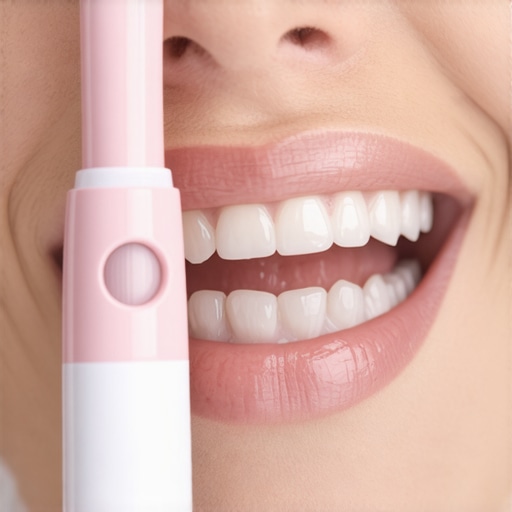
For visual reference, this image illustrates how a sonic toothbrush operates at high speeds to clean hard-to-reach areas around dental restorations, ensuring thorough maintenance.
Use a Water Flosser for Precise Gums and Restoration Care
I switched to a Waterpik after noticing traditional floss was sometimes too rough around my veneers. The gentle water stream dislodges debris and plaque along the gumline without risking damage to delicate porcelain surfaces. Regularly incorporating a water flosser into your routine can help prevent gum disease and keep your restorations securely attached, especially in hard-to-clean areas.
Adopt Specialized Whitening and Maintenance Products
For those who want to preserve the brightness of their veneers or implants, I suggest choosing non-abrasive whitening gels formulated specifically for cosmetic restorations. These products help combat staining from coffee, wine, or tobacco. Remember, harsh abrasives or over-the-counter whitening strips can scratch or discolor artificial surfaces, so always consult your dentist before starting any whitening regimen.
Schedule Periodic Professional Evaluations
Even with excellent daily habits, periodic professional checkups are vital. My dentist recommends every six months, during which they can identify early signs of wear, decay, or loosening of implants. Advanced imaging techniques, such as 3D scans, allow for precise assessment of your restorations’ integrity and can inform proactive repairs before minor issues become major problems.
Predicting Future Trends in Dental Maintenance
Looking ahead, emerging technologies like AI-driven monitoring devices could revolutionize long-term dental care by providing real-time feedback on restoration health via smartphone apps. Additionally, bioengineered materials may offer even more durable and natural-looking options for future cosmetic work. Staying informed about these innovations helps you prepare for transitions to more resilient and easier-to-maintain dental solutions.
How do I maintain my dental appliances over time?
Maintaining your veneers, crowns, or implants requires a combination of consistent daily routines, specialized tools, and regular professional evaluations. Incorporating devices like sonic toothbrushes and water flossers can make a significant difference. For example, using a high-quality sonic toothbrush twice a day combined with gentle flossing or water cleaning helps prevent plaque accumulation around your restorations, extending their lifespan. Don’t forget to discuss with your dentist about specific cleaning products suitable for your restorations—avoiding abrasive or acidic substances is key. For tailored advice and advanced solutions, consider consulting your dental professional regularly and exploring emerging tech that promises to make maintenance even easier in the future. Ready to upgrade your routine? Try incorporating a water flosser today—it’s a game-changer for maintaining long-lasting dental work.
Lessons That Changed My Approach to Smile Makeovers
One of the biggest surprises was realizing that not every smile imperfection requires an immediate veneer or crown. Sometimes, underlying enamel health and habits play a more crucial role than cosmetic fixes. I’ve learned to prioritize comprehensive evaluations over quick cosmetic patches, which can save time and future discomfort.
Another lightbulb moment was understanding that maintenance routines are as vital as the procedures themselves. Regular professional cleanings combined with proper tools—like a sonic toothbrush and water flosser—are game-changers for longevity. Ignoring these aspects can diminish even the most perfect-looking veneers over time.
Lastly, trusting experienced specialists and transparent communication have been my guiding principles. Rushing into cosmetic treatments without full understanding can lead to regret. Informed decisions, backed by professionals, truly make the difference in achieving both beauty and health in your dental journey.