Have you ever finished a routine of flossing or using an interdental brush and then immediately felt a sharp, uncomfortable soreness in your gums? I remember the first time this happened to me—thinking I was doing everything right, but suddenly, my gums felt tender and inflamed. It was frustrating and confusing. Why would something that’s supposed to improve my oral health cause pain instead? This lightbulb moment prompted me to dig deeper and discover that I was unknowingly making some common mistakes that caused irritation.
Understanding the Root of Gum Soreness From Interdental Cleaning
When I first started using interdental brushes, I thought the key was to be thorough. But I quickly realized that if I used too much force or picked a brush size that’s too big, I was actually damaging my delicate gum tissue. The reason your gums are sore after interdental cleaning often lies in the technique or the tools themselves. Properly performed, interdental care should make your gums healthier, not inflamed. But if done incorrectly, it can lead to irritation, bleeding, and even recession over time.
Is the Soreness Worth the Benefits?
It’s natural to worry—are I harming my gums more than I’m helping by cleaning this way? That was the question I wrestled with early on. I learned that many people, including myself initially, make the mistake of thinking that vigorous scrubbing is the way to clean. In reality, gentle, controlled movements are enough. Also, selecting the right brush size is crucial: using a brush that’s too large can cause trauma to the gums just as much as neglecting to clean properly. Taking time to learn the correct technique made a significant difference in reducing soreness and improving my overall gum health.
If you’re facing similar issues, you’re not alone. Many folks start interdental cleaning thinking it’s a quick fix, only to be met with discomfort. The good news is, with some simple adjustments, you can turn this experience around and protect your gums while maintaining optimal oral hygiene. Next, I’ll share practical tips that have helped me and countless others navigate this common concern. But first, have you experienced persistent gum soreness after using interdental brushes? Drop a comment below—sharing your experience can help others realize they’re not alone in this struggle.
Choosing the Right Tools for Gentle Cleaning
Start by selecting an interdental brush or floss that fits snugly between your teeth without forcing. I vividly remember opening a package and trying a brush that was too thick; it scraped my gums painfully. Instead, I tested a slim, flexible brush and gently inserted it, feeling immediate relief. Proper sizing prevents trauma and ensures effective cleaning. Review your options carefully, perhaps by consulting your dentist or family dentistry tips for guidance.
Techniques That Protect Your Gums During Cleaning
Apply light pressure and use controlled, gentle back-and-forth or circular motions. I once got carried away, thinking vigorous scrubbing would do better, resulting in bleeding. I learned that patience and finesse outperform force. Think of your gums as delicate fabric—treat them tenderly. To visualize proper technique, imagine cleaning a fine silk scarf with soft strokes rather than aggressive scrubbing. This approach minimizes irritation and promotes healthier gums over time.
Positioning and Movement for Optimal Results
Hold the interdental tool at a 45-degree angle toward the gum line. When I first tried this, I awkwardly poked at my gums, causing soreness. Adjusting my angle and slow movements reduced discomfort significantly. Remember, your goal is to dislodge plaque without harming tissue. Practice in front of a mirror, focusing on precise, gentle movements, akin to shaping delicate clay—every small, controlled motion counts.
Consistency and Gentle Progression
Begin with short sessions daily, gradually increasing as your gums adapt. I started with 30 seconds per session, and my discomfort decreased within a week. Rushing or overdoing it can worsen soreness. Think of your gums like a patch of muscle: gradually building strength ensures resilience. Stick to a routine, and over time, interdental cleaning becomes a painless, effective habit.
Monitoring and Adjusting Technique
Pay attention to how your gums respond. Bleeding or soreness indicates excessive force or incorrect sizing. After a few days, I noticed that switching to a smaller brush and easing up on pressure kept my gums comfortable. Keep a mental note or log of your sensations to make informed adjustments. If discomfort persists, consult your dentist or explore dental implant innovations for advanced, comfortable solutions.
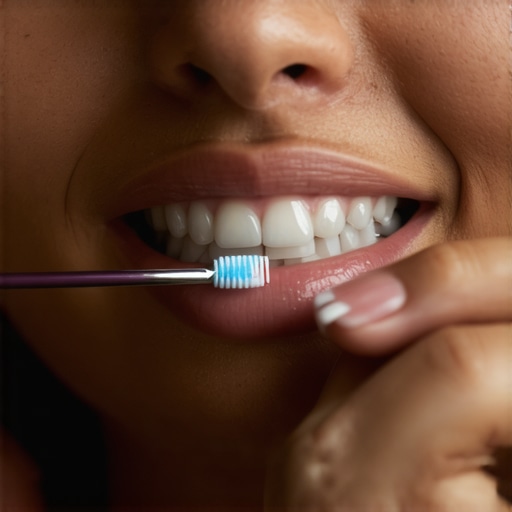 When it comes to dental treatments like implants, veneers, or general family dentistry, there’s a lot of misinformation circulating. Many patients assume that once a procedure is done, the hard part is over—yet, in my experience, understanding the nuances can significantly influence long-term success. For instance, a prevalent myth is that dental implants are universally suitable for everyone. However, factors like bone density and oral health play crucial roles, and overlooking these can lead to implant failure, as highlighted in recent studies on implant rejection rates. Moreover, people often think veneers are purely cosmetic, but they also serve protective functions for weakened teeth. Yet, improper application or neglecting oral hygiene afterward can lead to issues like gum recession or sensitivity. It’s essential to work with a knowledgeable dentist who appreciates these subtleties, especially when considering advanced techniques like cutting-edge implant innovations or minimally invasive veneer procedures. Have you ever fallen into this trap of oversimplifying your treatment options? Let me know in the comments.
Getting the technical details right is key to lasting results. For example, in family dentistry, understanding the importance of tailored preventive strategies can save your child’s future from complex issues. It’s not just about cleaning teeth but about educating proper brushing techniques and dietary habits. Overlooking these details may lead to early decay or orthodontic problems down the line. Similarly, when selecting cosmetic treatments, such as smile makeovers with veneers, the choice of materials and preparation methods impacts durability and appearance. Advanced options like porcelain versus composite veneers each have their nuanced benefits and pitfalls; choosing the right depends on a thorough understanding of longevity, color stability, and patient-specific factors. I recommend consulting detailed guides like [Veneers vs. Crowns](https://straightsmileortho.com/veneers-vs-crowns-which-is-right-for-your-smile) to make informed decisions.
So, what’s the real story behind these popular treatments? One advanced nuance is the significance of patient-specific anatomy in implant placement. For example, recent innovations involve digital planning and 3D imaging to customize each implant position, reducing healing time and improving functionality. Skipping such meticulous planning can result in misaligned implants or nerve damage, which could have been avoided with better preoperative assessment. For those seriously considering upgrading their smile, exploring the latest [cutting-edge tech in cosmetic dentistry](https://straightsmileortho.com/the-future-of-dental-implants-cutting-edge-techniques-in-cosmetic-dentistry) can provide valuable insights into emerging solutions.
Remember, effective dental care isn’t just about cosmetic appeal—it’s about understanding the subtle technicalities that ensure durability and health. By recognizing these hidden nuances, you can make smarter choices and set realistic expectations for your treatments. Do you have questions or experiences related to misunderstood dental procedures? Share below and let’s discuss how to navigate these complexities together.Maintaining your dental restorations and treatments is crucial for long-term success and a confident smile. I personally rely on specialized tools like ultrasonic cleaners to preserve veneers and dental implants, ensuring they stay free from plaque buildup without damaging sensitive materials. These devices emit high-frequency vibrations that gently dislodge debris, making routine cleaning more effective and less abrasive. When combined with professional cleanings, ultrasonic tools significantly extend the lifespan of your dental work. Additionally, investing in an electric toothbrush with a pressure sensor helps prevent overbrushing, which can cause damage to veneers or recede gums around implants. I recommend models like the Philips Sonicare DiamondClean, which I’ve used for years—its gentle yet thorough cleaning action protects delicate restorations while maintaining oral health.
Looking ahead, I predict that advances in smart dental devices will become more integrated into daily routines. Imagine toothbrushes that track cleaning habits, detect plaque buildup, and sync with your dentist’s chair for real-time adjustments—making maintenance more personalized and preventive. Such innovations will likely redefine how we care for our smiles over the long term.
**How do I maintain my dental work over time?** Regular check-ups are essential. Dentists can spot early signs of wear or issues with implants or veneers before they become major problems. Supplementing professional care with daily use of specially designed tools—like interdental brushes tailored to your specific gap sizes—can drastically improve longevity. If you ensure consistent, gentle cleaning and stay vigilant for any changes, your investment in cosmetic or restorative dentistry will pay off much longer.
Remember, neglecting maintenance can lead to complications like gum recession or implant loosening, which are often preventable. So, make it a point to include these specialized tools in your routine and schedule regular dental visits. For comprehensive family dental tips to keep your smile healthy for years to come, check out [family dentistry tips](https://straightsmileortho.com/family-dentistry-tips-for-a-lifetime-of-healthy-smiles). Take control today—try incorporating an ultrasonic cleaner or pressure-sensitive toothbrush into your routine and see the difference it makes in preserving your beautiful smile.
Three Surprising Truths That Transformed My Dental Care Approach
Initially, I believed that more aggressive brushing and flossing would guarantee a healthier smile. However, I quickly learned that gentleness and proper technique are paramount for long-term success. I discovered that overdoing it can cause gum recession and sensitivity, turning what should be helpful into harmful. Recognizing this shift in understanding was a game-changer, leading me to adopt a more mindful and refined approach to oral hygiene.
Another revelation was how critically personalized dental care is. My experience with tailored interdental tools and regular professional assessments underscored that one size does not fit all. Customization ensures that treatments like veneers or implants last longer and function better, preventing unforeseen complications. Embracing this lesson, I now prioritize working closely with my dentist to craft a plan suited specifically to my oral anatomy and lifestyle.
Finally, I realized that ongoing maintenance is the unsung hero of lasting dental health. Daily habits, such as using ultrasonic cleaners and pressure-sensitive toothbrushes, can significantly extend the lifespan of cosmetic and restorative work. Consistency, combined with professional checkups, forms the foundation of a confident, healthy smile that endures years beyond initial procedures.
Tools and Resources I Trust for a Smarter Smile Journey
My go-to resource for comprehensive guidance on professional dental treatments is the insightful articles on family dentistry tips. They emphasize holistic approaches that stay ahead of common pitfalls. For cutting-edge advancements in implant technology, I recommend exploring innovations in dental implants for 2025, which offer promising solutions for enhanced comfort and durability. When seeking cosmetic transformations, understanding material choices through details about veneers and crowns has helped me make informed decisions.
Additionally, tools like ultrasonic cleaners and pressure-sensitive electric toothbrushes have been invaluable for daily maintenance. I personally rely on models like the Philips Sonicare DiamondClean, trusted for their gentle yet effective cleaning action. Staying informed through credible sources and investing in the right tools allows me to protect my smile assets well into the future.
Believe in the Power of Your Smile—Start Today
Your dental journey isn’t just about fixing problems; it’s about embracing the knowledge and habits that keep your smile vibrant for years to come. Remember, regular professional assessments combined with personalized at-home routines are your best allies. Don’t hesitate to explore new tools or ask your dentist about the latest treatments—your smile deserves the best, now and in the future. Begin with one small step today, and watch how your confidence blossoms from the inside out.