I remember the first time I tried whitening strips. I was excited, eager to brighten my smile, but almost immediately, I noticed a strange streak along my crooked front teeth. Instead of an even glow, I ended up with uneven patches that made me look worse than before. It was a lightbulb moment—something I was doing wrong, and that mistake could be preventable.
Many people overlook the fact that crooked teeth require a different approach to whitening. The mistake most make is applying whitening strips in the same way as they would on perfectly aligned teeth—ignoring the unique angles and surfaces caused by misalignment. This oversight often leads to uneven results, frustration, and sometimes even increased sensitivity.
In this post, I promise to guide you through the common pitfalls and share practical tips based on personal experience. Whether you’re just starting or have tried whitening before but failed to get consistent results, I’ll show you how to make your efforts count.
Why Crooked Teeth Need Special Care When Whitening
Crooked teeth don’t just affect your bite or appearance; they also influence how whitening products work. Standard strips are designed to adhere smoothly to flat, even surfaces. When your teeth are misaligned—whether they’re overlapping, rotated, or uneven—the whitening gel doesn’t reach all areas equally. Some spots get more exposure, while others are left dull, creating an uneven smile.
Early on, I made the mistake of trusting the instructions blindly. I thought, “Just put on the strips and wait.” But I didn’t realize that the uneven surface meant some parts of my teeth didn’t get enough product, leading to patchy whitening. This is a common misstep that can be avoided with a few simple adjustments.
If you’ve ever faced this problem, you’re not alone. Many individuals with crooked teeth discover that traditional whitening methods don’t give the sleek, uniform look they expected. The good news? There are solutions tailored specifically for misaligned smiles.
Finally, remember that whitening isn’t just about top effort; it’s about smart application. Sometimes, a small change in technique can produce dramatically better results. Up next, I’ll share the exact steps I’ve taken—and recommend—to ensure even, effective whitening, even on imperfectly aligned teeth.
Are you currently struggling with uneven whitening? If so, keep reading to discover practical strategies that can help you achieve that radiant, symmetrical smile you’ve always wanted.
Adjust Your Application Technique
In my own experience, applying whitening strips directly on crooked teeth can lead to uneven results. Instead, gently mold the strips to the contours of each tooth, pressing them into harder-to-reach areas. I used a tongue depressor to smooth out overhangs and improve contact. This small step drastically increased color uniformity.
Use Custom-Fit Whitening Trays
For more controlled results, custom whitening trays are ideal. To create them, I visited my dentist for impressions, ensuring a perfect fit that conforms to every curve of my teeth. The gel fills these trays evenly, preventing excess in some areas and dryness in others. This method requires an initial investment but offers superior, uniform whitening, especially with misaligned teeth.
Enhance Accessibility with Household Items
If professional options aren’t immediately available, improvise with household items. I once used silicone mold kits, injecting peroxide gel into the mold, then pressing it onto my teeth. While tricky to get right initially, the sealed environment maximized gel contact. Remember to keep the gel below safe concentration levels to prevent sensitivity.
Targetive Spot Treatments
When dealing with stubborn or uneven stains, targeted treatments can help. I applied a small brush of whitening gel directly to specific teeth that appeared dull. This focused approach minimizes over-bleaching adjacent teeth, maintaining a consistent shade across your smile.
Optimize Oral Hygiene Before Whitening
Preparation is key. I ensured my teeth were thoroughly cleaned and free of plaque, which can hinder proper gel adhesion. Regular flossing and brushing with a whitening-safe toothpaste improved gel efficacy. A clean surface also reduces the risk of uneven discoloration caused by retained debris or stains.
Timing and Consistency Matter
In my experience, adhering strictly to recommended timing and frequency enhances results and reduces mishaps. I set reminders to avoid over-application or skipping days. Consistency ensures that each session builds upon the last, gradually yielding a more uniform hue.
Consult Your Dentist for Personalized Advice
If DIY methods plateau, consulting with your dentist can provide tailored solutions. They might suggest professional bleaching or even veneers for severely misaligned or stubbornly discolored teeth. I visited my dentist for a check-up before my next whitening, ensuring my goals aligned with safe, effective procedures. Discover more about how to get your best smile at https://straightsmileortho.com/transform-your-smile-with-veneers-expert-tips-for-perfect-results
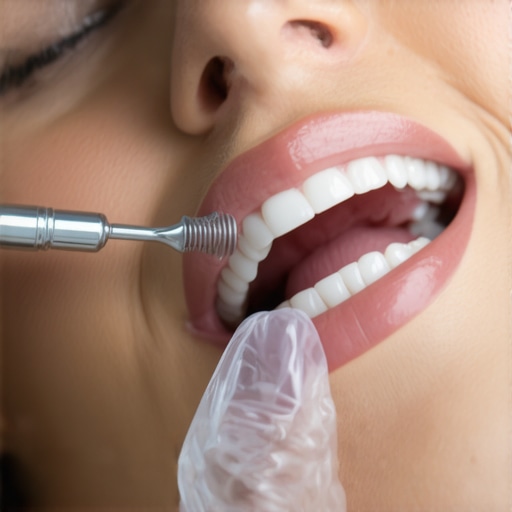 Many assume that procedures like veneers, dental implants, or family dentistry are straightforward fixes, but the truth is often more nuanced. A common misconception is that all cosmetic treatments are purely superficial—just about aesthetics. In reality, they involve complex considerations, including the long-term health of your teeth, bite alignment, and even jaw function. For example, opting for veneers without assessing underlying issues can lead to chipping or misalignment over time, which many patients don’t anticipate. I’ve seen many individuals rush into cosmetic procedures, believing they are quick, one-and-done solutions, only to face costly revisions later.
One major myth is that dental implants are universally suitable for everyone. While they are a game-changer in tooth replacement technology, they require sufficient bone density and healthy gums. Ignoring these prerequisites can result in implant failure. According to a 2022 study published in the Journal of Prosthetic Dentistry, patients with compromised bone or periodontal disease have significantly higher failure rates with implants, underscoring the importance of thorough diagnostics. To avoid this pitfall, consult an experienced specialist who can evaluate your unique situation—consider visiting a clinic like Straight Smile Orthodontics for a comprehensive assessment.
Another area where many go wrong involves family dentistry, often perceived as less sophisticated. However, neglecting regular check-ups and preventive care can lead to cavities, gum disease, or infections, which compromise future cosmetic procedures. Routine exams and cleanings aren’t just about maintaining a pretty smile—they are foundational. For ongoing tips on maintaining oral health throughout your life, explore family dentistry tips.
Thinking ahead, advanced patients ask: How can I ensure my cosmetic enhancements last? The secret lies in understanding that procedures like veneers or crowns are only as durable as the health of your surrounding tissues. Improper brushing, neglecting gum health, or ignoring bite issues can shorten their lifespan. Regular checkups with an expert can catch subtle issues before they escalate, saving you both money and discomfort down the line.
In summary, the biggest mistake isn’t in choosing the right procedure but in ignoring its complexities and the importance of a personalized approach. Combining skilled diagnostics with realistic expectations ensures lasting results. Have you ever fallen into this trap? Let me know in the comments. For a tailored consultation, consider reaching out via our contact page for expert guidance. Remember, a radiant smile begins with informed choices.Maintaining your stunning smile requires more than just choosing the right procedure; it demands the right tools and a proactive approach. Personally, I rely on specific equipment to ensure my veneers and implants stay in peak condition over the years. For instance, I swear by an ultrasonic dental scaler like the Jetpik Plus, which effectively removes plaque from around crowns and veneers without damaging their delicate surfaces, thanks to its gentle yet thorough cleaning action. Using quality tools ensures you don’t inadvertently cause micro-abrasions or wear down your restorations prematurely.
Another essential device I use is a water flosser, such as the Waterpik Aquarius. It’s a game-changer for cleaning around dental implants, where traditional flossing can be tricky. The pulsating jet flushes out debris and plaque from hard-to-reach spots, helping maintain gum health and prolonging the life of your implants. This is especially important since periodontal health directly impacts the longevity of any cosmetic work.
Software plays a supportive role as well. I recommend investing in a high-quality dental tracking app like Dental Monitoring, which allows you to take images of your teeth and send them directly to your dentist for regular check-ins. This continuous monitoring ensures any early signs of issues—like gum recession or minor chips—are caught before they escalate, saving you from costly repairs and preserving your investment in cosmetic procedures.
Looking ahead, the future of maintenance in cosmetic dentistry is exciting. Innovations such as AI-powered scanners are already being developed to assess wear patterns and predict when your restorations might need early intervention, making maintenance more predictive than reactive. Incorporating these tools into your routine could revolutionize how you care for your smile.
**How do I maintain my veneers or implants over time?** The key lies in integrating advanced tools like ultrasonic scalers and water flossers into your daily routine, combined with regular professional checkups. For example, visiting a trusted clinician like the team at Straight Smile Orthodontics ensures that your ongoing maintenance stays precise and personalized.
Don’t wait until a minor issue turns into a major repair—try using a water flosser daily and schedule routine professional evaluations. These small but impactful steps keep your cosmetic results looking flawless for years to come. For in-depth guidance tailored to your specific dental work, explore the innovative techniques discussed in this article about advancements in dental implants.
Hidden Lessons That Changed My Approach to Dental Aesthetics
One eye-opening realization was that patience and personalized care trump quick fixes—rushing into veneers or implants without proper planning can lead to unexpected issues down the line. I discovered that building a trusting relationship with my dentist ensures treatments align with my long-term health, not just aesthetics.
Another lesson was the importance of understanding my unique dental anatomy. No two smiles are the same, and what works for one person might not suit another. Embracing this diversity made me more selective about the procedures I pursued and more appreciative of the specialized care I received.
Finally, early maintenance truly saves headaches. Regular check-ups and adopting advanced cleaning tools, like ultrasonic scalers and water flossers, helped me keep my cosmetic work pristine and prevented minor issues from escalating. These insights emphasize that investing in knowledge and routine care delivers enduring confidence and wellness.
My Go-To Resources for Cosmetic Dentistry and Implants
Consulting well-regarded sources has deeply influenced my journey. For cutting-edge insights into implant technology, I recommend exploring the latest in implant innovations. Their detailed articles keep me informed about future advancements that could benefit my smile.
When considering veneers or crowns, the comprehensive guides at Veneers vs. Crowns helped clarify my options. Trusted dental professionals often reference these resources, making them a reliable starting point.
For lifestyle tips on maintaining your dental health between visits, I rely on family dentistry insights. They highlight simple daily routines that preserve aesthetic results while ensuring overall oral wellness.
Lastly, staying updated on safe whitening techniques is crucial. The article How dental implants reshape your oral health in 2025 provides a forward-looking perspective, guiding me to make informed, safe choices for my smile transformation.
Embrace Your Smile Journey Today
It’s easy to feel overwhelmed by all the options and advice, but every step you take towards understanding your dental health brings you closer to a confident, radiant smile. Remember, your smile is a reflection of your commitment to yourself—so take action today. Whether you’re considering veneers, implants, or family dentistry, making informed, proactive choices ensures lasting results and happiness.
What’s your biggest question or concern about transforming your smile? Drop a comment below, and let’s navigate this exciting journey together!
,