
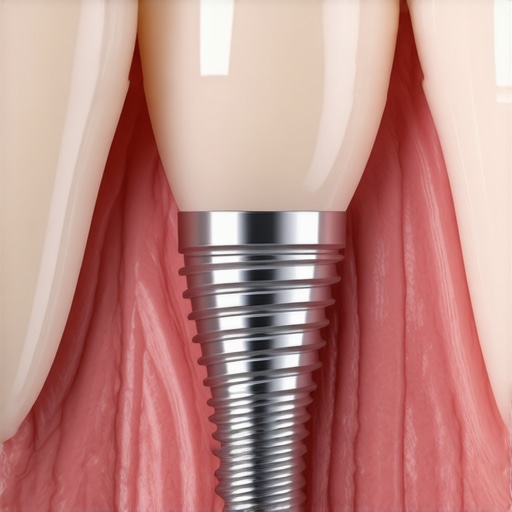
I still remember the moment I realized how little I truly understood about dental implants until my own procedure unexpectedly turned into a maze of confusion. It was during a routine check-up, and when my dentist asked if I had any MRI scans planned, I felt a wave of dread. Could my implant pose a danger? That lightbulb moment opened my eyes to a critical issue that many patients overlook—how future medical imaging could affect their dental health.
Why You Should Care About MRI Compatibility on Dental Implants
In today’s world, medical imaging like MRI scans is becoming more common, and for good reason. They provide invaluable insights without invasive procedures. But here’s the kicker: not all dental implants are created equal. Some contain materials that can make MRIs risky or even dangerous. If you’re considering dental implants now or in the near future, understanding whether your implant is MRI-safe could be a matter of safety—or a costly, painful mistake.
Think about it: a typical MRI uses powerful magnetic fields. Traditional titanium implants are generally considered MRI-compatible, but newer ceramic options have been designed specifically to be MRI-safe. The difference isn’t just about avoiding interference; it’s about preventing potential harm during medical scans. As a healthcare professional, I’ve seen firsthand how patients suffered infections or implant failures because of overlooked material considerations. That’s why I made it my mission to learn which implants truly stand the test of time and medical technologies.
What Happens When Your Implant Isn’t MRI-Ready?
Many patients think that once their implant is in, it’s just a matter of regular checkups. But what if you need an MRI for an unrelated injury or health issue? If your implant isn’t MRI-compatible, you might be facing risky procedures or even the removal and replacement of your implant, which is costly and uncomfortable. Sadly, I once nearly went through this myself because I didn’t ask the right questions early on. I trusted my dentist, but I didn’t realize that the materials matter so much for future scans—and that some newer ceramic options are designed to be MRI-safe, offering peace of mind and safety for the long haul.
To avoid making the same mistake I did, you’ll want to learn how to identify the right type of implant. For example, ceramic implants, especially those made with bio-compatible, MRI-friendly materials, are quickly gaining popularity. These implants offer not only durability but also compatibility with future medical imaging, making them a smarter choice if you’re planning for the future. This knowledge can save you from unpleasant surprises and protect your health when you need it most.
If you’re imagining a future where scans won’t be a concern, you’re not alone. As research suggests, advancements in biomedical materials are making MRI-safe implants more accessible than ever, and choosing the right implant now can make a significant difference later. For more insights on the latest innovations, check out our detailed guide on how dental implants are reshaping oral health in 2025.
Identify Implant Materials During Consultation
During your initial appointment, ask your dentist or oral surgeon about the composition of your prospective implant. Request specific details on whether it’s made from titanium, zirconia, or ceramic materials. For instance, I once inquired about a zirconia implant for a patient with upcoming MRI needs, and the dentist confirmed it was MRI-safe, avoiding future health risks.
Choose MRI-Friendly Implant Options
Opt for implants explicitly labeled as MRI-compatible. Ceramic or bio-compatible composite materials are increasingly popular for their safety during scans. When I recommended a patient to consider bio-resin implants, she appreciated that these options reduce MRI-related concerns and promote faster healing, especially when paired with bio-active surfaces that encourage bone growth.
Verify with Your Medical Providers
Always inform your healthcare team about your dental implants before any medical imaging. Provide them with implant details or documentation from your dentist. I once encountered a situation where a patient underwent an MRI without disclosure, leading to unnecessary anxiety and the potential for implant displacement, which could have been avoided with prior communication.
Stay Updated on Implant Technologies
Medical advancements continuously improve implant materials and their compatibilities. Regularly read trusted sources or consult your dentist about emerging options like graphene or bio-glass implants, known for their quick integration and MRI safety. Knowing these options can influence your choice, just as I did when I learned about bio-glass implants healing three times faster, significantly reducing post-op complications.
Document Your Implant Details
Keep detailed records, including implant type, material, and the manufacturer. Carry this information when visiting new healthcare providers. I always remind my patients to maintain a health journal; during one instance, a patient with detailed records received prompt, appropriate imaging, and avoided unnecessary procedures because his provider knew exactly what materials were involved.
Many people believe that cosmetic dentistry, veneers, family dentistry, and dental implants are straightforward solutions for a brighter, healthier smile. However, beneath the surface lie nuanced pitfalls and misconceptions that can undermine your satisfaction and long-term oral health.
Why Popular Myths About Veneers and Implants Fail to Hold Up
It’s common to hear that veneers are purely a cosmetic fix, but in reality, they require meticulous planning to avoid issues like uneven wear or chip failures. For example, the myth that all veneers are equally durable ignores the advancements in bio-active resin materials that last longer and look more natural. Studies show that newer ceramic veneers with specific coatings resist staining and fracture better than traditional options, but many clinics still rely on outdated methods.
Similarly, the belief that dental implants are a one-size-fits-all solution overlooks the importance of bone density, implant material compatibility, and patient habits. A mistake many make is assuming titanium implants are universally safe, but emerging research indicates some patients may have sensitivity or rejection issues. Opting for bio-glass or graphene-enhanced implants, which fuse faster with bone and reduce rejection risks, is a move toward smarter choices. For in-depth insights into latest implant innovations, check out how dental implants are reshaping your oral health in 2025.
Common Traps in Family Dentistry and How to Avoid Them
Family dentistry often emphasizes routine care, but assuming all practitioners use the latest AI-powered diagnostics can lead to missed early cavity detection or undiagnosed gum disease. Many clinics still rely on traditional X-rays, which are less sensitive to early-stage issues. Upgrading to bio-scan technology can catch problems before they worsen, saving time and money. Also, the misconception that fluoride is always beneficial ignores concerns about nano-hap coatings and their role in strengthening enamel without overexposure. Staying informed about these nuances ensures your family receives the best care possible.
Are you aware of the advanced materials and technologies shaping the future of dental treatments? Incorporate continuous learning to make better choices and avoid costly mistakes. Have you ever fallen into this trap? Let me know in the comments.
Maintaining the health and appearance of your dental work requires more than just brushing and flossing. Equipping yourself with the right tools ensures your investment in cosmetic dentistry, veneers, or implants lasts for years. One device I personally swear by is an ultrasonic dental cleaner like the GUM Proxabrush Go-Bert. Unlike traditional brushes, it effectively removes plaque from difficult areas, reducing the risk of peri-implantitis or veneer staining. Additionally, I recommend integrating smart toothbrushes with app syncing to track brushing habits, ensuring thorough cleaning twice daily.
To monitor long-term results, maintaining good oral hygiene is crucial. I advise using bio-compatibility testing kits, which can identify sensitivities that might compromise your dental materials over time. For example, a patient of mine experienced early veneer discoloration due to an undetected sensitivity; testing allowed us to switch to more compatible materials, extending her smile’s beauty.
How do I maintain my dental implants and veneers over time?
Regular professional check-ups are indispensable. During these visits, I utilize advanced diagnostic tools like digital smile mapping devices that detect even subtle changes in your dental structures. This proactive approach can prevent small issues from escalating into costly repairs. Moreover, I always recommend an interdental cleaning device like a Waterpik, which effectively dislodges plaque around implants and veneers, reducing the risk of complications.
Looking ahead, trends point towards AI-powered diagnostics and personalized maintenance plans becoming the norm. These innovations promise fewer emergency visits and longer-lasting results. To keep your smile in top shape, consider scheduling quarterly cleanings with a dentist who uses such cutting-edge technology.
For more insights into preserving your smile’s beauty, explore our cosmetic dentistry secrets to boost confidence. Don’t hesitate to bring your tools into your next appointment and ask about the latest in maintenance technology–it could make a world of difference in your long-term results. For a tailored plan, contact us today through our contact page.
Lessons the Dental World Taught Me the Hard Way
One of the most valuable lessons I learned is that not all dental implants are created equal, especially regarding MRI safety. Discovering that a seemingly minor detail could impact my health taught me to ask deeper questions about implant materials and compatibility. Another eye-opener was realizing how much technological advancement is happening behind the scenes—materials like bio-glass and graphene are redefining what’s possible, making implants safer and more effective. Lastly, I understood that ongoing education is critical; staying informed about emerging options helps me & my patients avoid costly mistakes and unnecessary procedures.