I remember a time when I bit into my morning apple and immediately noticed a small brown spot nestled between my front teeth. My first instinct was to brush it off as a coffee stain, but a nagging doubt crept in. Was it just a surface stain or something more serious—a cavity lurking beneath the surface? That moment was a lightbulb for me—clarity about my dental health matters more than I ever realized.
Spotting the Difference Can Save You a Trip to the Dentist (For Something Small)
Many of us have been in that situation—seeing a discolored spot and questioning whether it’s harmless or a sign of trouble. The dilemma is real. If you misjudge a cavity as a stain, you might delay needed treatment, risking more extensive damage. Conversely, mistaking a stubborn stain for a cavity could lead you to unnecessary dental procedures. Knowing the difference isn’t just about aesthetics; it’s about safeguarding your health and wallet.
Is It Really a Cavity or Just Surface Stain? The Skeptical Mind’s Question
Early in my journey, I made the mistake of ignoring the difference. I thought, “It looks dark, but it’s probably just a stain,” and let it go for too long. It wasn’t until a routine check-up that my dentist explained it was a small cavity that could’ve been prevented with a simple filling—saving me from discomfort and bigger dental work later. That experience taught me to pay closer attention and educate myself about what signs to look for.
Understanding the nuanced difference between a stain and a cavity can seem tricky, but with a few tips, you’ll be more confident in your dental self-assessment. And if you’re curious about the latest in cosmetic solutions or family dental tips, feel free to explore more at family dentistry tips.
Let’s start by exploring what exactly a stain is versus how a cavity develops, so you can keep your smile in top shape and know when it’s time to visit the professional.
Pregame Inspection: Know What to Look For
Recall a time I found a dark spot on my molar after lunch. Instead of panicking, I gently brushed the area and examined it in the mirror—looking for roughness, texture changes, or if the spot was raised above the tooth surface. This initial check helps differentiate surface stains from potential cavities. Use a flashlight and a mirror to inspect tricky angles, and note any discomfort or sensitivity during eating or drinking.
Clean and Isolate: Clarify What’s Normal
Next, thoroughly brush and floss around the suspect area. Sometimes, leftover food or plaque can mimic decay. For instance, I once thought I had a cavity, but after cleaning, the dark spot vanished—turning out to be a stubborn stain. If the discoloration persists, proceed cautiously—do not attempt to remove it with sharp tools. Focus on gentle cleaning; note if the spot remains after a couple of days.
Assess Texture and Feel
Gently run your tongue over the area. A surface stain will feel smooth, while a cavity might feel rough or like a small hole. In one experience, I ran my tongue over a dark patch, and it felt gritty compared to surrounding enamel, indicating decay. Be cautious—don’t press too hard or try to poke the area, as this can cause damage or discomfort.
Identify Symptoms of Sensitivity or Pain
Pay attention to any pain or sensitivity during hot, cold, or sweet foods. I once ignored mild sensitivity, which later escalated into a painful cavity requiring filling. If pain is noticeable, it’s a sign to see your dentist. Conversely, lack of pain doesn’t rule out cavities; some small ones remain silent initially.
Apply Remote Diagnostics: When to Seek Professional Help
If after cleaning and inspection the spot is still present, schedule a dental check-up. Modern tools such as dental X-rays reveal hidden decay beneath the surface that can’t be seen or felt. I remember bringing a photo of my persistent dark spot to my dentist, who confirmed it was a small cavity. For preventive care, regular check-ups are essential—especially if you spot early signs of trouble.
Meanwhile, explore family-friendly tips by visiting this resource to maintain overall dental health. Remember, early detection and gentle inspection go a long way in saving your smile from unnecessary procedures.
Document Your Findings
Take photos of the affected area over time. This helps track any progression or improvement and provides valuable information to your dentist. I kept a weekly photo journal during my dental concern, which helped my hygienist better understand the situation during appointments.
Avoid Self-Diagnosis and Trial Remedies
Never attempt to treat or remove a suspected cavity with household remedies or DIY tricks. Trying to ‘fix’ it yourself can cause further damage or infection. Instead, use your findings as a guide to prompt a professional evaluation, ensuring safe and effective treatment.
Remember, distinguishing between a stain and a cavity is a process of elimination. Regular self-checks complemented by professional exams form the best strategy for maintaining healthy teeth. For more tips on modern dental technologies, visit this article on dental implants.
Many patients assume that dental implants, veneers, and other cosmetic or family dentistry treatments are straightforward choices, but the truth is, there are nuanced factors that often get overlooked. For instance, a widespread myth is that all dental veneers are the same, leading many to choose a cheaper option without considering material quality or long-term durability. In reality, the type of porcelain and bonding technique can dramatically affect the lifespan and appearance of your veneers, as highlighted in recent dental research.
Are Porcelain Veneers Really a One-Size-Fits-All Solution?
Contrary to popular belief, not all veneers suit every patient equally. Factors like your bite pattern, enamel thickness, and even habits such as teeth grinding influence the best choice of veneer. Choosing a veneer without considering these nuances can lead to increased sensitivity or early failure, which is a common beginner mistake. For personalized guidance, consult an expert who can tailor solutions to your unique dental anatomy.
Regarding dental implants, many think that placing them is a quick fix. However, the procedure’s success depends on bone quality, gum health, and precise placement. Overlooking these steps can increase the risk of implant rejection or failure, making it essential to evaluate your overall oral health before proceeding. For a comprehensive overview of cutting-edge implant technologies, check out this article on dental implant innovations.
What Are the Most Common Advanced Mistakes in Family Dentistry?
Many assume regular check-ups are enough to keep cavities at bay, but neglecting the subtle signs of early decay or gum disease can be a costly error. For instance, some patients ignore minor bleeding or sensitivity, dismissing them as normal. Yet, these could be early indicators of periodontal issues or caries that require prompt intervention. A nuanced understanding of these signs can lead to better preventative care, saving you from invasive procedures later. To boost your preventive strategies, explore family dentistry tips.
Furthermore, many overlook the importance of material selection in restorative work. Approaches like composite fillings versus amalgam, or types of crowns, involve nuanced trade-offs in aesthetics, durability, and biocompatibility. Being aware of these details can influence your long-term results and comfort. Don’t fall into the trap of choosing based solely on cost; prioritize quality and expert advice.
Finally, a common mistake is underestimating the importance of proper oral hygiene post-treatment. Even the most advanced procedures won’t last if not maintained correctly. Regular follow-ups and diligent home care play a vital role in ensuring longevity of your dental work, whether it’s veneers, implants, or crowns.
In summary, a deep understanding of these nuanced aspects can significantly impact your dental health and aesthetic outcomes. Always question simple assumptions and seek expert opinions to navigate the complex landscape of modern dentistry. Have you ever fallen into this trap? Let me know in the comments.
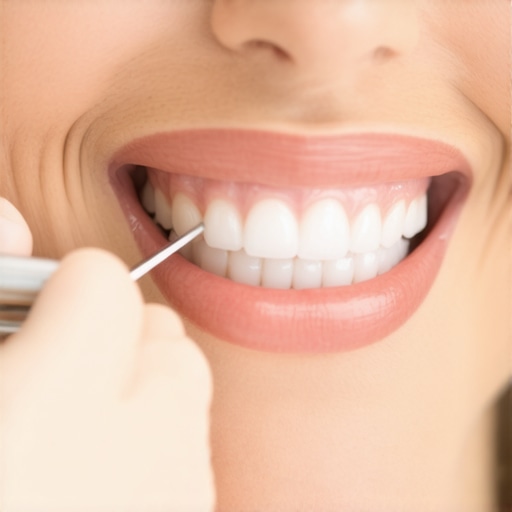
Maintaining Dental Work with Precision and Care
When it comes to preserving the benefits of dental implants, veneers, or family dentistry efforts, the right tools and consistent practices are vital. I personally rely on a combination of high-quality toothbrushes, interdental cleaners, and advanced software to monitor and ensure long-lasting results. These tools aren’t just gimmicks—they make a tangible difference in my daily dental routine and help prevent issues before they escalate.
The Equipment I Trust for Longevity
One indispensable device I use is the Sonicare DiamondClean Electric Toothbrush. Its sonic technology delivers superior plaque removal and gentle gum stimulation—crucial for protecting veneers and implants from decay or damage. Its timer and pressure sensor also prevent over-brushing, which can compromise delicate restorations. Pairing this with water flossers like the Waterpik Water Flosser, especially the Ultra model, I effectively clean hard-to-reach areas, reducing plaque buildup around crowns and implants.
Leveraging Software for Dental Health Monitoring
Beyond physical tools, I recommend utilizing dental health apps such as Dental Monitoring. These AI-driven platforms enable you to track your oral health over time through monthly photo submissions. They help detect early signs of gum recession, staining, or other potential issues—especially beneficial for those with multiple restorations or cosmetic work. Regular use empowers you to address problems proactively, saving money and discomfort down the line.
Future Trends in Dental Maintenance
The future points toward smarter, integrated solutions—like AI-connected toothbrushes that track your brushing habits and provide personalized feedback via smartphone apps. This integration ensures better adherence to proper brushing angles and techniques, especially for patients with restorations that need gentle handling.
How do I keep my dental work functioning smoothly over time?
The key is a combination of the right tools, disciplined routines, and professional guidance. Regular dental check-ups are essential; they allow your dentist to perform deep cleanings and spot early signs of wear or decay. Maintaining proper oral hygiene with quality toothbrushes, flossers, and possibly water flossers, coupled with the use of monitoring apps, creates a comprehensive system that preserves your smile’s integrity. For more insights on strengthening your dental care routine, explore family dentistry tips.
Don’t forget, consistency is king. Try integrating a weekly check-in using your app or mirror to observe any subtle changes. Incorporating these advanced practices ensures your dental work remains effective, comfortable, and durable for years to come. Remember, staying proactive today saves you from costly repairs tomorrow—so invest in these tools and routines now.
Lessons Only the Pros Usually Share
- Realizing that all dental restorations require ongoing care was a game-changer—I used to think a perfect smile was a one-and-done deal, but proactive maintenance keeps veneers and implants looking their best for years.
- Understanding that material choice significantly impacts longevity taught me to prioritize quality over cost, ensuring my investment in cosmetic dentistry yields lasting results.
- Appreciating the importance of personalized solutions over cookie-cutter approaches helped me choose treatments like veneers and crowns that truly fit my unique dental anatomy and lifestyle.
- Discovering that even the best treatments need diligent home care was an eye-opener—simple habits like consistent brushing with the right tools make a huge difference in preserving my smile’s integrity.
Tools That Elevated My Dental Journey
- ProxiBrush Interdental Cleaners: These have transformed my daily flossing routine, reaching areas under veneers and around implants effortlessly and effectively.
- Dental Monitoring App: This AI-powered tool keeps me vigilant, allowing me to track progress and catch subtle issues early, saving time and discomfort.
- High-Quality Whitening Kits: I trust professional-grade whitening products backed by my dentist’s guidance for safe, consistent results without damaging my enamel.
- Educational Resources on Straightsmileortho: Regularly exploring expert articles deepened my understanding, empowering me to make informed decisions about my dental work and maintenance routines.
Embrace Your Smile—The Power Is In Your Hands
Your journey to a confident, healthy smile is uniquely yours. With the right knowledge, tools, and proactive attitude, you can preserve your dental work beautifully and enjoy every moment showing off your smile. Remember, each step you take today builds the foundation for a radiant tomorrow. Have you ever hesitated before scheduling that check-up or treatment? Share your experiences below—your story might inspire others to prioritize their dental health and boost their confidence.