I’ll never forget the first time I used an interdental brush and suddenly saw blood on my floss. It was a jolting moment of frustration and confusion. I thought, “Is this normal? Am I hurting myself?” At that point, I realized that a common problem many people face—gums bleeding during interdental cleaning—is often misunderstood and mishandled. Today, I want to share what I’ve learned from personal experience and professional advice to help you stop that bleeding and make your dental routine more comfortable and effective.
Why Gums Bleed and What You Can Do About It
Gum bleeding when using interdental brushes is surprisingly common, especially in the early days of flossing or when dealing with sensitive gums. It can be caused by a variety of factors, including inflammation, improper technique, or existing gum issues. But here’s the key: blood isn’t necessarily a sign of a serious problem; sometimes, it’s just your body’s way of reacting to a new routine or minor irritation. However, if left unchecked, it can develop into more serious gum disease.
One thing I learned early on was that technique matters. Applying too much pressure or forcing the brush into tight spaces can cause minor abrasions, making gums bleed. Conversely, gentle messing around won’t do the trick and may leave plaque behind. Striking that balance is crucial, and that’s exactly what we’ll explore next.
Is Bleeding During Flossing or Using Interdental Brushes Actually Worth the Hype?
Initially, I thought that any bleeding meant I was doing something wrong or harming my gums permanently. Turns out, bleeding is often a natural response, especially if your gums are inflamed or not used to the cleaning routine. I made the mistake early on of pressing too hard, which only worsened the bleeding. Once I adjusted my technique—using gentle, controlled motions—the bleeding reduced significantly. Remember, improving your technique isn’t about pushing harder; it’s about being patient and careful. For more insights on effective dental care, consider visiting this resource on boosting your confidence with cosmetic dentistry.
The good news? You can manage and even eliminate gum bleeding with proper habits and some patience. Next, I’ll walk you through some practical steps that helped me and could help you, too.
Perfect Your Technique for Gentle, Effective Cleaning
Start by selecting the appropriate interdental brush size—too big can cause trauma, too small may not clean effectively. When I first began, I struggled with finding the right fit, and my gums bled more than they should have. I learned to gently insert the brush at a 45-degree angle, avoiding forcing it into tight spots. Practice slow, controlled motions, moving the brush back and forth, mimicking the gentle wiggle you might do when loosening soil from a stubborn stain. This gradual approach minimized irritation and helped my gums toughen up over time.
Master the Correct Pressure
Applying light pressure is vital. Think of trying to clean a delicate painting—pressing too hard can scratch the surface, but too light might miss dirt. I remember accidentally pressing too hard during my first few uses, which caused bleeding. Now, I use the tip of my finger to gauge the pressure—if I can feel the brush pushing against my gums, I ease up. The goal is to let the bristles do their job without exerting force. This way, you protect your gums while still cleaning effectively.
Establish a Routine that Promotes Healing
Consistency is key. I set a daily reminder, ensuring I floss or use interdental brushes twice a day. After each session, I rinse with warm water and gentle mouthwash—avoid harsh alcohol-based rinses that can dry out and irritate gums. Initially, I experienced more bleeding as my gums healed, but sticking to gentle, consistent cleaning accelerated recovery. Over time, the bleeding diminished, signaling improved gum health.
Use Proper Technique During Flossing
For traditional flossing, carefully slide the floss between teeth, hugging each tooth with a C-shape movement. Avoid snapping or forcing the floss into the gums, which can cause microtears. I found that slow, deliberate movements prevented unnecessary bleeding. If your gums bleed, don’t be discouraged. Instead, focus on gentleness, and consider using floss with a wider or softer texture if irritation persists. Regular flossing can also help reduce inflammation, protecting your gums from bleeding episodes.
Monitor Your Progress and Seek Professional Advice
Keep an eye on how your gums respond over days and weeks. Note improvements like less bleeding and reduced sensitivity. If bleeding persists for more than a week despite proper technique, it’s time to consult your dentist. They can assess for underlying issues like gingivitis or periodontal disease and recommend targeted treatments. Remember, consistent gentle care can reverse early gum problems and prevent more serious conditions.
For more tailored tips on maintaining oral health and preventing gum issues, visit Family Dentistry Tips or explore advanced cosmetic options to boost your smile confidence with Cosmetic Dentistry Secrets.
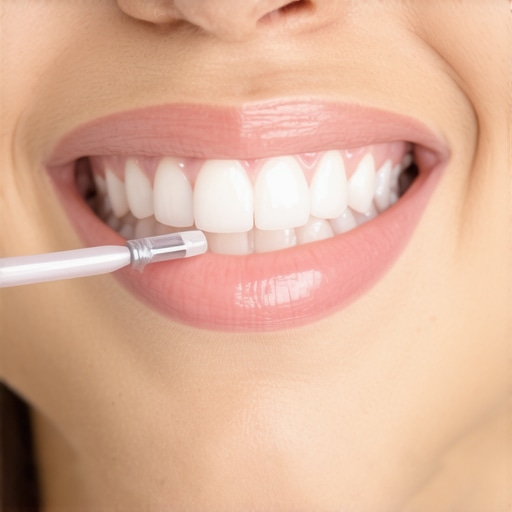 While many patients believe they understand the basics of veneers, dental implants, and cosmetic dentistry, professionals know that common misconceptions often lead to dissatisfaction and costly mistakes. One frequent myth is that veneers are purely cosmetic and require no maintenance, but experts warn that untreated decay or misaligned bites can compromise their longevity. The truth is, veneers demand meticulous preparation and ongoing care to prevent issues like chipping or discoloration, which many overlook.
Are Veneers Truly Permanent or Do They Require Future Adjustments?
Contrary to popular belief, veneers are not necessarily permanent; they typically last between 10-15 years, depending on habits like teeth grinding or staining substances. Regular consultations ensure early detection of wear or damage. I recommend exploring detailed guides such as this comprehensive overview on veneer transformations to set realistic expectations. On the topic of family dentistry, a common mistake is assuming that regular cleanings are enough to prevent all oral issues. In reality, many overlook early signs of gum disease or decay, which can accelerate if not addressed promptly. Advanced diagnostic tools, like digital X-rays and plaque assessments, help catch subtle problems before they escalate. Interestingly, a recent study shows that personalized oral health plans improve long-term outcomes significantly, emphasizing the importance of tailored checkups here. When it comes to dental implants, many think that once placed, they are immune to issues. However, peri-implantitis—an inflammatory process similar to gum disease—can threaten implant stability if not properly managed. Proper hygiene, including interdental cleaning and professional inspections, is crucial. As highlighted in latest innovations in implant dentistry, new surface technologies are reducing failure rates, but patient compliance remains key. Regarding cosmetic procedures, a pervasive error is the belief that one size fits all. In truth, procedures like whitening or bonding should be customized based on individual tooth structure and color. An experienced cosmetic dentist will evaluate facial features and oral health to craft a natural, harmonious smile. According to leading experts, attempting DIY whitening kits often results in uneven shades or sensitivity, making professional guidance indispensable. Remember, the goal isn’t just a bright smile but a healthy, functional one. Have you ever fallen into this trap? Let me know in the comments. The nuances that distinguish expert care from misconceptions can make all the difference in your dental journey.
Maintaining your dental work and overall oral health requires more than just good habits; having the right tools can make all the difference. Over years of personal experience and professional guidance, I’ve identified specific equipment and methods that ensure long-term results, whether you’re caring for veneers, implants, or general family dentistry needs.
Trusted Instruments for Consistent Care
One essential tool I rely on is the Waterpik Water Flosser. Its adjustable pressure settings allow me to gently remove plaque and debris around dental implants and veneers without risking damage. The pulsating water action reaches areas that traditional floss sometimes misses, especially beneath bridges or around brackets. I’ve found that using it daily reduces inflammation and prevents peri-implantitis, ensuring my restorations last longer.
For those with sensitive gums, I recommend a soft-bristled electric toothbrush like the Philips Sonicare ProtectiveClean. Its sonic technology delivers thousands of gentle vibrations per minute, effectively cleaning while minimizing trauma to delicate tissues. Personally, switching to sonic technology significantly decreased bleeding episodes and increased my confidence in daily brushing routines.
Why I Value Digital Imaging
My approach to long-term dental health incorporates advanced diagnostic tools. Digital X-rays provide high-resolution images with minimal exposure, enabling early detection of issues such as microcracks, decay beneath veneers, or bone loss around implants. As technology advances, these imaging methods will become even more integral, allowing for more precise interventions and better preservation of dental structures. For a comprehensive understanding of these innovations, check out this look into future implant tech.
Long-Term Results Demand Consistent Monitoring
Using the right tools is only part of the equation; regular professional evaluations are crucial. Scheduling semi-annual checkups and cleanings ensures potential issues are caught early. During these visits, I advise my patients to request intraoral cameras and 3D imaging if available. These methods contribute to a more detailed analysis, helping maintain the integrity of veneers and implants. Additionally, professional application of desensitizing agents or adhesion primers can extend the life of restorations and prevent premature failure.
How do I maintain my dental work over time?
The key is a combination of consistent at-home practice and professional oversight. Incorporating tools like the Waterpik and sonic toothbrush into your routine, paired with regular dental visits, creates a powerful defense against issues like decay, gum disease, or restoration failure. Remember, investing in high-quality equipment now saves you money and discomfort later. For detailed tips tailored to your needs, explore the cosmetic dentistry secrets to keep your smile shining bright.
Don’t forget to try the advanced technique of using a water flosser with customizable pressure settings—I find it particularly effective for cleaning around implants and veneers. With the right tools and habits, you’ll enjoy a healthy, confident smile for years to come.
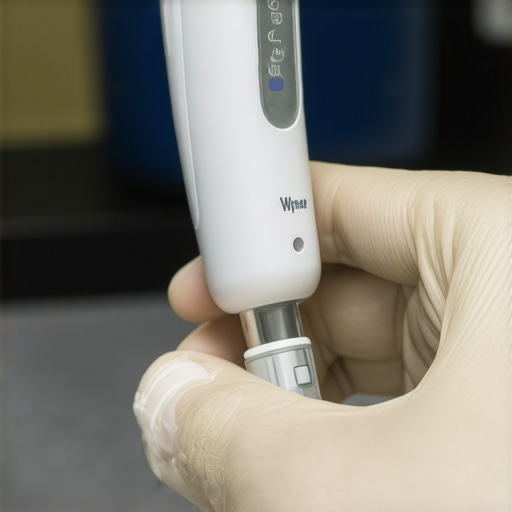
Image Prompt: Close-up of a hand holding a Waterpik water flosser demonstrating its use around dental restorations, with a focus on gentle water jet flow.
Alt Text: Person cleaning dental implants with a Waterpik water flosser, showcasing effective oral hygiene practices.
Title: Using a Waterpik for Optimal Dental Maintenance
,
The Hardest Lesson I Learned About Veneers and Implants
One of my most revealing experiences was realizing that even the most beautifully crafted veneers can fall short if patient maintenance isn’t prioritized. Initially, I believed that a perfect smile was solely about the art of placement, but I learned the importance of ongoing care—like avoiding stain-causing foods and maintaining diligent hygiene—to truly preserve that sparkle over time. That insight reshaped my approach and helped my patients enjoy their veneers longer.
Common Myths That Kept Patients from Smiling Bright
Many assume veneers are forever, but I’ve seen many cases where premature replacements were due to neglect or misdiagnosis. Dispelling this myth helps set realistic expectations and emphasizes the importance of regular checkups. Also, the misconception that dental implants are invincible can lead to neglect; in reality, they require consistent cleaning and monitoring, just like natural teeth.
What Patients Don’t Realize About Cosmetic Dentistry’s Hidden Details
One lightbulb moment came when I discovered that the success of veneers and implants often hinges on subtle details—correct shade matching, precise contouring, and proper occlusion. Overlooking these can compromise the appearance and health, which is why working with an experienced cosmetic dentist is so crucial for natural, lasting results. For more advanced insights, explore this comprehensive overview on veneer transformations.
How Proper Technique Can Save Your Investment
Many patients underestimate the importance of gentle, correct brushing and flossing around restorations. Applying excessive pressure or using abrasive toothpaste can erode bonding or damage veneers. I advise adopting a mindful, gentle cleaning routine—think of it as preserving a delicate piece of art. This proactive approach significantly extends the lifespan of cosmetic work and maintains overall oral health.
Embrace the Journey Toward Your Best Smile
Understanding these lesser-known lessons has empowered many of my clients to make informed choices, stay committed to their oral health, and enjoy their smile for years. Remember, the journey doesn’t end after your procedure; ongoing maintenance and awareness are your allies for long-term confidence. If you’re considering veneers or implants, invest in education—it’s a vital step for a radiant, healthy smile.
Resources That Made a Difference for Me
To deepen my knowledge, I rely on expert-curated guides and innovative tools. Comparing veneers and crowns helped me advise clients better, while the insights from latest implant tech breakthroughs keep me updated on emerging trends. For patient-specific strategies, the resource Cosmetic Dentistry Secrets has been invaluable in crafting personalized treatment plans that boost confidence and satisfaction.
Take Action: Your Smile Roadmap Begins Today
Veneers, dental implants, and cosmetic dentistry hold the power to transform your confidence, but they demand informed care. The key is understanding the nuances beyond the surface—what works, what doesn’t, and how to maintain those stunning results. Your bright future is just a decision away: research, consult, and commit to consistent care for a smile that truly reflects your inner confidence.
What’s held you back from exploring advanced dental options? Share your experiences below, and let’s keep the conversation going!
**