It was a sunny Tuesday afternoon when I finally sat down in the dental chair for my wisdom tooth extraction. I thought I was prepared—had my painkillers ready, food stocked up, and a mindset to endure. Little did I know, the real challenge would come afterward: a persistent, strange metallic taste in my mouth that wouldn’t go away. Frustrating, persistent, and downright distracting—this taste made me constantly aware that something wasn’t quite right.
Why the Metallic Taste Hijacks Your Day and How to Regain Control
If you’ve recently undergone wisdom tooth removal, you might have noticed a similar metallic or bitter flavor lingering long after the anesthesia has worn off. Believe me, I understand how unsettling this can be. It’s not just an annoyance; it can impact your appetite, taste buds, and overall mood. During my own recovery, I quickly realized that this metallic sensation isn’t just a coincidence—it’s often linked to the healing process, medication side effects, or even minor infections.
Is the Metallic Taste Actually a Sign of Complication?
Early on, I made the mistake of dismissing the taste as just a temporary inconvenience. It wasn’t until I ignored it that things got worse. That’s a mistake I don’t want you to make. Knowing whether this taste is a normal part of healing or a sign of something more serious can save you a lot of drama and discomfort. Research shows that alterations in taste after dental procedures are common but should typically resolve within a week or two. If not, it’s worth consulting your dentist or oral surgeon to rule out infections or other issues.
Curious if you’ve experienced this metallic taste after wisdom tooth extraction? You’re not alone, and there are practical, proven ways to banish that metallic flavor faster. Let’s dive into the causes and solutions that worked for me—and can work for you too.
Identify The Underlying Cause
Start by pinpointing what’s causing the metallic sensation. Common reasons include medication side effects, metal fillings, or healing processes. I noticed after my procedure that the taste was more intense when I took certain antibiotics. Recognizing these triggers helped me tailor my approach.
Maintain Rigorous Oral Hygiene
Brush Correctly and Regularly
Use a soft-bristled toothbrush and fluoride toothpaste to gently clean your teeth, especially around the healing site. I set reminders on my phone to brush after every meal, preventing plaque buildup that can contribute to taste disturbances.
Use Saltwater Rinses
Prepare a solution of warm water and salt (a teaspoon per cup). Swish it around your mouth for 30 seconds, then spit. This simple step reduces bacteria and promotes healing. I found that rinsing thrice daily significantly lessened the metallic flavor.
Adjust Your Diet Carefully
Avoid foods with strong flavors, metal content, or acidity, as they can exacerbate the metallic taste. Opt for bland, soft foods like yogurt or mashed bananas. I experimented by replacing spicy snacks with smoothies, which made a noticeable difference.
Stay Hydrated for Faster Recovery
Drink plenty of water to wash away residual taste and keep your mouth moist. Dry mouth often intensifies bad tastes, so I kept a water bottle nearby and sipped regularly, which eased the metallic sensation over time.
Consider Medications and Supplements
If medication is the culprit, consult your dentist or doctor for alternatives or solutions. Sometimes, activating zinc or vitamin B supplements can help neutralize metallic tastes. I consulted my healthcare provider, and after a short course, the taste diminished markedly.
Practice Patience and Seek Professional Help
Most metallic tastes resolve naturally within a couple of weeks. However, if it persists beyond that or worsens, schedule an appointment with your dentist. They can examine for infections or issues with dental restorations. I visited my dentist at the four-week mark, which helped identify minor infection needing antibiotics, expediting my recovery.
When it comes to transformative dental procedures like veneers and implants, there’s a lot of misconceptions floating around. Many believe that opting for veneers guarantees a perfect, durable smile, but the reality is more nuanced. Veneers require careful planning, especially regarding their thickness and material choice, to prevent unnatural translucency or staining over time. Some think dental implants are a quick fix for missing teeth, but advanced techniques reveal that their success depends heavily on bone quality, surgical precision, and patient health.
Can You Trust the Popular Myths About Dental Choices?
One widespread myth is believing that family dentistry isn’t specialized enough for complex cases; in fact, many family dentists have advanced training to handle a wide range of needs, making comprehensive care more accessible and seamless. However, a common trap to avoid is opting for the cheapest option without evaluating the dentist’s experience, technology, or success rates. For example, cutting-edge implant tech can significantly improve outcomes, but only if applied by knowledgeable professionals.
Let’s dig deeper into the nuanced understandings that can help you make informed choices. First, many patients underestimate the importance of matching veneer thickness and translucency to their natural teeth, which can result in an artificial look. Second, some assume implants are just about placing a screw; the process involves assessing bone density, nerve location, and even sinus proximity—factors that influence long-term success.
**Beware the Common Mistakes**
Many overlook the importance of ongoing maintenance and understanding the limitations of cosmetic procedures. For instance, veneers may chip or stain if improperly cared for, and implants can fail if peri-implantitis develops due to neglected hygiene. I’ve seen patients go into treatments with unrealistic expectations or without fully understanding the risks involved. To avoid these pitfalls, consult with specialists and review comprehensive guides like expert tips for veneers and implant care.
**Recognize the Advanced Factors**
True mastery in cosmetic dentistry involves understanding the long-term effects of material choices, the biomechanical implications of different procedures, and the latest innovations. For example, new ceramic options mimic natural enamel more closely, reducing wear on opposing teeth and resisting staining better. Staying updated with research, like implant innovations for 2025, can give you a strategic advantage in decision-making.
Have you ever fallen into this trap? Let me know in the comments. Making informed decisions requires critical evaluation of the nuances behind popular beliefs. Remember, the goal is to achieve a smile that isn’t just beautiful but sustainable and suited to your unique oral health profile.
Maintaining long-term success with veneers, dental implants, and cosmetic procedures requires more than just routine brushing. The right tools and strategies can make a significant difference in preserving your smile’s beauty and functionality. I personally rely on a combination of advanced cleaning devices and digital resources to ensure my dental work stays flawless over the years.
Invest in an Electric Toothbrush with Precision Settings
In my experience, a high-quality electric toothbrush with customizable modes helps thoroughly clean around veneers and implants without causing damage. I particularly recommend models like the Philips Sonicare DiamondClean, which offers gentle yet effective plaque removal and minimizes undue stress on restorations. The oscillating-rotating movement coupled with pressure sensors ensures that I don’t overbrush, a common mistake that can erode delicate bonding or irritate soft tissues.
Utilize Water Flossers for Gentle but Effective Cleansing
I’ve found water flossers, such as the Waterpik Sonic-Fusion, invaluable in maintaining interdental health without risking abrasion. Their pulsating streams clear away debris and plaque around sensitive areas, especially after complex procedures like veneers or implants. This approach helps prevent peri-implantitis and staining, extending the lifespan of your dental investments.
Leverage Digital App Tracking for Consistent Care
Staying disciplined with oral hygiene becomes easier with dedicated apps like theColgate Connect or Philips Sonicare app. These tools remind me to brush and floss on schedule, monitor my technique, and provide tailored tips based on my specific needs. Regularly reviewing my progress keeps me motivated and ensures no spot is neglected—crucial for long-term results.
Schedule Regular Digital Consultations and Professional Check-ins
Technology has transformed how I approach periodic evaluations. Many dental practices now offer virtual consultations where photos and scans can be reviewed remotely, helping identify potential issues early. These proactive measures catch problems like early decay or veneer lifting before they escalate, saving both time and costs. For comprehensive care plans, I visit my dentist every six months and follow personalized advice to address evolving needs.
Future Outlook: Smarter Tools for Smarter Smiles
Looking ahead, I predict that artificial intelligence and machine learning will soon personalize dental maintenance even further. Imagine a toothbrush that adapts in real-time to our unique oral microbiome or a smart floss that detects inflammation. Embracing these innovations will become standard, ensuring that everyone maintains their best smile for decades to come.
How do I maintain my dental restorations over time?
The key is combining advanced tools with consistent habits. For example, I make it a point to use my water flosser every night and review my app’s feedback. Additionally, I incorporate specific techniques, like avoiding abrasive toothpaste that can dull veneer surfaces, as highlighted in latest implant tech. Trying out professional-grade tools such as ultrasonic scalers at home, under guidance, can also help maintain healthy peri-implant tissues. The most effective approach involves combining technology, expert advice, and personal discipline to keep your smile pristine long-term.
If you haven’t already, I recommend trying a high-end water flosser with adjustable settings. It’s a game-changer in preventing plaque buildup and ensuring your restorations last. For more insight into advanced maintenance, explore our comprehensive guide to veneers and discover how careful upkeep complements the initial investment in your smile.
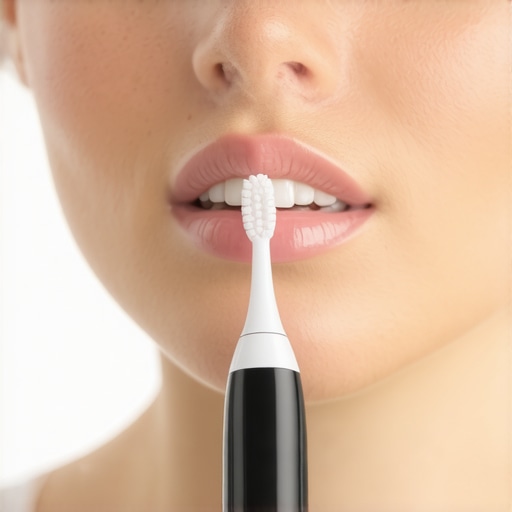
Unspoken truths that shaped my dental story
One of the most surprising lessons I discovered is how much patience plays a role in recovery. I initially thought that diligent care would speed things up, but I learned that giving my mouth time and space was more valuable than any quick fix. Additionally, I realized that not all advice from well-meaning friends suits my specific dental needs—personal research and professional guidance are irreplaceable. Lastly, I found out that embracing small victories, like the absence of metallic taste after a week, kept me motivated throughout the healing process.
Tools and wisdom that transformed my approach
My go-to resource has been the comprehensive guides on veneers and dental aesthetics, which provided me with clarity on material choices and longevity. The advice from expert tips for smile transformations taught me the importance of realistic expectations. I also trust the latest innovations in implant technology to ensure my long-term oral health. Real-world insights from online communities have shown me that shared experiences often reveal nuances medical staff might overlook.
Keep your heart in the journey of your smile
Every step I took toward improving my oral health reminded me that a confident smile isn’t just about appearance—it’s about self-care and resilience. I want you to remember that facing dental challenges with curiosity and patience will lead you to solutions that genuinely suit you. Your journey might be unique, but the key is persistence and heartfelt commitment. Don’t let fear or misinformation hold you back from achieving that radiant, healthy smile you deserve. The path is smoother when you view every obstacle as a lesson, and every victory as a milestone worth celebrating. Your best smile is within reach—start nurturing it today.