Ever had that sinking feeling when your dental implant feels a bit loose, even after years of what seemed like trouble-free wear? I remember the moment vividly—sipping my morning coffee, feeling a strange wobble in my implant, and realizing I’d overlooked a vital part of my dental journey. That lightbulb moment made me question, “How can I truly protect this investment in my smile for the long haul?”
Why Longevity Matters Beyond the First Ten Years
Dental implants are often celebrated for their durability, but they aren’t invincible. I’ve learned firsthand that neglecting routine care, even after a decade, can put your implant at risk. The truth is, a failing implant doesn’t just jeopardize your smile; it impacts your overall oral health and confidence. Many people assume implants are maintenance-free, but in reality, they demand consistent attention and proper practices to ensure they last a lifetime.
Is Your Dental Implant Actually Worth the Hype?
Early in my own experience, I made a common mistake—assuming brushing was enough. I didn’t realize that special attention to the surrounding tissues and regular check-ups could make all the difference. According to dental health experts, over time, factors like bone loss, gum disease, or improper cleaning can threaten the stability of implants—yet many don’t realize the importance of ongoing preventative measures. If you’ve ever wondered whether your care routine is enough, you’re not alone. The good news? Small, consistent actions can significantly extend your implant’s lifespan.
Mastering Daily Oral Hygiene to Preserve Your Implants
Start by brushing twice daily with a soft-bristled toothbrush, paying special attention to the gumline around the implant—this prevents plaque buildup, which is a leading cause of inflammation and implant failure. I learned this lesson after neglecting my gum cleaning routine for a week, resulting in swooping redness that prompted an urgent visit to my dentist. To make it easier, use interdental brushes or floss designed for implants—these are like the Swiss Army knives of dental cleaning. Consistency is key; skipping days doubles your risk of complications. For added protection, incorporate an antibacterial mouthwash, but avoid those with alcohol that can dry out your tissues. Regular cleaning ensures the bone and gum tissues stay healthy, supporting your implant’s stability.
Schedule Regular Check-ups to Catch Issues Early
Visiting your dentist every six months isn’t just a recommendation; it’s a safeguard. During these visits, your dentist will examine your implant site with specialized tools—like a mechanic inspecting a car’s engine—to detect early signs of bone loss or gum disease. I once delayed my check-up, assuming everything was fine, only to discover minor bone recession that could have been addressed if caught sooner. These routine visits typically include X-rays that reveal problems invisible to the naked eye, much like inspecting a house’s foundation for cracks. Don’t wait until you experience pain; early detection saves money and preserves your implant. Keep a log of your symptoms and any changes you notice—this helps your dentist tailor their care.
Adopt Lifestyle Habits That Support Long-Term Success
What you eat and drink has a profound impact. Limit sugary treats and acidic beverages, which erode enamel and promote bacteria. Think of your mouth as a garden—what you nourish it with determines how healthy your smile remains. I had a habit of drinking coffee and soda daily, which stained my veneers and increased plaque buildup. Swapping these for water and crunchy, fiber-rich foods like apples, carrots, and celery helps clean your teeth naturally, acting like toothbrushes on the go. Additionally, avoid smoking, which drastically accelerates gum recession and bone loss around implants. Exercise and a balanced diet boost your immune system, making it more resilient to infections that threaten your implant’s longevity. Remember, small lifestyle changes yield big results over time, similar to how consistent watering helps a plant flourish.
Use Specialized Products to Enhance Maintenance
Invest in dental tools designed specifically for implants—such as water flossers and electric toothbrushes with implant mode—these are like upgrading to premium gear for optimal performance. I found that my manual flossing wasn’t enough to remove debris from challenging areas, but a water flosser made a noticeable difference. Look for fluoride-based toothpaste, which strengthens enamel and shields against decay. Avoid abrasive whitening products that can damage the surface of veneers or the exposed implant components. Regularly replacing your toothbrush and brush heads prevents bacteria accumulation, akin to changing filters in a machine for peak efficiency. Incorporate products with antimicrobial agents, but consult your dentist to ensure compatibility. Well-chosen tools make daily routines more effective and help maintain a healthy environment around your implants.
Manage Risks Like Bone Loss and Gingival Recession
Bone loss is one of the sneakiest threats—imagine trying to build a house on a shaky foundation. To minimize it, ensure your calcium and vitamin D intake is adequate; consider supplements if your diet falls short. For gum recession, gentle brushing combined with anti-recession treatments or grafts might be necessary if caught early. I experienced slight gum recession near my implant site; after discussion with my dentist, we implemented targeted therapies that stabilized the area. Be vigilant for signs such as increased sensitivity or visible bone at the implant margin. If you notice any changes, schedule an appointment immediately—delayed response can lead to implant failure or the need for costly procedures. Combining proper oral habits with professional interventions safeguards your investment in your smile.Even the most informed patients often believe they understand the ins and outs of dental procedures like veneers and implants, but there’s a layer of nuance many overlook. One common myth is that veneers are one-size-fits-all solutions; in reality, choosing between porcelain and composite veneers requires an understanding of long-term durability and aesthetic outcomes, as detailed in expert comparisons like [Veneers vs. Crowns: Which is Right for Your Smile](https://straightsmileortho.com/veneers-vs-crowns-which-is-right-for-your-smile). Many assume that full-mouth reconstruction is simply about aesthetics, but skilled dentists consider functional harmony and bone health, making each case uniquely complex.
A critical mistake in family dentistry involves delaying early interventions, underestimating that childhood dental issues can snowball into more invasive adult treatments. The misconception that baby teeth are minor setbacks ignores studies linking childhood oral health to adult systemic conditions, emphasizing the importance of early care.
When it comes to dental implants, a widespread misunderstanding is that they immediately become permanent fixtures. While their success rate is high, they rely heavily on proper placement and maintenance; overlooking preoperative planning nuances—like precise bone density assessment—is a setup for future failures. Advanced implant procedures involve digital planning and 3D imaging, as explored in [2025 Innovations in Dental Implants](https://straightsmileortho.com/dental-implants-2025-innovations-that-redefine-comfort-and-durability), showcasing how technology significantly reduces risks.
So, what are some traps you might fall into? Often, patients underestimate the importance of detailed pre-treatment consultations, or they skip routine maintenance, believing procedures will ‘solve everything.’ These oversights can compromise long-term results. Always remember, a quick fix isn’t truly fixing—anticipate the hidden layers of your dental health.
Interested in maximizing your dental investments? Check out [Cosmetic Dentistry Secrets to Boost Your Confidence](https://straightsmileortho.com/cosmetic-dentistry-secrets-to-boost-your-confidence) for strategies that go beyond the surface. And if you’re contemplating veneers or implants, don’t forget to visit the contact page to consult with a specialist who can tailor treatments to your unique needs.
Have you ever fallen into this trap? Let me know in the comments!
Keeping your dental enhancements in top shape requires more than just routine brushing and flossing; it demands the right tools and meticulous methods to ensure long-term success. From high-tech cleaning devices to specialized care products, my personal experience has shown that investing in quality equipment pays off in durability and aesthetic appeal.
How do I maintain my dental work over time?
One game-changer in my routine has been the use of water flossers equipped with implant-specific settings. Unlike traditional floss, I find that water flossers effectively remove debris from hard-to-reach areas around veneers and implants, reducing plaque buildup and gingival inflammation. I personally use the Waterpik Ultra Water Flosser, which features adjustable pressure modes and a specialized plaque seeker tip that targets stubborn deposits. Regular use of this device helps prevent peri-implantitis and keeps my gums healthy, extending the lifespan of my restorations.
Another critical tool is the electric toothbrush with a mode designed for sensitive or implant areas. I prefer the Oral-B GeniusX, which has a dedicated orthodontic brush head and Bluetooth connectivity to monitor my brushing habits via smartphone app. This ensures I brush thoroughly while avoiding excessive force that can cause recession or damage to veneers. Incorporating these technologies has significantly improved my maintenance routine, demonstrating how smart tools can enhance oral health outcomes.
In terms of products, I rely on fluoride-rich toothpaste formulated for sensitive teeth, which strengthens enamel and offers added protection against decay. I avoid abrasive whitening pastes that can scratch porcelain veneers or wear down exposed implant surfaces. Additionally, antimicrobial mouth rinses like chlorhexidine, used occasionally under my dentist’s guidance, help control bacterial growth around my restorations.
What does the future hold for dental maintenance tools?
Emerging trends point toward AI-powered toothbrushes that analyze brushing patterns in real time and provide personalized feedback, much like a dental hygienist in your bathroom. Future innovations may include smart sensors embedded in restorations that alert you to early signs of complications, prompting timely professional intervention. Staying ahead involves adopting cutting-edge tools now—such as my recommended electric toothbrush and water flosser—while keeping an eye on technological advancements.
For instance, recent research highlights the benefits of ultrasonic debridement tools that employ high-frequency vibrations to safely remove plaque without damaging delicate tissues. These advancements promise to make maintenance simpler, more effective, and less prone to user error.
Don’t wait for problems to arise; try integrating a water flosser with implant-specific tips into your daily routine today. It’s a straightforward upgrade that can make a substantial difference in your long-term results. To learn more about innovations in dental technology, explore the upcoming advancements in dental implant maintenance. Your smile’s investment deserves nothing less.
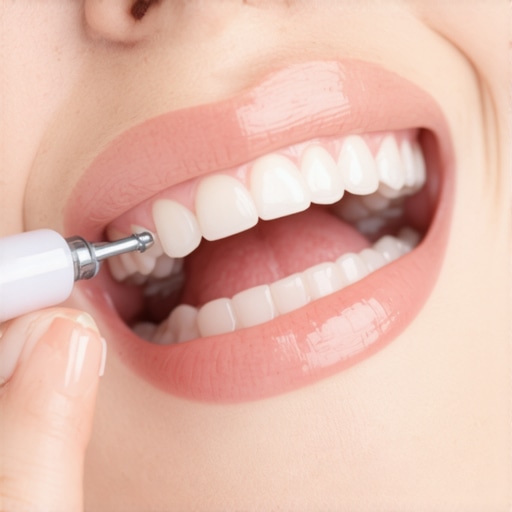
What I Wish I Knew Before Relying Solely on Routine Care
One of my biggest lightbulb moments was realizing that even the most durable dental implants require proactive, long-term attention beyond basic hygiene. I once believed that brushing and annual check-ups were enough to keep my implant healthy, but neglecting specialized tools and tailored routines led me to regret overlooked warning signs. The lesson? Maintenance is an ongoing journey that demands constant education and adaptation, not just a set-it-and-forget-it attitude.
Uncovering Hidden Risks During Routine Visits
Early detection is everything, yet I used to assume that if nothing hurt, all was well. It wasn’t until I learned about advanced diagnostic techniques that I understood how silent bone loss or early gum recession can threaten the stability of my implant. Regular visits with dentists who use digital imaging and precise probing are invaluable—they reveal issues before they escalate, saving time, money, and my smile’s integrity.
Lifestyle Choices That Make a Difference
Switching to water flossers and high-quality electric toothbrushes transformed my maintenance routine. I found that investing in tools tailored for implants helps me avoid complications like peri-implantitis. Complementing this with a diet rich in fiber and low in acids truly strengthens my oral health. Lessons from my experience reinforce that daily habits shape the fate of your dental investments—small, consistent actions yield enduring results.
Adopting Future-Proof Strategies
Staying ahead involves keeping an eye on emerging technology. From ultrasonic cleaning devices to smart sensors embedded in restorations, the future offers exciting ways to monitor and maintain dental health. I’m already exploring innovative solutions like AI-powered toothbrushes, which provide real-time feedback—empowering me to take control and protect my long-term smile.
Insider Wisdom for Lasting Implants
- Don’t overlook the importance of customized maintenance routines; what works for others may not suit your unique case.
- Never hesitate to seek a second opinion with specialists versed in the latest implant technology.
- Remember, investing in your oral health today saves you from costly procedures tomorrow—make routine check-ups, quality tools, and lifestyle choices a priority.
Tools That Changed My Approach
- Waterpik Ultra Water Flosser — Trusted for effective debris removal and preventing gum issues.
- Oral-B GeniusX Electric Toothbrush — Equipped with implant-specific modes for thorough cleaning.
- Fluoride toothpaste formulated for sensitivity — Strengthens enamel and guards against decay.
- Antimicrobial rinses recommended by my dentist — Assist in controlling plaque and bacterial growth.
Rise to the Challenge Today
Protecting your dental implant investments is an ongoing commitment—your future self will thank you for taking deliberate, informed actions today. Embrace the cutting-edge tools and proactive habits that keep your smile radiant and healthy for decades to come. Interested in learning more about how technology can revolutionize your dental care? Discover the latest innovations in dental implant maintenance and stay ahead of potential challenges. Your smile deserves nothing less.
What personal habits have you found most effective in maintaining your dental health after implant placement? Share your experiences below!