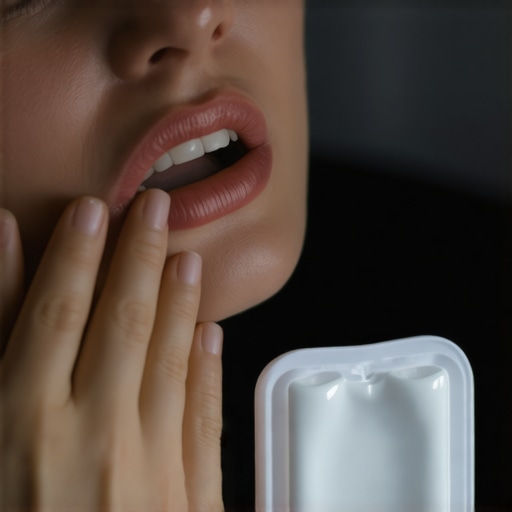
Ever found yourself mid-flight, clutching your jaw as a sharp, relentless toothache takes over? I remember a trip years ago when I assumed I could endure any discomfort until I reached my destination—only to realize I was unprepared for that sudden, stabbing pain that hit me out of nowhere. That lightbulb moment taught me a lot about the importance of being ready for dental emergencies while traveling, especially on lengthy flights.
When you’re hundreds of miles above the ground, painful dental issues can quickly turn a relaxing journey into an excruciating ordeal. Toothaches aren’t just uncomfortable—they can be downright debilitating when you have limited access to dental care. So, today, I want to share practical, tried-and-true tips to manage a toothache while flying, based on firsthand experience and expert advice.
Why Managing Dental Pain in the Air Matters More Than You Think
Long flights are often associated with discomfort—fatigue, swollen legs, dehydration. But an unexpected toothache can overshadow all that, making it nearly impossible to find relief. Over-the-counter medications are common go-to options, but they might not be enough if you don’t prepare beforehand. Moreover, dealing with persistent pain during a flight can increase stress levels, weaken your immune response, and even exacerbate the issue.
Research indicates that dental problems are among the top causes of medical emergencies on airplanes, underscoring the importance of being prepared. As someone who has been there, I can tell you that the right approach can make a world of difference. Additionally, early interventions—like rinsing with warm salt water or using specific analgesics—can buy you precious time until professional dental care is accessible.
Have you ever experienced unexpected dental pain while traveling? If so, you know how crucial it is to have a plan in place. Now, let’s explore some effective strategies to keep that pain in check during your next flight.
Prepare Your Emergency Kit Before Flying
Start by packing a small dental emergency kit containing pain relievers like ibuprofen or acetaminophen, sugarless gum, dental wax, and a small bottle of warm salt water. This preparation ensures immediate access to essential items when discomfort strikes, much like keeping a spare tire in your car for unexpected flats. I remember once slipping a tiny packet into my travel bag for a trip abroad, and it saved me when a sudden tooth sensitivity arose mid-flight, allowing me to endure until reaching a dentist.
Manage Pain Immediately with Home Remedies
Rinse with Warm Salt Water
Mix half a teaspoon of salt in eight ounces of warm water, then swish around your mouth gently for 30 seconds. This simple act reduces inflammation and bacteria, offering quick relief similar to how a soothing cup of tea calms a sore throat. During a flight, I once used this method after a minor cavity flare-up, and it effectively dulled the pain until I could access professional care.
Apply Cold Compress
If possible, place a cold pack or a bag of ice wrapped in a cloth on your cheek for 10-15 minutes. The cold constricts blood vessels, decreasing swelling and numbing nerve endings—a trick I used on a particularly painful episode during a long-haul flight, which significantly reduced my discomfort.
Use Medication Wisely and Safely
Over-the-counter painkillers are your allies. Take them as directed at the onset of pain. Avoid aspirin if you have bleeding issues, and never exceed recommended doses. I learned this lesson the hard way when I took extra pills, leading to stomach upset. Remember, medications are temporary; plan to seek actual dental treatment.
Stay Calm and Avoid Aggravation
Stress can worsen pain perception. Practice deep breathing or distraction techniques. Also, avoid chewing on the affected side or eating hard, sticky foods, which can exacerbate the issue. During one flight, I made a conscious effort to relax and chew on the unaffected side—this small change prevented the pain from intensifying.
Plan for Professional Care After Landing
Once you land, schedule an appointment with your dentist promptly. If you’re considering cosmetic or restorative treatments like veneers or dental implants, now is a good time to explore options that can improve your smile’s health and appearance. For example, veneers can hide imperfections, and dental implants can replace missing teeth, both enhancing functionality and confidence. Find more about these procedures and how they might benefit you at this link.
 Many people believe that choosing dental treatments like veneers or implants is straightforward, but the reality is far more nuanced. A prevalent misconception is that all veneers are purely cosmetic and don’t affect the health of your teeth. In truth, improperly applied veneers can lead to issues like gum recession or increased sensitivity if the dentist isn’t careful about preserving the natural enamel or matching the veneer shape accurately. This underscores the importance of consulting an experienced cosmetic dentist, as outlined in expert guides on cosmetic dentistry secrets.
Another common myth revolves around dental implants: many assume they are a permanent fix with no risk of complications. However, implants require precise placement and careful post-operative care. A frequently overlooked nuance is the importance of bone integration for implant longevity; failure to evaluate this thoroughly can lead to implant failure or discomfort, as discussed in recent studies. To explore the advancements in oral health, visit how dental implants reshape your oral health in 2025.
In family dentistry, a trap some fall into is believing that routine cleanings are all that’s needed for lifelong oral health. While essential, this overlooks the importance of early detection of issues like early cavities, gum disease, or misalignments that could worsen unnoticed. Regular comprehensive exams are vital, and tips for maintaining a healthy smile across generations can be found at family dentistry tips.
An advanced question many patients ask: How do I know if a veneer or implant is likely to last? The key lies in understanding the material’s quality, the precision of placement, and your oral hygiene habits. For example, choosing porcelain veneers over composite ones can significantly extend their lifespan when properly maintained. It’s worth noting that even with top-tier materials, neglecting oral hygiene can lead to secondary problems like decay or gum disease that threaten the longevity of these treatments. Learning the subtle factors can be crucial, so I recommend reading why your dental implant area feels itchy during healing or what your dentist checks during follow-ups.
To sum up, understanding the hidden nuances and avoiding common myths about family and cosmetic dentistry, veneers, and implants can save you money, time, and anxiety in the long run. Opt for a dentist who emphasizes comprehensive treatment planning and informed choices, ensuring your smile remains both beautiful and healthy. Have you ever fallen into this trap? Let me know in the comments.Achieving stunning, durable results with family dentistry, cosmetic procedures like veneers, or dental implants requires more than just the initial treatment—it demands consistent maintenance and the right tools to keep your smile in top shape. Personally, I swear by a combination of advanced digital cleaning devices and smart software that empower both patients and professionals to monitor and manage oral health effectively.
One tool I rely on heavily is the **Philips Sonicare DiamondClean Smart** toothbrush. Unlike ordinary brushes, it features multiple cleaning modes and Bluetooth connectivity, allowing me to track my brushing habits via the Philips app. Regularly reviewing this data helps me ensure I’m adhering to optimal techniques, especially crucial after getting veneers or implants, where careful cleaning is essential to prevent secondary issues.
From a professional standpoint, I recommend employing **CAD/CAM software** like CEREC for in-office restorations. These systems allow for precise, same-day adjustments and restorations, minimizing the risk of fit issues or residual complications that could compromise long-term success. For patients, understanding the importance of proper sealing and material selection—like porcelain veneers from trusted labs—can boost durability and aesthetic longevity.
Long-term success also hinges on routine monitoring. Investing in a high-resolution **digital intraoral scanner**, such as the iTero Element 5D, offers detailed visuals that help detect early signs of wear, micro-gaps, or other subtle problems. Regular scans facilitate proactive interventions, saving costs and preserving results.
Looking ahead, the trend is moving toward **AI-driven oral health platforms** that analyze imaging data to predict future risks and personalize maintenance schedules. These innovations will likely revolutionize how we sustain dental treatments, making upkeep more intuitive and less invasive.
**How do I maintain dental health over time?** First, I integrate smart tools like Bluetooth-enabled toothbrushes and in-office digital scanners into my routine. Second, I stay informed about emerging tech, such as AI diagnostics, to anticipate problems before they become costly repairs. Lastly, partnering with your dentist to develop a personalized, tech-supported maintenance plan ensures your investment in treatments like veneers or implants continues to yield beautiful, functional results.
If you’re ready to take your dental maintenance to the next level, I suggest trying out a smart cleaning device combined with scheduled digital scans. These tools can detect issues early, prolonging the life of your smile. Want help choosing the right equipment or scheduling a professional check-up? Reach out to us at Straight Smile Orthodontics and let’s keep your smile shining for years to come.
Lessons Hidden in My Dental Journey
One of the most profound lessons I learned about family dentistry and cosmetic procedures is the importance of informed choices. Rushing into veneers or implants without understanding their nuances can lead to unexpected issues down the line. A lightbulb moment for me was realizing that ongoing maintenance and personalized care are what truly sustain a beautiful, healthy smile over decades.
Another insight I gained is that myths about dental treatments often cause needless worry. For example, believing all veneers are risk-free or that implants last forever can be misleading. My experience taught me to seek advice from knowledgeable professionals and to question common misconceptions, especially when planning such significant investments in my oral health.
Finally, I discovered that comprehensive understanding of subtle treatment nuances—like material selection or proper oral hygiene habits—makes a real difference. Small details, such as choosing porcelain over composite veneers or ensuring a perfect fit for implants, have a lasting impact on durability and aesthetics. These revelations have transformed my approach from reactive to proactive in maintaining my smile’s longevity.
Curated Gems for Your Smile Arsenal
For anyone serious about optimizing their dental health and cosmetic results, I recommend exploring specific tools and resources that have personally empowered me. The latest insights on how dental implants are reshaping oral health in 2025 offer invaluable knowledge on innovative procedures that promise durability and natural appearance. Additionally, comparing veneers and crowns can help you determine the best cosmetic route, tailored to your unique needs.
When it comes to everyday maintenance, employing advanced digital tools like smart cleaning devices and apps has made a difference in my routine. They encourage consistent care and early detection of issues, preserving the investment in your smile. Furthermore, trusted information from cosmetic dentistry tips can provide ongoing guidance for keeping your treatments pristine.
Embrace the Power of Your Smile
Taking charge of your dental health isn’t just about fixing problems—it’s about celebrating your confidence and proactive care. Your journey with family dentistry, veneers, or implants can be empowering when approached with the right knowledge and tools. I encourage you to start small—maybe with a visit to your trusted dentist or trying out a new oral health gadget—and watch how each step builds toward a radiant, lasting smile.
What’s the one misconception about cosmetic dentistry you’ve believed in? Share your thoughts below—your story could inspire others to take their smile seriously!