I still remember the day I looked in the mirror and realized my clear aligners had started turning a dull, unattractive yellow. It was a lightbulb moment—those bright, invisible trays that promised a tidy, confident smile were slowly losing their charm. I couldn’t help but feel a mix of frustration and embarrassment. Like many, I assumed I was doing everything right, only to discover I was making simple mistakes that caused my aligners to discolor.
If you’re like me, you’ve probably wondered: “Is it normal for aligners to turn yellow?” or “How can I keep my trays crystal clear?” The truth is, those little yellows can sneak up quickly, and if left unchecked, they can stain permanently, making your smile look dull rather than dazzling. But here’s the good news: with a few straightforward tweaks to your cleaning routine, you can restore their translucency and keep your smile looking its best.
Why Cleaners and Techniques Matter for Bright Aligners
The first step in keeping your clear aligners pristine is understanding why their appearance can deteriorate. Food particles, plaque, and even your saliva contain substances that, over time, can cause staining or buildup on the surface of your trays. Regular cleaning isn’t just about hygiene; it’s about preserving the invisibility of your orthodontic investment.
An early mistake I made was thinking that rinsing my aligners with just water was enough. It’s a common misconception and can be damaging. Water alone doesn’t remove the film of bacteria, saliva residues, and discolorants that adhere to the plastic, leaving your aligners prone to yellowing. Professional dental advice on cleaning aligns with this revelation too; dentists often recommend specific cleaning solutions or methods for optimal results.
Have you noticed your aligners losing their clarity despite regular rinsing? You’re not alone, and there’s a simple solution. Let’s explore what really works to keep your aligners looking fresh and invisible—so you can confidently flash that smile.
Establish a Daily Cleaning Routine
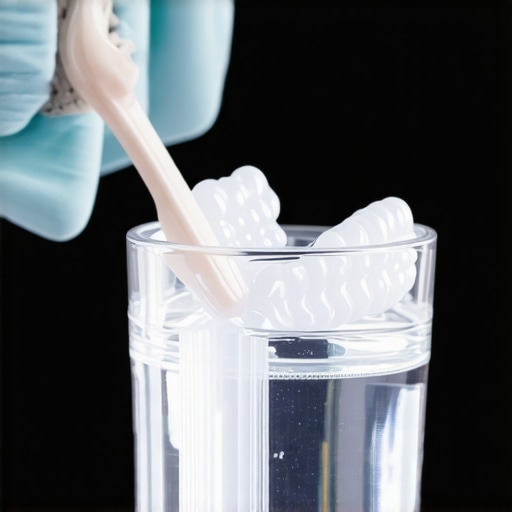
Start by dedicating time each morning and evening specifically for cleaning your aligners. Use a soft-bristled toothbrush and a non-abrasive toothpaste to gently scrub every surface of the trays. I once struggled with stubborn stains until I incorporated this step into my nightly routine, which noticeably improved their clarity over just a few days.
Choose the Right Cleaning Solutions
Avoid regular dish soap or whitening pastes, which can be too harsh. Instead, opt for specialized aligner cleaners or a mixture of half water and hydrogen peroxide for an occasional soak. I recall trying a DIY vinegar rinse, but it left a strong smell and didn’t do much for discoloration. Professional recommend using specific aligner cleaning products for optimal results.
Understand Why Your Aligners Discolor
Similar to veneers or dental implants, aligners are made from plastic that absorbs pigments from coffee, tea, or tobacco. Over time, these substances can lead to a yellowish tint. Imagine trying to keep a clear glass spotless; it requires regular, effective cleaning. Stains can set in if neglected, so address discoloration promptly.
Use Compatible Protective Measures
Avoid eating or drinking with your trays in, especially pigmented beverages. When you remove your aligners, rinse them thoroughly to prevent residual food particles from settling. If I skipped this step, I noticed my trays quickly lost their transparency. Always clean and dry your aligners before reinserting them to prevent bacterial buildup and staining.
Learn the Impact of Poor Maintenance
Neglecting proper cleaning can cause your aligners to turn yellow, which defeats their purpose of being discreet. Staining can be so deep that whitening options become limited, much like stubborn stains on veneers. Regular upkeep ensures trays remain invisible and pleasant to wear. For comprehensive tips on maintaining your smile, check out this guide on veneers.
Incorporate Professional Advice
Regular check-ins with your orthodontist can help identify any issues early. They might recommend specialized cleaning or replacement if stains become permanent. I learned that professional-grade cleaning tablets significantly outperformed store-bought options. Don’t hesitate to ask your dentist about the best products—it’s a small investment for a confident, clear smile.
 Many patients believe they understand the basics of family and cosmetic dentistry, but beneath the surface lie misconceptions that can impact long-term oral health. For instance, a widespread myth is that you need to visit the dentist only when you have pain or visible issues. In reality, regular check-ups are crucial for catching subtle problems like early bone loss or microcracks that aren’t yet symptomatic. Skipping preventive visits can lead to more invasive treatments later, such as implants or veneers, which could have been avoided with timely intervention. Furthermore, some assume that all dental procedures are equally durable; however, the choice between veneers and crowns depends heavily on the specific condition of your teeth, and misapplication can lead to unnecessary replacements.
Why do some patients experience faster veneer discoloration despite good oral hygiene?
This often relates to the veneer material and bonding technique used. Advances in veneer chemistry suggest that porcelain options with ultra-thin, layered construction resist staining better, especially when combined with proper sealing. Experts highlight that inferior bonding or improper polishing can create areas prone to plaque buildup and stain absorption, undermining longevity. According to a study published in the *Journal of Esthetic and Restorative Dentistry*, meticulous surface treatment and sealing of veneer margins significantly enhance their resistance to discoloration. So, it’s not just about brushing; material science and application technique play a vital role.
Another common mistake involves underestimating the importance of bone health in implant success. Many think that placing an implant is purely a matter of surgical skill, but failing to assess and enhance bone density beforehand can result in implant rejection or instability. In fact, detailed bone density testing can reveal hidden deficiencies, influencing whether bone grafting or other preparatory procedures are needed. Comfortingly, emerging technologies now make it easier to evaluate bone quality pre-surgery, reducing surprises.
Family dentistry isn’t just about routine cleanings; it’s about a proactive approach. Regularly updating your knowledge on these nuances ensures you avoid costly mistakes. For example, neglecting the impact of diet on porcelain longevity or ignoring early signs of implant rejection can cause setbacks. Engaging with your dentist about these details promotes treatment plans tailored to your unique needs, ultimately saving you time, money, and discomfort. Remember, every detail matters for maintaining that confident smile. Want to learn more about how advanced techniques can help you? Check out this guide on veneers or visit family dentistry tips for a comprehensive approach. Have you ever fallen into this trap? Let me know in the comments.Maintaining the longevity of family dentistry, cosmetic veneers, dental implants, and other restorations requires more than just routine brushing and flossing. Having the right tools and applying proven methods can make a significant difference in how long your smile stays healthy and aesthetic. I personally rely on a combination of advanced equipment and consistent routines to ensure my dental investments continue to serve me well. For instance, investing in a high-quality ultrasonic scaler, such as the *Satelec Vibrant ultrasonic cleaning device*, allows for more effective plaque removal around implants and veneers without damaging their surfaces. This device emits gentle sonic vibrations that loosen stubborn plaque and tartar, especially in hard-to-reach areas—something manual tools often lack.
Additionally, I swear by **peroxide-based cleaning solutions** like the *Opalescence Go* whitening trays used with their recommended gel. These help maintain the brightness of veneers while also keeping bacteria at bay. Unlike generic whiteners, products formulated specifically for dental restorations prevent surface damage or staining.
When it comes to daily habits, I’ve adopted the use of a **water flosser**—the *Waterpik Water Flosser Ultra*—which effectively removes debris around crowns, bridges, and implants, reducing the risk of peri-implantitis and staining. Plus, its gentle pulsations clean thoroughly without damaging delicate restorations. Professional literature, such as a 2022 study published in the *Journal of Clinical Periodontology*, confirms that water flossers dramatically reduce plaque and bleeding around implants when used correctly.
Thinking long-term, I schedule regular dental check-ups that include use of **digital occlusion analysis tools** like the *T-Scan* system. This technology helps identify uneven bite forces that can prematurely wear down veneers or fracture implant crowns. Implementing such advanced diagnostics helps catch potential issues early, saving time and money.
As technological trends evolve, I anticipate that AI-driven monitoring apps—like *DentalMonitoring*—will become standard. These can analyze your home photos and alert your dentist to early signs of wear or decay, extending the lifespan of your restorations even further.
**How do I maintain my dental implants and veneers over time?** The key lies in combining these advanced tools with consistent, mindful habits—like avoiding pigmented drinks, not eating hard foods, and maintaining excellent oral hygiene routines. Don’t forget, professional advice tailored to your specific restorations is indispensable. For in-depth insights, I recommend exploring *cosmetic dentistry secrets* that can empower you with knowledge to safeguard your smile’s beauty and function. Why not start today by trying a water flosser regularly? Small daily efforts can yield long-term benefits, keeping your dental work working effectively for decades.During my journey with family dentistry, cosmetic dentistry, dental implants, and veneers, I learned that the real magic happens long after the procedures. The quality of your smile depends not just on the work done but on how diligently you maintain it. My biggest lesson has been the importance of consistent, personalized care tailored to my unique dental landscape—something only a trusted professional can guide you through. Regularly educating myself through expert resources and staying proactive has transformed my approach from reactive to preventive, saving me countless discomforts and costs. Remember, your smile is a lifelong investment; nurture it with care, and it will reward you in confidence and health for years to come.
Comments are closed.