Certain moments in life stick with us. Like the time I cracked a tooth smoking a late-night snack abroad and felt that icy wave of panic. My mind raced—what now? No familiar dentist nearby, and the travel insurance info was buried in my luggage. That instant of helplessness woke me up to a simple truth: dental emergencies can happen anytime, anywhere. And trust me, I learned the hard way—not all dental issues are created equal in severity or solutions.
The Unexpected Dental Crisis During Travel—And Why You Should Care
Traveling broadens our horizons, but it also exposes us to unfamiliar environments—and potential dental disasters. A sudden toothache, a knocked-out tooth, or a broken veneer can turn an enjoyable trip into a nightmare. The key is to be prepared, to know what to do when disaster strikes, especially when access to your regular dentist isn’t an option. Today, I’ll share the vital steps I wish I knew back then—so you can act swiftly and confidently, turning a crisis into a manageable situation, no matter where you are.
The Real Risk of Ignoring Dental Emergencies Abroad
It’s tempting to hope the pain will go away or to wait until returning home. But delaying treatment can exacerbate the problem, leading to infections, long-term damage, or increased costs. Did you know that untreated dental infections can spread beyond the mouth, affecting your overall health? According to the Academy of General Dentistry, prompt action can prevent costly procedures and discomfort down the line (source). My own mistake? I once underestimated a small crack in my veneer—it worsened, requiring extensive repair. So, trust me—what you do in the first few hours can make all the difference.
Have you ever faced a sudden dental mishap during travel? If so, keep reading—I’ll guide you through practical, proven steps to handle it with confidence and calmness, ensuring your trip remains as enjoyable as planned.
Stabilize and Assess the Damage Quickly
The first action is to stop the bleeding if present by applying gentle pressure with a clean cloth or gauze. For fractured or knocked-out teeth, find and handle the tooth by the crown (the chewing surface), avoiding touching the root to prevent damage. I remember once rushing to a pharmacy in Italy to get a temporary dental cement after my veneer cracked, which temporarily held me until I could see a professional. Keeping the area clean and calm will help you think clearly. If there’s severe pain, take over-the-counter pain relievers like ibuprofen, but avoid placing aspirin directly on the gums—it’s an irritant.
Control Pain and Prevent Infection
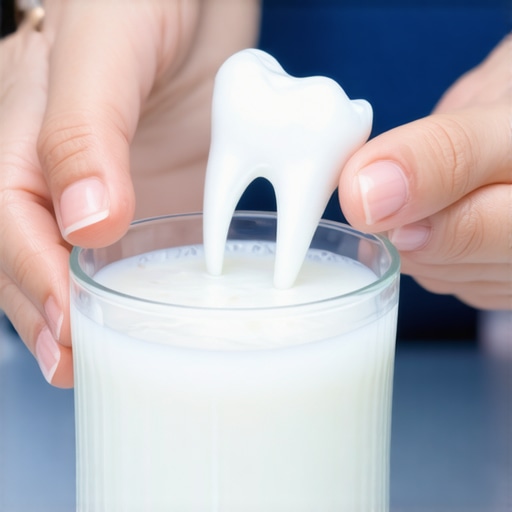
Use cold compresses outside your mouth to reduce swelling and numb pain. For infections or abscesses, rinsing with warm salt water (one teaspoon salt in a cup of warm water) can reduce bacteria and soothe discomfort. If a tooth is completely knocked out, try to gently reinsert it into the socket and hold it in place with clean gauze; if impossible, store it in a container of milk or saliva. I once kept a knocked-out tooth in my pocket during a trip, which kept it viable for reattachment. Remember, acting swiftly preserves the option of re-implantation and limits complications.
Identify and Manage Specific Emergencies
Broken Veneers or Crowns
If you crack or chip a veneer or crown, clean the area, and save the broken piece if possible. Protect the exposed dentin or nerve with over-the-counter dental cement (available at many pharmacies) until you reach a dentist. My experience involved a chipped veneer that started causing sensitivity; using temporary cement until I returned home prevented further damage. Don’t try to glue it permanently yourself—this can do more harm than good.
Lost Dental Restorations
If a veneer, crown, or filling falls out, find and clean the restoration. Keep it moist in a clean container. Refrain from using superglue or other adhesives—these can damage the tooth or restoration. Instead, make an appointment with a dentist as soon as possible for proper reattachment or replacement. During a trip to Mexico, I lost a filling but preserved it in saliva and made an emergency appointment to replace it, avoiding further decay or sensitivity.
Arrive Prepared with Essential Supplies
Carry a dental emergency kit containing sterile gauze, dental floss, over-the-counter pain medication, temporary filling material, and a small mirror. Having these tools ready can significantly ease discomfort and facilitate initial fixes. When I was caught abroad, a basic kit allowed me to temporarily stabilize issues and buy crucial time until professional care was available. Knowing how to use these tools—like placing temporary filling material—can be the difference between a manageable emergency and a costly visit.
Seek Professional Help Practically and Quickly
Even if your situation seems minor, visiting a dentist is essential for definitive treatment—especially for cosmetic issues like veneers or crowns. Use local directories, hotel concierge, or travel insurance assistance to find nearby qualified dental clinics. I remember calling my insurance provider from abroad to confirm coverage before scheduling updates or procedures. Quick professional intervention can prevent complications like infections, nerve damage, or long-term tooth loss. Remember, your local dentist can then provide proper care, including options like veneers, implants, or cosmetic dentistry enhancements, tailored to your needs.
 While many patients assume they understand the fundamentals of dental care, there’s a wealth of nuanced truths that often go unnoticed. For instance, the common belief that veneers are purely cosmetic is misleading; in reality, they can also provide functional benefits such as bond strength and smile alignment, but only when appropriately selected. Overlooking this can lead to premature failure or dissatisfaction. Furthermore, a prevalent myth is that dental implants are universally suitable for everyone, whereas factors like bone density and gum health critically influence success rates. Advanced mistakes, like neglecting the importance of occlusion—how your teeth come together—can cause long-term issues, including jaw pain and implant failure. Researchers emphasize that improper bite alignment can drastically reduce the longevity of dental restorations (source). Understanding these intricate details empowers you to make informed decisions, ensuring your treatments are both effective and durable. Many underestimate the significance of comprehensive treatment planning, which involves evaluating how restorations will interact with your existing bite and overall oral health. Skipping this step may lead to recurrent problems and additional costs down the line. Additionally, some assume that cosmetic dentistry requires no maintenance, but treatments like veneers and whitening require ongoing care to sustain results. Proper maintenance, including avoiding stain-causing foods and regular professional check-ups, is essential. Do you know the critical factors influencing the longevity of your dental work? Dive deeper into our content, and you’ll discover that personalized care plans and understanding advanced nuances are what truly distinguish average from exceptional dental health. Want to learn more about selecting the right cosmetic procedure? Check out our comprehensive guide on veneers versus crowns to make an educated choice! Remember, being aware of these subtle yet vital considerations can save you from unnecessary expenses and disappointment. So, the next time you’re choosing a cosmetic or restorative solution, ask your dentist about these nuanced factors—they might just be the difference-maker for your smile’s future.
Achieving a beautiful smile with veneers, crowns, or implants is just the beginning. Long-term success depends heavily on proper maintenance, which requires the right tools and techniques. In my practice, I rely on specialized equipment and software that help patients preserve their investments and avoid costly repairs. For example, I recommend a high-quality electric toothbrush with adjustable speed settings, like the Oral-B Genius series, because it provides superior plaque removal without damaging delicate restorations. The oscillating motion and pressure sensors help prevent overstressing restorations, a common cause of early failure. Additionally, using interdental brushes tailored to fit around crowns or implants ensures thorough plaque removal in hard-to-reach areas, reducing the risk of peri-implantitis or decay beneath restorations.
When it comes to software, I encourage patients to utilize digital app-based reminders for routine check-ups and oral hygiene practices. Apps like Dental Monitoring allow for remote assessments, enabling early detection of potential issues such asgum recession or buildup around implants. These tools satisfy the modern demand for convenience and real-time feedback, facilitating proactive dental care. Looking ahead, the integration of AI-driven diagnostics promises even more personalized maintenance plans, optimizing the longevity of your restorations and implants.
How do I maintain my dental work over time?
Consistency is key. Regularly scheduled professional cleanings paired with at-home routines using these advanced tools extend the life of your cosmetic and restorative treatments. Remember, neglecting maintenance can lead to complications like staining, gum disease, or even failure of implants. For comprehensive guidance, consult your dentist about tailored maintenance plans incorporating the latest technologies. If you’re curious about the future of implant longevity and how cutting-edge techniques are reshaping patient outcomes, check out our detailed insights on dental implant innovations for 2025.
Don’t wait for problems to escalate—try adopting a personalized routine with these tools today, and safeguard your smile’s future.
What I Wish I Knew Before Taking the Plunge Into Cosmetic Dentistry
One of the most eye-opening lessons I learned was how crucial personalized treatment plans are. It’s tempting to assume that what works for one person will work seamlessly for another, but the intricate nuances of bite alignment, gum health, and even facial aesthetics can make or break your results. I once rushed into a veneers procedure without fully understanding how my unique jaw dynamics would affect longevity, leading to costly adjustments later. The insight? Always demand a comprehensive assessment tailored specifically to you—it’s the best investment in preventing future regrets.
Perils and Pearls: Navigating Resources for Your Smile
My trusted toolkit includes not only top-quality tools but also reputable resources that deepened my understanding. For instance, the detailed guides on veneers versus crowns have been instrumental in helping me choose the right cosmetic option. Additionally, articles on dental implant advancements in 2025 keep me ahead of the curve with cutting-edge info. Proper sources empower you to advocate effectively for your dental health.
Embracing Change: Your Smile’s Bright Future Awaits
Taking charge of your dental journey isn’t just about fixing issues; it’s about investing in lifelong confidence. Remember, the future of cosmetic dentistry and dental implants is evolving rapidly, with innovations that promise durability, comfort, and aesthetic perfection. If you’re considering an upgrade, start today—consult with experts, gather knowledge, and embrace the transformation. Your radiant smile is within reach, and every step forward is a step toward the best version of yourself.
What’s one thing about cosmetic dentistry or dental implants you wish you knew earlier? Share your thoughts below and let’s keep the conversation going!
,