It happened during one of those ordinary mornings—biting into my breakfast, I suddenly felt a weird wobble where my dental implant used to feel solid as a rock. My heart sank. Five years ago, I had invested in what I thought was a permanent solution for my missing tooth. Now, that feeling of security was unraveling, and I was left wondering: did I do something wrong? Or worse, was my implant failing? If you’ve experienced something similar, you’re not alone. Many people find themselves asking, “Why does my dental implant feel loose after several years?” and more importantly, what can be done about it?
Understanding the Reason Behind a Loosened Dental Implant
First, let me tell you—this is more common than you might think. Dental implants are designed to last for decades, but they aren’t immune to issues. The main culprits behind a loose implant typically boil down to bone loss, infection, or mechanical failure. Early on, I made the mistake of dismissing minor discomforts, thinking, “It’s just a part of aging or wear and tear.” That was a mistake. Recognizing the signs early can make a big difference, and I wish I had paid closer attention to my body’s signals. For a comprehensive look at how dental implants are reshaping oral health, check out this article on how implants are transforming dental care.
So, what exactly causes a dental implant to become loose after years of seemingly perfect function? The most typical reasons include continued bone resorption around the implant, which can happen if the bone density decreases over time. This isn’t necessarily a sign of negligence but part of the natural aging process or poor oral health in some cases. Infection can also compromise the stability, especially if gum disease was not adequately managed. Mechanical issues, such as a fractured implant or screw loosening, can happen due to biting forces or accidents.
Now, I want to be realistic. Fixing a loose dental implant isn’t always straightforward, but it’s often manageable with the right approach. To understand what’s possible and the innovations shaping these procedures today, I’m excited to share some insights in the upcoming sections.
Before we dive into the solutions, I have a question for you: Have you ever noticed a change in the stability of your dental implant? If so, you’re in the right place to learn how to address this issue effectively and restore your confident smile.
Assess the Situation Accurately
Begin by examining your implant for signs of mobility, swelling, or discomfort. Use your tongue to gently test if it feels loosened. Remember, not every wobble indicates a failure; sometimes, it’s minor and fixable.
Check for Visible Issues
Look for redness, swelling, or pus around the implant site. Take note if eating or biting causes pain or if the implant moves when you touch it with your finger. Documenting these signs helps your dentist develop a precise treatment plan.
Schedule an Immediate Dental Evaluation
Do not delay seeking professional advice. An experienced dentist will perform a thorough assessment, including X-rays, to identify bone loss, infection, or hardware failure. Timely diagnosis prevents further deterioration and complex procedures later.
Prepare for Your Appointment
List all symptoms, recent habits (such as grinding or trauma), and any oral hygiene issues. Providing comprehensive information streamlines your appointment and helps pinpoint the cause of looseness.
Get Targeted Treatment Based on Diagnosis
The core of fixing a loose implant involves tailored procedures. Your dentist might recommend cleaning around the implant to manage infection, bone grafts to rebuild lost support, or even replacing the implant if it’s fractured or severely loose.
Bone Grafting for Structural Support
If bone resorption is the culprit, a bone graft can qualify as the foundation for a new, stable implant. Think of it as rebuilding a shaky foundation before re-installing a sturdy post; without it, the structure remains compromised.
Addressing Infections Quickly
In cases of peri-implantitis, your dentist may prescribe antibiotics or perform deep cleaning. Early intervention prevents progression and preserves your existing implant.
Consider Modern Technology for Longevity
Technologies like dental implant innovations in 2025 offer enhanced durability. Some clinics utilize digital planning, 3D imaging, and guided surgery to ensure perfect placement and reduce failure risk.
Upgrade with Cutting-Edge Procedures
For recurring issues or failed implants, exploring options like advanced cosmetic solutions or new implant designs can provide long-lasting results and restore confidence.
Maintain Your Implant’s Health Long-Term
Implement daily oral hygiene practices: meticulous brushing, flossing, and avoiding hard foods prolong stability. Regular dental checkups catch potential problems early, preventing the cycle of loosening and repair.
Optimize Lifestyle Habits
Stop smoking, manage underlying health conditions, and consider nightguards if you grind. These steps reinforce the stability of your implant, strengthening your investment in a confident smile.
When it comes to cosmetic dentistry, many assume that procedures like veneers or dental implants are simple fixes that deliver instant perfection. In reality, there’s a hidden nuance that often gets overlooked: understanding the long-term implications and the complexity behind these transformations. For example, many believe that veneers are a quick cosmetic fix, but they can actually impact your tooth enamel over time if not carefully planned, as discussed in this detailed guide on veneers. Similarly, some think that dental implants are just about placing a tooth replacement, but the success heavily depends on factors like bone health, surgical precision, and ongoing maintenance.
Are Dental Implants Just Easy Fixes for Missing Teeth? Think Again
Many presume implants are foolproof, yet ignoring issues like bone resorption or peri-implantitis can lead to failure. These complications resemble advanced mistakes that only become apparent after years, sometimes requiring complex revisions. Recognizing these nuances is crucial for a durable, successful outcome and is backed by experts from latest research in implant technology. Moreover, myths about family dentistry often paint it as just routine cleaning, but comprehensive family care involves understanding developmental stages, preventive strategies, and managing dental anxieties across generations. Overlooking these details can lead to missed early signs of gum disease or decay, resulting in costly, invasive treatments later on. Keep in mind, the devil is in the details, especially when dealing with advanced restorative procedures or ongoing preventive care. Have you ever fallen into this trap? Let me know in the comments.
Invest in Quality Maintenance Tools for Lasting Results
Proper maintenance of dental restorations like veneers, implants, and crowns is crucial for their longevity. I personally recommend using a powered Water Flosser, such as the Waterpik WP-900, because its pressurized water stream effectively cleans around braces, implants, and veneers without damaging delicate surfaces. Additionally, investing in an ultrasonic toothbrush like the Philips Sonicare DiamondClean not only removes plaque more efficiently but also reaches areas manual brushes might miss, which is essential for long-term success.
Beyond tools, integrating routine check-in with your dentist is vital. Scheduling professional cleanings every six months ensures that early signs of issues like tartar build-up or gum recession are caught promptly, preserving your investment in your smile.
Leverage Advanced Software for Consistent Results
Digital dental records and 3D imaging software, such as DEXIS and Carestream, help monitor your oral health over time. These technologies enable your dentist to track subtle changes, plan repairs, or adjustments with precision, reducing the risk of failure. I find that maintaining digital records also helps me understand the lifespan of my restorations, so I can anticipate replacements before problems escalate.
Moreover, some clinics utilize AI-driven diagnostic tools that predict potential failures based on your oral habits and history. This proactive approach can save you from costly repairs and ensure your restorations perform as intended well into the future.
Embrace Preventive Care and Optimal Habits
Consistent oral hygiene can’t be overstated. Incorporate flossing with specialty floss like Super Floss or floss threaders to clean under bridges or around implants effectively. Using a fluoride-rich mouthwash such as ACT Restoring Mouthwash adds an extra layer of protection against decay, especially around veneers where brushing might be less effective.
Additionally, avoid hard foods and excessive grinding, which can jeopardize restorations. If you grind at night, consider wearing a custom nightguard, which significantly reduces the stress on your restorations and helps prevent cracks or loosening.
Where do you start to ensure your restorations stand the test of time?
Begin by incorporating tools like a Water Flosser and an ultrasonic toothbrush into your daily routine. These, combined with regular professional evaluations, form a strong foundation for maintaining your smile’s integrity. For a deeper dive into innovative techniques that could extend the lifespan of your dental work, check out the latest on dental implant innovations in 2025.
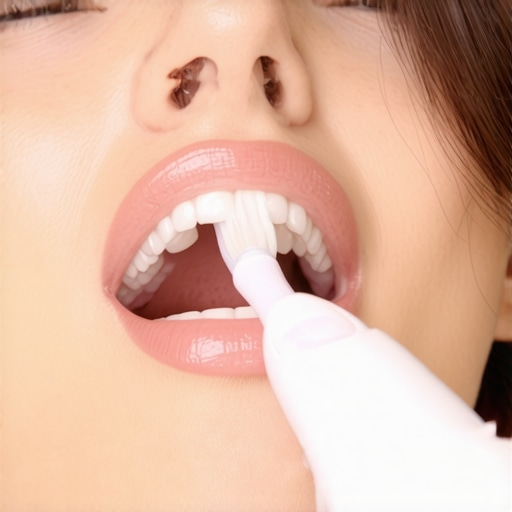
Looking for a way to stay ahead in your dental health game? Try adopting an ultrasonic toothbrush today and experience the difference firsthand. Consistent, proactive care can make all the difference in keeping your smile flawless.
The Hardest Lesson I Learned About Dental Restorations
One of the most profound lessons I discovered is that even the most advanced cosmetic dentistry procedures require diligent aftercare and continuous maintenance. I once believed that getting a veneer or implant was a one-and-done deal, but neglecting ongoing care led to unexpected complications. This taught me that patience, education, and proactive habits are essential for truly lasting results.
Tools That Transformed My Approach to Family and Cosmetic Dentistry
Investing in quality tools like an ultrasonic toothbrush and a Water Flosser significantly improved my dental health routine. These tools help prevent issues like plaque buildup and bone loss around implants. I trust brands like Philips Sonicare and Waterpik because they combine innovation with reliability, making daily maintenance more effective and less time-consuming.
Embracing Future Technologies for Confidence
Living in an era of rapid technological advancements, I realize that digital imaging and AI-based diagnostics are game-changers. They enable precise planning and early detection of problems, which can save your smile from deterioration. Staying informed with the latest in implant tech and cosmetic procedures ensures you’re not left behind and can make empowered decisions about your oral health.
Your Turn to Take Action and Shine
Remember, your smile is an investment that pays dividends in confidence and quality of life. Incorporate advanced tools, seek regular professional evaluations, and stay curious about new innovations in cosmetic and family dentistry. Your journey toward a brighter, healthier smile starts today. What small change will you make to protect your dental investments this week? Share below—I’d love to hear your plans.