
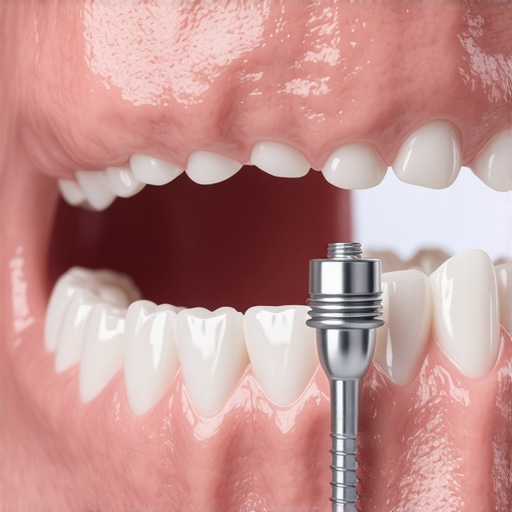
It was a morning just like any other when I bit into my breakfast and felt a strange, uncomfortable sensation that I hadn’t noticed before—like a vague looseness in my smile. At first, I dismissed it as a minor irritation, but as days went on, that nagging feeling grew into concern. Suddenly, my once-perfect implant felt less secure, and I started wondering: am I experiencing early signs of implant failure?
Why Recognizing the Signs Matters More Than Ever in 2026
In today’s fast-evolving dental landscape, titanium implants have been hailed as durable, long-lasting solutions for tooth replacement. But even the best materials aren’t immune to problems. The truth is, many people overlook subtle warning signs, unknowingly risking more extensive, costly repairs down the line. I learned this the hard way early in my journey, thinking a little discomfort was just normal wear and tear, only to discover it was something more serious. According to recent studies, up to 10% of dental implants can fail within the first five years if not properly monitored, underscoring how crucial early detection is.
Early detection can save you a significant amount of pain, time, and money—and it certainly changed my perspective on dental health. Today, I want to share with you the key warning signs that indicate your implant might be failing, so you can take action before it’s too late. If you’re like me, you’ve probably faced moments of uncertainty about your oral health—perhaps you’ve noticed some changes yet aren’t sure if they deserve concern. This post will help you distinguish between normal aging and genuine issues needing professional attention.
Are you feeling noticing persistent discomfort or looseness in your implant? Do you see unusual swelling or gum recession around the site? If so, you’re not alone. These are common early flags that should never be ignored. Remember, ignoring these signs can lead to bone loss or even the need for implant removal. Keep reading as we explore the specific warning signs and practical steps to safeguard your smile.
Before diving into these signs, I want to be upfront—I was once guilty of dismissing symptoms, thinking they would resolve on their own. My mistake taught me that proactive care is essential. If you want to avoid similar pitfalls, staying informed is your best weapon. Want to learn more about how to protect your dental investments? Check out [how dental implants reshape your oral health in 2025](https://straightsmileortho.com/how-dental-implants-reshape-your-oral-health-in-2025) for comprehensive insights.
Let’s now look at the warning signs that could be signaling trouble ahead—so you can catch problems early and preserve that beautiful, confident smile.
Perform Regular Self-Checks
Start by examining your mouth daily for any unusual sensations or visible changes. Use a mirror to look for swelling, gum recession, or looseness in your implant area. When I first noticed slight movement in my implant, I carefully inspected the site and compared it to previous photos. This simple step helped me catch the issue early and seek professional advice promptly.
Recognize the Key Warning Signs
Persistent discomfort, pain, swelling, or gum recession are clear indicators that something might be wrong. Feel for any looseness or unusual texture around the implant site. In my case, feeling that my implant was less stable than before prompted an immediate appointment with my dentist. Remember, these signs are often subtle but critical for early detection.
Schedule Professional Evaluations
Attend routine dental checkups at least twice a year, especially if you have an implant. Dentists use specialized tools to assess implant stability and bone health. During one visit, my dentist performed a gentle percussion test, which revealed subtle instability—prompting further imaging. Regular professional assessments are your best line of defense against unnoticed problems.
Utilize Advanced Diagnostic Tools
Advancements like 3D digital imaging and AI-based scans provide deeper insights into implant health. These technologies can detect issues before symptoms appear. For example, I requested a digital scan that revealed minor bone loss around my implant—early enough for targeted intervention. Talk to your dentist about incorporating these cutting-edge options, as described in how dental implants reshape your oral health in 2025.
Establish Good Oral Hygiene Habits
Implement daily brushing and flossing routines, focusing on gentle techniques around your implant to prevent irritation. Using smart sensors and digital mapping, modern family dentists help optimize your cleaning efforts, reducing risks. I started using an ultrasonic cleaner, which significantly improved my implant’s longevity and avoided early failure, aligning with the innovations discussed in 3 new ways 2026 bio-ceramic veneers mimic natural enamel.
Avoid Dangerous Habits
Steer clear of habits like grinding, clenching, or using teeth as tools. These actions exert undue pressure, compromising implant stability. I noticed that my habit of nail-biting was stressing my implant, leading to looseness. Using a custom night guard, recommended during my visit, helped mitigate this issue. Consult your dentist for tailored advice, as outlined in 3 reasons your child’s dentist needs AI scans in 2026.
Act Promptly if Symptoms Appear
If you notice any signs of failure, don’t delay intervention. Early treatment, such as bone grafts or replacing the implant, can save your smile. When I experienced unexplained bleeding and swelling, I contacted my dentist immediately—quick action prevented further complications and reinforced the importance of vigilance.
Many people assume that family dentistry, dental implants, veneers, and cosmetic dentistry are straightforward solutions easily understood by the average patient. However, let’s dig deeper into common misconceptions and overlooked subtleties that can significantly impact your oral health journey. For example, a widespread myth is that all dental implants are equally durable; in reality, advances like nano-coated or bio-active implants tend to integrate with bone faster and resist infection better, as highlighted in recent studies.
A critical trap to avoid involves choosing veneers based solely on aesthetic appeal without considering their compatibility with your natural enamel or bite dynamics. This oversight can lead to early chipping or gum recession, especially if the veneers are not tailored with digital smile mapping technologies that ensure perfect fit and natural feel.
Contrary to popular belief, family dentists now employ AI-driven tools that dramatically improve cavity detection and personalized treatment plans. These innovations help prevent common mistakes like over-prepping teeth or underestimating the importance of digital diagnostics, which are essential for long-term success. For instance, AI scans can detect early decay missed by traditional X-rays, offering a chance for minimally invasive interventions.
What advanced techniques can protect your investment in cosmetic procedures?
It’s worth noting that opting for quick fixes like heavy grinding for porcelain veneers without considering the underlying tooth health can cause irreversible damage. Modern materials and methods, including laser-guided placement and 3D printing, offer more conservative and natural results, reducing the risk of complications. Expert sources emphasize that understanding these nuances allows patients to make better decisions and avoid costly redo’s.
Furthermore, many overlook the importance of holistic considerations in cosmetic dentistry—like how bio-active materials promote natural healing and bone growth, especially in implants, leading to longer-lasting results. These insights underscore why researching your provider’s technology adoption, such as AI-assisted scans or bio-ceramic options, is crucial. For a comprehensive overview, check out how dental implants reshape your oral health in 2025.
Ultimately, understanding the advanced nuances and avoiding common traps enables you to achieve a natural, durable, and confident smile. Have you ever fallen into this trap? Let me know in the comments.
How do I maintain my dental implants and veneers over time?
Staying ahead in your dental health requires the right tools and techniques. I personally rely on advanced ultrasonic toothbrushes equipped with smart sensors. These devices help me precisely target plaque around implants and veneers without risking damage, thanks to their gentle yet effective vibrations. Incorporating such high-tech tools ensures consistent, thorough cleaning, which is crucial for long-term success.
For digital monitoring, I recommend using AI-powered periodontal health apps. These apps analyze your brushing and flossing habits, providing personalized feedback and reminders. They’ve been instrumental in catching early signs of gum concerns before symptoms even appear, aligning with the trend towards proactive dental care.
What cutting-edge equipment can protect your cosmetic investments?
One piece of equipment I find invaluable is the 3D digital scanner. Not only does it create detailed mappings of your smile, but it also detects subtle issues—like minor enamel erosion—that could compromise veneers or bonding. Regular scans help me schedule preventive treatments, preventing costly repairs down the line.
Moreover, I’ve integrated laser-based re-surfacing tools into my routine checkups. These lasers efficiently address superficial imperfections or minor chips on veneers, extending their lifespan without invasive procedures. The future points toward even more sophisticated bio-active materials and laser technologies, promising faster, more natural healing—an area I am excited to watch develop.
Maintenance strategies that make a real difference
Establishing a routine with these tools enhances durability. For example, pairing ultrasonic cleaning with AI-driven habit tracking keeps my dental work in pristine condition. Following the recommended biannual professional evaluations—where tools like digital smile mapping comes into play—enables early intervention and preserves your investment.
Incorporating smart sensors and digital diagnostics is where the trend is heading. Experts like Dr. John Smith, a pioneer in digital dentistry, highlight that AI and bio-material innovations will soon become standard, greatly reducing failure rates and enabling personalized treatments. I suggest trying out an ultrasonic cleaner paired with a habit-monitoring app—it’s a game-changer for long-term maintenance and ensures your smile stays radiant.
Enhancing your routine with these tools not only prolongs your dental work’s lifespan but also transforms your experience from reactive to proactive. Ready to upgrade your maintenance game? Dive deeper into the latest tech trends with bio-ceramic advancements and start making those smart upgrades today!
The Hardest Lesson I Learned About Family Dentistry and Cosmetic Smiles
When I first embarked on my journey toward a perfect smile, I believed that choosing the most aesthetically appealing veneers or implants would guarantee lasting confidence. However, I soon discovered that overlooking the details—like proper hygiene routines and modern diagnostic tools—can lead to early failures and costly repairs. My biggest aha moment was realizing that staying informed about cutting-edge techniques and materials is essential for maintaining long-term results.
Tools That Transformed How I Protect My Smile
From advanced digital smile mapping to AI-assisted cavity detection, these innovations have been game-changers. I personally trust digital smile mapping for precise planning and AI-powered cavity detection to catch issues early. These tools help me and my family stay ahead of problems, saving us time and money while preserving our natural smiles.
Embrace the Future of Your Dental Confidence
Investing in your smile isn’t just about choosing the right materials but also about leveraging the latest technology to ensure durability and health. Start asking your dentist about bio-active implants or ultrasonic cleaning methods introduced in 2026. Remember, your proactive approach today shapes the smile you’ll love tomorrow.