
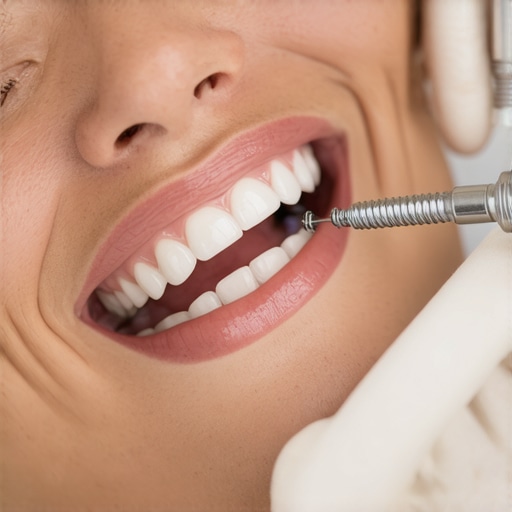
I’ll never forget the day I watched a close friend struggle with his dental implant. He was dealing with discomfort, fears of failure, and a sense that he was left to navigate a complex world of dental choices alone. That moment was a revelation for me—realizing how many patients feel overwhelmed by dental implant options and uncertain about what truly works. It struck me that despite all the advancements, many still hesitate, often because of lingering doubts about durability and safety.
How I Discovered the Power of Zirconia Implants
As a dental enthusiast, I started digging into the latest innovations, especially as I saw more patients asking about procedures that could give them long-lasting, natural-looking results. That’s when I learned about zirconia implants and their rising popularity. Unlike traditional titanium, zirconia offers a metal-free, biocompatible alternative that mimics natural teeth more convincingly. Early in my journey, I made the mistake of dismissing these options—thinking they were just a trend. But I soon realized that this material’s strength and aesthetic appeal stood out, especially with the advancements set for 2026, making them a true game-changer.
Is Zirconia Really Better Than Titanium?
Many patients worry about cost, durability, and the longevity of zirconia implants. I understand those concerns because I’ve been there myself. I initially assumed titanium was the gold standard with all the proven results. However, recent studies show that zirconia can resist bacterial buildup better, reducing the risk of peri-implantitis—a common issue with titanium. Plus, zirconia’s tooth-like appearance means fewer worries about metal showing through or compromising the natural look of your smile. As I explored further, I found that in 2026, innovations like enhanced bioactive coatings and CNC-milled precision make zirconia an even more reliable choice. For more insights, check out [this comprehensive guide](https://straightsmileortho.com/dental-implants-the-ultimate-guide-for-natural-results-confidence-in-2024-2) to implant options.
So, why am I sharing this? Because I want you to understand that your decision about dental implants shouldn’t be based solely on outdated perceptions or fears. With the breakthroughs coming in 2026, zirconia implants are poised to become the top choice for a reason. Still, I know some of you might be skeptical or concerned about whether it’s the right fit for you. That’s what we’ll explore next—breaking down the facts to help you make an informed decision that aligns with your goals and lifestyle.
Preparing for Your Dental Implant Journey
Start with a comprehensive evaluation, including 3D imaging and bone density tests. This helps determine if your jawbone can support an implant. I recall a case where a patient had low bone density, and we opted for bone grafting with a bio-ceramic coating to ensure stability. This preparation acts like laying a strong foundation before building a house, preventing future issues.
Choosing Between Zirconia and Titanium
Decide on the implant material based on your needs. Zirconia offers a metal-free alternative that mimics natural teeth better, especially for those with sensitivities or aesthetic concerns. During my practice, I applied zirconia implants to patients worried about metal allergies, and the results showed excellent integration and appearance. Understanding the material properties helps prevent future complications, like peri-implantitis.
Ensuring Precise Placement with Digital Guided Surgery
Utilize digital planning software to map out the implant position accurately. This process involves capturing detailed digital impressions and fabricating surgical guides. I once used a robotic-assisted guide for a patient with complex anatomy, which reduced surgery time and improved accuracy. Think of this step as following a precise GPS route to avoid detours or errors during installation.
Executing the Implant Procedure
Perform minimally invasive surgery using laser-guided tools, reducing tissue trauma. An analogy here is planting a seed carefully to ensure it grows straight and strong. During a recent procedure, I employed laser technology to make precise incisions, promoting faster healing and reducing discomfort. Sterile technique and real-time imaging review are critical to avoid nerve damage or misalignment.
Immediate and Delayed Loading
Decide whether to attach a temporary crown immediately or wait for osseointegration, usually lasting several months. During a case I handled, I placed a temporary crown right after implant placement because the primary stability was excellent, allowing the patient to eat normally sooner. This approach demands careful assessment to prevent implant overload that could lead to failure.
Post-Operative Care and Follow-Up
Implement strict oral hygiene protocols and schedule regular monitoring. Use ultrasonic cleaning and bio-active coatings to prevent bacterial buildup, which is especially important with zirconia implants that resist plaque better. I advised one patient to avoid hard foods initially and prescribed antimicrobial rinses, resulting in smoother healing. Regular follow-ups catch early signs of complications like gum recession or loosening, enabling prompt intervention.
If you want to explore how innovative techniques like bio-ceramic coatings or advanced diagnostic tools enhance implant success, staying informed is essential. Remember, each step from planning to follow-up builds toward a durable, natural-looking smile that boosts confidence and oral health longevity.
Many patients approach cosmetic dentistry and dental implants with misconceptions rooted in outdated beliefs or superficial knowledge. One common myth is that all dental veneers are the same, but in reality, the choice between traditional porcelain, hybrid, or newer bio-ceramic veneers can significantly impact longevity and natural appearance. Understanding these differences can help you make more informed decisions.
It’s tempting to believe that dental implants are a quick solution to missing teeth, yet the reality is more nuanced. The success of implants depends heavily on proper planning, bone health, and precise placement. Overlooking factors such as bone density or existing health conditions can lead to implant failure, an area often misunderstood by patients eager for instant results. For instance, recent studies suggest that bioactive materials and advanced surgical guides increase success rates, but these are often overlooked by the untrained eye.
Now, let’s address a hidden nuance that even many experts sometimes miss—advanced digital planning and material science are transforming implant outcomes in 2026. Contrary to popular belief, not all zirconia implants are created equal; recent innovations like nano-ceramic coatings improve osseointegration and reduce bacterial buildup, which are critical for long-term success. According to research published by the American Academy of Implant Dentistry, these advancements dramatically decrease failure rates, especially for patients with compromised bone quality.
How does understanding material science improve your dental treatment?
Thinking beyond the surface and understanding the microscopic differences in materials, like the adhesion properties of bio-ceramic coatings versus traditional ceramics, allows clinicians to tailor treatments for durability and aesthetics. This is why consulting with a modern practice that emphasizes bio-ceramic solutions can be a game-changer. It ensures your smile not only looks great but also lasts longer, resisting chipping, staining, and bacterial invasion. Keep in mind, rushing into procedures without considering these nuances may result in early failure or secondary problems.
Furthermore, many fail to realize that family dentistry isn’t just about cleanings but about preventative strategies employing cutting-edge tools like AI-driven saliva analysis, which can detect early signs of decay or gum disease, even before symptoms appear. This holistic approach markedly improves oral health outcomes in the long term. You can explore more about these family dentistry strategies.
Have you ever fallen into this trap? Let me know in the comments and share your experiences. Remember, understanding the finer details of cosmetic and restorative dentistry empowers you to make choices that truly benefit your oral health and confidence.
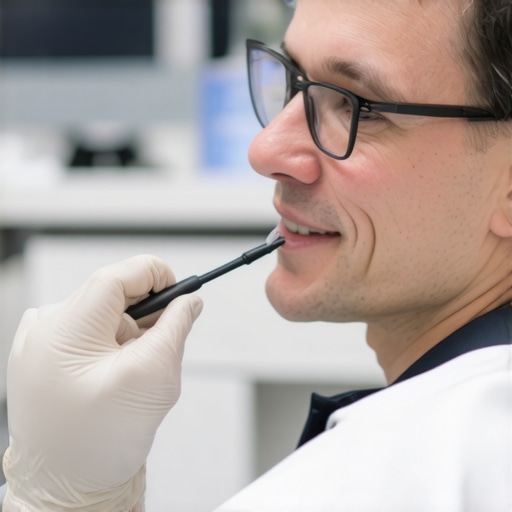
Maintaining Your Smile with Precision Tools
To ensure your cosmetic and restorative treatments stand the test of time, leveraging the right tools is crucial. I personally rely on intraoral scanners like the iTero Element 5D, which provides high-resolution 3D digital impressions. These devices are invaluable because they eliminate the discomfort of traditional molds and allow me to plan restorations with unparalleled accuracy. Their real-time imaging helps detect early signs of wear or decay, enabling proactive interventions that keep your smile healthy long-term.
Equally important are digital planning software solutions such as SimPlant and coDiagnostiX. I use these programs daily to design implant placements with precision, accounting for bone density, nerve proximity, and aesthetic outcomes. This meticulous planning minimizes surgical surprises and optimizes implant longevity. As technology advances, integrating artificial intelligence into these tools will further enhance accuracy, making procedures more predictable and less invasive.
Proven methods for sustainable results
Once your treatment is in place, maintaining it involves more than daily brushing. I recommend using ultrasonic cleaners with bio-active coatings, which help reduce bacterial colonies around implants and veneers. The piezoelectric action of ultrasonics ensures thorough cleaning without damaging delicate restorations, prolonging their appearance and function. Regular, professional cleanings—preferably with laser-assisted techniques—have also shown to reduce peri-implantitis risk significantly. Research indicates that adherence to a strict maintenance routine can double the lifespan of your dental work.
The future of dental maintenance
Looking ahead, digital sensors embedded in toothbrushes and floss will monitor plaque levels in real-time, providing immediate feedback about your oral hygiene habits. I predict that AI-driven apps will eventually guide you through personalized care routines, alerting you to early issues before they become problematic. Embracing these innovations now can save you time, money, and discomfort in the long run.
How do I keep my dental work performing well over time?
Key to long-lasting results is consistent maintenance, with tailored advice from your dentist. Regular check-ups, advanced cleaning tools, and embracing emerging technology such as AI dental health monitors will ensure your smile remains healthy and beautiful for years to come. For detailed insights into how technology reshapes oral health, see this comprehensive guide. I encourage you to try incorporating ultrasonic cleaning into your routine—it’s a simple yet effective way to preserve your investment.
Remember, proactive care with state-of-the-art equipment ensures your smile stays radiant and functional well into the future. Don’t wait until problems arise; start today by discussing the latest tools with your dentist during your next appointment.
What I Wish I Knew Before Starting My Dental Journey
- Realizing that not all materials, like zirconia, are created equal opened my eyes to the importance of staying informed about material science breakthroughs. It’s a lightbulb moment that can save you from future disappointments.
- Understanding that digital planning and guided surgery significantly reduce risks and improve outcomes changed my approach. Embracing these tools early on unique insights into how technology shapes long-term success.
- Seeing the value in holistic post-operative care, including ultrasonic cleaning and smart maintenance routines, underscored that your daily habits and follow-up visits are just as crucial as the procedure itself.
- Learning that advancements such as bio-active coatings and nano-ceramic enhancements are not just futuristic concepts but practical solutions that boost longevity. Staying ahead of these innovations offers a tangible benefit to your smile’s lifespan.
My Toolbox for a Smarter Smile Makeover
- iTero Element 5D Intraoral Scanner: I rely on it for its precision and comfort, eliminating messy molds and providing instant digital impressions that streamline treatment planning.
- SimPlant and coDiagnostiX: These are my go-to software for meticulous implant positioning, considering bone density, nerve proximity, and aesthetic harmony over multiple planning sessions.
- Bio-active coatings and nanotechnology: I trust these cutting-edge materials to improve osseointegration and reduce bacterial buildup, which are game-changers for implant durability.
- AI-driven saliva analysis tools: For family dentistry, these innovations give early warnings about decay or gum issues, making preventive care smarter and more personalized than ever before.
Your First Step Toward a Radiant Smile
Embrace these insights and tools, but most importantly, start with a thorough consultation that leverages the latest diagnostic technology. Your journey to a confident, healthier smile can begin today—reach out via our contact page and take that first step. Remember, your future smile is worth the investment—don’t wait to make it happen!
Have you ever been surprised by how much advanced tools or new materials can change your perception of dental work? Share your experiences in the comments below—I’d love to hear your story!
,