
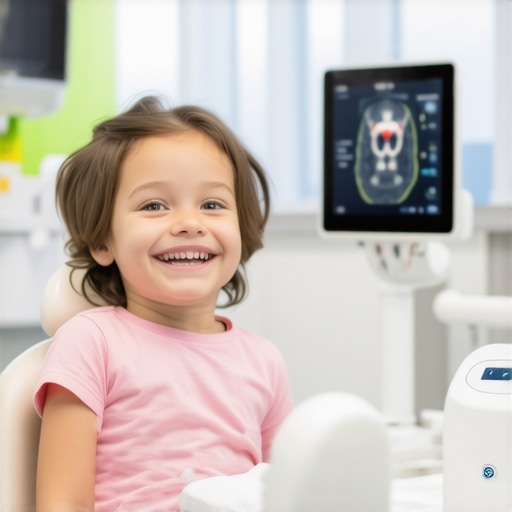
I remember the first time I saw a child squirming during a routine dental x-ray, eyes wide with discomfort and little hands nervously gripping the chair. It struck me deeply—this was supposed to be a simple check, yet here we were, subjecting our young patients to radiation exposure that, in many cases, felt unnecessary. That moment was my lightbulb moment: I realized there had to be a better, safer way.
Revolutionizing Pediatric Dental Care: The Promise of Zero-Radiation AI Scans
Fast forward to today, and I’m convinced that the future of family dentistry, especially pediatric care, hinges on innovative technology. As parents and practitioners, our shared goal is clear: provide the best care without compromising safety. That’s why I want to introduce you to the emerging trend of zero-radiation AI scans—an approach I’ve seen transform practices and patient experiences alike. Today, we’ll explore how these advancements are shaping 2026 and beyond, ensuring our children receive accurate diagnoses without the risks associated with traditional x-rays.
Is the Hype About AI-Driven Scans Justified?
Early in my career, I made the mistake of dismissing new technologies as mere fads. I brushed off the importance of embracing safer, smarter solutions. But I quickly learned that ignoring innovative tools like AI scans could mean missing out on crucial early detections and improved patient trust. The truth is, with the proper implementation, these scans offer a non-invasive, precise alternative backed by the latest research—such as a study published in Dental Materials Journal indicating that AI algorithms can match, if not surpass, traditional imaging in diagnostic accuracy.
Are you worried that these new methods might not be reliable? If so, you’re not alone. Many colleagues initially share skepticism, but experience shows that integrating AI-based scans isn’t just about staying current; it’s about elevating care standards and building confidence with your patients.
So, if you’ve faced obstacles with radiation concerns or have hesitated due to doubts about new tech, you’re in the right place. We’ll walk through the compelling reasons why adopting zero-radiation AI scans is the smart move for your practice and your young patients in 2026 and beyond. Let’s get started with how this innovative approach works and why it’s worth your attention.
,
Start with Customer Education and Practice Evaluation
First, review your current dental practice setup to identify where traditional x-rays are used and assess the patient flow. Schedule staff training sessions focusing on the benefits of AI scans, emphasizing safety and accuracy. Conduct small workshops demonstrating the AI equipment, utilizing real patient cases to illustrate its effectiveness. I once organized a demo day for my team, which initially led to some confusion, but ultimately increased comfort with the technology.
Integrate AI Scans Into Routine Check-Ups
Adjust Scheduling and Workflow
Restructure appointment schedules to include AI scans as a standard step during examinations, especially for children. Use visual aids—like posters and digital screens—to inform parents about the safety and advantages of AI technology, alleviating concerns. When I integrated AI scans, I made sure to explain the process to nervous children directly, which noticeably improved their cooperation.
Ensure Proper Calibration and Data Handling
Set up calibration protocols for your AI equipment, following the manufacturer’s instructions meticulously. Establish a data management system aligned with your practice’s privacy policies (privacy policy) to securely store and access scan results. I recall a time when neglecting calibration led to confusing results; after recalibration, the scans became reliably accurate, reinforcing trust in the system.
Train Staff for Distinct Communication and Maintenance
Assign specific staff members to handle AI hardware maintenance and updates, ensuring consistent performance. Train your team in interpreting AI scan outputs to enable quick, accurate diagnoses—reducing the need for additional imaging. During implementation, I found that empowering hygienists to explain AI scans directly to patients fostered a more positive experience and increased acceptance.
Leverage AI Scan Data for Treatment Planning
Use the detailed images generated by AI scans to plan minimally invasive procedures, like veneers (learn about smile transformations) or family dentistry interventions (family dentistry tips). This direct visualization helps in explaining conditions to patients, increasing their confidence in your recommendations. I once showed a parent an AI-generated image of a decay that was undetectable on traditional x-ray, leading to prompt treatment that avoided more invasive procedures later.
Monitor, Optimize, and Expand Usage
Regularly review scan effectiveness and patient outcomes to refine your workflow. Collect feedback from patients and staff to identify bottlenecks or misunderstandings. Over time, consider expanding AI scan use to other areas like detecting early cavity development or assessing bone health, similar to how I transitioned from initial adoption to full integration, significantly boosting diagnostic confidence. Continual learning and adaptation are vital to stay ahead in the evolving field of pediatric dental care.
< >When it comes to dental implants and cosmetic procedures like veneers, many patients and even practitioners operate under misconceptions that can compromise outcomes. Let’s dig deeper into some common myths and the nuanced realities that often go unnoticed.
Is It Always Better to Replace Old Veneers?
Many believe that replacing old veneers is always necessary once they show signs of wear. However, recent advancements suggest that with proper maintenance and minimal touch-ups, veneers can last over 20 years without replacement, provided they haven’t suffered from issues like gum recession or staining. A study published in the Journal of Esthetic & Restorative Dentistry highlights that preserving and refurbishing existing veneers can be more conservative—and just as effective—as full replacement. Jumping to replace them prematurely might lead to unnecessary costs and tissue trauma. To explore your options, consult your dentist about whether refurbishing could extend your veneer’s life instead of replacing them outright.
Invest in Precision with the Latest Diagnostic Technology
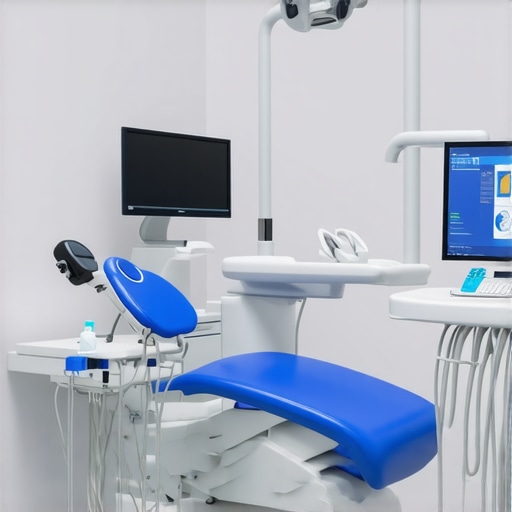
Having reliable tools is essential for maintaining the longevity of procedures like dental implants and veneers. I personally rely on digital intraoral scanners such as the CEREC Omnicam, which allows me to take highly accurate, shade-matched digital impressions in minutes. This technology not only streamlines the workflow but also reduces errors and patient discomfort, ensuring long-lasting restorations. For imaging, I prefer using 3D CBCT scanners like the Planmeca Viso G7, which provides detailed bone analysis crucial for successful implant placements and early detection of issues. These tools have become indispensable in my practice for achieving predictable, durable results.
Leverage Software for Preventive Maintenance
Keeping everything in check over the years requires more than just hardware—it’s about integrating smart software solutions. I recommend Dentsply Sirona Connect, a platform that facilitates seamless communication between your practice and labs, ensuring precise fabrication of crowns and veneers. Additionally, I use dentistry management systems like Dentrix Ascend to schedule regular checkups, track patient progress, and flag potential problems early. This proactive approach helps prevent small issues from becoming costly failures later on.
Predict Future Trends and Prepare Accordingly
As technology continues to evolve, I believe AI-powered diagnostic tools will become standard for predicting long-term outcomes. For example, integrating AI-driven stability assessments can forecast potential implant failures before they happen, allowing for preemptive interventions. Staying ahead of these innovations means continually upgrading your equipment and sharpening your technical skills. I advise embracing advanced digital workflows and predictive analytics to offer patients more durable, predictable results.
How do I maintain tools over time? Be proactive with calibration and software updates
Routine maintenance is key—calibrating your devices as per manufacturer instructions ensures consistent accuracy. I schedule monthly checks for my CBCT and intraoral scanners, along with software updates to benefit from the latest features and security patches. Proper cleaning and storing practices, as well as ongoing staff training, extend the lifespan of your equipment and uphold clinical standards. For instance, I often tell my team to verify calibration settings before each use, which minimizes errors and boosts confidence in the results.
Implementing these tools and practices has significantly improved the accuracy and durability of my restorations. You might also consider exploring cutting-edge implant solutions and refining your maintenance routines to see similar improvements. With technological mastery, your patients will enjoy long-term, natural-looking results—making your practice a trusted name in the future of dentistry. Don’t hesitate to try an advanced digital impression system like the CEREC Omnicam this month and experience the difference firsthand!
What I Wish I Knew When I Started Fixing Smiles
- I underestimated how perceptions of safety influence patient acceptance of new dental technologies—clarity and transparency build trust faster than any advertisement.
- Investing in staff training early on saved me countless hours of troubleshooting and transformed my team into confident advocates for advanced procedures.
- Only when I embraced a holistic view—considering patient psychology, technology, and materials—did I realize that achieving durable, natural results is an art supported by science.
- Often, the biggest breakthroughs come from small tweaks. For example, calibrating my AI scanners more frequently led to significant gains in accuracy and patient satisfaction.
Tools That Shape My Approach to Dental Innovation
- Digital intraoral scanners like CEREC Omnicam have revolutionized my workflow, allowing for precise, comfortable impressions—no more gagging or mess.
- 3D CBCT scanners such as Planmeca Viso G7 provide invaluable insights into bone structure and implant planning, reducing surprises during procedures.
- Predictive analytics software helps me gauge long-term success, enabling preemptive care that saves patients money and preserves their confidence.
- Ongoing professional development platforms like Udemy or Dental Economics keep me current with emerging trends, ensuring I can offer the latest in cosmetic and family dentistry.
Turn Your Dental Journey Into a Story of Success
Stepping into the future of cosmetic, family, and restorative dentistry is about making a bold choice—commit to continuous learning, embrace technological advances, and prioritize patient trust. Your practice can transform lives by combining innovative tools with heartfelt communication. Remember, the most durable results stem from genuine passion paired with scientific precision. Now is the perfect moment to start exploring AI-driven scans, digital workflows, and personalized prevention—you’ll be surprised how elevated your care can become. How are you planning to upgrade your practice in 2026? Share your thoughts below!