I was leaning over my bathroom sink, eyes watering and my face turning a concerning shade of beet red. It wasn’t a medical emergency—I was just trying to brush my back molars. For years, every single morning felt like a battle between my dental hygiene and my body’s frantic urge to reject the toothbrush. It’s embarrassing, isn’t it? That sudden, violent retch that makes you feel like you’re fighting for your life just to maintain a basic level of family dentistry standards. I spent a decade dreading the last thirty seconds of my routine, often skipping those far-back teeth entirely just to avoid the discomfort. But neglecting those hard-to-reach spots is exactly why your gums bleed even though you brush twice a day. Today, I’m going to share exactly how I hacked my own nervous system to stop the choking and actually enjoy a clean mouth. We’re moving past the struggle so you can keep your smile shining, whether you’re rocking natural teeth or looking for cosmetic dentistry secrets to boost your confidence.
Your Brain Thinks Your Toothbrush Is a Mortal Enemy
The first thing I had to realize—and this was a huge lightbulb moment for me—is that your gag reflex is actually a hero. It’s a primitive survival mechanism designed to keep you from choking on things that shouldn’t be in your throat. The problem is that for some of us, that “danger” sensor is tuned way too high. I made the classic mistake early on of trying to power through it. I’d shove a massive manual brush back there and just hope for the best, which usually ended with me gasping for air. Interestingly, according to a study published in the Journal of the American Dental Association, nearly 10% to 15% of patients suffer from a hypersensitive gag reflex that interferes with their daily oral care. You aren’t
The Left-Hand Fist Trick That Silences Your Nerves
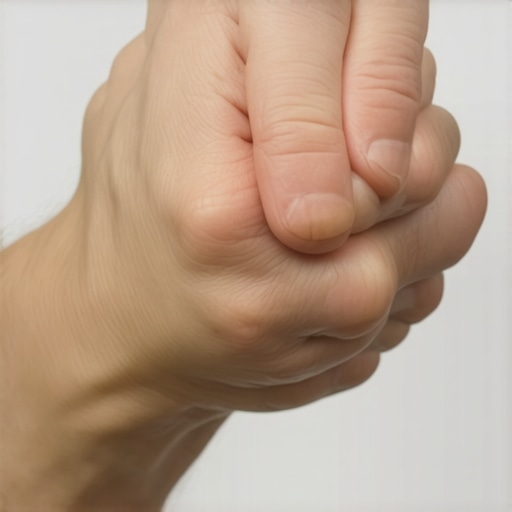
One of the most effective ways I found to shut down my gag reflex was a weirdly simple bit of acupressure. I call it the ‘Thumb Anchor.’ You make a fist with your left hand, but you tuck your thumb inside your fingers and squeeze firmly. It sounds like something out of a playground legend, but there is legitimate science behind it. By creating a competing sensory input, you distract your brain’s nervous system from focusing on the back of your throat. I remember the first time I tried this; I was so skeptical I almost laughed, but I managed to scrub my wisdom teeth without a single heave. This kind of sensory distraction is a lifesaver when you’re dealing with the initial awkwardness of why your new veneers feel bulky against your lips or adjusting to new dental work.
Keep Your Airway Clear by Breathing Through Your Nose
When you breathe through your mouth while brushing, you’re essentially creating a direct path for the toothbrush to trigger the back of your throat. I spent years doing this wrong. I would hold my breath and hope for the best, which only made my body panic more. Now, I focus on steady, rhythmic nasal breathing. It’s the same physiological reset used to calm down the real reason your mouth feels dry when you are nervous. If your nose is clear, your brain feels safe, and that ‘mortal enemy’ sensor in your throat dials back from a ten to a two. I’ve found that even humming a little tune through my nose helps keep the airway open and the throat muscles relaxed.
Choose a Brush Head That Doesn’t Fight Your Palate
Size matters more than you think. Those massive ‘extra-reach’ brushes might look efficient, but if you have a small arch, they’re basically a wrecking ball for your gag reflex. Think about the precision required for family dentistry tips for a lifetime of healthy smiles; you want a tool that can navigate corners without triggering an alarm. I switched to a high-quality electric toothbrush with a small, oscillating round head. Because the head is tiny, I can tuck it into the very back corners of my jaw without touching the soft palate. If an electric brush feels too intense, especially if you’re worried about the reason your teeth feel sensitive after a professional cleaning, even a child-sized manual brush can be a game-changer. It’s much easier to control a small tool in a tight space than a giant one.
The Salt on the Tongue Technique
This is my ‘in-case-of-emergency’ move. If I’m having a particularly sensitive morning—maybe I didn’t sleep well or I’m rushing—I’ll put a tiny pinch of salt on the tip of my tongue. It sounds bizarre, but the salt temporarily changes the chemistry and focus of your taste buds and the sensory receptors on your tongue. It’s a similar logic to why a professional might use specific techniques to ensure how to tell if your dental implant is healing at the right speed without causing patient distress. The salt provides a distraction that ‘numbs’ the reflex for just long enough to get those molars clean. I once did this in a hotel bathroom before a big meeting, and while I looked a bit crazy reaching for the salt shaker, it was the first time I didn’t leave the bathroom with watery eyes and a red face.
Once you’ve mastered your gag reflex, you’ve essentially removed the biggest psychological barrier to upgrading your smile. But this is where many people fall into a different trap: believing that cosmetic dentistry is a simple ‘plug-and-play’ solution. Let’s dig deeper into the nuances that separate a good result from a lifelong regret. Most people assume that getting veneers is like putting a protective shell over a tooth that makes it indestructible. In reality, the margin where the veneer meets your gum is a precision zone. If that transition isn’t perfect, you’ll likely wonder why your new veneers feel bulky against your lips or why your gums are suddenly inflamed. It’s not just about the porcelain; it’s about the biological integration. According to a study in the Journal of Oral Rehabilitation, the longevity of these restorations is more dependent on the health of the underlying tooth structure and the precise ’emergence profile’ than the brand of the ceramic itself. If your dentist focuses only on the white part of the tooth and ignores the pink, you’re headed for trouble.
The Secret Reason Your New Smile Might Feel ‘Off’
One of the biggest mistakes in high-end dental work is ignoring the bite mechanics in favor of aesthetics. I’ve seen patients who achieved their dream smile through cosmetic dentistry secrets to boost your confidence, only to find they have chronic jaw pain a month later. The nuance here is that your new teeth must work in harmony with your temporomandibular joint. If the veneers are even a fraction of a millimeter too thick, they can disrupt your entire occlusion. It’s not just about looking good in a selfie; it’s about ensuring the restoration doesn’t become a functional liability. Most people think ‘perfection’ is a straight line of white teeth, but true perfection in family dentistry tips for a lifetime of healthy smiles means maintaining the natural variations that allow for a comfortable, functional bite.
Stop Chasing a Paper-White Shade
The biggest ‘oops’ factor I see in the world of smile makeovers is the obsession with ‘bleach white’ shades. When you ignore the translucency of natural enamel, you end up with the mistake that makes porcelain veneers look like piano keys. Real teeth have depth; they reflect light differently at the edges. Professional enhancements should involve subtle gradients that mimic natural biology. If you’re going too bright, you’re actually signaling that the teeth are artificial, which defeats the whole purpose of a natural-looking enhancement. Always look for a lab that uses multi-layered porcelain to avoid that flat, opaque look that screams ‘dentures’ rather than ‘natural beauty.’
How can you tell if your dental bone graft is healing properly?
When we talk about the future of dental implants, we often focus on the titanium post. But the real expertise lies in the bone graft. Beginners often worry about every tiny sensation, but you need to know how to tell if your dental bone graft is healing as expected versus when it’s failing. A slight feeling of pressure is normal; sharp, radiating pain or a loose-feeling site weeks later is not. Most people think they can just ‘get an implant’ tomorrow, but the nuance is that your jaw’s density dictates the timeline. Rushing the process is the fastest way to invite implant rejection. Have you ever fallen into this trap where you prioritized the speed or the look over the health? Let me know in the comments. We’ve covered a lot about managing the physical struggle of dental care, but the real success comes from understanding these hidden details of long-term oral health.
So, you’ve navigated the minefield of picking the perfect shade and ensuring your bite feels natural. Now comes the part that most people ignore until something goes wrong: the long-term upkeep. I used to think that because a dental implant wasn’t ‘real’ bone, I could treat it like a piece of indestructible hardware. I was wrong. If you want to avoid a situation where you’re wondering how to safely clean a dental implant without scratching the post, you need to be surgical about your tool kit. I personally swear by a water flosser with a specialized tip for bridges and implants. It’s not just about removing food; it’s about disrupting the biofilm that loves to congregate at the base of your restoration. If you notice a change in texture, it’s worth investigating why your porcelain veneers feel gritty to your tongue before that grit turns into a permanent stain.
Invest in a Night Guard to Save Your Smile
The single most important tool I ever bought wasn’t a fancy brush—it was a custom-fitted night guard. If you’ve spent thousands on a veneers transformation, you are essentially wearing glass on your teeth. Even if you don’t think you grind your teeth, the stress of daily life often manifests as nocturnal clenching. According to a study published in the Journal of Prosthetic Dentistry, the failure rate of porcelain restorations increases by nearly 300% in patients with untreated bruxism. I keep mine in a dedicated ultrasonic cleaner to prevent it from becoming a petri dish. If you’ve ever struggled with maintenance, you should definitely look into how to remove the smell from your plastic night guard at home to keep your routine fresh and hygienic.
How do I maintain my dental implants and veneers over time?
The secret is a combination of low-abrasive chemistry and high-frequency monitoring. I stopped using ‘whitening’ toothpastes immediately after getting my work done because they are often too abrasive for the glaze on porcelain. Instead, I use a gel-based formula designed for sensitive teeth, which helps if you need to how to manage tooth sensitivity after your first professional cleaning. You also need to stay ahead of the curve regarding dental implants 2025 innovations. We are moving toward an era where ‘smart’ dental work will be the norm. I predict that within the next five years, we will see implants with built-in sensors that can detect early-stage bone loss or infection before you even feel a twinge of pain. This technology, combined with how dental implants reshape your oral health in 2025, means your ‘fake’ teeth might eventually be smarter than your real ones.
Why the Pressure Sensor on Your Brush Is Non-Negotiable
If you are still using a manual brush, you are gambling with your gum line. I switched to a sonic toothbrush specifically because of the haptic pressure sensor. When you have veneers, receding gums are your worst enemy because they expose the ‘margin’ or the edge of the porcelain. This can lead to dark lines that ruin the aesthetic. I recommend setting your electric brush to the ‘sensitive’ mode and letting the vibrations do the work for you. Don’t push; just glide. This simple habit shift is the difference between a ten-year result and a thirty-year result in family dentistry. My challenge to you: tonight, try brushing with your non-dominant hand. It forces you to pay attention to the pressure and prevents that ‘scrubbing’ instinct that destroys your gums. If you can master that, you can master the art of the permanent smile.
I spent years thinking I was just ‘bad’ at being a dental patient. I thought the gagging, the anxiety, and the confusion over maintenance were personal failings. It turns out, I just didn’t have the right framework for understanding how my body and my dental work interact. If you’ve been following along, you now have a toolkit to bypass your body’s panic responses and a clear-eyed view of what it takes to keep your smile looking intentional rather than artificial.
The Truth About Living with Porcelain and Titanium
After a decade of navigating everything from routine cleanings to complex restorations, I’ve realized that the most important ‘procedure’ happens in your own bathroom. Here are the lightbulb moments that changed everything for me:
- Maintenance is actually easier than the struggle: I used to spend more energy dreading the gagging than I now spend on a meticulous cleaning routine. When you use the right tools, the stress evaporates.
- Cosmetic work is a partnership: You can’t just get expert tips for perfect results and then forget about them. Your gums are the frame for your teeth; if you neglect the ‘pink,’ the ‘white’ won’t matter.
- Your body talks to you: If your dental implant feels tight when you wake up, it isn’t just a random sensation—it’s a signal to check your night guard or your stress levels.
#IMAGE_PLACEHOLDER_E#
What Stays in My Bathroom Cabinet
I’ve tested dozens of gadgets, but only a few have earned a permanent spot on my counter. If you are serious about your long-term health, these are the essentials I personally trust:
- The Small-Head Electric Brush: It’s the only way I can reach my back molars without triggering a reflex. It transformed my approach to family dentistry tips for a lifetime of healthy smiles.
- Water Flosser with Ortho Tips: This is non-negotiable for anyone with a bridge or implants. It’s the difference between ‘good enough’ and ‘clinically clean.’
- Non-Abrasive pH-Balanced Gel: I avoid anything with ‘charcoal’ or ‘extra whitening’ beads. Protecting the glaze on your porcelain is your number one priority to avoid staining.
Take Control of Your Morning Routine
Don’t let a sensitive gag reflex or the fear of ‘messing up’ your dental work keep you from the confidence you deserve. Whether you are currently weighing choosing the best option for your smile or you are already living with a full set of implants, you are the CEO of your oral health. You’ve learned how to trick your brain into staying calm and how to spot the red flags before they become emergencies. Even if you’re currently dealing with a setback, like needing to manage throbbing pain while waiting for a root canal, remember that every small habit you build today protects your investment for the next twenty years. Your smile is a reflection of how you care for yourself—make it a masterpiece. Have you ever tried the fist-squeezing trick or the salt technique to stop your gag reflex? Let me know in the comments below!