I will never forget the sound. It was not a loud crack, but a dull thud followed by a sickening, squishy sensation as I bit down. I had just taken a stray elbow during a weekend pickup game of basketball—totally accidental, but the damage was done. I stood there on the court, tongue frantically exploring my front incisor, and my heart sank when I felt it shift. Just a millimeter. But in your mouth, a millimeter feels like a mile. My first mistake was one I see people make all the time: I started testing it by wiggling it with my thumb. I thought I was checking the severity, but I was actually tearing the tiny fibers trying to hold it in place. If you are currently panicking because your tooth feels like a loose piano key, take your hands away from your face. We are going to fix this.
Stop Wiggling and Start Thinking Fast
When an injury happens, the clock starts ticking immediately. I spent twenty minutes searching for answers instead of just calling my dentist. That was a waste of precious time. The reality is that why your tooth feels loose after a hard hit during sports is usually due to a sprained periodontal ligament. It is exactly like a sprained ankle, but for your face. If you leave it alone and get professional help, it can tighten back up. If you keep poking it, you might end up needing dental implants in 2025 far sooner than you ever expected. I am going to share the exact soft food protocol and the stabilization tricks I used to save my smile without needing to resort to cosmetic dentistry secrets to boost your confidence. We want your natural tooth to survive, and that starts with absolute stillness.
Can a tooth really tighten back up on its own?
It sounds too good to be true, right? We are taught that adult teeth are permanent and unyielding. However, according to the American Association of Endodontists, dental trauma is incredibly common, and the mouth is remarkably resilient if the blood supply is not completely severed. I used to be terrified that a loose tooth was a dead tooth, and sometimes you might notice your teeth look grey after a dental injury, which signals a different issue entirely. But for a simple subluxation—the fancy word for a loose tooth—the goal is stabilization. Have you ever had that stomach-drop moment where you realized your tooth was not quite where it should be? I would love to hear your story—reach out and let me know how you handled that first moment of panic. Today, we are focusing on the immediate 24-hour window that determines if you keep your tooth or end up comparing veneers vs crowns for a replacement. Do not panic yet; there is a very specific path forward.After that sickening thud on the basketball court, I learned the hard way that the next 48 hours are a battle against your own habits. You have to treat your mouth like a construction zone where the cement is still wet. If you do not follow a strict protocol, you might find yourself looking into how dental implants reshape your oral health in 2025 much sooner than you planned. Here is the exact ‘meat’ of the recovery process.
Stabilize the Area Without Using Your Fingers
The absolute first thing I did—and the thing you must do—is create a ‘no-fly zone’ around that tooth. When your tooth is loose, the periodontal ligament is stretched and likely bleeding internally. Every time you touch it or wiggle it with your tongue, you are resetting the healing clock and potentially snapping new tissue fibers. I remember sitting on my couch, my brain screaming at me to ‘just check one more time’ if it was still loose. I actually had to tuck my hands under my legs to stop myself from poking it. If you have a what to do when you have a sharp edge on a broken tooth situation along with the looseness, do not try to file it down or use a home repair kit. Any pressure can dislodge the root further.
Use a cold compress to manage internal pressure
While you are keeping your hands away, you need to manage the swelling from the outside. I used a bag of frozen peas wrapped in a thin towel for fifteen minutes on and fifteen minutes off. This isn’t just for the pain; it is to reduce the inflammation that is physically pushing the tooth out of its socket. High pressure in the gums makes it nearly impossible for the ligament to reattach. This is a core principle in family dentistry tips for a lifetime of healthy smiles: prevent minor inflammation from becoming a permanent structural failure. 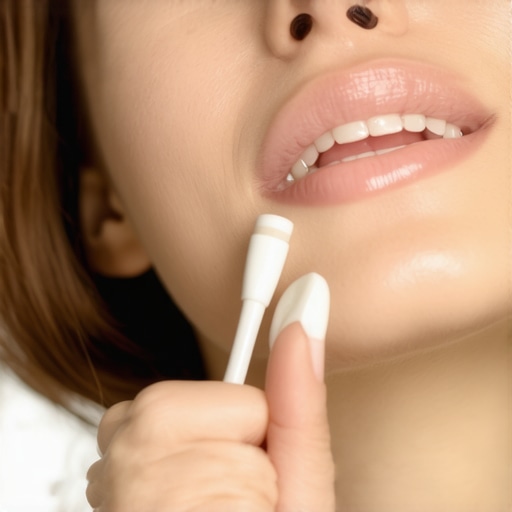
The Soft Food Protocol Is Not Optional
About six hours after my injury, I thought the tooth felt ‘solid enough’ and tried to eat a piece of slightly over-toasted sourdough. That was a massive mistake. The moment I bit down, the pressure transmitted through the neighboring teeth and I felt that nauseating ‘shift’ again. From that point on, I switched to the ‘toddler diet.’
Avoid anything with a crunch or snap
Even if you are chewing on the other side of your mouth, the jaw muscles exert significant force across the entire arch. I have seen friends try to eat ‘soft’ sandwiches, only to have a stray crust catch the loose tooth. Until you get to a professional, stick to lukewarm soups, protein shakes, and yogurt. If you are worried about the aesthetics while you wait, remember that skipping a few solid meals is a small price to pay to avoid needing cutting edge techniques in cosmetic dentistry to replace a lost tooth.
Spot the Signs of a Dying Nerve Early
You need to be a detective in the mirror. Every morning, I would stand in my bathroom with a high-powered flashlight. I wasn’t looking for movement; I was looking for color. If the tooth starts looking darker or more opaque, the blood supply might be compromised. This is a primary reason your teeth look grey after a dental injury. If you see this, the ‘wait and see’ period is over; you need a professional assessment to see if the tooth can still be saved.
Monitor your gum health for sudden changes
Watch for ‘pimples’ or small bumps on the gums near the root. While a little cold sensitivity is expected after trauma, heat sensitivity or a throbbing pulse usually means the nerve is in distress. This is quite different from the usual reason your teeth feel sensitive after a professional cleaning; this is deep, internal pain. If the area around the tooth starts to feel unusually warm, it could be a sign of infection. Even if you are already familiar with why a dental implant site feels warm during healing, applying that same vigilance to your natural tooth can be the difference between keeping your smile and losing it.
Why Natural Teeth Are Superior to Even the Best Implants
I hear it constantly in the gym and even at dinner parties: the idea that if a tooth is loose, you should just yank it and move on. This is perhaps the most dangerous myth in modern family dentistry. While how dental implants reshape your oral health in 2025 is a marvel of bio-engineering, an implant is essentially a titanium screw anchored in your bone. It completely lacks the periodontal ligament—the microscopic, fluid-filled shock absorber that your natural tooth possesses. Without that ligament, you lose ‘proprioception,’ which is your brain’s ability to sense exactly how hard you are biting. I have seen patients accidentally crack their opposing natural teeth because they bit down with full force on an implant they couldn’t ‘feel’ properly. A natural tooth that has been successfully stabilized is always a better long-term asset than the most expensive hardware.
Is Your Loose Tooth Actually Dying or Just Sprained?
This is the question that separates a panicked patient from an informed one. Advanced clinical guidelines from the International Association of Dental Traumatology (IADT) suggest that ‘subluxation’—increased mobility without actual displacement from the socket—has a remarkably high survival rate. According to a long-term study published in the Journal of Dental Traumatology, the incidence of pulp necrosis after a simple subluxation is only about 15%. However, that failure rate jumps dramatically if the tooth suffers secondary ‘micro-trauma’ from the patient constantly testing it with their fingers or tongue. If your tooth is merely wiggly but hasn’t shifted its physical position, your chances of a full recovery are excellent—provided you maintain absolute stillness during the first two weeks of ligament reattachment. 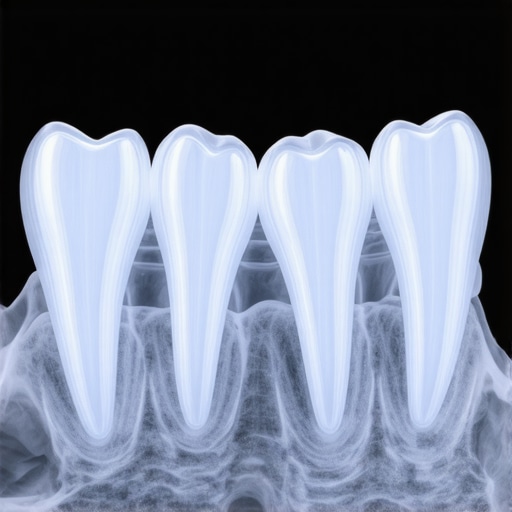
Avoid the Bulky Veneer Trap During Recovery
If the trauma was severe enough that you eventually need to discuss veneers vs crowns, do not rush the process while your mouth is still in shock. A common mistake I see is patients demanding an immediate cosmetic fix while the gingival tissue is still inflamed from the impact. This almost inevitably leads to the mistake that makes porcelain veneers look like piano keys, where the new tooth looks too long or bulky once the swelling finally recedes and the gum line stabilizes. True expertise in cosmetic dentistry secrets to boost your confidence involves waiting for biological ‘settling’ before taking final impressions.
The Stealthy Danger of Internal Resorption
Even if your tooth tightens back up and the color looks perfect, there is a hidden ‘trap’ known as internal resorption. This occurs when the body’s own clastic cells start ‘eating’ the tooth from the inside out because they were triggered by the initial inflammatory response. It is a silent process that doesn’t hurt until the tooth is hollowed out. This is why follow-up X-rays at the three and six-month marks are non-negotiable. If you skip these, you might find yourself needing cutting edge techniques in cosmetic dentistry for an extraction that could have been avoided with a simple, timely root canal. Have you ever fallen into this trap of thinking you were ‘in the clear’ just because the pain stopped? Let me know in the comments below.
Stop Scrubbing Your Gums to Death
After my basketball mishap, my entire perspective on ‘cleaning’ changed. I used to think that the harder I brushed, the cleaner my teeth were. In reality, I was just sanding down my enamel and irritating my already-stressed gums. This is one of the most common family dentistry tips for a lifetime of healthy smiles: gentleness is a virtue. I personally switched to an electric toothbrush with a smart pressure sensor. If I apply even a fraction too much force, the handle glows red, forcing me to back off. When you are dealing with a tooth that has recently been loose or if you’ve had a veneers transformation, that feedback loop is critical. You cannot afford to vibrate a healing ligament into submission.
Why I Swear by Oral Irrigators
Another tool I will never live without is a high-quality water flosser. Traditional floss is great, but when a tooth is sensitive after trauma, the ‘snapping’ motion of string floss can be painful and destabilizing. I use an oral irrigator on a low-pulsation setting to flush out the gingival sulcus without physical contact. Niche expert Dr. Gordon Christensen, a leader in restorative dentistry research, has frequently pointed out that plaque control at the margin is the single biggest predictor of whether a tooth (or an implant) survives the ten-year mark. If you are looking into dental implants 2025 innovations, you’ll find that maintaining the seal between the gum and the hardware is paramount. 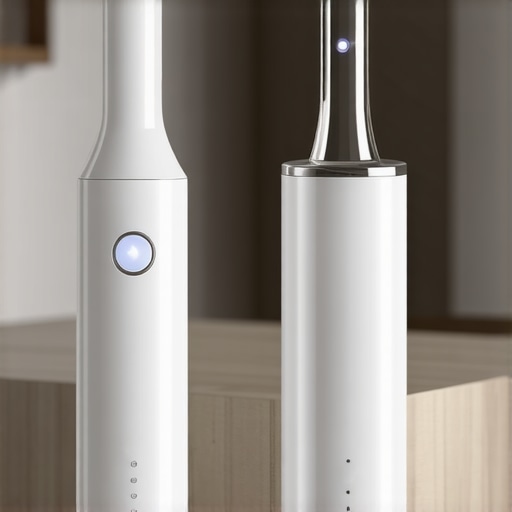
How do I maintain my dental work over time?
Maintenance isn’t a one-time event; it’s a daily rhythm of observation. Beyond the tools, you need to know how to safely clean a dental implant or a crown without using abrasive pastes that can dull the finish. I recommend using a non-abrasive gel toothpaste specifically designed for cosmetic work. Also, don’t ignore the signals. If you notice a slight zing when drinking cold water, refer back to how to manage tooth sensitivity after your first professional cleaning to see if it’s a normal reaction or a red flag.
Expect Smart Sensors in Your Next Night Guard
Looking ahead, the next five years will revolutionize how we ‘keep it working.’ I predict we will see the rise of bio-integrated night guards equipped with micro-sensors. These devices won’t just protect against grinding; they will track pH levels and inflammatory markers in your saliva, alerting your phone if it detects signs of a failing nerve or an impending infection before you ever feel pain. This level of preventative tech will make cosmetic dentistry secrets to boost your confidence even easier to maintain because we won’t be guessing about health anymore—we will have the data. My advanced tip for today: go out and buy a toothbrush with a visual pressure sensor. It is the single most effective way to stop damaging your own smile every morning. Use it for a week, and I guarantee you’ll be shocked at how hard you were actually pressing before.
Lessons That Changed How I View My Smile
Recovery isn’t just about the physical tooth; it’s about breaking the habit of anxiety. I used to think every twinge meant I was losing the battle, but most of the time, it was just my body doing the hard work of healing. Once you get past the first month, learning how to manage tooth sensitivity after your first professional cleaning will help you distinguish between a healing nerve and a serious problem.
One major lightbulb moment was realizing that ‘checking’ the tooth is actually a form of self-sabotage. Every time you wiggle it to see if it’s still loose, you are literally tearing the microscopic healing bonds that your body is trying to knit together. True success comes from absolute stillness.
I also realized that the best defense is a proactive offense. Keeping a list of family dentistry tips for a lifetime of healthy smiles on hand helps you avoid the panicky midnight Google searches that usually lead to more stress.
Must-Have Items for a Stress-Free Recovery
I swear by three things: a high-quality water flosser, a soft-bristled electric brush with a pressure sensor, and a gentle touch. These aren’t just for people with injuries; they are the foundation for everyone. If you’ve already moved past saving a tooth and are looking at how to safely clean a dental implant, these tools remain just as critical for protecting your investment.
#IMAGE_PLACEHOLDER_E#
Your Smile’s Best Days Are Just Getting Started
Even if things don’t go perfectly, we live in an era where cosmetic dentistry secrets to boost your confidence are more accessible than ever. Whether you save your natural tooth or explore dental implants 2025 innovations, you are not stuck with a broken smile. You have options, you have technology, and most importantly, you now have the knowledge to handle the situation with grace.
Have you ever experienced that heart-stopping moment when a tooth shifted during a game or a fall? Let me know how you handled those first 24 hours in the comments below.