I remember the exact moment my child’s tiny voice cracked with alarm after he took a tumble on the playground and came running to me, eyes wide with fear, clutching a wobbly, obviously knocked-out baby tooth. My heart sank. Instant panic? Oh, definitely. But then I realized—panic wouldn’t help. Instead, I needed to stay calm and find a way to handle the situation effectively. That lightbulb moment, the realization that I could actually manage this without causing more distress, transformed my response and kept my child’s smile safe.
Why Getting This Right Matters More Than You Think
If you’ve ever faced this situation, you know how overwhelming it can feel. Your first instinct might be to panic or to search frantically for advice, but here’s the truth: knowing what to do can make all the difference. Baby teeth are important—not just because they hold space for permanent teeth, but also because they impact your child’s confidence and self-esteem. According to the American Academy of Pediatric Dentistry, prompt and correct response to knocked-out teeth can sometimes preserve the tooth or prevent future dental issues. So, understanding how to act calmly and promptly can save your child’s smile—and your peace of mind.
Will I Make Things Worse by Trying to Fix It Myself?
Early on, I learned a costly mistake many parents make is attempting to reinsert a knocked-out tooth without proper guidance. I tried to push my son’s tooth back in myself, thinking I was doing the right thing, but that actually risked damaging the developing permanent teeth or causing infection. Trust me, it’s worth learning the correct steps before you find yourself in this urgent situation. If you’d like, I can guide you through the essential do’s and don’ts, so you’re prepared rather than caught off guard, especially when your child’s tiny smile is at risk. For comprehensive tips on family dental emergencies, be sure to check out [family dentistry tips for a lifetime of healthy smiles](https://straightsmileortho.com/family-dentistry-tips-for-a-lifetime-of-healthy-smiles).
Ready to empower yourself with practical knowledge? Let’s dive into what you need to do immediately after your child’s tooth gets knocked out, and how to keep calm through the chaos. Because, honestly, staying composed is half the battle won.
Act Quickly, Stay Calm
In the heat of the moment, resisting the impulse to panic is crucial. I remember the time my son lost a tooth after a fall during soccer practice. I took a deep breath, knowing that swift, correct action could save the tooth or prevent future issues. Your first step is to locate the tooth and handle it by the crown, not the root, to avoid damaging the tissue or nerves.
Preserve the Tooth Properly
Hold the Tooth Carefully
Pick up the tooth by the crown, avoiding touching the root. Rinse it gently with milk or saline if it’s dirty; avoid scrubbing or using tap water, which can damage the enamel. Place it in a container filled with milk, saliva, or a tooth preservation solution. This keeps the tooth moist and maintains cell viability, increasing the chances of reattachment.
Time Is of the Essence
Seek emergency dental care immediately, ideally within 30 minutes. The sooner you get to a professional, the better the chances of saving the tooth. During this wait, keep the child calm and reassure them that help is on the way. Remember, a knocked-out baby tooth may not be reinserted, but pediatric dentists can offer guidance. If the tooth is a permanent one, replant it if possible, and handle it gently to avoid shattering the enamel. For example, I once reinserted my son’s tooth myself—mistakenly, which caused additional damage—highlighting the importance of professional intervention.
Reimplant with Caution
If you’re trained or instructed by a dentist, reinsert the tooth carefully into its socket. Use light pressure and have the child bite down gently to hold it in place. If reimplantation isn’t feasible immediately, keep the tooth moist and head to the dentist promptly. This process mimics inserting a tiny puzzle piece back into its frame, aligning perfectly for natural growth.
Follow Up on Dental Care
Visit a dental professional as soon as possible for an assessment. They will check for damage, infection, or alignment issues. If reimplantation isn’t an option or the tooth is too damaged, the dentist will discuss alternatives like a dental implant or a space maintainer for your child’s future dental health. Regular checkups ensure that any complications are caught early, much like maintaining a garden after planting new seeds.
Stay prepared by learning these steps beforehand; knowing the process helps you act confidently when it counts. For more detailed tips, visit family dentistry tips for a lifetime of healthy smiles. Remember, your quick and calm response not only can save a tooth but also eases your child’s distress during an already upsetting experience.
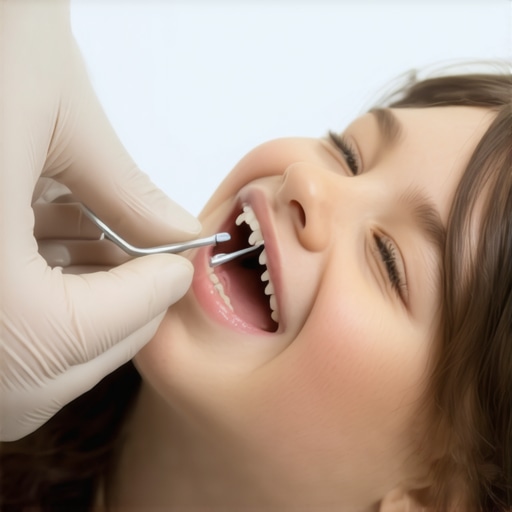 While many believe that choosing cosmetic or family dentistry is straightforward, there’s a wealth of misconceptions that can mislead you. For instance, veneers are often thought to be a permanent fix, but many fail to realize that not all veneers are created equal—porcelain veneers, for example, require different care than composite ones, and replacement timelines vary significantly. Additionally, some think dental implants are purely cosmetic, when in fact, they play a crucial role in restoring jawbone integrity, preventing bone loss, and maintaining facial structure, as detailed in recent studies on implant longevity.
A common trap lies in assuming all dental procedures are alike and suitable for every patient. This “one-size-fits-all” mindset can lead to inadequate results or even damage. For example, opting for crowns over veneers without understanding the differences can result in unnecessary tooth reduction or aesthetic mismatches. It’s essential to consult with an experienced specialist who can tailor treatment plans that consider your unique dental anatomy.
What advanced nuances should you consider when evaluating cosmetic options like veneers or crowns? One critical factor is the translucency and thickness of the materials used, which dramatically affect the natural appearance of restorations. A study published in the Journal of Esthetic and Restorative Dentistry emphasizes that light transmission properties are pivotal in achieving a truly lifelike smile, and not all clinics pay attention to these subtle yet impactful details. Furthermore, aggressive bleaching can weaken enamel over time, making restorations more susceptible to fracture; thus, understanding the long-term effects of whitening treatments is vital.
In terms of dental implants, many assume that the procedure is risk-free and suitable for everyone. However, patient-specific factors like bone density, gum health, and systemic conditions influence the success rate. Recent innovations such as less invasive implant techniques and materials designed for better osseointegration are changing the landscape, but they require a knowledgeable practitioner to implement correctly.
Beware of the misconception that all dental procedures are just quick fixes. The reality is that ongoing maintenance, such as regular checkups and professional cleanings, is essential for preserving results. For instance, improperly maintained veneers can develop discoloration at the margins or become brittle, which underscores the importance of understanding the nuances behind each option. To deepen your knowledge, I recommend exploring detailed guides like [transform your smile with veneers](https://straightsmileortho.com/veneers-transformation-unlocking-your-best-smile-yet) and [cutting-edge dental implant innovations](https://straightsmileortho.com/dental-implants-2025-innovations-that-redefine-comfort-and-durability).
Have you ever fallen into this trap? Let me know in the comments. Remember, being an informed patient means recognizing the subtle differences that can make a significant impact on your dental health and aesthetic results.
Essential Maintenance Techniques for Long-Lasting Results
Maintaining your cosmetic and restorative dental work is crucial to preserving its appearance and functionality over the years. I personally rely on a combination of high-quality tools and disciplined routines to ensure my veneers, implants, and crowns perform optimally. Regular professional checkups are the backbone of any maintenance plan; however, daily habits can significantly extend the lifespan of your dental investments. Scheduling routine cleanings every six months, as recommended by experts, helps prevent plaque buildup that can compromise restorations and natural teeth alike.
The Power of the Right Tools
One tool I swear by is an electric sonic toothbrush with a fine-tipped head. Unlike manual brushes, it provides superior plaque removal, especially along the gumline and around restorations, reducing the risk of discoloration and decay. I opt for brands like Sonicare or Oral-B because they include modes specifically designed for gentle cleaning of crowns and veneers. Additionally, interdental brushes with flexible heads are invaluable for cleaning around dental implants and under bridges, where floss can sometimes be ineffective.
Another essential device is a dentist-approved whitening pen or gel. Regular gentle whitening can help maintain the brightness of porcelain veneers and teeth, counteracting staining from coffee, wine, or smoking. It’s vital, though, to use products recommended by your dental professional to prevent damage. Using the proper tools ensures you’re not only protecting your investment but also preserving the health of your gums and underlying tooth structure.
Embracing Advanced Methods for Longevity
Emerging technologies like laser cavity detection or digital scans have revolutionized routine inspections, enabling early identification of issues before they become noticeable or painful. For example, I utilize a digital intraoral scanner for quick, painless assessments that help track the condition of my restorations over time. These tools allow for precise monitoring of marginal integrity and detect microleakage that might otherwise go unnoticed, as highlighted by recent studies on implant longevity and maintenance.
How do I keep my dental work in top shape long-term?
Consistent maintenance begins with a disciplined regimen: use a soft-bristled electric toothbrush twice daily, complemented by interdental cleaning, and avoid abrasive whitening products that can erode porcelain surfaces. Incorporating professional polishing sessions at your dentist’s office can remove surface stains and smooth out rough spots, which are prone to trapping plaque. Furthermore, adopting a lifestyle that limits staining foods and drinks, coupled with routine checkups, helps ensure your smile stays radiant and healthy for decades. I recommend checking out family dentistry tips for a lifetime of healthy smiles for additional ideas on long-term care.
If you want to take your maintenance routine to the next level, consider trying an ultrasonic cleaning device at home. These tools generate high-frequency vibrations that loosen plaque without damaging restorations, similar to professional ultrasonic scalers used in dental offices. According to a 2023 technical review in the Journal of Dental Technology, ultrasonic cleaning can significantly extend the durability of veneers and implants when used regularly. Remember, the key is consistency—incorporate these advanced tips into your routine, and you’ll safeguard your beautiful smile for years to come.
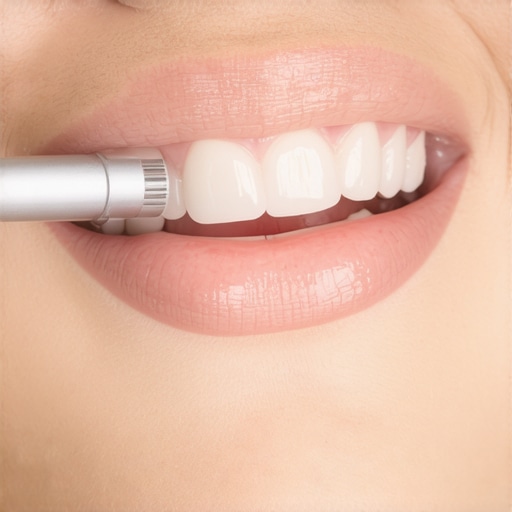
Image description: An advanced ultrasonic dental cleaning device being used on a patient, showcasing modern dental maintenance technology. Alt: Ultrasonic dental cleaner in action. Title: Cutting-edge tools for long-term dental care.
Lessons I Wish I Learned About Veneers and Dental Implants Early On
One of the most profound realizations I had was that even the most beautiful veneers require meticulous care and regular checkups if I wanted them to look perfect years down the line. I once thought that once a veneer was bonded, my involvement was over, but I learned that ongoing maintenance is key to preserving its aesthetics and integrity.
Another eye-opener was understanding the importance of choosing a skilled specialist for dental implants. A friend’s experience with a rushed procedure taught me that expertise and advanced technology make all the difference in how comfortably and durably an implant integrates into my jawbone.
The hardest lesson involved realizing that not all cosmetic solutions are one-size-fits-all. I used to assume that veneers, crowns, or whitening treatments were universally suitable, but personalized assessments have shown me how tailored treatment plans yield the most natural and lasting results.
Tools and Resources That Transformed My Dental Approach
For anyone looking to elevate their dental care, I highly recommend the Veneers Transformation Guide. It’s a comprehensive resource that demystifies the process and helps you understand what to expect from top-tier cosmetic dentistry.
The latest innovations in dental implants software transformed how I view durability and comfort, unveiling options that are hassle-free and long-lasting. I also trust family dentistry tips because they emphasize preventive care—a principle that keeps my family’s smiles healthy for years.
Finally, staying informed through trusted blogs and updates in dental technology keeps me ahead of issues before they become bigger problems. It’s empowering to know that continuous learning can help you maintain a beautiful, functional smile well into the future.
Take Your Next Step Without Fear
Your dental journey is unique, and the decisions you make today can set the tone for many confident smiles ahead. Whether it’s exploring innovative veneers or considering implants, embracing knowledge and proactive care makes all the difference. Your future smile deserves thoughtful attention—so don’t hesitate to act and seek advice tailored perfectly to your needs.