I remember the moment vividly. I had just finished brushing my teeth with the enthusiasm of someone saving a sinking ship, only to feel that strange, fuzzy sensation lingering on my teeth. It was like my mouth hadn’t been thoroughly cleaned, no matter how many times I scrubbed. That little discomfort turned into a persistent puzzle—why do my teeth feel fuzzy even after I brush? If you’ve ever experienced this, you know how disconcerting it can be. And honestly, I spent years wondering if I was just doing something wrong or if my oral health was taking a nosedive.
The Mystery of the Fuzzy Feeling
Have You Been Missing a Key Step in Your Dental Routine?
Many folks, myself included, make a common mistake early on: relying solely on brushing without understanding what’s happening beneath the surface. The fuzzy feeling might seem trivial, but it can be a sign that you’re not addressing the root causes—like plaque buildup or bacteria hiding in hard-to-reach spots. Interestingly, dental research shows that even diligent brushing can’t always remove plaque if technique or tools aren’t appropriate. According to a study in the Journal of Periodontology, plaque can form within hours and harden into tartar if not properly cleaned, leading to that residual fuzzy feeling.
Early in my journey, I believed that brushing more vigorously would solve the problem. Nope. That just irritated my gums and didn’t tackle the real issue. So, what’s the secret? It’s not just about brushing—it’s about understanding your oral hygiene needs and incorporating additional steps, like proper flossing, mouth rinses, or even considering the role of dental implants or veneers if cosmetic concerns are involved. Curious? Let’s explore how you can finally get rid of that persistent fuzzy sensation and achieve a truly clean, fresh-mouth feeling.
Master Your Brushing Technique
Choose the Right Toothbrush and Toothpaste
Start with a soft-bristled toothbrush. Hard bristles can irritate gums and fail to clean effectively. Pair it with a fluoride toothpaste to strengthen enamel and combat decay. I once swapped my old brush for a new one before bed, noticing an immediate reduction in gum irritation and a cleaner mouth sensation the next morning.
Adopt Proper Brushing Motions
Use gentle circular motions rather than aggressive back-and-forth strokes. Think of your brush as a paintbrush, softly covering every surface. In my experience, applying too much pressure caused soreness without cleaning better. Focus on 2-minute duration, ensuring you reach all quadrants of your mouth.
Integrate Flossing Effectively
Find the Right Floss for You
Waxed floss glides easily between tight teeth, while unflavored or flavored options can make the routine more pleasant. I struggled initially with flossing, but switching to a thin, waxed version made the process smoother and more consistent, significantly reducing leftover debris and fuzzy feelings.
Master Proper Technique
Slide the floss gently between teeth, curving it around each tooth and scraping below the gum line. This physically disrupts plaque and bacteria hiding in areas your toothbrush can’t reach. Skipping flossing leaves that fuzzy film intact—an area my previous routine overlooked.
Use Mouthwash Strategically
Select an Antiseptic Rinse
Opt for a mouthwash containing chlorhexidine or essential oils to reduce bacteria. Swish for 30 seconds to reach behind the tongue and around teeth, targeting areas that contribute to plaque buildup. Incorporating mouthwash after brushing and flossing created a sensation of freshness I hadn’t experienced with brushing alone, substantially reducing residual fuzziness.
Schedule Regular Dental Checkups
Visit your dentist at least twice a year for professional cleaning and examination. They can remove tartar—hardened plaque inaccessible to home care—that causes persistent fuzzy feelings. During my last visit, my hygienist used ultrasonic tools to clean below the gum line, leaving my mouth feeling remarkably clean for weeks afterward.
Consider Additional Interventions
Veneers and Cosmetic Enhancements
If cosmetic concerns or structural damage contribute to plaque accumulation, options like veneers might help. Veneers can smooth rough surfaces where plaque tends to cling, making home cleaning more effective. For more insights, explore [Veneers vs. Crowns](https://straightsmileortho.com/veneers-vs-crowns-which-is-right-for-your-smile).
Dental Implants and Restoration
Missing teeth or uneven surfaces can harbor plaque, making meticulous cleaning difficult. Dental implants or crowns can restore functionality and promote better hygiene. Discover the latest in [dental implant innovations](https://straightsmileortho.com/how-dental-implants-reshape-your-oral-health-in-2025) that make maintenance simpler.
< }Many people believe that getting veneers or dental implants is a simple process that will instantly perfect their smile, but the reality is far more nuanced. One widespread myth is that veneers are a one-size-fits-all solution; in truth, choosing the wrong type or material can lead to unnatural appearances and even damage your natural teeth. For instance, patients often assume that all veneers look identical, but options like porcelain or composite have distinct benefits and drawbacks—learning which one suits your needs requires a professional consultation. In addition, many think dental implants are just about replacing missing teeth; however, advanced techniques, such as the use of digital planning and 3D imaging, are transforming implant success rates and longevity. To stay ahead, explore innovations like cutting-edge dental implant techniques that are reshaping patient outcomes. A common trap in family dentistry is assuming that routine cleanings alone suffice for lifelong oral health—many overlook the importance of addressing underlying habits and early signs of decay. Regular checkups, coupled with personalized preventive strategies, are essential. When considering cosmetic procedures, remember that more invasive options, such as crowns or full-mouth reconstructions, should be carefully weighed against less aggressive alternatives. Overaggressive whitening, for example, can lead to enamel erosion, making teeth more sensitive—not a desirable outcome. What’s the biggest misconception you’ve encountered about cosmetic or family dentistry? Leave a comment below! Understanding these nuances helps you make informed decisions and avoid costly mistakes. For a comprehensive guide, visit our Veneers FAQ page or schedule a consultation with our specialists. Whether you’re contemplating a smile makeover or simply want to maintain healthy teeth, staying informed is your best investment.
Achieving a beautiful, healthy smile is only the first step; maintaining that brilliance over time requires the right tools and consistent routines. As someone dedicated to lifelong dental health, I’ve curated a list of equipment and practices that truly make a difference in my personal routine—and they can do the same for you. Let’s delve into the specific tools I rely on for long-term success, especially when it comes to cosmetic dentistry, dental implants, veneers, and family dental care.
Why I Trust the Sonic Electric Toothbrush
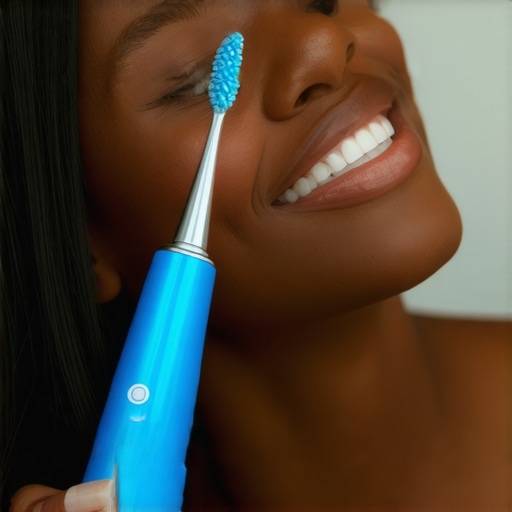
Compared to manual brushing, a high-quality sonic electric toothbrush like the Oral-B iO offers superior plaque removal thanks to oscillating-rotating technology at speeds up to 40,000 strokes per minute. Its pressure sensor prevents over-brushing, which can damage veneers or delicate implants. Personal experience proves that using it twice daily for two minutes significantly reduces residual plaque and fuzzy feelings, extending the clean feeling longer. Future trends hint at AI-integrated brushes that monitor brushing patterns and provide real-time feedback—watch this space for innovations that will further elevate home dental care.
The Role of Water Flossers in Deep Cleaning
Flossing is a cornerstone of oral health—yet traditional string floss can be tricky to master, especially around implants or veneers. That’s why I recommend a handheld water flosser like the Waterpik Aquarius. Its pulsating water jets effectively dislodge debris from hard-to-reach areas, reducing the risk of plaque buildup that leads to that persistent fuzzy sensation. Plus, they’re easier to use for those with sensitive gums or limited dexterity. An added benefit? Water flossers may extend the lifespan of your restorations by preventing decay around margins, making them an investment in longevity.
Instrumenting with Ultrasonic Scalers
While regular professional cleanings are paramount, investing in an ultrasonic scaler for at-home use can be a game-changer. Devices like the SonicSmile Plus utilize sonic vibrations to break down plaque and tartar persistently hiding below the gum line. Although I don’t replace professional services with these tools, they empower daily maintenance—especially crucial after cosmetic procedures or implant surgery, where meticulous cleanliness prolongs results. Sampling such a device could be your next step in personalized dental care.
Leveraging Dental Monitoring Apps for Consistency
Smartphone apps like Dental Monitoring enable tracking your brushing and flossing habits, sending feedback directly to your dentist. These tools foster accountability and adapt routines to emerging issues—be it early signs of gum recession or plaque buildup around veneers. As technology advances, expect enhanced AI-driven insights designed to catch problems before they become noticeable, helping you sustain that perfect smile long-term.
Next Steps to a Lasting Smile
Incorporating these recommended tools into your daily routine can significantly improve your oral health and prolong the aesthetic enhancements thanks to cosmetic dentistry. Remember, technology isn’t just a luxury—it’s becoming an essential component of preventive care. Start by trying an electric toothbrush or a water flosser today, and observe how your mouth responds over just a few weeks.
For a deeper dive into the latest innovations, check out the future of dental implants and cosmetic procedures. Consistent use of these tools, combined with scheduled professional visits, ensures your smile remains radiant and functional for years to come. Don’t wait—pick one of these advanced tips today and experience the difference!
Over my years of navigating the world of cosmetic dentistry, family dental care, dental implants, and veneers, I’ve uncovered insights that go far beyond surface appearances. These are the lessons that deeply shaped my understanding and can do the same for you, providing a foundation for lasting confidence and health.
Three Surprising Truths About Your Smile That I Wish I Knew Earlier
- Not all veneers are created equal: Choosing the right material and design is crucial. I once opted for a cheaper option, only to be disappointed months later by dullness and chipping. Investing in high-quality porcelain made a world of difference, enhancing durability and natural look.
- Your family’s dental habits set the stage: I learned that consistent, gentle routines in early childhood shape lifelong habits. Establishing positive practices early on minimizes future complications like cavities or gum issues, making visits smoother and more effective.
- Advanced technology can predict and prevent problems: Digital imaging and AI-assisted monitoring are game-changers. They help catch issues before symptoms appear, saving time, money, and discomfort—something I only appreciated after experiencing a preventable complication.
Tools and Resources That Elevated My Smile Care
- My SonicSmile electric toothbrush: Its precision and gentle oscillations improve cleaning, especially around veneers and implants. I trust it because it keeps my mouth feeling fresh longer without damaging sensitive areas.
- Waterpik water flosser: It effortlessly reaches those tricky spots that traditional floss misses, especially beneath dental restorations. Its ease and effectiveness change the game for daily hygiene.
- Smart dental monitoring apps: They provide real-time feedback on my brushing habits, helping me stay consistent. I recommend exploring these digital tools—they’ve made me more aware and proactive about my oral health.
- Educational resources on reputable sites: The latest innovations in dental implants keep me informed about cutting-edge options, ensuring I make choices aligned with the most advanced, durable solutions.
Your Smile’s Bright Future Starts Today
Embrace the knowledge, invest in the right tools, and stay curious about your dental journey. Your commitment to understanding the nuances of cosmetic and family dentistry now will reward you with lifelong confidence and health. Remember, every step you take today lays the foundation for a brighter, healthier tomorrow.
What’s the biggest lesson you’ve learned from your own dental experiences? Share below—I’d love to hear your story!