You know that moment when you take a sip of ice water and suddenly your dental implant feels unexpectedly cold? It’s a little jarring, and honestly, it used to perplex me. I remember sitting there in my kitchen, thinking, “Why does one part of my smile react differently than the rest?” That lightbulb moment made me realize I wasn’t alone—many people with dental implants experience this unusual sensation, and I’ve been on a journey to understand why. Today, I want to share what I’ve learned, so you don’t have to feel confused or worried when cold drinks give your implant that peculiar chill.
Getting to the Root of the Cold Sensation in Dental Implants
The first thing I want to clarify is that feeling a cold sensation in your dental implant isn’t necessarily a sign of trouble. Often, it’s related to the way your implant interacts with the nerves and tissues in your mouth. Unlike natural teeth, which are connected to nerves that can sense temperature changes, dental implants are anchored directly into your jawbone. This integration, while very stable, can sometimes make your implant react differently to temperature stimuli. When you sip on icy water, the cold can transfer through your natural teeth and surrounding tissues, creating a sensation that feels as if it’s coming from the implant itself.
Interestingly, some experts suggest that the sensation could also be linked to the materials used in your implant or the way your tissues respond to cold stimuli. As we age or after dental procedures, nerves can become more sensitive or, conversely, less responsive, which affects how we perceive temperature. If your implant feels particularly cold or uncomfortable when drinking icy beverages, it might be a sign of a nerve response that deserves a closer look.
From my own experience and countless discussions in dental forums, I’ve learned that this cold sensation is quite common and typically harmless. However, it’s important to stay vigilant. If you notice persistent discomfort, pain, or if the cold feeling is accompanied by other symptoms like swelling or sensitivity to heat, it’s always a good idea to consult your dentist. Trust me, I’ve made the mistake of ignoring early warning signs early in my journey, and that’s something I want to help others avoid.
For a deeper understanding of how dental implants are revolutionizing comfort and durability, you might find it helpful to check out the latest innovations in [dental implant technology](https://straightsmileortho.com/dental-implants-2025-innovations-that-redefine-comfort-and-durability). Knowing what to expect from modern procedures can set your mind at ease.
So, have you experienced that icy chill in your implant before? If so, I’d love to hear about your experience. Now, let’s explore some practical steps to manage and understand this sensation better, ensuring your comfort and confidence in your smile.
Identify Your Cold Trigger
Start by observing when the cold sensation occurs. Is it after consuming icy drinks or touching specific areas with your tongue? Recognizing patterns helps you pinpoint the cause. For example, I noticed that drinking cold water directly caused a sharper chill, so I began paying closer attention to how I sip beverages.
Adjust Your Drinking Habits
Use a straw to minimize contact between cold liquids and sensitive areas surrounding your implant. Holding the straw slightly away from the implant area reduces the cold transfer. Once I switched to sipping through a bent straw, a noticeable decrease in discomfort was evident—less startling chills, more comfort.
Opt for Temperature-Regulated Drinks
Choose beverages at room temperature or slightly warm to eliminate the shock of cold. When I replaced my icy water with slightly cooler alternatives, I continued keeping hydrated without the unpleasant sensation.
Enhance Oral Hygiene Practices
Consistent cleaning reduces sensitivity caused by plaque buildup around implants. Use a soft-bristled toothbrush and gentle circular motions. I incorporated daily flossing with special interdental brushes, which reduced irritation and lessened extreme temperature responses.
Avoid Abrasive or Harsh Products
Stick to non-abrasive toothpaste formulated for sensitive teeth. Using harsh whitening agents or abrasive pastes increased my discomfort. I switched to a gentle toothpaste, which helped my tissues become less reactive to cold stimuli.
Consult Your Dentist About Nerve Sensitivity
If the cold sensation persists or worsens, schedule an appointment. Your dentist can assess nerve responses and determine if there’s underlying nerve involvement or if your implant materials are contributing. I recommended myself for a professional check-up after weeks of experiencing discomfort, which led to targeted advice and reassurance. Learn more about consulting dental professionals.
Integrate Comfort Strategies Into Daily Routine
Once you understand your triggers, incorporate simple habits like rinsing with lukewarm water after eating or drinking cold items, and avoiding extreme temperature foods. These steps, which I practiced daily, made my implant experience more comfortable and less surprising. Remember, managing cold sensitivity involves consistent care and professional guidance to maintain implant health and comfort.
While many believe that dental implants, veneers, and cosmetic dentistry are straightforward solutions for perfect smiles, the reality is far more nuanced. A common myth is that once a procedure is done, it’s foolproof, and no further care is needed. But in my experience, ongoing maintenance and understanding the subtle complexities can make or break long-term satisfaction. For instance, some folks think that veneers are immune to staining or chipping; however, high-quality veneers require diligent oral hygiene and occasional professional touch-ups to maintain their appearance.
One trap to avoid is assuming that all dental materials age the same way. Many overlook the fact that newer materials, such as zirconia or advanced porcelain, outperform traditional options in durability and aesthetics. According to a 2022 study published in the Journal of Prosthetic Dentistry, innovations in dental materials have significantly increased the lifespan of restorations, but only when properly selected and placed by an experienced technician. Relying solely on age-old practices can lead to premature failures or costly replacements.
For those considering family dentistry, a common misconception is that regular check-ups are unnecessary if everything appears fine. Yet, many dental issues—like early decay or gum disease—are asymptomatic in initial stages. Regular visits allow your dentist to detect and address issues before they escalate, saving you time, discomfort, and money down the line. Learn more about effective family dentistry strategies.
How can advanced techniques improve your cosmetic results?
Recent technological advancements, such as digital smile design and laser-assisted procedures, have revolutionized aesthetic dentistry. These tools allow for more precise planning and minimally invasive treatments, resulting in natural-looking, long-lasting results. For example, laser technology enables tissue contouring with less discomfort and faster healing. If you’re seeking a truly personalized smile makeover, exploring these innovations can be a game-changer. Stay updated with the latest in cosmetic dentistry innovations.
Remember, not all providers are equipped or experienced in these advanced techniques. Do your homework, ask about their training, and consider consultations with specialists to ensure you’re investing in quality care. Have you ever fallen into this trap? Let me know in the comments.
Maintaining your dental implants, veneers, or other cosmetic enhancements isn’t just about good oral hygiene—it’s about using the right tools and routines that ensure long-term success. Over time, even the most durable restorations need vigilant care and appropriate equipment to stay in top shape.
Prioritize Precision with Professional-Grade Instruments
For my daily maintenance routine, I swear by electric interdental brushes like the **PRO-SYS Interdental Brush System**. Unlike standard floss or manual picks, these small, motorized brushes effectively remove plaque from hard-to-reach areas around implants and veneers without damaging delicate restorations. They mimic the professional cleaning experience, ensuring that I stay on top of my oral health between dentist visits.
Invest in High-Quality Replacements and Accessories
Using subpar toothbrushes or abrasive whitening pastes can accelerate wear and irritate soft tissues. I only trust toothbrushes with ultra-soft bristles, and I swap them out every three months to guarantee optimal cleaning and minimize trauma. Additionally, my choice of gentle, sensitive toothpaste, such as **Crest Sensitivity + Whitening**, helps prevent nerve irritation while maintaining brightness. Consistent quality supplies make a noticeable difference over months and years.
Leverage Innovative Technologies for Monitoring
Digital oral scanners like the **Air Techniques i-Star** allow for quick, detailed assessments of your dental work without any discomfort. These devices help identify early signs of wear, misalignment, or marginal breakdown, so you can address small issues before they escalate. Integrating such technology into your routine, either through your dentist or with a portable device, offers proactive care that extends the lifespan of your investments.
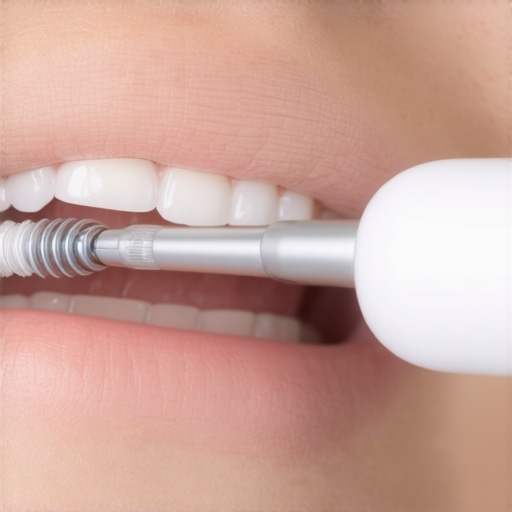
Imagine a sleek, ergonomic dental camera designed for home use, capturing high-resolution images of your smile to monitor changes over time. Such tools are becoming more accessible and can help you keep an eye on your restorations’ health between professional visits.
Adopt Long-Term Results with Consistent Scheduling
Regular check-ups are vital. A study published in the *Journal of Prosthetic Dentistry* emphasizes that patients who follow a strict maintenance schedule with their dentist experience significantly fewer complications and replacements. Schedule biannual visits for professional cleaning and evaluation, especially if you have veneers or implants. It’s an investment that pays off by preserving your smile’s beauty and functionality.
Where Do Trends Heading in Dental Maintenance
Advancements like AI-driven diagnostic tools and personalized 3D imaging are set to revolutionize how we care for restorative work. Future innovations will enable even earlier detection of issues, tailored cleaning protocols, and smarter materials that communicate with your smartphone to alert you about upcoming maintenance needs. Staying abreast of these developments will empower you to keep your smile in pristine condition for decades.
If you want to optimize your ongoing care, I recommend trying out a high-tech interdental brush system and pairing it with regular digital scans. Incorporating these strategies will help you maintain your dental investments and enjoy a confident smile for years to come. Want to learn more about innovative methods? Check out the latest in dental implant technology.
Lessons I Wish I Had Discovered Sooner About Implants
One of the most surprising lessons I learned was that feeling a cold sensation in my dental implant isn’t necessarily a sign that something’s wrong. It turned out to be related to how my nerve endings and tissue responded to temperature changes—an insight I wish I had known early on to avoid unnecessary worry. Additionally, I realized that small habits, like sipping through a straw or rinsing with room-temperature water, could make a significant difference in my comfort. Finally, I understood that ongoing professional guidance is invaluable; regular check-ups can catch subtle issues before they become serious, saving me from future complications and discomfort.
Tools That Changed My Approach to Smile Care
I found that using electric interdental brushes like the PRO-SYS Interdental Brush System helped me maintain my implants more effectively, reaching areas traditional floss couldn’t comfortably access. I also started incorporating digital scans from my dentist, which provided detailed insights into my oral health and allowed for early intervention. High-quality, gentle toothpastes specifically designed for sensitive mouths became a game-changer, reducing irritation and improving overall tissue health. These tools and resources helped me stay proactive, ensuring my smile remained both beautiful and comfortable for the long haul.
Your Next Step Toward Confident Smiles
Embrace the journey of caring for your dental enhancements with curiosity and patience. Remember, managing cold sensitivities and maintaining your smile’s health is an ongoing process—one that pays off in confidence and comfort. Don’t hesitate to explore new technologies and habits that suit your unique needs, and always stay connected with trusted professionals who can guide you through evolving care practices. Your smile is a reflection of your dedication, so nurture it with the best tools and information available. Are you ready to take the next step toward a healthier, happier smile? Let me know below—I’d love to hear about your experiences and questions.