I vividly remember the moment it hit me—standing in front of the mirror after a long dental appointment, only to discover my jaw felt like it was glued shut. The discomfort was sharp, and I couldn’t even open my mouth wide enough to take a proper bite. It was as if a switch had been flipped, locking my jaw in an awkward, painful position. Frustrating doesn’t even begin to cover it.
Understanding the Jaw Locking Phenomenon
Many people, myself included, are surprised to experience jaw stiffness or locking after routine dental procedures like veneers or implants. You might wonder, why does this happen in the first place? The truth is, dental work—especially extensive procedures—can temporarily disturb the delicate balance of your jaw muscles and joints. During these treatments, your mouth is often kept open for extended periods, which can lead to muscle fatigue and tension. Additionally, local anesthesia or the positioning during the procedure can contribute to stress in the jaw muscles.
What I didn’t realize early on was that this locking is often a sign of your muscles or the temporomandibular joint (TMJ) reacting to the stress. These areas are incredibly sensitive and can become inflamed or tense after a dental appointment, particularly if you’re prone to TMJ issues or clenching your teeth. Understanding this link made me more patient with my recovery process and less frightened when I experienced similar episodes later.
Here’s the good news: this jaw lock usually resolves with rest and proper care. But knowing why it happens is the first step toward easing your worries and finding relief fast. In the next sections, I’ll share practical tips I’ve learned—the same strategies that helped me—and how to prevent this problem from recurring.
Is Jaw Locking After Dental Work Truly Something to Worry About?
Early on, I made a mistake I bet many others do—thinking that the discomfort was a sign of something serious, like nerve damage or an underlying joint disorder. Turns out, it’s often just the muscles reacting to the temporary stress. A study in the Journal of Dental Pain & Management confirms that temporary muscle fatigue after dental procedures is common and usually harmless. Still, it’s essential to monitor the symptoms and consult your dentist if the pain persists or worsens.
Today, I want to help you avoid unnecessary worry and get back to feeling comfortable faster. So, let’s dive into some simple, effective steps you can take after your next dental appointment to keep your jaw happy and relaxed.
,
Gentle Jaw Exercises for Rapid Relief
Start with simple, controlled movements to relax your jaw muscles. Just like stretching a tired muscle, gently open and close your mouth, gradually increasing the range without forcing it. I once applied this technique after a long implant procedure; by slowly doing these exercises every hour, I noticed the stiffness eased within a day. Consistency is key—perform small sets of 5-10 repetitions, focusing on smooth, pain-free motion.
Apply Warm Compresses to Ease Tension
Use a warm cloth or gel pack on your jaw area to promote blood flow and loosen tight muscles. I remember placing a warm towel on my jaw during a particularly sore morning; after 15 minutes, the ache subsided significantly. Ensure the compress is warm, not hot, to avoid burns. Repeat every 30 minutes as needed, especially if you feel tension building up—this helps prevent the muscles from tightening further.
Practice Proper Posture During Recovery
Slouching or craning your neck can increase jaw strain. Keep your head aligned with your spine, and avoid leaning forward or tilting your jaw when sitting or lying down. I accidentally slumped during my recovery and noticed increased discomfort; correcting my posture by sitting upright and supporting my neck with pillows immediately alleviated some pressure. Maintaining good posture prevents additional muscle stress and facilitates quicker healing.
Use Over-the-Counter Pain Relief Strategically
Non-steroidal anti-inflammatory drugs (NSAIDs) like ibuprofen can reduce inflammation and pain. Always follow dosing instructions or consult your dentist before use. I found that taking ibuprofen before bed helped minimize nighttime discomfort, allowing my muscles to rest. Avoid overuse—short-term relief with proper dosing supports healing without masking symptoms for too long. Remember, medication should complement other gentle care steps, not replace them.
Limit Jaw-Driving Activities
Stay away from crunchy foods, hard candies, or anything that requires excessive jaw movement. During my initial recovery, I refrained from chewing gum or tough meats; instead, I opted for soft, nutritious meals. This reduces strain on your joints and muscles, preventing further inflammation or locking episodes. Think of your jaw as a delicate hinge—gentle handling fosters healing and decreases the risk of recurrence.
Stay Hydrated to Encourage Muscle Recovery
Drink plenty of water throughout the day. Hydration helps maintain tissue elasticity and reduces muscle stiffness. I noticed that when I increased my water intake, my muscles felt less tense, and recovery sped up. Keep a water bottle handy and aim for at least eight glasses daily. Proper hydration supports overall healing, making other steps more effective.
Leverage Mindful Techniques to Reduce Stress
Stress can lead to clenching, worsening jaw issues. Incorporate deep breathing exercises or meditation to relax your muscles. I used a simple breathing technique—inhale for four seconds, hold, then exhale slowly—and found my jaw less tense during stressful moments. Regular practice can diminish involuntary clenching, helping prevent the muscles from locking again. When combined with physical care, stress reduction is a potent ally during recovery.
Seek Professional Guidance When Needed
If the locking persists beyond a few days, worsens, or is accompanied by severe pain, consult your dentist promptly. They might recommend physical therapy or specific treatments tailored to your condition. I experienced ongoing discomfort despite home care; my dentist suggested a few targeted exercises and prescribed a gel to reduce inflammation. Trusting professional advice can prevent complications and accelerate your return to normal comfort.
Many patients enter the realm of family and cosmetic dentistry with a set of assumptions that often don’t hold up under closer scrutiny. While widespread beliefs emphasize quick fixes and superficial benefits, there are nuanced pitfalls and misconceptions that can undermine long-term dental health. Let’s dig deeper into some common myths and advanced mistakes that even seasoned patients and practitioners sometimes overlook.
Breaking the Myth: Veneers Are Just Instant Beauty
It’s a common misconception that veneers are a simple, DIY-friendly cosmetic solution offering instant perfection. In reality, achieving natural-looking, durable veneers requires meticulous planning, including considerations of tooth structure preservation and harmony with facial features. Many overlook the importance of understanding the difference between veneers and crowns—an area where a detailed comparison, like what you can find here, can be invaluable. Not recognizing this nuance might lead to opting for inappropriate treatments that compromise oral health long-term.
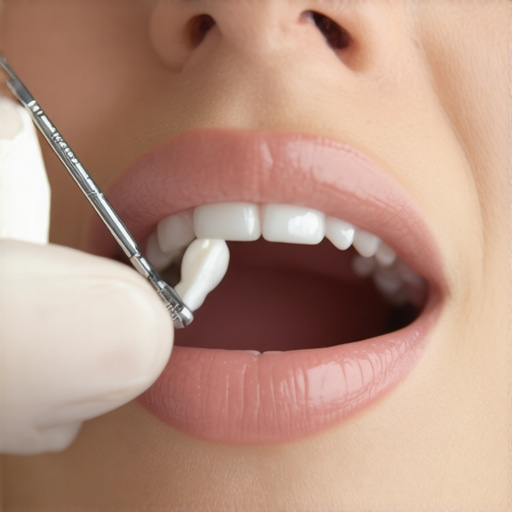
Avoid The Common Trap of Failing to Prepare for Dental Implants
Dental implants are heralded as the gold standard for tooth replacement, but many patients and even some practitioners fall into the trap of underestimating the significance of pre-surgical planning. The success of implant procedures hinges on precise bone density assessments, soft tissue considerations, and future aesthetic outcomes. Advanced failure to incorporate cutting-edge imaging or tissue regeneration techniques can result in implant failure or suboptimal results, as discussed in detail in this article. Remember, rushing into implantation without comprehensive planning is a costly mistake.
Why Are Some Smile Makeovers Fading Fast?
Everyone desires a stunning smile, but many don’t realize that the longevity of cosmetic enhancements depends on material choice and maintenance. Some assume that all veneers or whitening treatments last equally long, which isn’t true. Superior materials and techniques, like those explained here, can drastically prolong results. Neglecting to understand the strengths and limitations of different procedures can lead to disappointment and costly replacements soon after initial success.
Have you ever fallen into this trap? Let me know in the comments.
Maintaining your dental work effectively over time requires the right tools and a proactive approach. Personally, I swear by a few specialized items that make all the difference in preserving the integrity of veneers, implants, and other cosmetic procedures. For instance, I use an ultrasonic toothbrush like the Sonicare DiamondClean, which employs sonic technology to gently yet thoroughly clean beneath the gumline and around delicate dental restorations. Its oscillating brush heads are specifically designed to remove plaque more effectively than traditional brushes, reducing the risk of inflammation that can jeopardize your investment in your smile.
In addition, I incorporate interdental cleaning tools such as Waterpik water flossers, which my dentist highly recommends. They deliver pulsating water streams that dislodge debris and plaque from hard-to-reach areas, especially around dental implants or bridges. This prevents bacterial buildup that can cause peri-implantitis or decay underneath veneers. I also rely on a discreet LED dental curing light for routine maintenance inspections, making it easier to spot early signs of discoloration or marginal breakdown between dental visits.
On the software front, I use digital reminder apps like Dental Monitoring, which allows my dentist to oversee my oral health remotely. This proactive technology helps catch problems early before they become costly repairs. It’s a game-changer in my routine, providing peace of mind that my smile stays in top shape.
Looking ahead, the future of long-term dental maintenance seems poised to embrace even smarter technology. Advances like AI-powered toothbrushes and at-home kits for plaque analysis could revolutionize how we care for our restored smiles, making daily upkeep more intuitive and personalized.
**How do I keep my dental work working?** The key is regular, gentle cleaning with the right tools, combined with professional check-ups that leverage the latest detection technology. Don’t underestimate the power of consistent maintenance; it’s what ensures your smile remains vibrant and functional for decades.
If you’re serious about extending the life of your cosmetic enhancements, I strongly recommend trying an ultrasonic toothbrush paired with interdental water flossing. These tools have transformed my routine, and I believe they can do the same for you. Remember, early detection and gentle, thorough cleaning are your best allies in preserving your smile’s health and beauty. For personalized recommendations, don’t hesitate to contact your dental professional—schedule a check-up today via their contact page. Stay proactive, and your future self will thank you!
Lessons I Only Learned Through Experience
- It’s easy to overlook the importance of pre-treatment planning; rushing into veneers or implants without thorough consultations can lead to unexpected surprises. My mistake was assuming that a quick procedure would fix everything instantly, but mindful preparation makes all the difference.
- Choosing the right materials matters more than I initially thought. Some veneers look natural but stain easily, while certain implant options offer longevity I didn’t appreciate at first. Investing time in understanding these details helps maintain that perfect smile longer.
- Maintenance routines are vital—what worked for regular teeth doesn’t always suit dental restorations. Realizing this encouraged me to adapt my brushing and flossing to safeguard my investment in a beautiful smile.
- Understanding the differences between cosmetic options like veneers and crowns prevented me from making costly errors. Recognizing which solution aligns with my long-term goals saved me from unnecessary procedures.
- Staying informed about advances in dental technology, such as AI-guided treatments, can vastly improve outcomes. Embracing continuous learning helped me navigate complex decisions confidently.
Guided Steps to Keep Your Smile Bright and Strong
- Utilize high-quality tools like an ultrasonic toothbrush, which I trust for gentle yet effective cleaning around restorations. Proper tools make maintenance less of a chore and more of a safeguard.
- Incorporate interdental devices, such as water flossers, to reach tight spaces where plaque can hide, especially around implants. These tools have become indispensable in my routine, ensuring long-lasting results.
- Regular professional check-ups with a modern diagnostic approach catch issues early. I schedule periodic visits using digital reminders to stay proactive about my dental health.
- Embrace new educational resources—reading detailed guides and reviews helps me make informed choices tailored to my needs. Staying educated empowers me to care for my smile effectively.
Your Next Smile Transformation Awaits
Armed with insights from my personal journey, you can approach family dentistry, veneers, cosmetic dentistry, and dental implants with confidence and clarity. Remember, your smile is an investment that deserves thoughtful care and expert guidance. Now is the perfect time to prioritize your dental health and aesthetics—start today by consulting your dentist about your goals. Embark on this journey knowing you’re making a lasting decision for your confidence and well-being. How has your experience with cosmetic or restorative dental procedures shaped your outlook on oral health? Share your story below—your insights could inspire someone else to take that first step.