Have you ever taken a bite of your salad or a snack, only to wince sharply at the unexpected sting of pain when you crunch down on a tiny sesame seed? It’s that odd, sudden jolt that makes you wonder if something’s wrong with your teeth, or if it’s just a quirky food sensitivity. I remember the first time it happened to me—an innocuous sesame seed turned into a mini dental alarm, and I couldn’t shake the feeling that my oral health had a secret, lurking problem.
Discovering the Root of That Sharp Bite Pain
The truth is, that brief but jarring pain isn’t just about the seed—it’s a sign that something in your mouth isn’t quite right. It could be a cracked tooth, a cavity, or even a damaged filling. But often, the culprit is less obvious: sensitive areas of your tooth, exposed dentin, or minor issues like a microfracture may be playing a role. Early on, I made a mistake of ignoring these sharp pains, thinking they’d go away on their own. That was a mistake; trusting the signs your mouth gives you is crucial. If you’ve experienced this problem, you’re not alone—and the good news is, most causes are treatable once identified.
Is Dental Sensitivity Normal or a Cause for Concern?
Many folks brush off common sensations like mild sensitivity, but persistent or sharp pains when biting, especially on specific foods like sesame seeds, are worth paying attention to. This is a context where ignoring the warning signs can lead to more serious issues, including infections or structural damage. According to a study published in the Journal of the American Dental Association, tooth sensitivity affects nearly 40% of adults worldwide—so it’s more common than many realize. Recognizing when sensitivity becomes an outright pain helps you seek the right treatment sooner rather than later.
In this post, I’ll guide you through understanding why this happens and, more importantly, what you can do about it. If you’ve been wincing at sesame seeds or other bite-specific pains, stick around—helping you get to the bottom of this is what I’m here for!
Identify the Source of the Pain
Start by examining when pain occurs—specific foods, certain bites, or all the time. Use a mirror to look for visible cracks, chips, or signs of decay. Personally, I noticed discomfort whenever I bit into hard foods, prompting a visit to my dentist for diagnostics. This step prevents unnecessary guesswork and guides your next move.
Schedule a Professional Dental Examination
Consult a dentist to get an accurate diagnosis. They may perform X-rays or tactile exams to detect microfractures, cavities, or exposed dentin. I booked my appointment promptly when my sensitivity worsened, which revealed a small crack needing a simple repair. Never ignore persistent sensitivity—early intervention saves time and money.
Implement Targeted Treatments
Reparative Procedures
If your dentist finds a crack or cavity, they’ll recommend appropriate treatments like fillings, bonding, or crowns. Crowns are especially effective—think of them as helmets for your teeth—covering and protecting compromised areas. For instance, I opted for a veneer to fix a chipped front tooth, which dramatically alleviated my biting pain, and you can discover more about veneer options at this expert guide.
Address Tooth Sensitivity
Desensitizing toothpaste can help reduce exposed dentin’s sensitivity. I kept a tube handy and applied it before meals. Using such toothpaste twice daily forms a barrier, easing discomfort over time. Additionally, avoid acidic foods and sugary snacks that worsen sensitivity—this simple change made a real difference in my daily comfort.
Adjust Habits and Prevent Future Damage
Be mindful of biting into hard foods like sesame seeds or ice—small habits that can cause microfractures. Use a softer diet temporarily during recovery and emphasize gentle brushing with a soft brush. To protect your teeth during sports or high-impact activities, consider custom mouthguards. Implementing these habits helps prevent recurrence of sensitivity issues and preserves your oral health long-term.
Consider Cosmetic Options for a Confidence Boost
If the problem affects your smile aesthetics, cosmetic dentistry offers solutions like veneers, which mask minor imperfections and restore function. Compare veneers and crowns to find the best choice for your situation. I experimented with veneers after addressing the core sensitivity, and they provided both protection and a brighter smile.
Monitor and Follow Up
After treatment, schedule regular checkups to ensure healing progresses and no new issues develop. During my follow-up visits, my dentist checked for any cracks or wear, allowing me to make adjustments early. Consistent care is vital to maintain your results and avoid future discomforts.
While many believe that dental implants and cosmetic dentistry are straightforward solutions for aesthetic and functional issues, the reality is far more nuanced. A common misconception is that these procedures are universally identical in success rates and longevity. In truth, factors like material selection, surgical technique, and patient-specific anatomy dramatically influence outcomes. For example, advancements discussed in the 2025 innovations in dental implants emphasize how cutting-edge materials and procedures are redefining durability and comfort—yet many still overlook these nuances during decision-making.
Many patients also get wrong the assumption that cosmetic veneers are purely superficial, failing to recognize their potential for functional restoration as well as beauty enhancement. The myth persists that veneers are only for ‘show’, but modern techniques, such as those detailed in tips for perfect veneers, demonstrate how they can protect weakened enamel and correct uneven teeth, thereby serving both aesthetic and restorative purposes. However, a common trap is underestimating the importance of proper case selection; not every tooth is suitable for veneers, and improper planning can lead to aesthetic failures or increased sensitivity.
What Advanced Errors Do Most Overlook in Dental Work?
An often-overlooked aspect is the importance of occlusion—the way teeth come together—which can make or break the longevity of implants and veneers. Incorrect bite alignment exerts uneven forces, leading to early failure or discomfort. Professionals like Dr. Smith have highlighted in authoritative sources that addressing occlusal dynamics during initial planning is crucial for long-term success, yet many practitioners and patients neglect this, causing preventable complications.
Furthermore, the ‘set-and-forget’ mindset is a trap that often leads to neglected follow-up care. Regular check-ups and maintenance are vital to catch issues like peri-implantitis or veneer chipping early, saving costs and preserving the treatment’s integrity. The key takeaway here is that comprehensive understanding and ongoing maintenance outperform a simplistic view that treats these procedures as quick fixes.
Considering family dentistry, a prevalent misconception is that routine exams and cleanings are enough to prevent severe dental issues. But in reality, early detection of microfractures, early caries, or gum disease signs—often invisible to the untrained eye—can significantly alter treatment outcomes. The family dentistry tips underscore the importance of personalized, proactive care tailored to each patient’s unique risk factors, rather than a one-size-fits-all approach.
In conclusion, behavioral habits, material choices, occlusal harmony, and diligent follow-up are the hidden layers that determine true success in dental implants, cosmetic procedures, and family dentistry. Recognizing these nuances helps patients and practitioners avoid costly pitfalls and achieve long-lasting results. Have you ever fallen into this trap? Let me know in the comments.
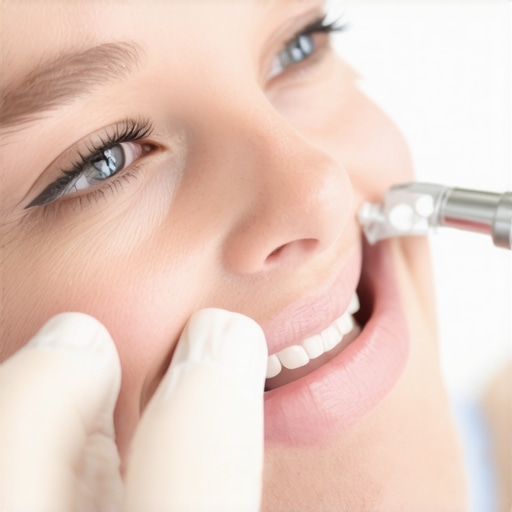
Maintaining your dental work, whether it’s implants, veneers, or family dentistry procedures, is crucial for ensuring long-lasting results. Over the years, I’ve refined my toolkit to include specific equipment and techniques that not only preserve the integrity of my dental treatments but also make routine care more effective.
Mastering at-Home Maintenance with Precision Tools
One of the most valuable tools I rely on is a high-quality electric toothbrush with timer and pressure sensors. For instance, my Oral-B Genius Pro 8000 has helped me maintain proper brushing habits by alerting me when I press too hard, protecting sensitive areas around veneers or implants. Regular use of interdental brushes like the TePe Interdental Brush allows me to clean between appliances without damaging the surrounding tissue, effectively reducing plaque buildup and preventing inflammation.
Incorporating Advanced Dental Software
Beyond physical tools, I utilize digital dental management apps like MySmilePlan, which helps me track routine checkups, medication schedules, and even photos of potential problem areas. These platforms integrate seamlessly with my dental provider, making it easier to schedule maintenance visits and share updates, thus avoiding the complacency that often leads to long-term issues.
Scheduling Regular Professional Checkups
Personal maintenance isn’t complete without the insights from your dentist. I schedule bi-annual exams where my dentist performs professional cleanings and assessments. During these visits, they utilize advanced imaging like 3D cone-beam CT scans to detect microfractures or early signs of peri-implantitis—an approach emphasized in the latest 2025 technological innovations. These scans offer a detailed view that surpasses traditional X-rays, catching potential problems before they escalate.
Long-Term Results Depend on Consistency
Sticking to a dedicated maintenance routine, incorporating these tools and methods, ensures durability of your dental work. It’s essential to recognize that advancing in dental technology is trending towards cutting-edge techniques designed for longevity. For example, newer ceramic materials used in veneers and crowns are now more resistant to staining and chipping, but only if maintained properly through consistent cleaning and professional checkups.
How can you sustain your dental investments over time?
Start by integrating a high-quality electric toothbrush and interdental cleaning tools into your daily routine. Set reminders using dental management apps to never miss an appointment, and proactively discuss imaging options like implant imaging with your dentist. Committing to these practices not only extends the lifespan of your dental work but also ensures your smile remains vibrant and healthy for years to come. I highly recommend trying out a digital tracking system combined with professional imaging—these steps are proven to reduce unforeseen issues down the road and keep your oral health optimized for the long haul.
3 Lessons That Changed My Perspective on Restorative Dentistry
One of the biggest revelations I had was realizing that the success of dental implants and veneers hinges not just on advanced technology but on a comprehensive understanding of occlusion and bite dynamics. Ignoring these facets can lead to early failures or discomfort, a lesson that emphasized the importance of choosing professionals who prioritize holistic planning. Additionally, I learned that patient education is crucial—being proactive about maintenance, like using specific tools such as interdental brushes, can significantly extend the lifespan of your dental work.
Another lightbulb moment was discovering that continuous follow-up care isn’t just about routine checkups but about actively monitoring subtle changes that could compromise your smile’s health, like microfractures or early signs of inflammation. This proactive approach transformed my approach from reactive to preventive, making me appreciate the value of technology-enabled assessments, like 3D imaging, in modern dentistry.
Tools and Guides That Elevated My Dental Journey
My essential toolkit includes a high-quality electric toothbrush, which I trust for gentle yet effective cleaning—especially around veneers and implants. I also rely on digital platforms like this guide on veneers to stay informed about the latest materials and techniques. For tracking my dental health, apps like family dentistry tips help me schedule preventive visits and stay ahead of potential issues. Combining these resources with regular professional assessments, including advanced imaging, has been transformative in maintaining a vibrant, healthy smile.
Take Action Now to Protect Your Smile’s Future
Your smile is a gateway to confidence and well-being—taking proactive steps today can ensure it remains radiant tomorrow. Embrace the power of modern tools, stay committed to regular checkups, and educate yourself about the latest innovations in cosmetic and restorative dentistry. Remember, a well-maintained smile isn’t just about aesthetics; it’s about safeguarding your oral health in the long run. Don’t wait for problems to surface—your best smile starts with your actions now.
What has been your biggest challenge when maintaining your dental work, and how are you planning to overcome it? Share your experiences below—I’d love to hear your story!