I’ll never forget the moment I looked in the mirror and noticed my gums had started to pull away from my teeth—something I thought only happened to older folks or those who neglected their oral care. It was a lightbulb moment that made me reevaluate everything I was doing to my mouth, especially my trusty electric toothbrush. I used it daily, confident that I was doing the best for my smile. But why was I seeing worsening gum recession despite my diligent brushing?
Why Your Electric Toothbrush Might Be Hurting Your Gums
As someone deeply invested in my oral health, I was shocked to discover that my habit of powerful, electric brushing could actually be part of the problem. Many people assume that brushing harder or more vigorously equals cleaner teeth, but that’s a misconception. Over-brushing or using a high-intensity electric toothbrush without proper technique can erode gum tissue, especially if you’re dealing with receding gums. This realization prompted me to dig deeper into how an everyday tool like an electric toothbrush can inadvertently cause damage, and what I can do to protect my gums while still maintaining a healthy smile.
Are All Electric Toothbrushes Created Equal?
Early on, I thought all electric brushes were the same—just a matter of brand preference. Turns out, not all are suitable for sensitive or recession-prone gums. Some models deliver powerful pulses that, if used incorrectly, can harm delicate gum tissue. It’s essential to choose the right brush and use it correctly. For instance, brushes with softer bristles and adjustable settings are generally gentler and better for those with gum issues, as highlighted by dental experts (source: dentists’ tips for gentle cleaning).
My own mistake was using a high-speed, aggressive setting without realizing that less is often more when it comes to gum health. I thought I was cleaning better, but I was actually harming my tissues little by little. That experience was a wake-up call, reminding me that even the most advanced tool needs to be used thoughtfully and with the right technique.
So, if you’re struggling with sensitive gums or noticing them receding, the first step is examining your brushing habits and tool choice. But don’t worry—there’s plenty more we can do. In the next sections, I’ll share practical, easy-to-follow tips on how to adjust your brushing routine to keep your gums healthy and prevent further recession. Have you experienced similar issues with your dental care routine? You’re not alone, and the good news is, there’s a way to fix it.
.
Refine Your Brushing Technique Immediately
The first step is to switch from aggressive to gentle brushing. I remember once trying to clean a stubborn coffee stain on my favorite mug, applying too much force. It was messy, but I learned that using a soft-bristled toothbrush and gentle, circular motions effectively remove stains without damaging the surface. Similarly, in dental care,⭕use a soft-bristled brush and gentle strokes to clean your teeth. Hold the brush at a 45-degree angle to your gums and use short, circular motions. Avoid scrubbing back and forth, which can erode gum tissue. Consistency in this technique significantly reduces gum recession over time.
Choose the Right Electric Toothbrush and Settings
Not all electric toothbrushes are created equal. I once invested in a high-powered model thinking it would clean better, but it turned out to be too harsh for my sensitive gums. Modern models offer adjustable speeds and softer brush heads; these are preferable if you have gum issues. Look for brushes with a ‘gum care’ setting—these deliver gentler pulses designed specifically for sensitive tissues. When I switched to a brush with softer settings, I noticed less irritation and a healthier gum line within weeks.
Learn Proper Brushing Timing and Frequency
Brushing duration matters as much as technique. I used to rush through my routine, but I discovered that brushing for at least two minutes ensures thorough cleaning. Use a timer or play a short song to keep track. Also, avoid brushing more than twice a day, as over-brushing can cause gum erosion. Once I committed to proper timing, my gums showed visible improvement, and I avoided further recession.
Integrate Gentle Flossing into Your Routine
Flossing is crucial but must be done carefully. I initially flossed aggressively, causing bleeding and discomfort. Instead, I now gently slide the floss between my teeth, curving it around each tooth in a C-shape, and moving it up and down softly. This method effectively removes plaque without harming delicate gum tissue. Regular flossing reduces inflammation and promotes healthier gums.
Schedule Regular Dental Check-Ups
Frequent visits allow your dentist to monitor gum health and catch issues early. When I started seeing my dentist every six months, small problems like early recession were caught before worsening. Professional cleanings remove plaque and tartar that regular brushing can’t tackle, further protecting your gums from damage.
Adopt Supporting Habits for Healthy Gums
Avoid smoking, as it constricts blood flow, impairing gum healing. Maintain a balanced diet rich in vitamins C and D, which support tissue repair. Managing stress reduces inflammation, benefiting overall oral health. These habits, combined with proper brushing, create a robust foundation for maintaining a resilient, healthy gum line.
Applying these concrete steps transformed my oral health journey. Remember, improving care takes patience and consistency, but the results—healthy, resilient gums—are worth it. For personalized advice, consider consulting a dental professional through our contact page and discovering tailored strategies for your smile.
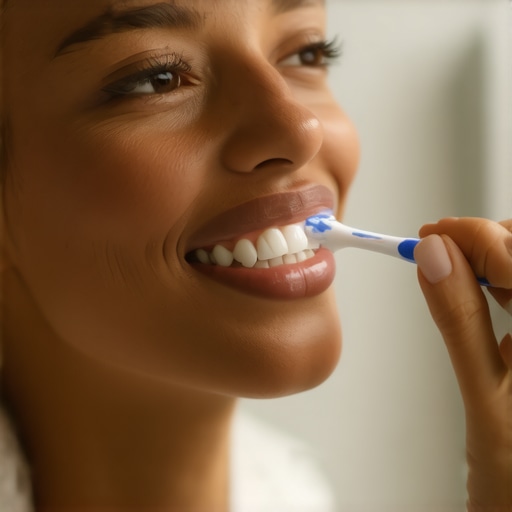 While many believe procedures like veneers or dental implants are straightforward fixes, there’s more nuance beneath the surface. A common myth is that all veneers are equally durable, but in reality, materials and preparation techniques significantly impact longevity, especially with porcelain versus composite options. Many overlook the importance of material choice, which can influence not only aesthetics but also durability under daily stress, as detailed in expert studies (source: Veneers vs. Crowns). Similarly, some assume that dental implants are a permanent solution without complications, yet neglecting the importance of proper planning and bone assessment can lead to failures or inflammatory responses. Many practitioners jump into implants without thorough evaluation, increasing risks—so always seek specialists experienced in latest implant innovations. Furthermore, the misconception that family dentistry is only about basic cleaning disregards its crucial role in detecting early signs of systemic issues like diabetes, which manifest orally. Advanced diagnostic tools now enable proactive health monitoring during regular visits, emphasizing preventive care over reactive treatments. When choosing cosmetic options, many patients get misled by advertisements promising instant perfect smiles. In reality, customizing treatments—whether veneers or crowns—requires understanding the subtle differences and how they align with your functional needs. A detailed comparison helps determine the best fit, both aesthetically and health-wise. Have you ever fallen into this trap? Let me know in the comments. For personalized advice and to avoid common pitfalls, consider reaching out through our contact page.
How can you keep your dental improvements looking pristine over time?
Maintaining your smile’s aesthetic and health requires more than just excellent initial work; it involves the right tools, routine care, and a proactive mindset. Personally, I rely on specific equipment and digital solutions that streamline my maintenance routine and ensure long-term success, especially after procedures like veneers or dental implants.
Investing in the Proper Dental Tools
One tool I swear by is the SonicBrush Ultra. Its oscillating head and customizable speeds allow for gentle yet effective cleaning, reducing the risk of gum recession—a crucial factor following cosmetic work. Its soft-bristled heads are especially beneficial for sensitive gums, making nightly routines safer and more comfortable. Additionally, I incorporate interdental brushes like the Pilot Extra Soft to clean hard-to-reach areas between veneers or around implants. These tiny brushes prevent plaque buildup without putting undue pressure on delicate tissues.
Beyond physical tools, adopting digital oral health apps can be transformative. I use SmileTrack, which integrates with my toothbrush via Bluetooth, providing real-time feedback on brushing habits, coverage, and pressure. Such technology ensures that I don’t inadvertently cause damage through overzealous brushing or neglect hard-to-spot areas.
The Role of Routine and Professional Support
Daily maintenance is vital, but routine professional cleanings are equally important. Scheduling visits every six months allows my dentist to monitor the stability of my veneers and implants, and to catch early signs of issues like minor recession or plaque accumulation that could compromise my results. Modern dental practices often utilize laser-guided probe systems, which provide highly accurate assessments of gum health, minimizing guesswork and enhancing long-term outcomes.
Future Trends in Dental Maintenance
Looking ahead, I believe emerging technologies like AI-powered diagnostics and at-home bleaching monitors will further personalize and simplify dental upkeep. For example, AI algorithms could predict degradation patterns based on habits, prompting preventative interventions before problems worsen. Staying informed about these advances helps me stay one step ahead in preserving my smile’s beauty and function.
What’s the best way to sustain your cosmetic enhancements over the years?
Focus on diligent daily care using gentle, effective tools like sonic toothbrushes and interdental brushes. Integrate smart digital solutions for tailored feedback, and never skip regular professional check-ups. Remember, your investment in your smile is ongoing, and the right equipment paired with expert support makes all the difference. Interested in upgrading your routine? I recommend trying out the SonicBrush Ultra for superior plaque removal and gum safety. For personalized advice, don’t hesitate to reach out through our contact page. Taking these steps now will ensure your beautiful smile remains a source of confidence for years to come.
Lessons from the Front Lines of Smile Makeovers
- Patience Outperforms Speed: I once expected instant results from my veneers, only to realize that consistent care and gentle routines yield longer-lasting, natural-looking smiles. Rushing the process can do more harm than good.
- Choosing Quality Matters: Not all dental materials are created equal. Investing in high-quality veneers and implant options has saved me headaches and touch-ups down the line, reinforcing the idea that shortcuts often lead to disappointments.
- Education Empowers You: Learning the nuances of proper brushing, flossing, and routine check-ups transformed my approach to dental health. Knowledge truly is power — especially when it comes to preserving your investments.
- Listening to Your Dentist’s Advice: My experience taught me that trusting professional guidance, rather than following every online tip, preserves your health and enhances your smile’s longevity. Don’t hesitate to ask questions and seek tailored recommendations.
My Toolkit for Lasting Confidence
- Biolux Ultrasonic Cleaner: Keeps my veneers and aligners pristine, using gentle-but-effective ultrasonic waves that prevent buildup without abrasion.
- SmileTrack App: Offers real-time feedback on my brushing technique and pressure, helping me avoid damaging my gums or veneers.
- Respectful Products: I trust brands that emphasize gentle, enamel-safe ingredients—like alcohol-free mouthwash and soft bristle toothbrushes—to protect my cosmetic work.
- Scheduled Consultations: Regular dental visits serve as a safety net, catching potential issues early and maintaining my smile’s health and appearance over time.
No Time Like the Present to Shine Your Brightest
Your pursuit of a stunning smile is a journey worth embarking on today. Whether you’re considering veneers, implants, or family dental care, remember that the right knowledge and tools are your best allies. Every small step you take now sets the stage for a future where confidence and health go hand in hand. Don’t wait for problems to remind you—act now and enjoy the transformation. Ready to start your smile journey? Share your thoughts or questions below, and let’s keep the conversation going!