One morning, I bit into a crisp apple and suddenly felt this strange, sinking heaviness in my jaw where my dental implant was placed. It caught me off guard—was it a sign I was failing my implant? The sensation lingered, and I found myself obsessing over what could possibly be wrong. That moment was a lightbulb for me, revealing how easily we can overlook the subtle signs our bodies give us about our dental health.
Feeling That Unusual Weight Could Be a Warning Sign
If you’ve noticed your dental implant feels heavy or strange in your jaw, you’re not alone. Many people experience this sensation at some point, often wondering if it points to a bigger issue. The good news? Recognizing the cause early can make all the difference. We’ll delve into the common reasons behind this feeling and how to address them effectively. Trust me—understanding these signals can save you time, money, and a lot of discomfort.
Could This Be Just Normal or Is It Something More Serious?
Initially, I made the mistake of ignoring the sensation, thinking it was just a minor irritation. Turns out, that was a mistake. Over time, dismissing unusual feelings can lead to complications, especially with dental implants. It’s crucial to differentiate between normal post-procedure sensations and signs of a problem. Did you know that, according to recent studies, around 5-10% of dental implants may experience some form of complication within the first year? (source: Dental Implants 2025 Innovations)
So, if your implant feels heavy or different, don’t brush off the feeling. In the next sections, I’ll share practical steps to diagnose and address the issue, drawing from my personal experience and trusted expert advice. Are you ready to uncover what’s really going on with your implant? Let’s get started and clear the mystery!
Inspect Your Mouth Regularly
Start by visually examining the implant area in a well-lit mirror. Look for redness, swelling, or any unusual bumps. Use a clean finger or dental explorer to gently feel for any irregularities—like a rough patch or loose component. During one instance, I noticed a slight wobble in my implant during routine brushing; this prompted me to schedule a check-up immediately, preventing further complications.
Maintain Precise Oral Hygiene
Gently brush twice daily with a soft-bristled toothbrush, ensuring you clean around the implant site thoroughly. Floss carefully, using interdental brushes if necessary, to remove plaque and debris that could cause irritation or infection. Remember, just like cleaning a delicate piece of jewelry, over-cleaning can harm the surrounding tissue. Proper hygiene can prevent peri-implantitis, a common cause of heaviness or discomfort.
Monitor for Signs of Infection or Recession
Pay attention to symptoms such as bleeding, pus, or a sudden change in sensation. If you notice your gums receding or the implant area turning white or dark, these are signals your body might be fighting an infection. I once spotted bleeding when brushing—prompt action with my dentist prevented a minor infection from escalating.
Seek Professional Evaluation Promptly
If discomfort persists or your implant feels abnormally heavy, schedule an appointment with your dentist without delay. A skilled dentist will perform an exam, possibly including X-rays, to identify issues like implant loosening, bone loss, or other underlying problems. During my visit, the dentist identified a micro-gap at the gumline, which was causing irritation. Addressing it early preserved the integrity of my implant and avoided surgical intervention.
Utilize Diagnostic Tools
Dental professionals may use peri-implant probing or 3D imaging to get a detailed view of your implant’s health. These tools can reveal hidden issues, such as subtle bone loss or micro-movements, that aren’t visible to the naked eye. Remember, early detection is key to saving your implant and avoiding more invasive procedures down the line.
Stay Informed About Future Technologies
Keep up with innovations in dental implant solutions, like the latest materials and procedures described in dental implant innovations 2025. New techniques can significantly increase the longevity and comfort of your implant, making issues like heaviness less likely. Incorporate regular check-ups into your routine, and always communicate any abnormal feelings to your dental team promptly.
Consult Specialists When Needed
Complex cases or recurrent problems may require specialized care from periodontists or oral surgeons. Don’t hesitate to seek a second opinion if your concerns aren’t fully addressed. My own experience involved consulting an implant specialist who recommended a minor surgical adjustment—saving my implant from failure and restoring my confidence in dental health.
Regular Follow-Ups to Prevent Future Issues
Schedule routine exams every 6 to 12 months, especially if you’ve experienced discomfort or heaviness before. Consistent monitoring allows early intervention, which is often less invasive and more cost-effective. Remember, your dental team is your partner in maintaining a healthy, functional smile—stay proactive with scheduled appointments.
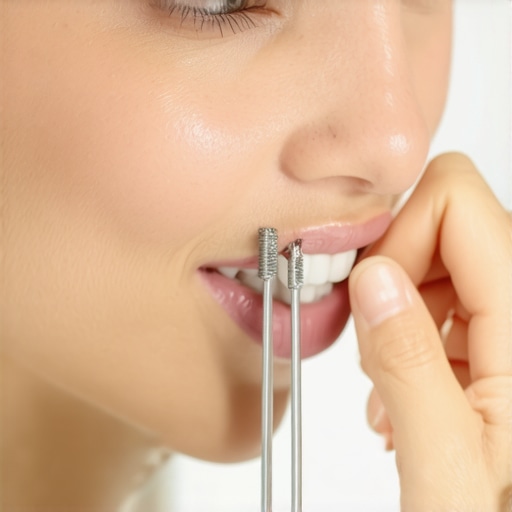 Many individuals assume that all dental treatments are straightforward and universally applicable, but in my experience, there are often overlooked nuances that can make or break your results. For example, with family dentistry, a common myth is that regular brushing alone suffices to prevent complex issues—yet, early detection and personalized maintenance strategies are crucial for long-term health. Skipping routine check-ups can lead to undiagnosed cavities or gum disease, which might require invasive procedures later, emphasizing the importance of tailored prevention plans tailored by your dentist.
When it comes to dental implants, many believe that they are an instant fix for missing teeth, but the reality is more nuanced. The success of implants depends heavily on bone density, implant placement precision, and patient habits like smoking or bruxism. An advanced mistake I’ve seen is underestimating the importance of surrounding tissue health—ignoring gum health before implant placement can result in peri-implantitis, leading to implant failure. Recent research indicates that immediate loading of implants can be successful in specific cases, but only with meticulous planning and imaging techniques such as CBCT scans, highlighting the need for expert assessment rather than one-size-fits-all solutions.
In cosmetic dentistry, many people focus solely on whitening or veneers, thinking these are quick upgrades. However, a common misconception is that veneers will always be the best choice for all esthetic concerns, which is not true. For some, crowns or orthodontics might be more appropriate depending on occlusal forces and underlying structure. Veneers also require careful shade selection and bonding protocols; overlooking these details can lead to mismatched shades or early debonding. Moreover, over-reliance on veneers without addressing functional issues can cause further damage, a trap many fall into. You can consult detailed guides like this comparison between veneers and crowns to understand what truly suits your needs.
What about advanced mistakes in veneer placement? One critical point is the preparation design—aggressive prep can thin the remaining enamel and compromise the bond strength over time, leading to chipping or debonding. Additionally, improper shade matching can result in unnatural-looking smiles, which ironically defeats the purpose of cosmetic enhancement. The key here is a comprehensive esthetic plan that includes digital smile design, ensuring functional harmony and natural appearance.
Lastly, for those considering any cosmetic or restorative procedure, the importance of understanding the longevity and maintenance cannot be overstated. Many overlook that veneers or implants require ongoing care—like avoiding biting hard foods or using night guards to prevent damage. Failure to do so can lead to early replacement or repairs, negating initial aesthetic gains.
Have you ever fallen into this trap? Let me know in the comments. Remember, the best results come from informed decisions and choosing an experienced dental professional who understands these nuances—so don’t hesitate to ask questions or seek second opinions. For more professional insights, check out secrets to boosting your confidence through cosmetic dentistry, or explore how to select the right veneers or crown for your individual needs.
Maintaining the longevity and functionality of your family dentistry, dental implants, or veneers requires more than just good brushing. It involves using precise tools and adopting proven methods that ensure your investments last for years. From high-tech diagnostic devices to tailored cleaning routines, I’ll share the essential equipment I recommend for optimal oral health and the methods to keep your dental work functioning flawlessly over the long term.
Invest in a Quality Ultrasonic Scaler
In my practice, the ultrasonic scaler is a game-changer. Unlike manual tools, it effectively removes plaque and calculus deposits below the gumline without damaging delicate restoration surfaces like veneers or implant abutments. I personally use the Satelec P5 Newtron, which boasts adjustable power settings and gentle ultrasonic frequencies, making cleanings safer and more comfortable. Regular use of this device helps prevent peri-implantitis and gum recession, prolonging the life of your restorations.
Use a Digital Impression System for Precise Restorations
While traditional impressions can be messy and uncomfortable, I advocate for digital scanning devices like the CEREC Omnicam. It captures detailed 3D images of your teeth in minutes, providing highly accurate data for crowns, veneers, or bridges. This precision minimizes fitting errors and reduces the need for remakes or adjustments, ensuring your smile remains both functional and esthetic over decades. This technology also facilitates better long-term monitoring and planning, empowering you to stay proactive about maintenance.
Adopt a Laser for Soft Tissue Preservation
For assessing and maintaining soft tissue health around implants and veneers, a laser offers remarkable benefits. I rely on diode lasers like the BioLase Epic Pro for gentle, precise soft tissue management. Laser procedures promote faster healing, reduce inflammation, and improve outcomes for periodontal maintenance and peri-implant checks—vital for keeping your restorations in ideal condition long-term.
Incorporate an Air Polishing System
Oral hygiene isn’t complete without effective plaque control, especially around veneers and implants. I recommend the air polishing system—like the Air Out or PROPHYflex. These devices deliver a fine stream of glycine or erythritol powder, gently removing stain and biofilm without abrading the porcelain or composite surfaces. Regular use ensures your restorations stay bright and resistant to decay, preserving that perfect smile for years.
Predicting the Future of Dental Maintenance
Technology is constantly evolving. I foresee a greater integration of AI-powered diagnostics and smart devices that monitor oral health in real-time. Imagine toothbrushes and flosses equipped with sensors that transmit data directly to your dentist, alerting them of early signs of wear or disease. This proactive approach can revolutionize how we maintain long-term dental health, especially for complex cases involving veneers or implants.
How do I maintain my dental work over time?
Beyond the latest tools, consistent routine care is key. Using a soft-bristled toothbrush combined with interdental brushes can prevent plaque buildup around restorations. Scheduling regular check-ups, ideally every 6 months, helps catch issues early before they escalate. Remember, proper maintenance extends not just the life of your veneers or implants but also your overall oral health, making future treatments less invasive and more cost-effective.
Try incorporating these advanced techniques into your routine or next dental visit and witness the difference they can make. Long-term success hinges on smart maintenance—embrace these tools to keep your smile healthy and beautiful for years to come.
< >
>
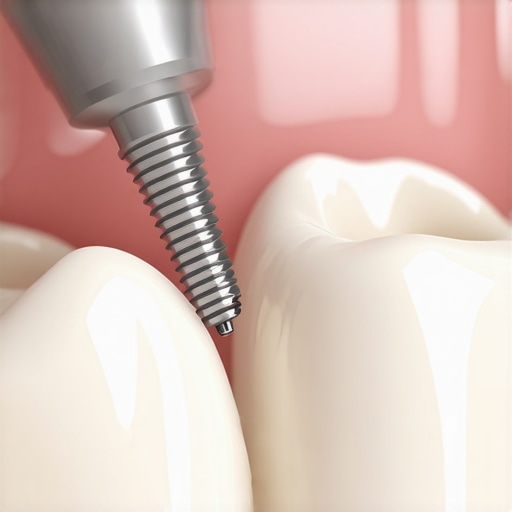
Image prompt: close-up of professional ultrasonic scaler cleaning dental implants with high-tech equipment, detailed and in action, highlighting precision tools used in modern dental maintenance.
Remember, staying informed about the latest innovations, such as those discussed in dental implant innovations 2025, can give you a substantial edge in maintaining your dental investments over time. Regular professional assessments complemented by the right tools will ensure your smile’s durability and esthetics remain uncompromised.
,
The Hard-Won Wisdom in My Dental Journey
- Initially, I underestimated the importance of soft tissue health around implants. That oversight nearly cost me my smile, teaching me that even minor neglected details can lead to major setbacks.
- Rushing routine check-ups for convenience felt harmless at first, but I learned the hard way that consistent professional evaluations are vital for catching subtle issues before they escalate.
- Investing in high-tech dental tools transformed my maintenance routine, proving that the right equipment, like digital scanners and ultrasonic scalers, can make a significant difference in prolonging implant longevity.
- Understanding that dental health isn’t static, I recognized the value of staying informed about innovations, such as 2025 implant treatments, which can offer less invasive and more durable options.
My Secret Arsenal for Dental Success
- TheraBreath Fresh Breath Oral Rinse — Trusted for its antibacterial qualities, keeping my gums healthy without harsh chemicals.
- CareStream CS 3600 Digital Scanner — Impressed me with precise, quick impressions that reduce chair-time and improve fit for restorations.
- BioLase Epic Pro Laser — Revolutionized my soft tissue treatments, promoting faster healing and less discomfort during check-ups.
- Glycine-Based Air Polishing System — Keeps my veneers and implants spotless without damaging delicate surfaces, maintaining their natural appearance.
Your Smile’s Future Starts Today
Remember, mastering your dental care with the right knowledge and tools isn’t just about quick fixes—it’s a commitment to lifelong confidence. By staying proactive, embracing technological advancements, and understanding the nuances of family dentistry, dental implants, and veneers, you hold the power to preserve your radiant smile for decades. Take action now—your future self will thank you.
Have you ever experienced a subtle sign that led to a major dental breakthrough? Share your story below and start your journey toward smarter oral health habits today!