It was late at night, and I was tossing and turning, clutching my forehead. The relentless headache felt like a relentless drum pounding inside my skull. I had always dismissed my occasional migraines as stress or lack of sleep, but this one was different. Suddenly, I remembered something my dentist mentioned about wisdom teeth sometimes causing headaches. That lightbulb moment made me realize I might be dealing with more than just a simple headache.
Why Am I Suddenly Struggling with Headaches? Could It Be My Wisdom Teeth?
Many of us overlook the possibility that our wisdom teeth might be to blame for persistent headaches. I didn’t think much of my aching molars initially, chalking it up to poor posture or dehydration. But when the pain became a regular visitor, I started digging deeper. Turns out, impacted or infected wisdom teeth can crowd the space at the back of your mouth, causing inflammation and pressure that radiates to the head, often mimicking migraine symptoms.
**Could your headaches be a sign that your wisdom teeth are acting up?** If you’re like I was—dismissive or unsure—this realization might come as a shock. But understanding the connection is crucial because untreated issues with your wisdom teeth can lead to more severe complications, including infections or dental cysts. The good news is, noticing early signs can help you seek treatment before it’s too late.
Is the Buzz About Wisdom Teeth Worth the Hype? My Early Mistake
When I first learned that wisdom teeth could cause headaches, I brushed it off. I assumed it was just a coincidence—after all, I’d had headaches before, nothing new. I made the mistake of ignoring subtle signs like jaw stiffness or occasional tenderness in the area. Later, I realized that early warning signs are often overlooked because they can feel minor or unrelated.
Research supports that impacted wisdom teeth can disturb your oral alignment and nerve pathways, leading to discomfort radiating to your temples or forehead (source: [Straighter Smile Orthodontics](https://straightsmileortho.com/why-your-dental-implant-feels-colder-than-your-other-teeth)). Recognizing these symptoms early is key to managing problems effectively. Ignoring these cues only prolongs discomfort and might complicate treatment later.
So, have you experienced unexplained headaches, jaw tension, or some strange heaviness in your face? If so, don’t hesitate to explore the possibility that your wisdom teeth could be playing a part. Next, I’ll walk you through how to assess your symptoms and consider whether a dental check-up is the right step for you.
Identify Your Symptoms Clearly
Start by noting if your headaches are concentrated at the back of your mouth or jaw area. Check for signs like jaw stiffness, swelling, or tenderness around your wisdom teeth. Keep a symptom diary to track the frequency and intensity of pain, which will be helpful when consulting your dentist or oral surgeon.
Schedule a Dental Examination Immediately
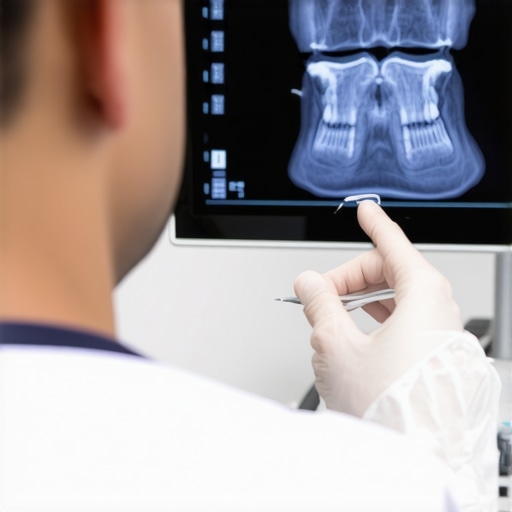
Book an appointment with a dental professional experienced in wisdom tooth issues through this contact page. During the visit, expect the dentist to perform a thorough examination, including X-rays, to assess the position and condition of your wisdom teeth. Don’t delay—early detection can prevent complications.
Assess the Severity and Options
If X-rays reveal impacted or infected wisdom teeth, discuss treatment options. Common procedures include surgical removal orfangement if the teeth are obstructing nerves or causing infections. For minor issues, your dentist might recommend antibiotics or other conservative measures before opting for extraction.
Implement Immediate Relief Techniques
In the meantime, manage pain and inflammation by applying ice packs to the affected area—wrap a cold pack in a cloth and hold it against your jaw for 15-minute intervals. Over-the-counter pain relievers, such as ibuprofen, can reduce discomfort but consult your dentist before use.
Consider the Long-Term Solution
Deciding to remove wisdom teeth is a significant step. To understand the pros and cons, explore detailed comparisons like Veneers vs. Crowns for smile concerns or the latest innovations in dental implants. Aligning with your dentist’s advice will help determine whether extraction is necessary to prevent future headaches or oral infections.
Prepare for Recovery and Aftercare
If you proceed with extraction, follow your dentist’s post-operative instructions meticulously. Maintain good oral hygiene, avoid smoking or vigorous rinsing, and stick to soft foods initially. Proper aftercare reduces swelling and promotes faster healing.
Monitor for Recurrence
Post-treatment, stay alert for persistent or new headaches. Chronic headaches may signal other underlying issues, so maintain regular dental check-ups. Updating your health history and discussing any ongoing discomfort ensures you address problems early.
 Many patients hold common misconceptions about cosmetic dental procedures, often believing they are one-size-fits-all solutions. However, advanced nuances reveal that each option—whether veneers or implants—requires careful consideration beyond surface-level benefits. For instance, most assume veneers are purely aesthetic without considering their impact on tooth structure or the potential for sensitivity, especially if improperly fitted. In reality, veneers vs. crowns comparisons highlight that choosing the wrong option can lead to unnecessary enamel removal or future replacement costs. To avoid these pitfalls, consultation with a qualified specialist is essential, as the long-term success of veneers depends on proper case selection and technique mastery.
When it comes to dental implants, many believe they are an indestructible, permanent fix without acknowledging the importance of patient-specific factors like bone density and gum health. Surprisingly, some overlook the latest innovations—such as immediate-load techniques or mini-implants—that can significantly reduce treatment time and discomfort. My mistake early on was assuming implants were foolproof; however, neglecting preoperative assessments led to complications like peri-implantitis. By staying informed about ongoing technological advances, especially those discussed in the future of implants, both patients and practitioners can optimize outcomes and longevity.
In family dentistry, an often-neglected aspect is the personalized approach that considers the entire family’s unique oral health needs. Many assume that general visits are sufficient without addressing the nuances of preventative care or genetic predispositions. For example, children may require specific habits monitoring, while seniors might need tailored solutions for gum recession. Recognizing these subtleties can prevent future issues like cavities or periodontal disease, which is why family dentistry tips emphasize ongoing, customized care plans.
Cosmetic dentistry, while focused on aesthetic results, often suffers from the myth that procedures like whitening or bonding are simple and universally safe. The reality is that factors like enamel thickness, decay, and even saliva composition influence the success of treatments. An overlooked nuance is understanding how certain whitening agents can lead to sensitivity or uneven results if not properly applied. Advanced practitioners tailor their approach based on individual dental biochemistry, which can be informed by studies such as those in cosmetic dentistry innovations. This precision underscores the need for expert consultation rather than adopting DIY trends.
Making informed choices in cosmetic and restorative dentistry involves recognizing these subtle yet impactful distinctions. Misunderstanding or oversimplifying procedures can result in additional costs, discomfort, or compromised outcomes. Have you ever fallen into this trap? Let me know in the comments, and share your experiences to help others navigate these complex decisions wisely.Maintaining your dental restorations over time requires the right combination of tools, technology, and techniques. As a dental professional committed to delivering durable results, I rely on specific equipment that ensures precision and longevity. One essential tool I recommend is the high-frequency ultrasonic scaler, which effectively removes plaque and tartar without damaging delicate restorations like veneers and implants. Its targeted ultrasonic vibrations allow me to clean thoroughly while preserving the integrity of existing restorations, preventing future complications.
Another critical piece of equipment is digital intraoral scanners. Unlike traditional molds, these scanners provide highly accurate 3D images of your teeth and gums, enabling precise planning for restorations such as veneers or crowns. Using this technology reduces the margin for error and streamlines the entire process, resulting in better fit and function. Plus, digital records can be stored safely, making future adjustments or updates more efficient.
For planning and documentation, I utilize advanced CAD/CAM software. This technology allows me to design restorations with exceptional accuracy, ensuring they match your natural dentition seamlessly. The integration of CAD/CAM minimizes the need for multiple visits and improves the overall quality of your smile transformation.
Long-term results depend on diligent maintenance, and I emphasize the importance of patient education on proper cleaning techniques and follow-up care. Regular check-ups using modern tools like the intraoral camera can catch early signs of wear or decay, extending the life of your restorations.
Looking ahead, I predict that advancements in bioactive materials and 3D printing will further revolutionize restorative dentistry. These innovations promise restorations that not only look natural but actively promote tissue regeneration and healing.
How do I keep my dental work in top shape over time?
Regular maintenance begins with consistent oral hygiene, including gentle brushing with a soft-bristle brush and daily flossing to prevent plaque buildup. Schedule routine professional cleanings using ultrasonic scalers to keep your restorations free of deposits. Additionally, consider periodic digital scans to monitor the integrity of veneers or implants, allowing for early intervention if issues arise. Staying informed about new technologies and following your dentist’s advice can significantly extend the lifespan of your dental work.
If you’re considering a smile makeover or want to ensure your current restorations last, explore options like carefully selected veneers vs. crowns to understand what best suits your needs. Remember, investing in the right tools and practices today can save you time, money, and discomfort in the future. A proactive approach combining advanced equipment and patient education is the key to keeping your smile beautiful and functional for years to come.
Choosing to enhance your smile is a personal journey that comes with lessons learned along the way. One of the most valuable insights I’ve gained is that not all cosmetic procedures are created equal, and understanding the nuances can save you from regrets or unexpected surprises. For example, I once believed that veneers were just a quick fix, but I didn’t realize how much their material quality and fit could impact not only appearance but also your oral health in the long run. Additionally, I underestimated the importance of selecting a skilled, experienced cosmetic dentist—assuming that anyone can deliver perfect results, I learned that expertise and attention to detail truly make all the difference. Lastly, I discovered that ongoing maintenance is key; even the most stunning smile needs proper care to stay brilliant and healthy over time. These lessons have reshaped my approach to dental enhancements, emphasizing that thorough research and trusted advice are essential before committing to any procedure.