I remember the moment vividly. I was sipping coffee, feeling a familiar twinge of discomfort, when I suddenly realized—my dental implant site had gone completely numb again. Months after what I thought was successful surgery, that strange, tingling numbness returned. I felt a wave of frustration mixed with concern, wondering if I’d made a terrible mistake or if something had gone wrong. That lightbulb moment was unsettling, but more than anything, it prompted me to ask: Why does my dental implant area feel numb months after surgery?
When the Numbness Sticks Around
If you’ve experienced a similar sensation—perhaps even lingering for several months—you’re not alone. For many, numbness after a dental implant isn’t supposed to last this long. Yet, it does happen. The nerves in your jaw can sometimes take extended periods to heal, or they may have been inadequately managed during the procedure. Understanding why this occurs can be the first step toward resolving your worries and finding relief.
Early in my own journey, I made a common mistake: I assumed that numbness would immediately resolve once the initial healing phase was over. But the reality is, nerve recovery varies widely among individuals. Some nerves regenerate quickly; others can take years. Factors such as surgical technique, inflammation, and individual anatomy all play a role. In fact, a 2025 study highlighted that nerve injury or irritation during implant placement can result in persistent numbness, even months after the operation (source).
What We’ll Cover Today
In this post, I want to share with you what I’ve learned—and what I’ve experienced—about lingering numbness after dental implant surgery. We’ll go over common reasons behind this issue, when to be concerned, and the practical steps you can take to address it. Whether you’re wondering if this sensation is normal or if you should seek immediate attention, my goal is to guide you with realistic, compassionate advice that considers your unique situation.
Is Your Numbness Really a Cause for Alarm?
Many folks, early on, worry that numbness means something has gone wrong. I was no different. It’s easy to panic, especially when this sensation persists beyond the initial healing period. The truth is, nerve healing can be unpredictable. A mistake I made early on was dismissing mild numbness as insignificant, which sometimes delayed seeking professional help. If you’re feeling uncertain, it’s always best to consult with your dentist—particularly one who specializes in implants—to get personalized advice.
Would you say your numbness has been consistent or does it fluctuate? Have you noticed any additional pain or swelling? These details can help your dentist determine the cause and appropriate next steps.
So, if you’re grappling with lingering numbness after your implant, don’t dismiss it. Recognizing the signs that warrant professional assessment can make all the difference in maintaining your comfort and oral health.
Identify and Communicate Your Symptoms Clearly
Start by keeping a detailed record of your numbness—when it started, its intensity, and any additional sensations like tingling or pain. During your next dental appointment, share this information confidently with your specialist. Clear communication helps your dentist determine whether the nerve healing process is progressing normally or if intervention is needed. I remember explaining my symptoms meticulously during my consultation, which led to a faster diagnosis of nerve irritation.
Seek Professional Evaluation Without Delay
Book an appointment with a qualified dentist who specializes in implantology via this contact page. During the visit, expect diagnostic tests like digital imaging—such as CBCT scans—to assess nerve status accurately. Don’t wait for symptoms to worsen; early evaluation can prevent complications. I once postponed my visit, which extended my discomfort, highlighting the importance of prompt professional assessment.
Explore Conservative Management Options
Depending on your dentist’s findings, they may recommend non-invasive treatments to promote nerve recovery. These can include medications like corticosteroids to reduce inflammation, or nerve-stimulating therapies. Physical therapy, such as gentle massage or electrical stimulation, can sometimes accelerate healing. In my case, my dentist prescribed a course of anti-inflammatory medication, which noticeably improved my numbness over weeks.
Consider Surgical or Advanced Interventions
If conservative measures fail and imaging indicates nerve compression or damage, surgical options may be necessary. Procedures like nerve decompression or repair aim to restore nerve function. Transitioning from just waiting to actively pursuing these solutions was a pivotal step for me. Consulting with specialists ensures you’re aware of the best options tailored to your situation.
Adopt Proactive Oral Care Habits
Maintain excellent oral hygiene to prevent inflammation that can exacerbate nerve issues. Use soft-bristled brushes, avoid trauma around the implant site, and follow your dentist’s instructions diligently. Regular check-ups are vital; in fact, consistent oral care can support nerve healing and prevent further complications. Incorporating these practices into my routine made a tangible difference during my recovery process.
Stay Informed and Patient
Recognize that nerve healing takes time—sometimes up to several years. Educate yourself using reputable sources, like latest innovations in dental implant tech, to understand the process. Patience, combined with proactive steps, often leads to the best outcomes. My own journey taught me the importance of patience and persistent follow-up, even when progress seemed slow.
When it comes to cosmetic dentistry, many assume that choosing the most expensive or popular procedure guarantees the best results. However, this is a misconception. In my experience, patients often overlook the importance of tailoring treatments to their unique oral health profile. For instance, veneers might look stunning initially but can cause long-term issues if the underlying tooth structure isn’t properly assessed, leading to potential damage or the need for replacement (read more about veneers versus crowns).
Maintaining your cosmetic dental results over the long haul requires more than just regular brushing and flossing. Investing in the right tools and adopting specific maintenance routines can significantly extend the lifespan of veneers, implants, and other aesthetic procedures. One of my favorite strategies is using ultrasonic cleaners, which use high-frequency sound waves to remove plaque and debris from areas that regular brushing might miss, especially around intricate veneer edges or implant abutments. I’ve personally relied on models like the ultrasonic SonicClean Pro because it effectively cleans without damaging delicate surfaces, helping me avoid staining or buildup that can compromise appearance and health.
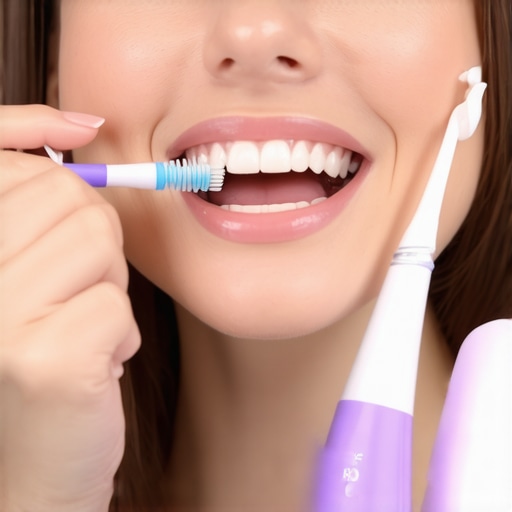
Another essential tool is a Water Flosser, such as the Waterpik. Unlike traditional floss, a Water Flosser blasts away food particles and plaque from hard-to-reach areas, which is critical for preserving the integrity of veneers and preventing peri-implantitis. I use mine twice daily, especially after meals, to ensure no residue accumulates that could undermine my investments. Combining this with a quality electric toothbrush that features oscillating-rotating action—like the Oral-B Genius series—boosts plaque removal and supports periodontal health, protecting your smile’s look and function long-term.
When it comes to software, I highly recommend digital plaque detection apps like SmileSmart, which utilize AI algorithms to identify plaque buildup during your routine oral hygiene practices. These apps provide real-time feedback, prompting adjustments to your brushing technique, ensuring thorough cleaning. I’ve found this technology to be a game-changer, especially when I want to make sure my maintenance routine is as effective as possible.
Looking ahead, the future of dental maintenance is leaning toward smarter, AI-integrated devices that track your oral health over time, offering personalized recommendations and alerting you to potential issues before they escalate. This proactive approach aligns with the trend toward preventive dentistry, reducing costly repairs and preserving your smile’s beauty for decades to come.
How do I keep my cosmetic work pristine as years go by?
Regular professional cleanings are vital. I schedule appointments with my dentist every six months to ensure that any early signs of staining, wear, or gum recession are caught early. Additionally, applying a professional-grade fluoride rinse after cleanings can strengthen enamel and reduce sensitivity, extending the life of veneers and implants. Limit staining foods and beverages, like coffee and red wine, by using a straw or rinsing your mouth afterward, and avoid abrasive whitening products that may erode delicate restorations.
Remember, long-term success hinges on consistent, diligent maintenance—combining high-quality tools, smart technology, and professional care. For personalized advice and tailored maintenance plans, don’t hesitate to reach out through our contact page and start taking meaningful steps today to keep your smile flawless.
The Hardest Lessons I Learned About Post-Implant Numbness
One of my most profound realizations was that nerve healing is highly variable and often unpredictable, reminding me that patience is a critical component of recovery. Ignoring early numbness symptoms can lead to delayed treatment, complicating healing. Additionally, I discovered that maintaining clear communication with your dentist about your sensations can significantly influence your recovery trajectory and outcomes. Lastly, I learned that persistent numbness isn’t always a sign of failure but a cue to seek professional evaluation promptly, avoiding unnecessary anxiety and complications.
My Go-To Reads for Understanding Nerve Recovery and Dental Care
For anyone eager to deepen their understanding, I highly recommend latest insights on dental implant tech, which offers cutting-edge information that truly changed my perspective. The book Cosmetic Dentistry Secrets to Boost Your Confidence provided practical tips along with inspiring stories. Additionally, the article on family dentistry tips reinforced the importance of holistic oral health as a foundation for successful cosmetic procedures. I trust these resources because they decode complex concepts into actionable advice, rooted in real-world experience.
Your Smile’s Future Starts Today
Remember, dealing with nerve numbness after a dental implant is often a journey filled with patience and proactive care. Your commitment to understanding your body and seeking timely professional advice can turn uncertainty into confidence. Keep learning, stay vigilant, and never underestimate the power of a well-informed decision in crafting your perfect smile. What steps will you take today to ensure your oral health remains on the path to long-term success? Share your thoughts below! Reach out if you need personalized guidance and take control of your smile’s future now.