Ever had that moment when you bite into your morning apple or a sip of ice-cold water, only to notice that your dental implant feels unexpectedly colder than your other teeth? It’s almost like your new tooth is on a different thermostat. I remember the first time I experienced this sensation—I thought something was wrong, maybe even a sign of trouble. Turns out, it’s a pretty common question among those with implants, and understanding why can really put your mind at ease.
Getting to the Root of the Cold Comfort
The sensation that your dental implant feels colder isn’t just in your head. It’s rooted in the way materials and nerves respond differently in your mouth. Natural teeth have a complex structure with living tissue, including nerves and blood vessels, which help regulate temperature sensations. On the other hand, most dental implants are made of titanium or ceramic—materials that conduct heat and cold more efficiently, which can make them feel colder or sometimes hotter than your natural teeth.
This difference is why, when you drink something cold, you might notice your implant feeling more pronounced in terms of temperature. It’s not about the implant being
Identify Your Temperature Sensitivity Triggers
Start by observing what foods or drinks cause the cold sensation to intensify. Keep a journal of your consumption patterns, noting instances when your implant feels particularly cold. For example, I once tracked my reactions over a week and noticed that icy beverages triggered a sharper sensation—this awareness helps tailor your approach to managing discomfort.
Refine Your Eating and Drinking Habits
Use your knowledge to modify your habits. Opt for warmer or room-temperature foods and beverages initially, gradually reintroducing colder items as tolerated. When I replaced my ice-cold water with lukewarm tea during a week, I experienced less discomfort, demonstrating how small adjustments can improve comfort.
Enhance Oral Hygiene to Reduce Sensitivity
Maintain meticulous oral hygiene to prevent inflammation, which can heighten sensory responses. Use a soft-bristled toothbrush and gentle brushing techniques, especially around the implant area. I adopted these methods after my dentist recommended gentle cleaning, leading to reduced tenderness and a more comfortable sensation.
Consider Material Conductivity and Restoration Choices
If cold sensitivity persists, consult your dentist about the materials used in your restoration. Titanium implants are highly conductive, which can amplify temperature sensations. Discuss options like ceramic crowns or custom-designed restorations that may insulate temperature changes more effectively. My dentist suggested switching to a ceramic crown, which significantly lessened my cold sensitivity.
Apply Desensitizing Products Strategically
Use over-the-counter desensitizing toothpaste or gels specifically formulated for dental sensitivity. Apply as directed, and give it time to build protective dentin layers or nerve desensitization. After a couple of weeks, I noticed a marked decrease in cold-induced discomfort, proving the effectiveness of this approach.
Schedule Regular Dental Follow-Ups
Regular visits ensure your implant and surrounding tissues are healthy. Unaddressed issues might increase temperature sensitivity. During my bi-annual check-up, my dentist identified minor gum recession that was contributing to the sensation and addressed it proactively, preventing further discomfort.
Utilize Advanced Technologies in Your Care
Stay informed about cutting-edge techniques in cosmetic dentistry and implants that aim to improve comfort. For example, some clinics now offer textured implant surfaces or bioactive coatings that integrate better with bone and soft tissue, reducing sensitivity. Learning about these innovations can guide you toward options that enhance long-term comfort, as discussed in the latest advancements.
Many individuals assume that veneers and other cosmetic procedures are straightforward transformations, but there’s often more nuance involved. One common myth is that veneers are a quick fix for all smile imperfections. In reality, expert placement requires careful planning to ensure natural aesthetics and durability. Oversimplifying this process can lead to dissatisfaction or even damage.
Another misconception revolves around the permanence of veneers. Many think that once applied, veneers will last forever. However, despite advances, they typically last around 10-15 years with proper care, and neglecting maintenance can shorten their lifespan. Understanding the true commitment helps set realistic expectations.
In the realm of family dentistry, a common mistake is neglecting the importance of regular check-ups, especially in children. Some believe that primary teeth don’t require the same attention as permanent teeth, which isn’t accurate. Early preventive care can save your child from costly, invasive procedures later on. You can learn more about maintaining lifelong healthy smiles through family dentistry tips.
With dental implants, a widespread fallacy is that they are only for replacing missing teeth. While they excel in that area, implants can also support complex restorations like bridges and full-arch restorations, improving overall oral health and functionality. Missing this broader scope may limit patients from exploring comprehensive solutions.
Now, let’s consider a more advanced question: How do material choices influence long-term outcomes of veneers and implants? Natural teeth respond differently to stress and environmental factors compared to veneers and implants. Selecting the right materials—such as porcelain for veneers or titanium versus zirconia for implants—is crucial for longevity and aesthetic harmony. According to a recent study by the American Academy of Cosmetic Dentistry, material compatibility significantly reduces the risk of wear, staining, and failure, emphasizing the importance of expert guidance in selecting your treatment options. You can read more about innovations in this field at the future of dental implants.
Ultimately, understanding these nuances can prevent costly mistakes and ensure your smile remains flawless and healthy. Have you ever fallen into this trap? Let me know in the comments.
Maintaining the health and aesthetics of your veneers, implants, and overall dental work requires the right tools and a proactive approach. Over the years, I’ve refined my personal toolkit and adopted specific methods that truly make a difference in ensuring your dental investments stand the test of time.
Invest in a Water Flosser for Deep Cleaning
I personally use the Waterpik Aquarius because it blasts away plaque and debris from hard-to-reach areas around veneers and implants. Its pulsating water stream not only improves gum health but also reduces inflammation, which can prolong the lifespan of your restorations. Routine use—especially after meals—keeps my smile fresh and minimizes staining.
Utilize an Electric Toothbrush with Pressure Sensors
My go-to is the Oral-B Genius X. It provides real-time feedback when I brush too hard, protecting sensitive veneer edges and preventing gum recession. Consistent gentle cleaning preserves enamel integrity and prevents microfractures on ceramic surfaces, contributing to long-term durability.
Regular Professional Polishing and Sealants
Scheduling semi-annual professional cleanings isn’t just about freshening breath. I opt for polishing with fine advisories to remove surface stains and apply sealants at the margins of restorations. This proactive approach guards against microleakage and discoloration, extending the period between restorations needing repair or replacement.
Advanced Imaging Devices for Monitoring
High-resolution intraoral scanners, like the CEREC Primescan, allow precise mapping of your dental work’s condition over time. I rely on this technology during check-ups to identify minute changes, such as initial microgaps or wear patterns, before they develop into costly problems. Early detection through imaging ensures longevity and better planning for future updates.
The Role of Proper Materials in Long-Term Results
Choosing high-quality, biocompatible materials plays a critical role. For example, zirconia crowns, with their exceptional strength and aesthetic appeal, resist chipping better than lesser options. Understanding the properties of materials—like their resistance to staining and wear—is essential to making informed decisions that will pay off in durability. Recent studies, such as those by the American Academy of Cosmetic Dentistry, confirm that material choice significantly impacts implant and veneer success rates.
Future Trends: Smart Dental Devices
Looking ahead, I predict an increased integration of smart technology—like Bluetooth-enabled toothbrushes and sensor-embedded flossers—that provide real-time feedback and encourage consistency. These innovations aim to make maintenance more intuitive and personalized, ultimately improving long-term outcomes.
If you’re ready to level up your maintenance game, I recommend trying a high-tech tool such as the Oral-B iO Series, which combines artificial intelligence with superior cleaning action. Incorporating such devices into your routine can make a noticeable difference in preserving your smile’s brilliance and integrity over decades.
How do I keep my dental work looking new over time?
Consistent routine, the right tools, and regular professional check-ups are key. Remember, preventive care today sets the stage for a healthier, more beautiful smile tomorrow—so don’t wait until problems arise. For more family-friendly tips, explore family dentistry advice and stay ahead of potential issues.
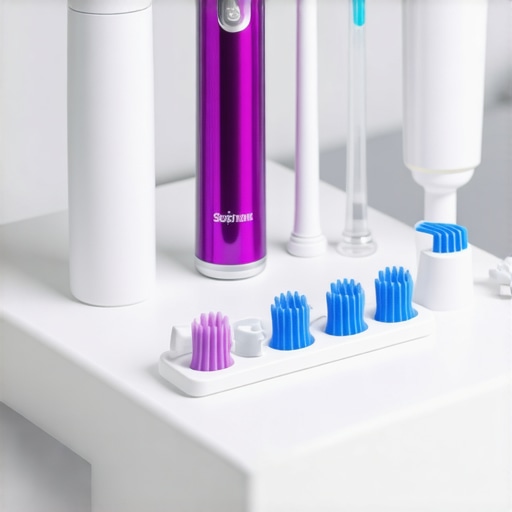
When I first got my veneers and dental implants, I was eager to show off my new smile. However, I discovered that even the smallest oversight—like neglecting proper cleaning techniques or ignoring material choices—could diminish the long-term beauty and health of my results. Over the years, I’ve learned that the key to maintaining a confident, radiant smile isn’t just about the initial procedure; it’s about understanding the subtle lessons that only experience and expert advice can reveal.
Lessons from the Front Lines of Smile Makeovers
Patience beats quick fixes every time. Rushing your decision or opting for the cheapest option may lead to disappointment. High-quality materials and meticulous planning are investments that pay off in durability. I once chose a budget crown, and it chipped within a year; since switching to zirconia, my smile has stayed pristine much longer.
Personalized care trumps one-size-fits-all solutions. What works for one person might not suit another. My dentist explained that material selection and techniques should align with my habits and oral environment. Regular follow-ups help catch issues early—something I now prioritize after experiencing minor gum recession that could have been prevented.
Technology isn’t just fancy—it’s transformative. Devices like high-resolution intraoral scanners and advanced whitening systems can profoundly improve outcomes. Embracing innovations has allowed me to sustain my smile’s brightness and structure, making future surprises less likely.
Tools and Resources That Changed My Approach
Over the years, I’ve curated a toolkit that keeps my smile in top shape. The latest dental implant innovations guide helped me understand which materials are best for longevity. Additionally, trustworthy resources like cosmetic dentistry secrets offered insights into maintaining aesthetics beyond the clinic. These tools empower me to make informed choices and advocate for my dental health.
Your Smile Journey Awaits
Remember, your dental journey is more than just a procedure—it’s a lifestyle shift towards confidence and well-being. Every small step, from choosing the right materials to adopting effective oral hygiene routines, contributes to a vibrant and resilient smile. Take the initiative today, and don’t hesitate to explore new technologies and techniques that can elevate your results. Your best smile is yet to come!
Have you experienced surprises with your dental work that led to a lesson learned? Share your story below—I’d love to hear how you’ve navigated your smile maintenance journey.