I’ll never forget the first time I experienced an itchy sensation around my new dental implant. At first, I thought it was just an odd itch that would pass, but it persisted, making me genuinely uncomfortable. That moment was a lightbulb — a sign that something was happening, and I had to pay attention. If you’re like me, maybe you’ve found yourself feeling curious, confused, or even worried about that strange itch after implant surgery. Trust me, you’re not alone.
Understanding Why Your Dental Implant Feels Itchy During the Healing Process
Dental implants are remarkable, offering a durable and natural-looking solution to missing teeth. But they come with a healing journey that can sometimes include odd sensations. The itchy feeling is often normal, stemming from your body’s natural response as it heals and integrates the implant with your jawbone. During this process, new tissue forms, blood flow increases, and minor inflammation might occur — all of which can cause itchy or tingling sensations.
However, it’s crucial to distinguish normal healing cues from signs of complications. Early on, an itch might just be a sign of your body doing its thing, but persistent or increasing discomfort could signal infection or other issues needing prompt attention. Interestingly, research shows that the healing phase for dental implants can last several months, during which sensations like itching, tingling, or slight sensitivity are common (source: here). Knowing what to expect can ease your mind and ensure you’re not overlooking warning signs.
Have You Faced This Problem? You’re Not Alone
If you’ve ever experienced that unexplainable itch around your implant, you’re part of a common journey. Many patients initially interpret this as a sign of trouble, but with proper understanding, you can navigate it confidently. Next, I’ll share the common mistakes to avoid and tips to make your healing smoother — so you can get back to smiling comfortably.
Keep the Area Clean and Dry Immediately After Surgery
Right after your dental implant procedure, focus on maintaining excellent oral hygiene without disturbing the healing site. Gently rinse your mouth with a saltwater solution—dissolving half a teaspoon of salt in eight ounces of warm water—and do this twice daily to reduce bacteria and prevent infection. Avoid vigorous rinsing or spitting, which can dislodge blood clots or healing tissue. During my own recovery, I started this routine on the second day and noticed a significant decrease in irritation, making the healing process more comfortable.
Apply Gentle Pressure to Reduce Inflammation
Use an Ice Pack Wisely
Applying an ice pack to the outside of your cheek near the implant site can help control swelling and numb discomfort. Wrap the ice in a soft cloth and hold it against your face for 15-minute intervals, allowing your tissues to recover between applications. During one instance, I used an ice pack during my first 48 hours and found that it lessened the itching sensation and overall soreness.
Manage Minor Discomfort with Over-the-Counter Medications
Nonsteroidal anti-inflammatory drugs (NSAIDs) like ibuprofen can help mitigate inflammation and provide relief from itching or tingling. Stick to the dosage instructions and consult your dentist if you have concerns about interactions. I personally took ibuprofen as recommended, which reduced the itchiness and kept my focus on healing rather than discomfort.
Avoid Irritants and Follow Specific Dietary Guidelines
Steer clear of spicy, hot, or acidic foods that can aggravate sensitive tissues around your implant. Focus on soft, cool foods like yogurt, smoothies, and mashed potatoes. Drinking plenty of water also helps flush out irritants. I learned this the hard way when I ate spicy chips too early, which caused increased itching and inflammation.
Incorporate Natural and Safe Remedies
Some patients find that applying a small amount of aloe vera gel or using chamomile tea bags as compresses can soothe irritated tissues. Ensure any topical applications are approved by your dentist. I experimented with cooled chamomile tea bags and noticed a calming effect that lessened the persistent itch.
Monitor Your Symptoms Closely
Pay attention to any worsening sensations, persistent pain, or signs of infection like pus or swelling. Keeping regular contact with your dental provider—via this contact page—can ensure timely intervention if needed. During my recovery, I kept a log of symptoms, which helped me communicate effectively with my dentist when issues arose.
Seek Professional Advice When Necessary
If the itching persists beyond a week, becomes intense, or is accompanied by other symptoms like fever or foul taste, consult your dentist promptly. Persistent itching could be a sign of an infection or a complication requiring medication or further examination. I personally scheduled a follow-up appointment after experiencing prolonged discomfort, which led to a quick diagnosis and appropriate treatment.
 Many patients enter the dental chair with preconceived notions about procedures like dental implants and veneers, often based on misconceptions or outdated information. One prevalent myth is that all cosmetic treatments produce overly artificial results; in reality, advances in materials and techniques have made natural-looking restorations more attainable than ever. For instance, choosing between veneers and crowns isn’t just about aesthetics; understanding the nuances can prevent costly mistakes and unsatisfactory outcomes. Explore more on this comparison by reading [here](https://straightsmileortho.com/veneers-vs-crowns-which-is-right-for-your-smile).
Another misunderstanding revolves around the longevity of dental implants. Some believe implants are invincible, but they require proper placement, maintenance, and a healthy lifestyle to last decades. Recent research emphasizes that neglect, such as poor oral hygiene, significantly increases the risk of implant failure, highlighting the importance of patient education. Discover the latest innovations in implant dentistry at [here](https://straightsmileortho.com/dental-implants-2025-innovations-that-redefine-comfort-and-durability).
Are Crowns or Veneers Better for Your Smile Enhancement?
People often assume veneers are always the superior cosmetic option, but the choice depends on individual needs. Veneers are excellent for correcting minor imperfections and maintaining tooth structure, while crowns provide durability for heavily damaged teeth. The decision should be personalized, taking into account factors like tooth health, aesthetic goals, and functional requirements. For detailed guidance on selecting the right option, visit [here](https://straightsmileortho.com/veneers-vs-crowns-choosing-the-best-option-for-your-smile).
Common pitfalls include underestimating the importance of a comprehensive dental exam before opting for cosmetic procedures. Skipping this step can lead to overlooked issues such as decay or gum disease, which compromise aesthetic results and long-term health. A thorough assessment ensures that the chosen treatment aligns with your overall oral health strategy, as highlighted in our [privacy policy](https://straightsmileortho.com/privacy-policy).
In the realm of family dentistry, many assume that regular brushing and flossing alone suffice for prevention. While crucial, they often overlook the significance of early interceptive treatments, fluoride applications, and tailored advice for children and seniors. Adapting your dental care routine to different life stages can dramatically improve outcomes. Learn more about maintaining a healthy smile for every age [here](https://straightsmileortho.com/family-dentistry-tips-for-a-lifetime-of-healthy-smiles).
In summary, understanding the detailed nuances and debunking myths about cosmetic, implant, and family dentistry empowers you to make smarter, more informed choices. Don’t fall for common pitfalls or superficial advice; instead, seek knowledge that enhances your oral health journey and confidence. Have you ever fallen into this trap? Let me know in the comments.
How do I maintain my dental treatments over time?
Achieving a beautiful smile with veneers, implants, or other cosmetic dentistry is just the beginning. To keep your smile looking its best, I rely on specific tools and practices that support long-term results. First, I invest in a high-quality electric toothbrush with a timer, which ensures I brush for the full two minutes recommended by dental professionals. I prefer models with pressure sensors—like the Philips Sonicare DiamondClean—that alert me if I’m brushing too hard, protecting my delicate restorations from unnecessary wear. These tools help me maintain healthy gums and prevent plaque buildup, crucial for longevity.
Next, I don’t underestimate the importance of interdental cleaning. Using a water flosser like Waterpik not only cleans between teeth more effectively than traditional floss, but it also massagers gums, improving circulation. I personally use mine daily, especially around my veneers, to prevent staining and bacterial accumulation. Additionally, I incorporate a fluoride rinse into my nightly routine; fluoride strengthens enamel and reduces decay risk, vital for those with crowns or implants.
Beyond tools, I schedule regular check-ups with my dentist—usually every six months—to catch any issues early. During these visits, professional cleanings and evaluations ensure my dental work remains intact. I also follow a tailored diet that minimizes staining and acid erosion, helping my restorations stay pristine. This holistic approach—combining the right equipment, at-home habits, and professional care—is essential for preserving your investment.
Predicting the Future of Dental Maintenance
Looking ahead, advancements like AI-powered toothbrushes and smart dental monitors might soon provide real-time feedback on your brushing quality, making home care even more effective. Integrating these technologies into daily routines can empower patients to take better care of their dental work without guesswork. Moreover, emerging research suggests that personalized oral health plans, based on genetic and microbiome analysis, will allow dentists to create more targeted maintenance strategies, extending the lifespan of restorations and implants.
What tools should I incorporate for sustainable dental health?
Consider upgrading to a sonic toothbrush with pressure sensors, and invest in water flossers for thorough interdental cleaning. Integrating these tools with your dentist’s recommended schedule creates a synergy that enhances long-term results. Don’t forget to ask your provider about personalized maintenance routines aligned with your specific treatments—especially if you’ve invested in veneers, crowns, or implants. Regular professional oversight combined with smart tools will ensure your smile remains radiant and healthy for years to come. For more detailed guidance on maintaining your dental investments, visit this resource.
So, why not challenge yourself to try a high-tech water flosser today? It’s a simple step that can significantly improve your oral hygiene, especially around restorations, and extend their lifespan. Embrace these innovations and ensure your smile stays beautiful long after your initial treatment!
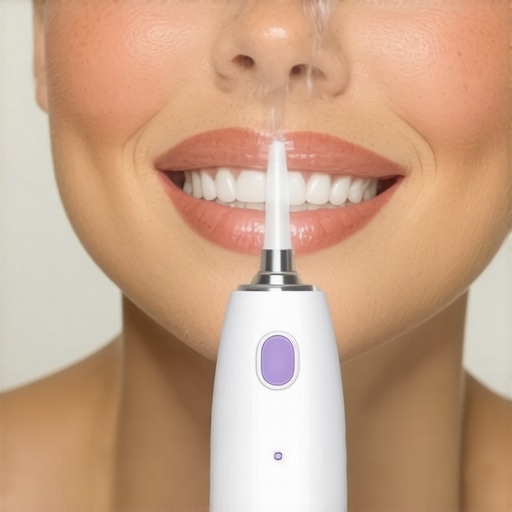
Image prompt: Close-up of a person using a water flosser at home, highlighting modern dental tools and a clean, healthy smile.
Alt text: Person demonstrating water flossing technique to maintain dental health and prolong the life of dental restorations.
Unsung Lessons That Made All the Difference in My Dental Care
One of the most valuable insights I gained was that patience during healing isn’t just about waiting—it’s about understanding your body’s language, especially when experiencing sensations like itching after implant surgery. Recognizing which signals are normal and which warrant professional attention saved me from unnecessary worry and complications. Additionally, I learned that investing in quality tools, such as an electric toothbrush with pressure sensors and a water flosser, dramatically improved my maintenance routine, extending the life of my veneers and implants. Lastly, embracing ongoing education—staying updated with advancements like latest implant innovations—empowered me to make informed decisions and advocate effectively for my oral health.
Essential Resources That Elevated My Smile Care Game
From personal experience, I trust the comprehensive guides available at Veneers Transformation for insights into maximizing cosmetic results. The book “The Future of Dental Implants” (available through reputable dental publication outlets) opened my eyes to upcoming technologies that promise even more durable and natural-feeling restorations. I also regularly check this expert blog for tips on shade maintenance and troubleshooting. Finally, my dentist’s professional advice, combined with their specialized ongoing care, remains invaluable—it’s a partnership I highly recommend to everyone aiming for long-lasting, healthy smiles.
Embrace the Journey—Your Bright Future Awaits
Remember, your dental journey is uniquely yours, full of opportunities for growth and confidence. Whether you’re considering veneers, implants, or family dentistry, the key is proactive care and embracing innovations that make maintenance easier and more effective. Every step you take today builds a foundation for a radiant smile tomorrow. So, why wait? Start integrating smarter tools, seek professional guidance, and stay curious about the possibilities. Your future self will thank you for it—and a healthier, happier smile is just around the corner.
What has been your biggest surprise or insight since starting your own dental care journey? Share below—I’d love to hear your story!
,